





 Portuguese
  English
  Spanish
  5 min of reading
  0 comments


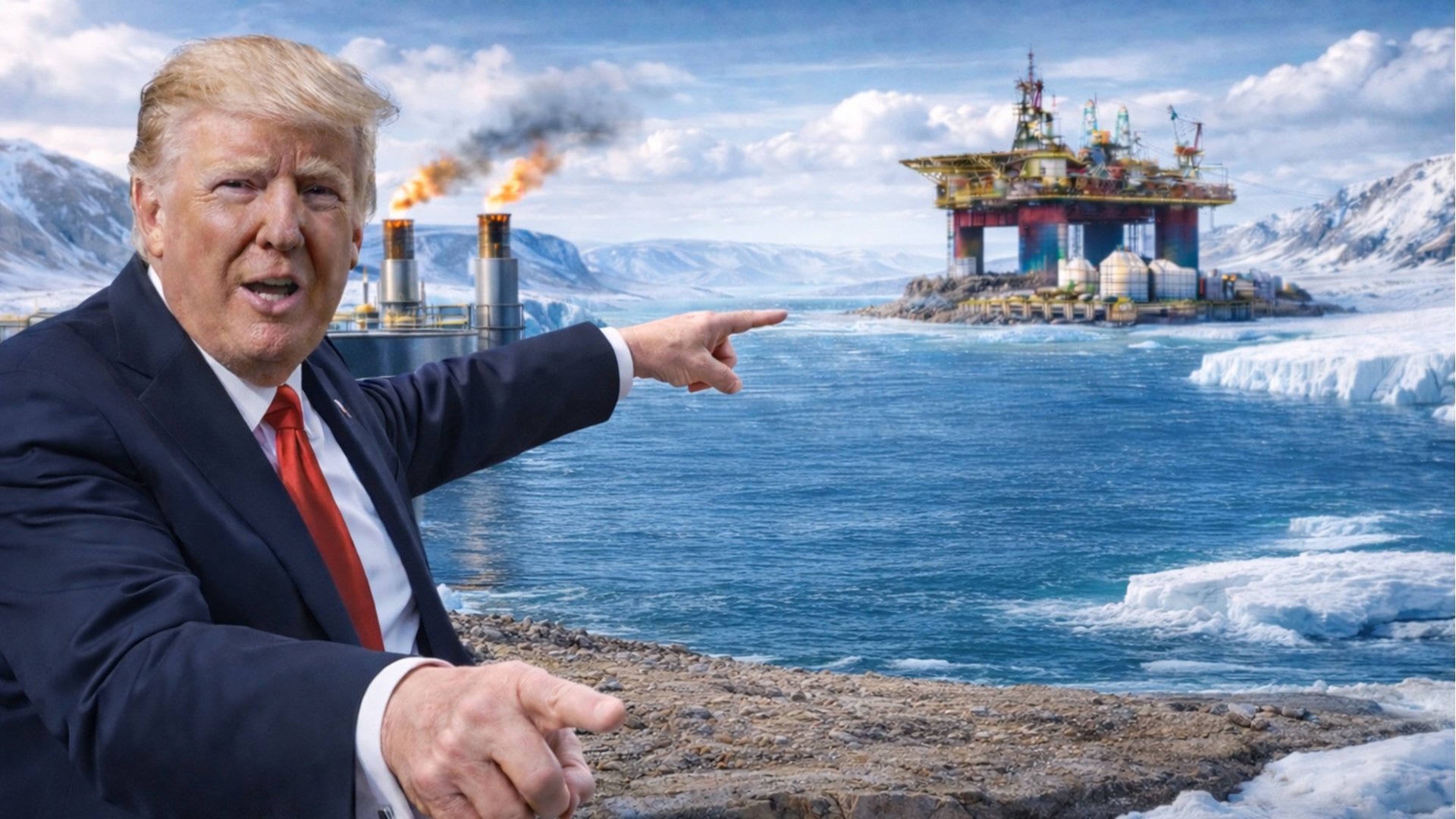
The Largest Island On The Planet Brings Together A Rare Set Of Strategic Resources Ranging From Critical Minerals Used In The Energy Transition To Freshwater Reserves And Energy Potential, Placing Greenland At The Center Of Geopolitical Disputes Among Great Powers In The Arctic
The Greenland concentrates a rare set of natural riches that go beyond the imagination of “eternal ice.” The territory brings together critical minerals used in technology and energy transition, industrial metals, hydrocarbon potential still without commercial production, fishing resources that sustain the local economy, and one of the largest reserves of frozen freshwater on the planet.
At the same time, infrastructure obstacles, extreme weather, costs, and local political decisions make exploration slow and controversial. All of this may explain why Donald Trump so desperately wants to annex the region to the territory of the United States.
An Underground With Critical Minerals And Industrial Metals
Geological studies indicate that Greenland hosts relevant occurrences of rare earth elements, zinc, lead, nickel, copper, iron, gold, as well as deposits with more complex associations involving strategic elements.
-
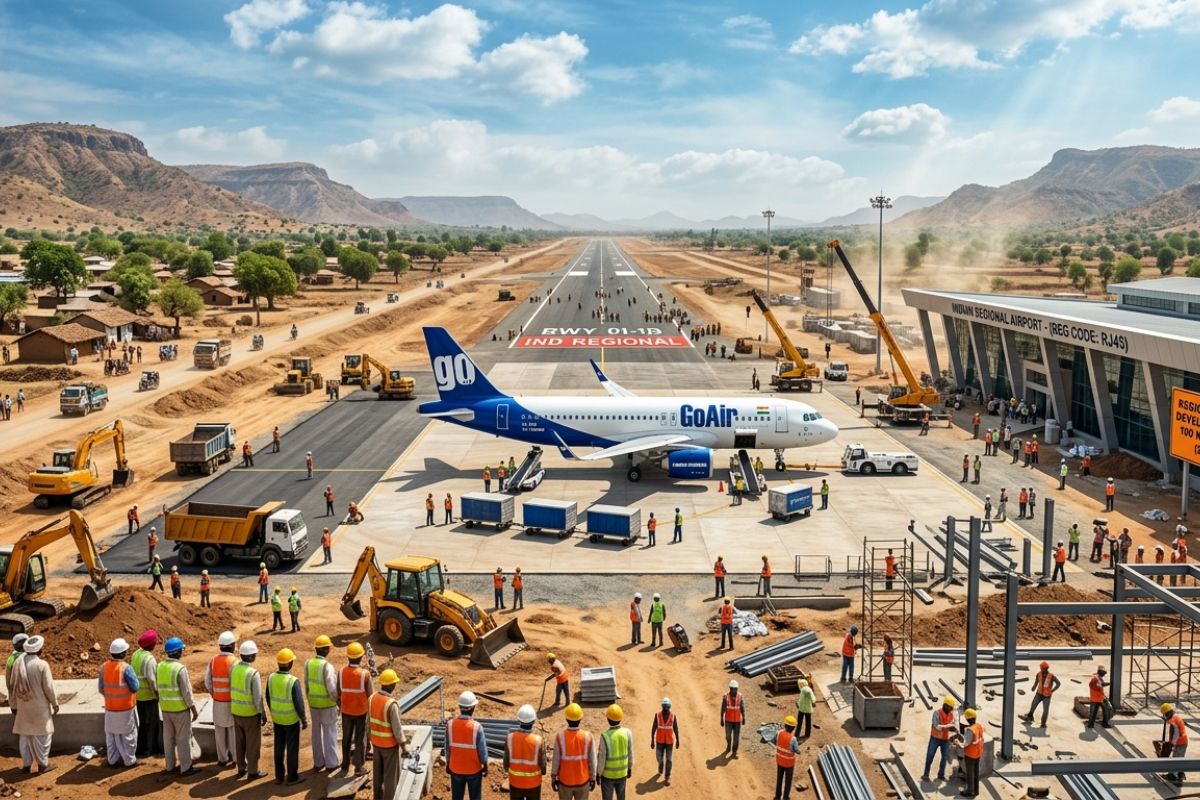
India announces a plan of $3.06 billion to bring aviation to forgotten regions: 100 new airports, $1.07 billion in subsidies, and regional routes guaranteed for 10 years, from 2026 to 2036, away from the centers.
-
Brazil blocked a proposal from the United States at the WTO that would make the exemption from tariffs on digital products like streaming and ebooks permanent, favoring American tech giants at the expense of developing countries.

-
IPTU exemption for seniors in 2026: see how to secure the benefit.

-
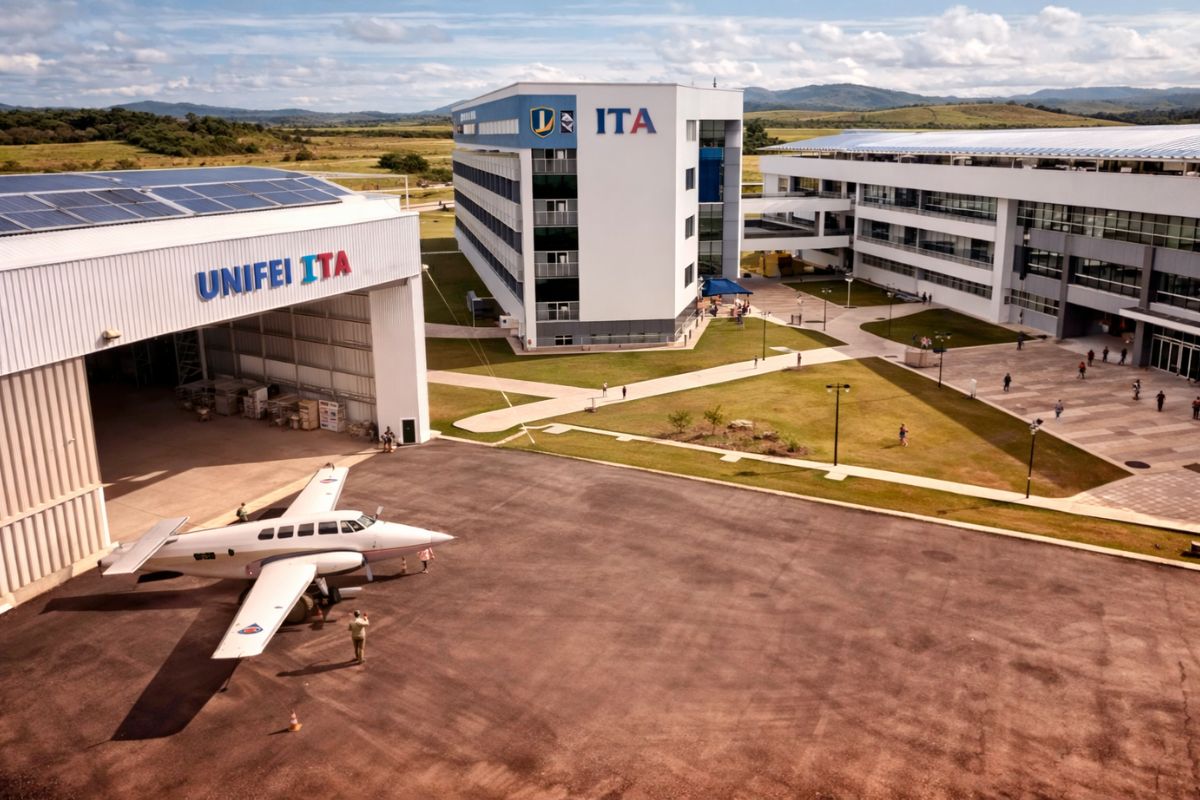
The institute that trained the greatest aerospace engineers in Brazil has just opened its first campus outside São Paulo after 75 years: ITA Ceará will have R$ 445 million, new courses in energy and systems, and classes are expected to start in 2027.

Global interest is particularly focused on raw materials that enter the batteries, permanent magnets, electrification and defense chains, areas where governments and companies seek to diversify suppliers.
Rare Earth Elements
Greenland is often cited as an important frontier for rare earth elements (REEs), as it hosts different types of deposits and projects that have reached advanced stages of exploration.
Reports from the Geological Survey of Denmark and Greenland (GEUS) describe the territory’s potential and highlight that the global supply of REEs is concentrated and that the content of each element varies greatly by deposit, which affects economic viability.
Zinc And Lead
Among the most mentioned projects is Citronen Fjord, in northern Greenland, associated with zinc and lead and cited in academic works and reports on mining in the Arctic as a large-scale deposit, although logistically and financially challenging.
Nickel, Copper, Iron And Gold
Greenland also appears in analyses as an area with occurrences of nickel and copper (important for electrification and batteries), iron (the backbone of the steel industry), and gold (ore of historical and financial value).
The literature on the history of mineral exploration in the territory itself highlights that there are “interesting possibilities,” but that recent examples of successful mining are few, partly due to local conditions and the cost of implementation.
Uranium
Uranium frequently appears associated with rare earth projects, a sensitive topic for environmental and political reasons. Public discussion in Greenland includes restrictions and controversies over the mining of radioactive materials, which can impede projects even when geology is promising.
Oil And Gas: Geological Potential, But No Production And Political Restrictions
The presence of basins with potential for oil and gas is one of the most used points in narratives about the “treasury of the Arctic.”
However, the recent reality is that, after decades of attempts, the local government decided to stop issuing new licenses for oil and gas exploration, citing environmental risks and economic priorities linked to sectors such as fishing and tourism.
The trajectory itself has been described as a long and unsuccessful effort in terms of established commercial production.
In other words: having geological potential does not mean there is extraction. In the case of Greenland, this depends on costs, technology, the global market, and, above all, political decisions that can make a resource “non-exploitable” in practice.
Frozen Freshwater: Environmental Wealth And Global Asset
Greenland houses a vast ice cap that functions as one of the largest reservoirs of freshwater on the planet and as a decisive component of the climate system.
This “resource” is not exploited as a commodity, but is strategic for two reasons: (1) its role in global environmental stability and (2) the fact that melting alters logistics, coastlines, and routes in the Arctic, influencing economic and security interests.
Energy: Hydroelectricity And The Debate About “Green Mining”
The energy potential of Greenland is often associated with hydropower, given the combination of relief, melting rivers, and availability of water in certain regions.
This point appears in the debate about installing mineral processing and other activities with a lower carbon footprint, as long as there is infrastructure and economic viability.
The bottleneck is that energy and logistics in the Arctic are costly: ports, roads, housing, communications, and supply chains need to be built practically from scratch in many areas.
Fishing: The Wealth That Already Sustains The Economy
While mining and hydrocarbons face uncertainties, fishing is the most established natural resource in the Greenlandic economy.
The sector’s dependency even appears in official justifications to restrict oil and gas exploration, due to the risks to marine ecosystems and the economic base of the territory. R
A Lesser-Known Resource: The History Of Cryolite
The exploration of natural resources in Greenland has relevant historical precedents. One example cited in historical analyses is the extraction of cryolite, a mineral linked to aluminum production, explored in the past and remembered as part of the history of resource use in the territory under external influence. Reuters
Why Greenland Entered The Geopolitical Dispute And On Trump’s Radar
The value of Greenland is not just what is underground. The island occupies a strategic position in the Arctic for defense, monitoring, and military projection, and the United States has maintained a military presence in the territory for decades.
This appears in the American political debate, including reports that describe Greenland as a national security priority due to its location and resource potential.
This backdrop helps explain why Greenland reappears cyclically in Washington’s discourses: even when mining and oil do not advance, the territory remains relevant for Arctic routes, surveillance, and dissuasion in an environment of competition among great powers. Reuters+1
What Limits The Mineral “Boom”
Despite the range of resources, specialized analyses warn that Greenland is not automatically a “mining jewel” because:
- many deposits are complex (difficult metallurgy);
- infrastructure is limited;
- climate and logistics increase costs;
- there are relevant environmental and social requirements;
- and political acceptance can change the course of projects.
In summary, Greenland combines real mineral potential with real barriers – and this tension defines the pace of what can turn into effective wealth (production, employment, revenue) versus what remains as geological promise.






-

-

2 pessoas reagiram a isso.