





 Portuguese
  English
  Spanish
  5 min of reading
  12 comments


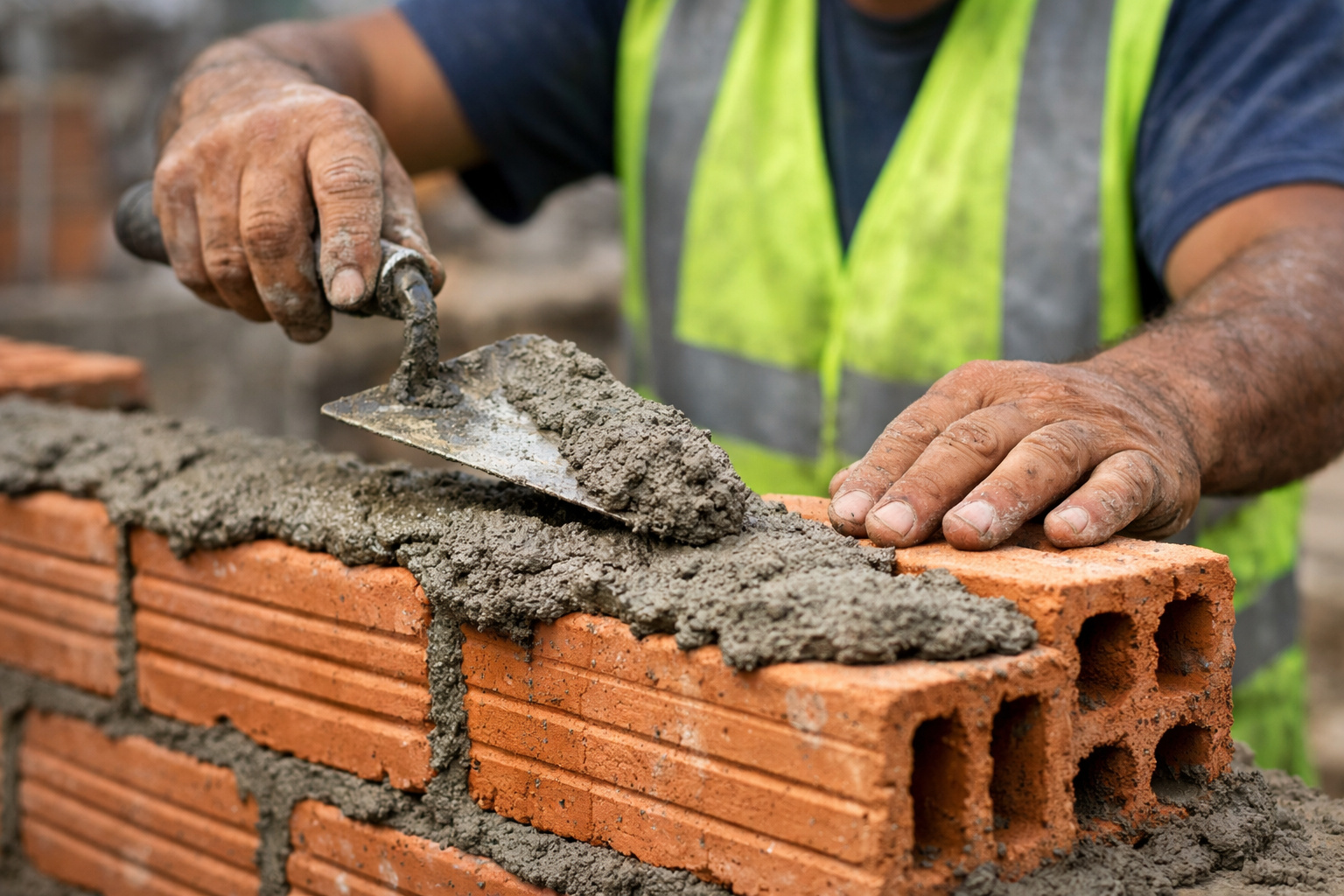


The Historical Labor Shortage in Construction Is Already Causing Delays, Driving Up Property Prices, Pushing Young People Away from the Sector, and Threatening Everything from Public Works to the Dream of Home Ownership
You save money for years, secure financing, buy the land, and start planning your dream home. However, right at the first step, an unexpected obstacle arises: there’s no one to build. Masons refuse jobs, others will only agree to start months later, and in many cases, they simply vanish after sealing the deal. This situation, increasingly common in Brazil, is not a matter of chance but rather a silent collapse advancing within the construction sector.
At the same time, those who choose to buy properties off-plan or hire a construction company face another nightmare: halted works, missed deadlines, and constantly rising costs. Thus, the dream of home ownership transforms into financial and emotional uncertainty, while the sector that should be growing the most in the country seems to be heading in the opposite direction.
The information was disclosed by data from SindusCon-SP, studies from the Getúlio Vargas Foundation (FGV), and surveys from union entities in the sector, which indicate a worrying and structural scenario.
-
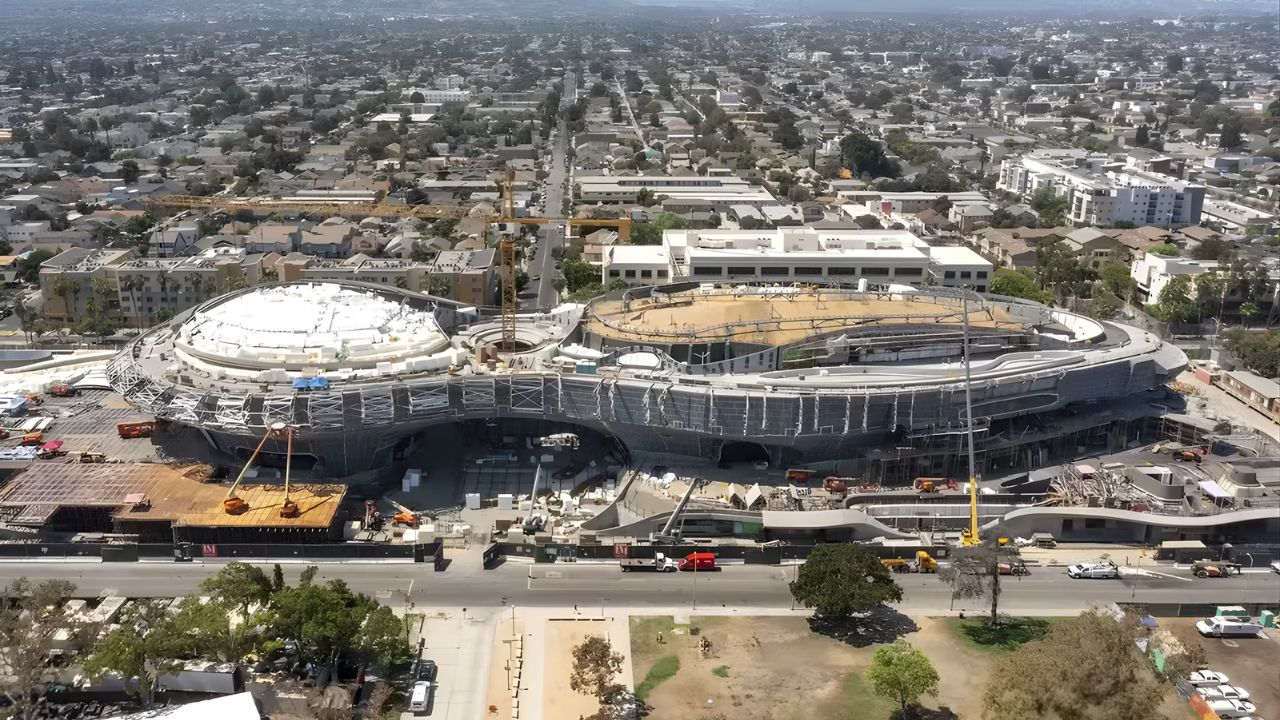
Created by George Lucas with over $1 billion, a futuristic museum in the shape of a spaceship with 1,500 curved panels is about to open in Los Angeles and will house one of the largest private collections of narrative art in the world.
-
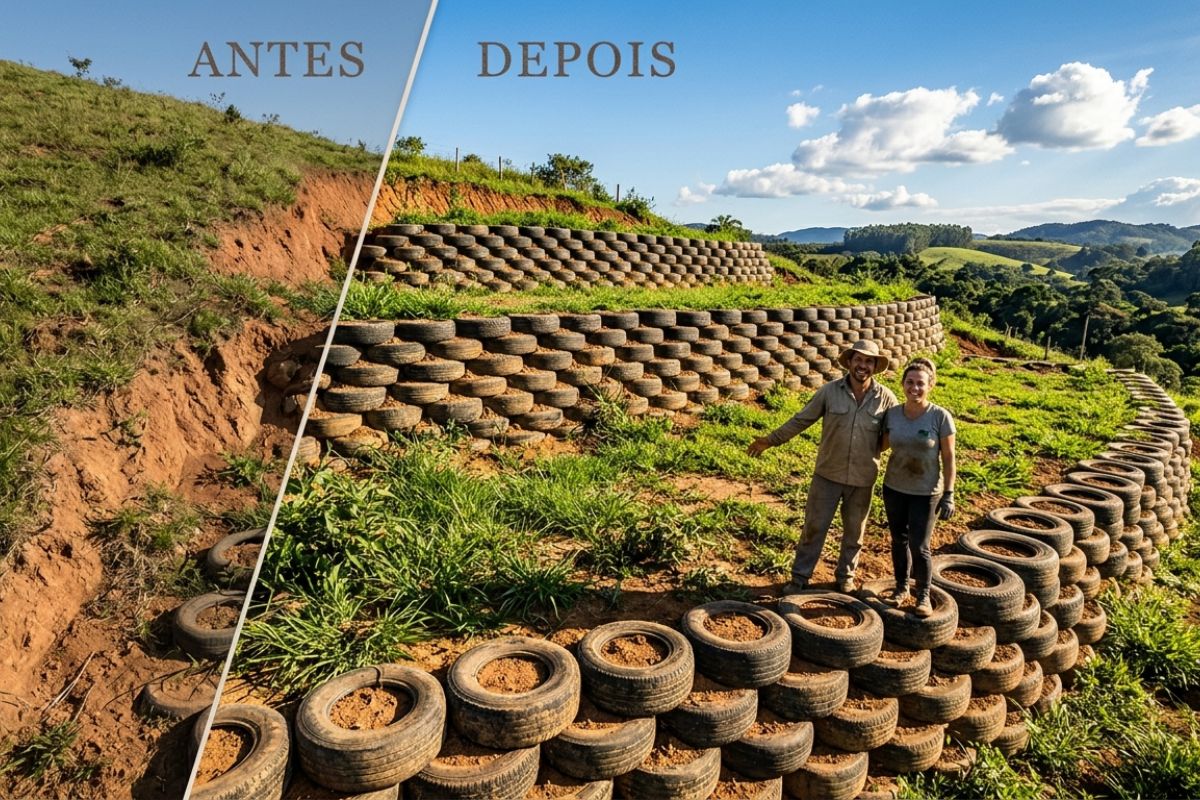
Couple shows how they built a retaining wall on their property using 400 old tires: sloped land turned into plateaus, tires are aligned, filled, and compacted with layers of soil, with grass helping in support and at almost zero cost.
-
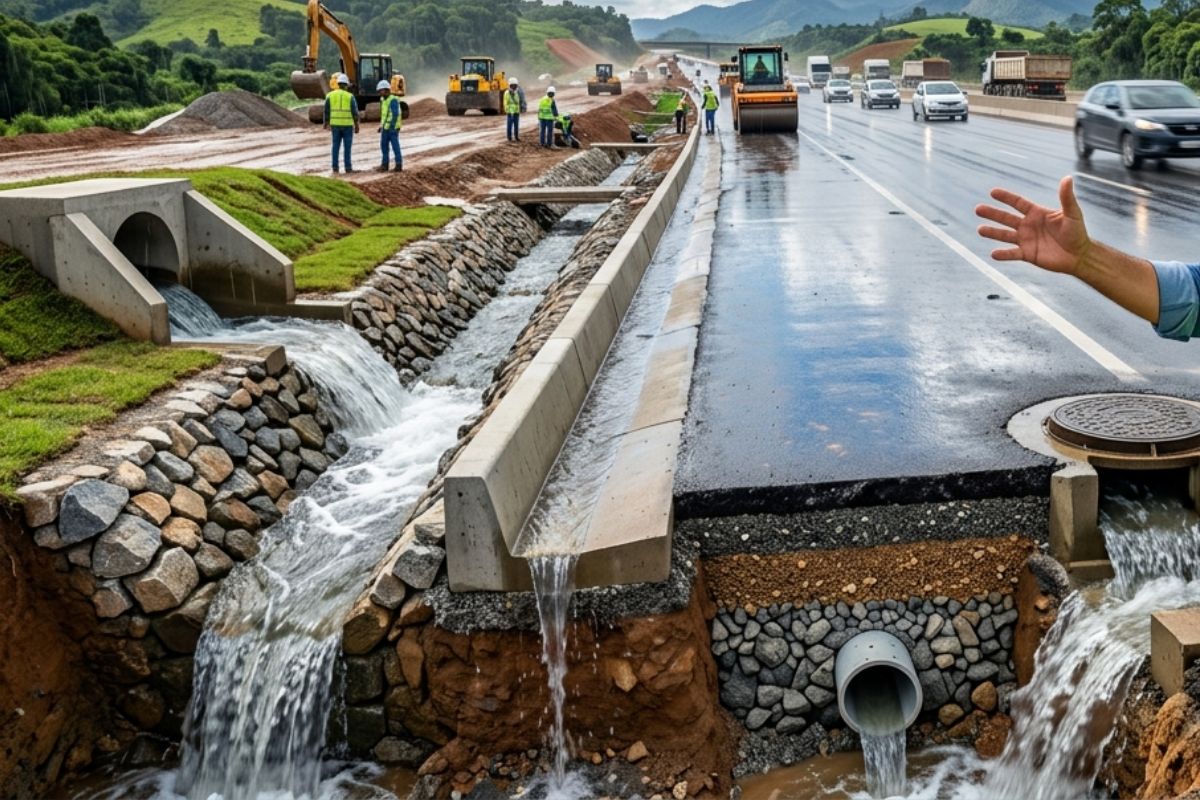
Engineer explains drainage during the rainy season: the difference between surface water and deep water, ditches, gutters, and water outlets on the road, as well as drains and drainage mattresses, to prevent erosion, aquaplaning, and flooding at the construction site today.
-
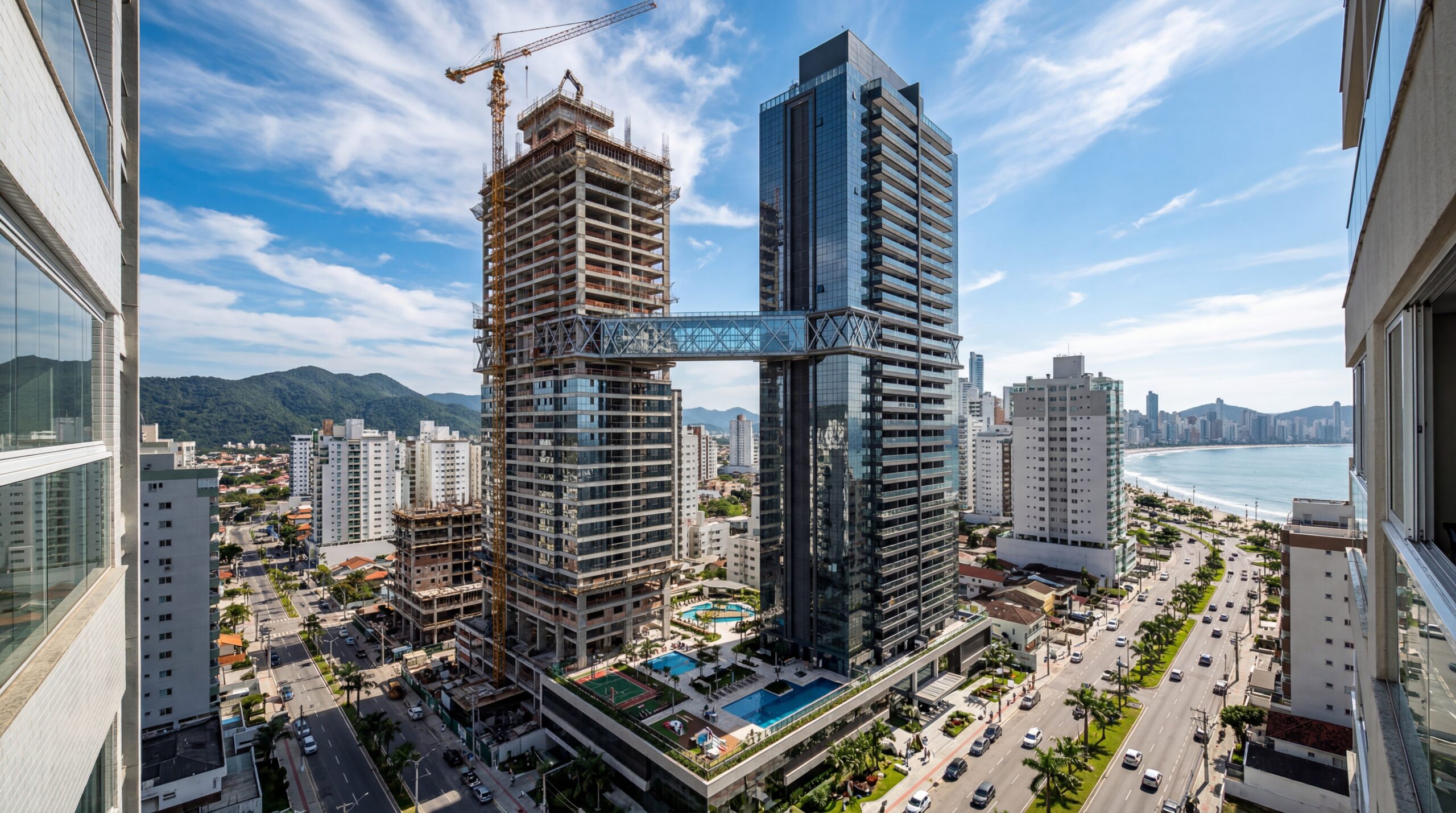
With 55 floors, 177 meters in height, a 15-meter walkway between the twin towers, ventilated facade, and 6,300 m² of leisure space, Ápice Towers already has one tower completed and another nearly at the top.

The Silent Decline of Labor in Construction

In 2010, Brazilian construction employed about 3.2 million workers with formal contracts. Currently, that number has fallen to 2.6 million, a reduction of nearly 600,000 professionals, even with more projects, investments, and tenders underway. The paradox is evident: there is more demand, but fewer people willing to do the work.
Between January and August 2025, the sector registered a 9.4% drop in formal hiring, the worst performance since 2021. As a direct consequence, 82% of construction companies report difficulty hiring, while 70% claim they can’t find qualified professionals.
According to the economist Ana Maria Castelo from FGV, the problem does not only affect large companies. “It’s an issue that also impacts those wishing to undertake small works or renovations, because there is a general shortage of labor,” she states.
In this context, the impact spreads quickly. Public works come to a halt, buildings are delayed, and the cost per square meter skyrockets, further pressuring the real estate market and rents.
Generation Z, Precarious Work, and the Abandonment of Manual Labor


Behind the shortage, there is a profound cultural transformation. The so-called Generation Z, comprised of individuals born from 1995 onwards, shows little interest in working in construction. According to SindusCon-SP, the age pyramid of the sector resembles that of developed countries, with few young people and many older workers.
Between 2016 and 2023, the average age of professionals rose from 38 to 41 years, highlighting that those remaining in the sector are aging, while younger workers simply do not enter. For Antônio Ramalho, the union president, the reason is clear: “Today’s youth prefer to be app drivers or work in technology, in more comfortable environments.”
Moreover, salaries do not keep pace with the physical wear and tear. Masons and helpers report daily wages stagnating around R$ 150, an amount considered low given the physical demands, risks, and pressure for deadlines. Many end up migrating to informal work or digital platforms in search of autonomy and flexibility.
The problem, therefore, goes beyond money. Manual labor has come to be seen as synonymous with social failure, reinforcing a stigma that further distances youth from the sector.
The Rise of Costs, Delays, and the “Auction of Masons”
With few professionals available, market logic has inverted. The sector is currently experiencing the so-called “auction of masons”, where foremen circulate construction sites offering up to 30% more in salary to pull workers from competitors. In São Paulo, this practice has already become routine.
The domino effect is immediate. 21% of companies are already delivering projects behind schedule, while 18% adjusted prices exclusively due to a lack of labor. To compensate, construction companies resort to shifts of up to 12 hours a day, including holidays and weekends.
However, every extra hour drives up the cost of the job, increases the risk of accidents, and reduces the final quality. The results appear later in the form of leaks, buckled floors, and renovations that could have been avoided.
The numbers confirm the damage. The National Construction Index recorded a rise of 4% over 12 months, while the specific cost of labor almost doubled this. Payroll increases, but productivity does not follow, creating a difficult-to-sustain imbalance.
Industrialization, Immigration, and Attempts at Solutions
In light of the collapse, the sector began to react. Entities like Sintracon-SP discuss practical training programs, such as the “Canteiro School”, aimed at the unemployed and unemployment insurance beneficiaries. In partnership with Senai, a national career plan is also being developed to enhance the value of workers.
At the same time, the construction sector has started to make room for women, immigrants, and even retirees. Only in São Paulo, initiatives have already trained over 2,000 women for roles such as painting and ceramic installation.
The most promising bet, however, is industrialization. The use of prefabricated structures, steel frame, and engineered wood has grown by about 30% in the last five years, reducing dependence on manual labor. According to Ana Maria Castelo, this shift is also aligned with the sector’s sustainability and decarbonization agenda.
Internationally, countries like the United States and Canada have been dealing with this problem for decades. In the US, one in four construction workers is an immigrant, a number that surpasses 50% in essential roles. Canada has welcomed over 42,000 foreign workers to the sector between 2016 and 2023, treating construction as a national priority.
In Brazil, the challenge persists. There is technology, demand, and interest in training, but there remains a lack of making work in construction dignified, valued, and competitive against new forms of income. Without this, the shortage of masons ceases to be a trend and solidifies as a collapse that affects society as a whole.
How did a country that needs to build so much reach the point of having no one left to raise walls, apply plaster, and move works forward?








Os salários são baixos, mas para quem é bom não falta trabalho. Eu faço projeto e posso garantir, mão de obra qualificada é raridade. Quem se destaca cobra o que quer e não falta quem pague. Ao invés do governo incentivar o empreendedorismo, priorizar cursos profissionalizantes de qualidade, fica com esse discurso demagogo de dar acesso das pessoas mais pobres à universidade. Se a pessoa tem um sonho e uma vocação, tudo bem, vai atrás do canudo, mas não falta engenheiro, muita gente com nível superior vivendo como motorista de Uber. Os profissionais da construção civil que trabalham bem estão com alto padrão de vida.
Já disseram muito bem o motivo da falta de mão de obra. Salário de fome e condição de trabalho péssimas. Sou pedreiro, mas não trabalho com isso atualmente, pois sou eletricista também. Um tempo atrás fui chamado por uma construtora de obras grandes como shopping. 40 dias noutro estado pra 4 dias de folga em casa. Fora isso era alojamento de domingo a domingo. Jornada de 10 horas de segunda a sábado e 4 horas aos domingos. Mas podendo trabalhar 14 hrs diárias. E na falta de serviços eletricos , ja que a obra estava no início, eu teria de ajudar em tudo que precisace. Nesse caso segundo o contratante eu iria tirar ótimos ganhos. 3 mil por mês. Agradeci e fui embora.
Ficam querendo arrumar pretestos para justificar um mau que o próprio governo criou, quem recebe o bolsa não quer trabalhar informal, quanto mais formalmente,