





 Portuguese
  English
  Spanish
  3 min of reading
  0 comments



With 575 Km of Track and Investment of R$ 7.88 Billion, The EF-118 Railway Promises to Connect Rio de Janeiro to Espírito Santo and Transform The Port of Açu into a New Logistics Hub for Agribusiness
A new railway with a length of 575 kilometers can change the logistics landscape of the Southeast. The project, named EF-118, is expected to connect Nova Iguaçu in Rio de Janeiro to Santa Leopoldina in Espírito Santo, with a total estimated investment of R$ 7.88 billion. Of this amount, R$ 4.6 billion will come from the private sector and up to R$ 3.28 billion will have public origin.
Strategic Connection Between Rio and Espírito Santo
The main objective is to facilitate the transportation of agricultural, mineral, and industrial cargo. The railway was designed to achieve an operational capacity of up to 40 million tons per year in the long term.
This infrastructure promises to reduce logistics costs and enhance the competitiveness of the Brazilian productive sector.
-
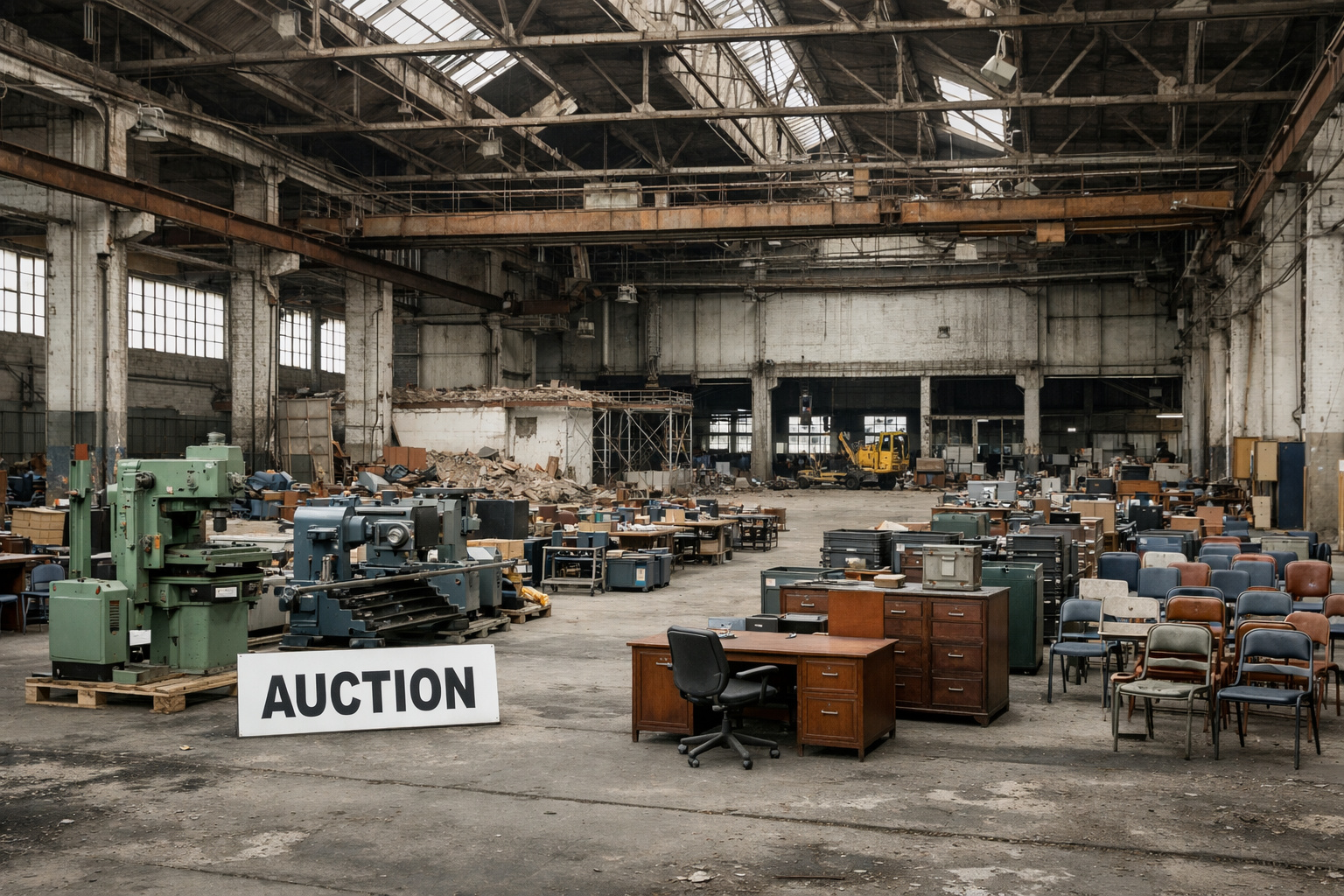
Historic bankruptcy of Centauro shocks the market, and the century-old company puts more than 500,000 products, machines, and complete infrastructure up for online auction.
-
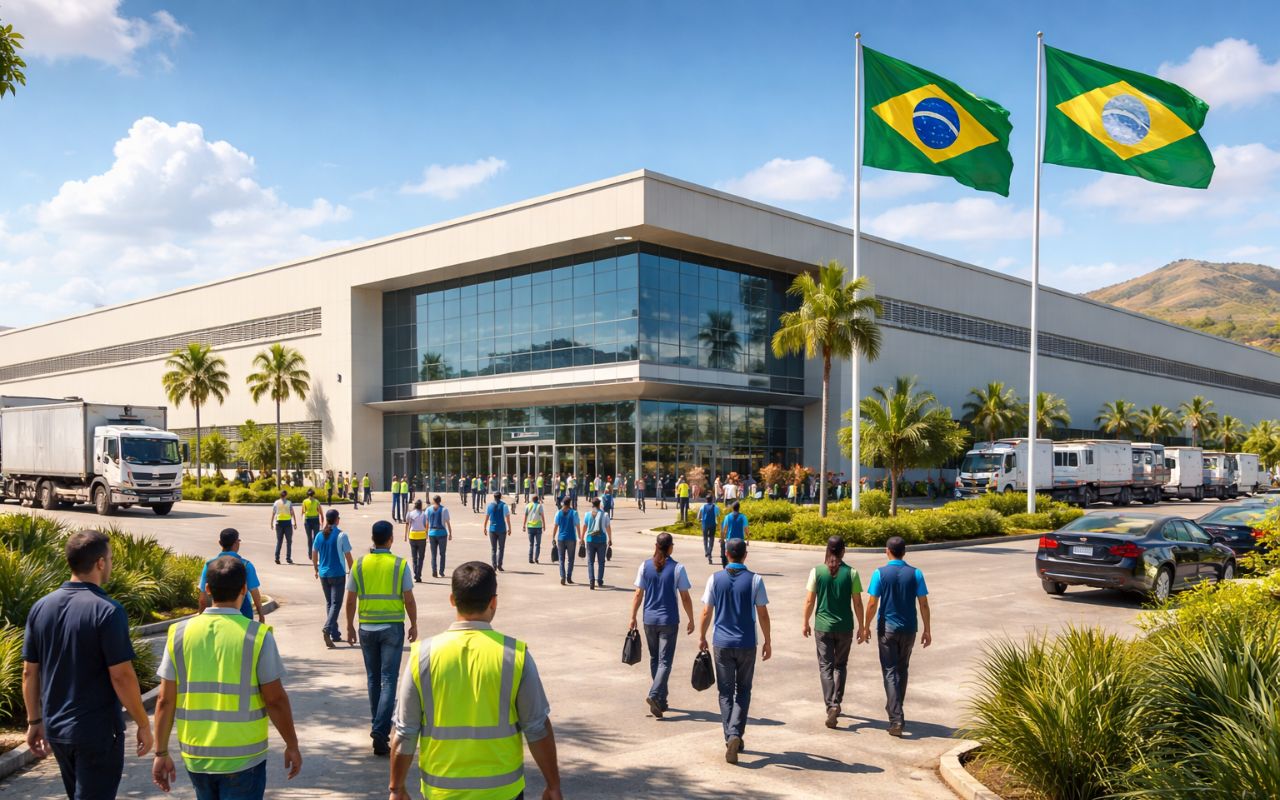
New shoe factory in Ceará is expected to create 400 jobs and strengthen the local economy.
-
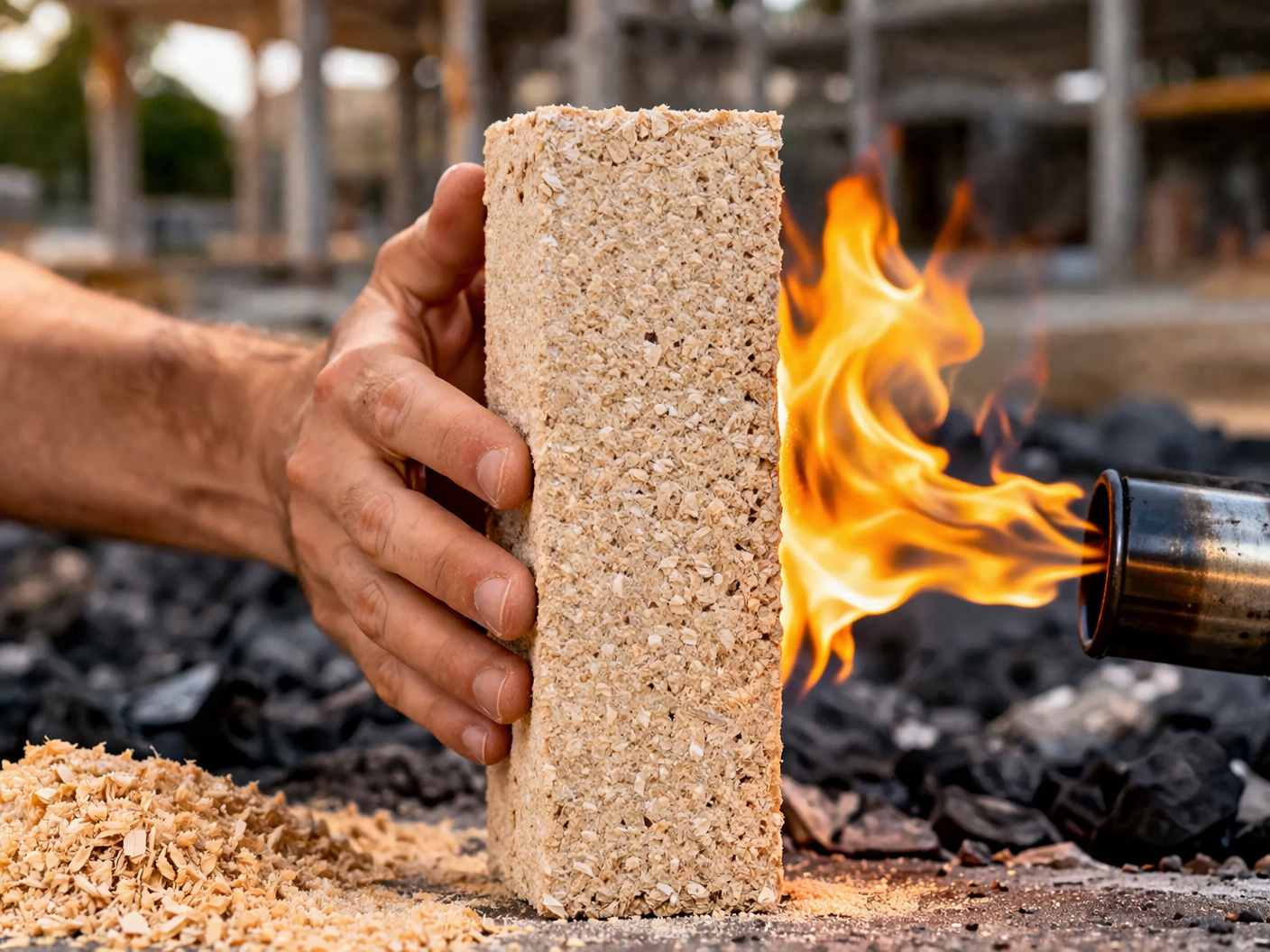
No one imagined it, but a mixture of sawdust with a mineral that fights fires surprises scientists with a result that changes the course of fire-resistant construction.
-
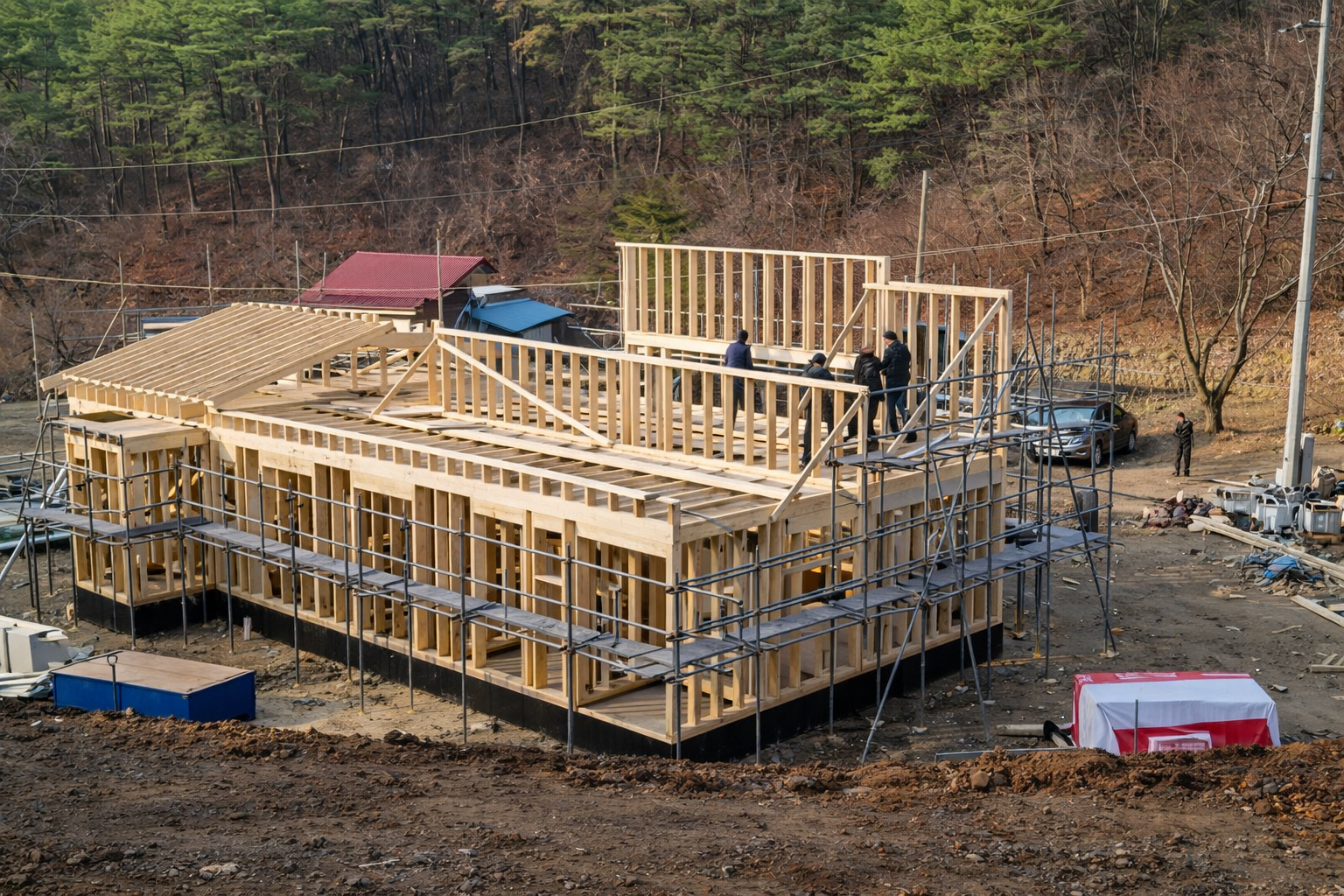
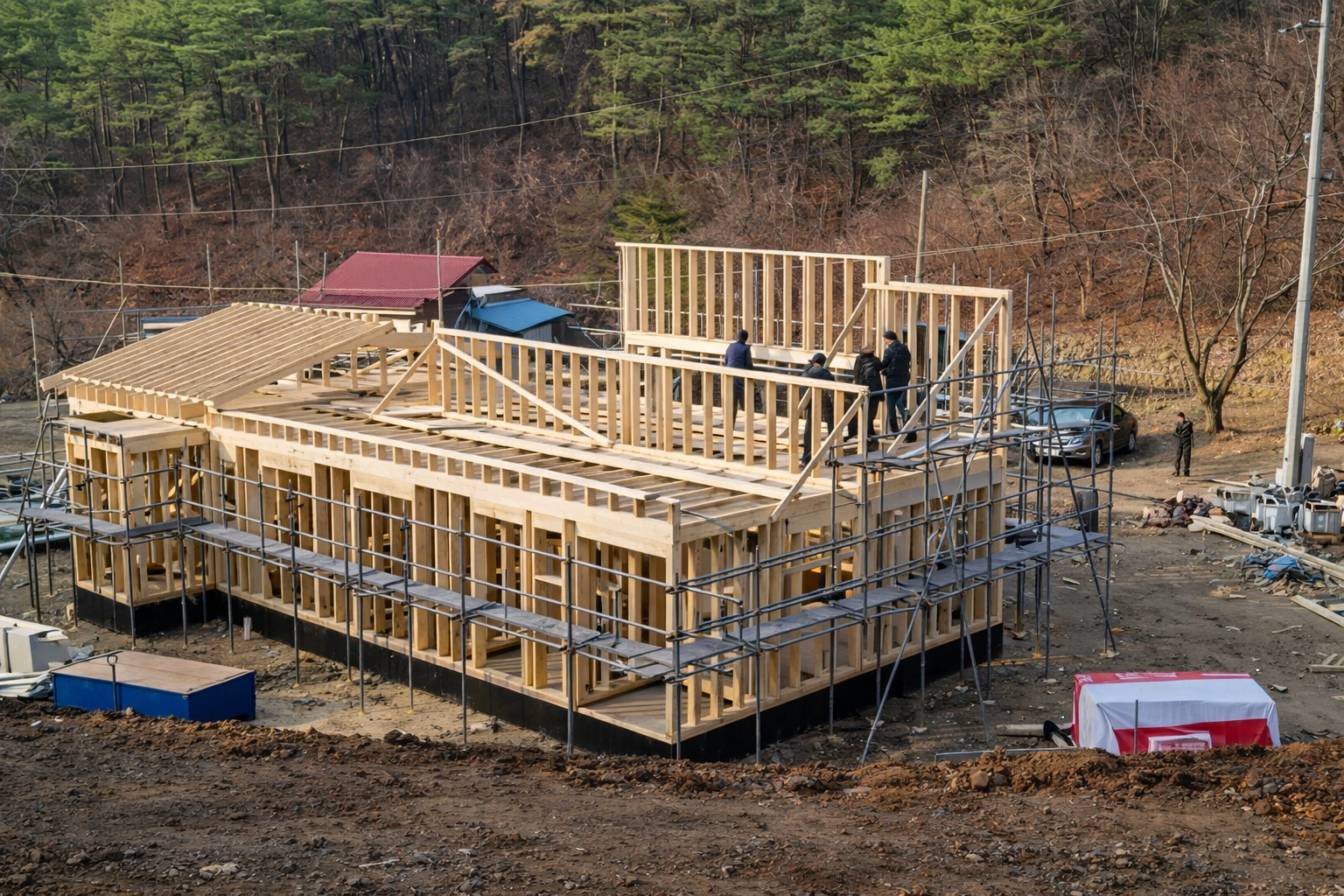
From empty land to a high-end house, wooden construction uses a lightweight system, metal structure for the foundation, ventilated ceramic cladding, and special windows to create an efficient and comfortable living space throughout the year.
According to the Minister of Transport, Renan Filho, the government intends to hold the concession auction still this year.
The schedule anticipates that operations will begin between 2033 and 2035. However, the project still depends on approval from the Federal Court of Accounts (TCU).
Renan Filho emphasized that investments in railway infrastructure have become more viable after the entry of Chinese capital and new concessions.
“Brazil is a country of continental dimensions. These investments are robust and often cannot sustain themselves solely with private resources. As there are restrictions in the public budget, we need to seek innovative solutions,” he stated.
Port of Açu: The New Bet of Agribusiness
An essential part of the plan, the Port of Açu is expected to function as the integration point of the EF-118. The complex, located in northern Fluminense, is one of the largest port and industrial hubs in the country.
Today, it already handles part of the agribusiness production but aims to consolidate itself as a “new route for agribusiness,” directly connecting producing regions to foreign trade.
The CEO of the Port of Açu, Eugenio Figueiredo, explained that the railway connection will exponentially increase cargo handling capacity.
“The link between the industrial complex and a railway network elevates our efficiency level exponentially,” he said in an interview with IstoÉ Dinheiro.
New EF-118 Railway: Perspectives and Future Investments
According to Figueiredo, the bidding and concession process for the railway is expected to be completed by the first quarter of 2026.
He estimates that the new logistics corridor could handle around 20 million tons of cargo.
The Port of Açu, conceived by businessman Eike Batista and inaugurated in 2015, is already considered the largest exporter of oil and gas in Brazil.
Now, the complex is preparing an exclusive terminal for grains, with an investment forecast of R$ 500 million by 2028.
“Our mission is to show producers that the Port of Açu can be a competitive alternative for the outflow of agricultural production,” reinforced Figueiredo.
If realized, the EF-118 project will mark a milestone in the logistics integration of the Southeast, promoting efficiency, reducing costs, and strengthening Brazil’s role in international trade.
With information from ND Mais.







Seja o primeiro a reagir!