





 Portuguese
  English
  Spanish
  5 min of reading
  5 comments


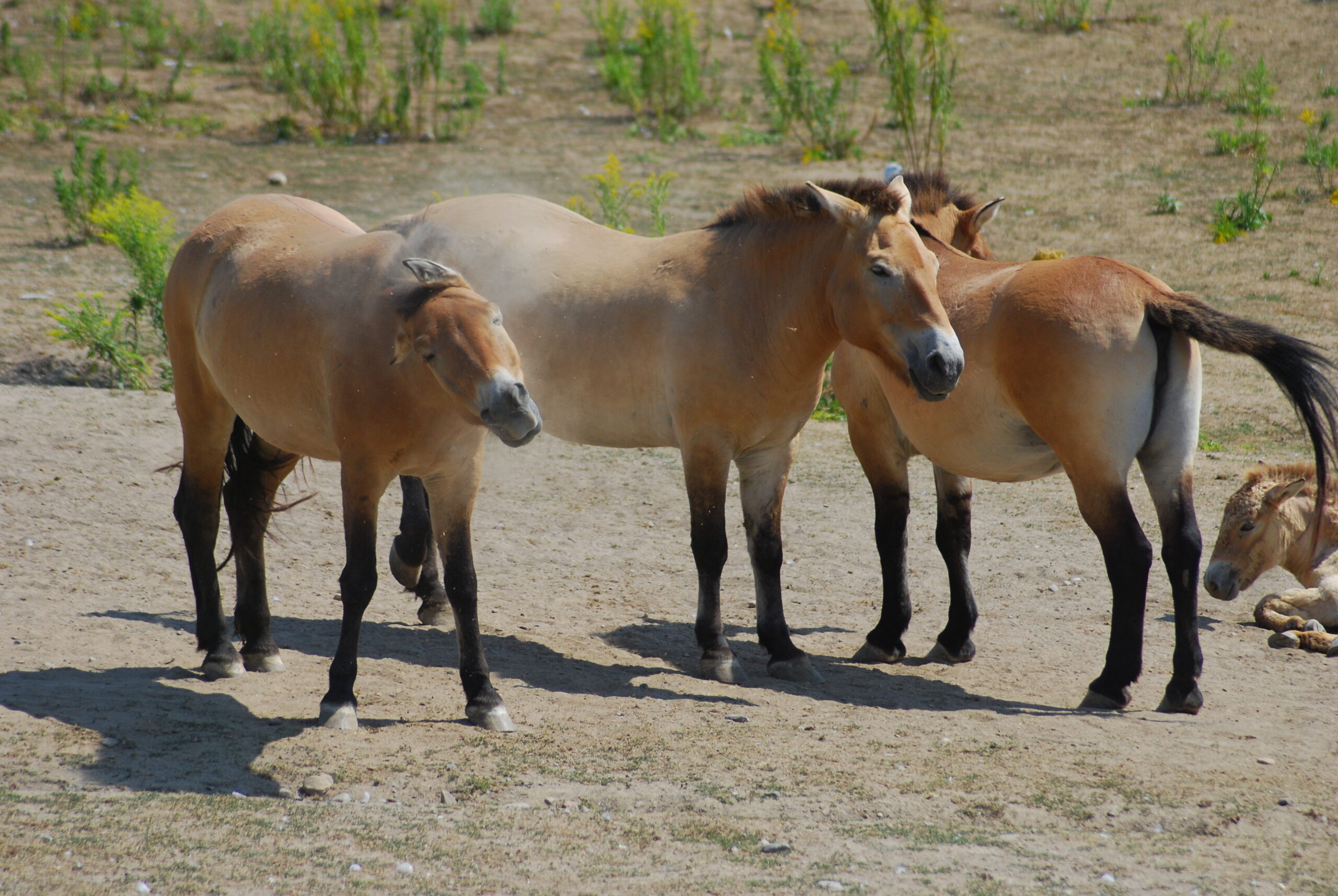


The Reintroduction of the Przewalski’s Horse in Mongolia Restored Grasslands, Reduced Desertification, and Surprised Scientists with the Speed of Environmental Recovery.
Few environmental stories in the world carry as dramatic a twist as that of the Przewalski’s horse. The species, the last truly wild horse on the planet, was declared extinct in the wild in 1969. For decades, it survived only in captivity — spread across European zoos and isolated breeding programs that kept the last pure descendants of a lineage that accompanied humans since the Stone Age alive. No one imagined that, half a century later, these animals would become protagonists in one of the most impressive ecological recoveries ever recorded in Asia.
The turnaround began in the 1990s, when Mongolia decided to reintroduce the Przewalski’s horse in three strategic areas: Hustai National Park, Khomiin Tal Reserve, and the vast region of Great Gobi B, one of the planet’s most arid and challenging frontiers. Animals that had spent their entire lives in captivity were transported by planes and special trucks and released into a hostile territory, marked by icy winds, intense summers, water scarcity, and pastures degraded by desertification. The expectation was modest: that some would survive. What came next surprised even the most optimistic.
The Explosion of Wildlife After the Return of Extinct Horses
The effects began to appear within a few years. Where there were once expanses of invasive shrubs and exposed soil, new grasslands emerged with astonishing strength. By grazing on specific grasses and creating natural trails, the horses reorganized the ecosystem without any human intervention.
-
The village where two rivers run side by side without mixing in Santarém and Alter do Chão reveals some of the most beautiful freshwater beaches on the planet.
-
Brazil’s nuclear submarine with a speed 5 times greater than normal advances after nearly 50 years and R$ 40 billion spent.

-
A Brazilian island charges R$ 0.50 to receive visitors and prohibits any new residents.
-
Why was the Great Wall of China built? The truth that many are unaware of!

The grasslands began to breathe again. The compacted soil started to loosen up, allowing water infiltration and reducing surface erosion that fed the advance of the desert.

Birds that depend on open fields gradually returned. Small mammals were the first to benefit from the new clearings. Foxes and smaller predators also reappeared, and the entire ecological chain began to reorganize at a pace that surprised the researchers involved in the project.
Scientists from the International Takhi Group, an organization that leads part of the reintroduction, recorded changes so rapid that several reports describe the phenomenon as “ecologically transformative”.
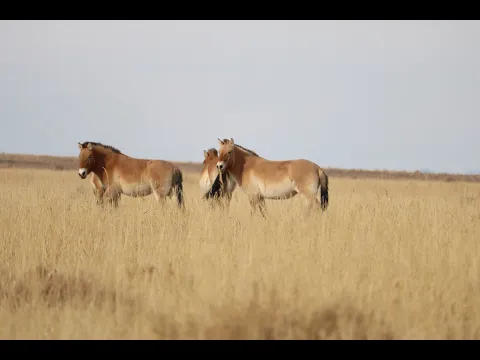

Today, hundreds of individuals live completely wild, reproducing without any need for human management. This means that the species not only returned: it became an active part of the natural flow of the Mongolian ecosystem.
Why Did the Horses Change the Landscape So Much and So Quickly
The answer lies in the species’ natural behavior. Unlike domesticated animals, the Przewalski’s horse does not delicately select pastures. It advances into dense areas, clears space, knocks down small shrubs, and creates clearings that favor grasses of high ecological value.
By moving in large groups, the animals leave trails that act as natural channels for rainwater, increasing infiltration and reducing surface runoff that feeds the desertification process.
The compression of the soil in the paths helps maintain a balance between open fields and low vegetation.
The trampling breaks the impermeable layer created by decades of abandonment, allowing previously dormant seeds to germinate. The natural shedding of hair and manure from the animals fertilizes the soil, creating a nutrient cycling that the degraded areas had lost.
All of this combines with a territorial behavior that forces the groups to move constantly, allowing the soil recovery to happen continuously, like a large natural mosaic that regenerates in cycles.
The Social, Scientific, and Economic Impact of the Return of an Extinct Species to Nature
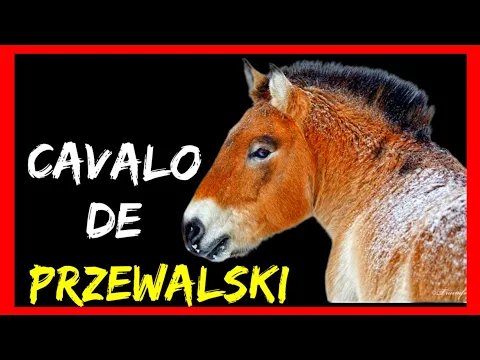
The reintroduction of the Przewalski’s horse not only changed the ecosystem, it transformed entire communities and drew the attention of the global scientific community. The areas of Hustai and Great Gobi B started to receive researchers, photographers, and visitors from around the world, eager to see up close one of the planet’s most successful rewildings.
This boosted the local economy, strengthened Mongolia’s cultural identity, and created new models of ecological research that are now studied in European and Asian universities.
For scientists, the phenomenon reinforced a thesis that has been gaining traction: large herbivores play an indispensable role in climate regulation and controlling environmental degradation processes.
The speed of the ecological response surprised specialists who believed that recovery would take decades. Today, reports indicate that in certain areas, it took only five to seven years of continuous presence of the horses for the natural cycle of vegetation to regain its original strength.
An Environmental Restoration That Escapes Common Imagining
The most impressive thing is that all of this was achieved without machines, without complex forest management programs, without artificial irrigation, and without billion-dollar investments.
Mongolia returned an extinct animal to nature, and nature did the rest. The landscape changed so clearly that it is possible to observe the before and after through satellite images. Where there were ochre spots and bare soil, green areas now appear that grow year after year.
It is such an emblematic case that it has become a model for other countries trying to combat desertification, loss of biodiversity, and ecosystem collapse.
From a scientific perspective, the reintroduction of the Przewalski’s horse showed that when the right species is returned to the right place, the impact can “unlock” ecological processes that seemed lost forever.
Why This Case Became a Global Symbol of Environmental Recovery
The strength of this story lies in the combination of unlikely elements: an extinct animal, a country with a harsh climate, degraded ecosystems, and a reintroduction carried out with few resources and much persistence. It proves that restoring nature is not just about planting trees; it is about returning to the environment the missing pieces for it to function again on its own.
Today, the Przewalski’s horse is more than a rescued species: it is a reminder that entire ecosystems can be reactivated when their natural engineers return.
Mongolia has reaped a result that no one expected so soon, and scientists are still studying how a free animal in the right place managed to reverse processes that seemed irreversible.





Muito bom. Os animais são uma lição de vida para os homens.
MARAVILHA…A N̈ATUREZA GUARDA CONHECIMENTO QUE A ARROGÂNCIA HUMANA NUNCA.ALCANÇARÁ…
Ainda há cientistas que valorizam o meio ambiente e procuram um jeito de cuidar dele. E a extinção de animais mais uma vez fica provada que a caça e aprisionamento é o grande vilão.