





 Portuguese
  English
  Spanish
  4 min of reading
  0 comments


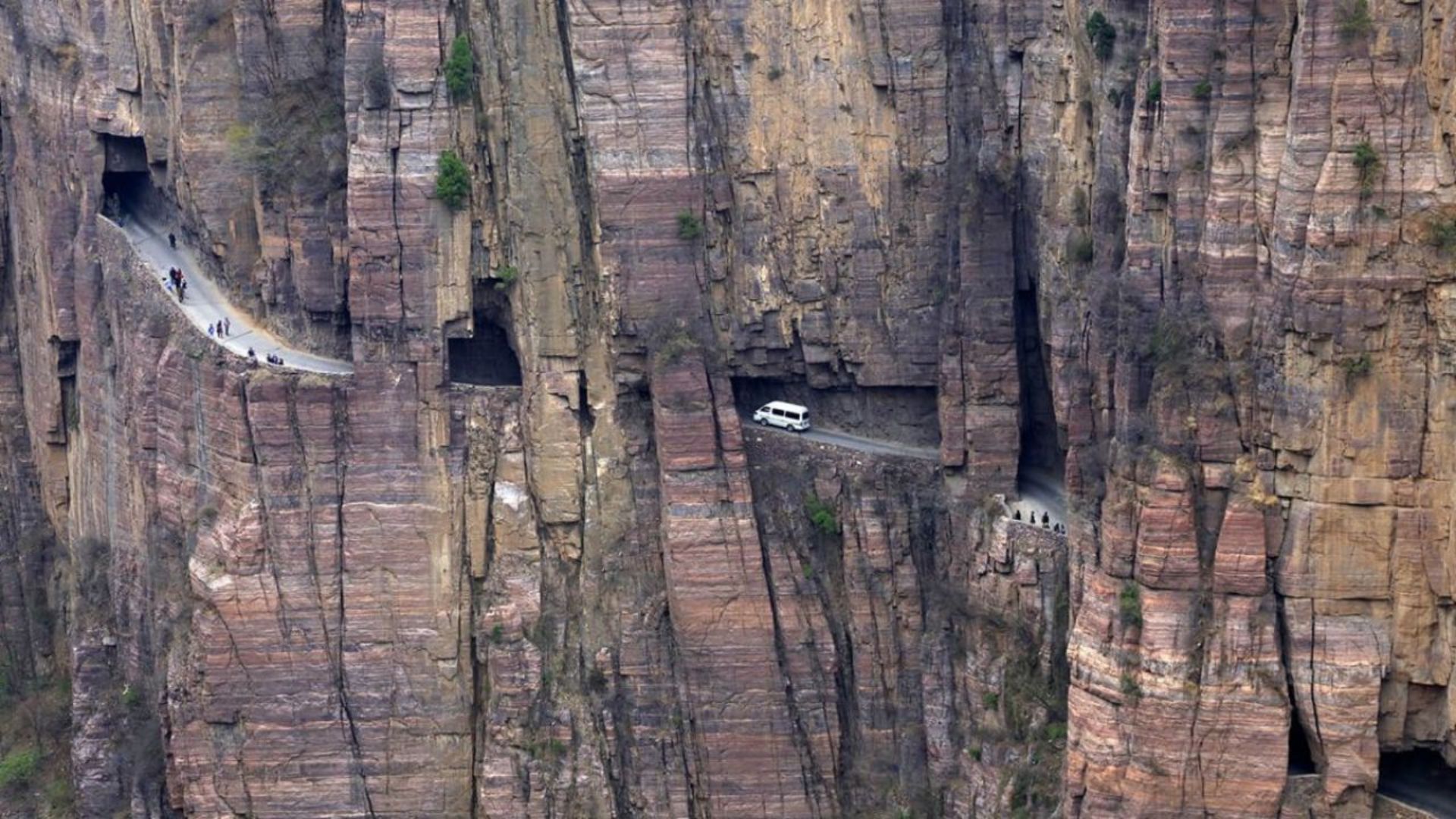
Historical Road On Cliff Brings Rare Handmade Construction, Challenging Traffic, And Direct Impact On Tourism And Daily Life Of A Chinese Village.
Hand-carved into the nearly vertical wall of the Taihang Mountains in central China, the Guoliang Tunnel Road transformed the routine of a previously isolated village and became part of the route for visitors interested in the region’s unique geography.
The tunnel, approximately 1.2 km long, 5 meters high, and about 4 meters wide for much of its length, has connected Guoliang Village to the road network of Henan province since 1977.
Geographic And Historical Context Of Guoliang
The highway is located in Guoliang Village, Huixian District, Xinxiang City, at an altitude of about 1,700 meters, in an area where cliffs and natural unevenness hinder circulation.
-
Iceberg A23a, one of the largest in the world, is undergoing accelerated collapse and may disappear: what explains the end of the ice giant?

-
The simplest swap at home can reduce energy consumption by up to 90% without changing habits, using a technology that lasts up to 25 times longer and consumes only a fraction of the electricity.

-
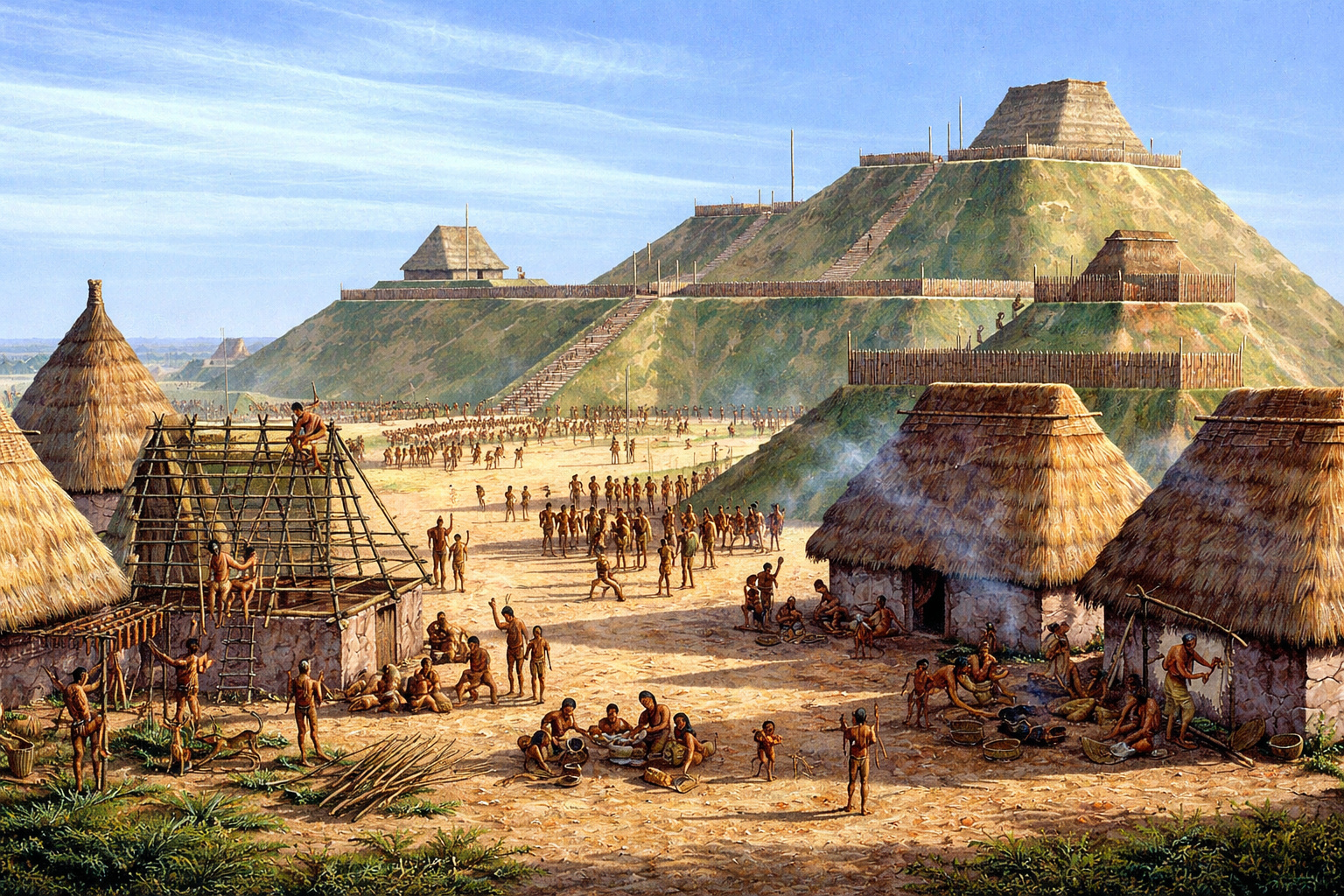
With over 14 million baskets of earth moved, an ancient North American metropolis built a monumental pyramid of 30 meters and established a city with 20,000 inhabitants nearly a thousand years ago.
-
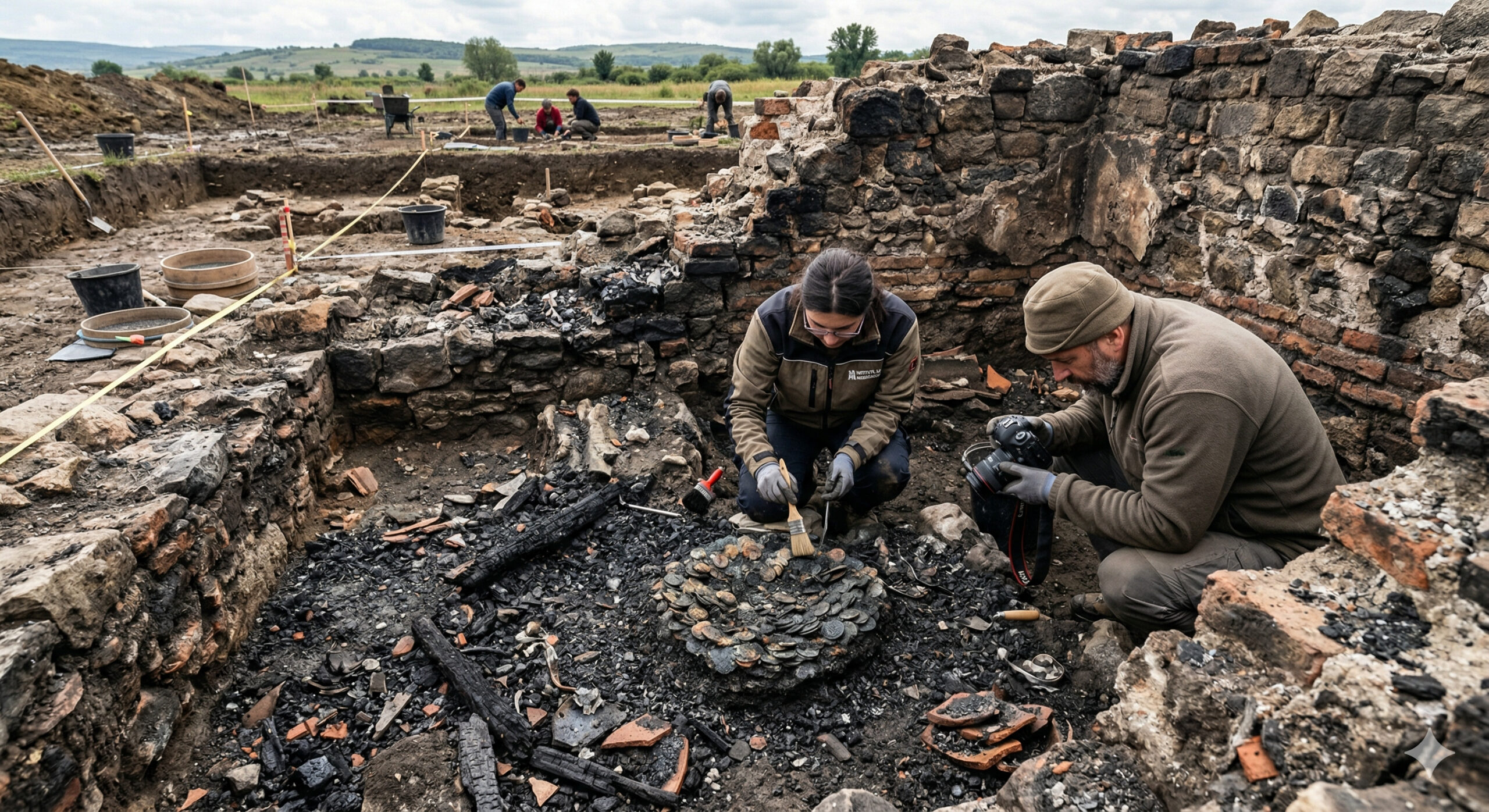
A 1,900-year-old treasure emerges from a Roman house destroyed by fire and sealed since antiquity in Romania, with coins and metals fused among the ashes.

The village was named after a rebel from the Han dynasty who, according to Chinese historical records, used the mountainous terrain as a refuge.
Before the construction, the approximately 300 residents relied only on a steep path called “Stairs To Heaven”, consisting of about 720 steps carved into the rock.
The narrow and uneven path was described by locals as tiring and dangerous, especially in winter when ice accumulation occurred.
For years, requests for improvements were sent to local authorities but did not progress.

The village’s economy was based on subsistence agriculture and animal husbandry in small areas, and isolation limited access to essential services.
Community Work And Hand Digging
In 1972, a group of thirteen residents, led by Shen Mingxin, decided to start opening a road on their own.
They sold animals and personal belongings to buy hammers, chisels, and small amounts of explosives.
Without heavy machinery, progress was slow; in denser sections, residents recorded progress of about one meter every three days.
After five years of drilling, the limestone corridor acquired irregular windows in the walls, initially created for debris removal and now associated with views of the valley.
Local documents and resident accounts indicate that workers died during the construction, mainly from falls and collapses, but the precise number is not agreed upon among available sources.
The opening of the tunnel on May 1, 1977 allowed motor vehicles to reach the village directly, reducing travel time to Huixian and Xinxiang.
Narrow Path And Driving Challenges
The road follows the natural contours of the mountain.

The method sought the path with the least resistance in the rock, resulting in tight curves and sudden level changes.
Experts consulted by Chinese media explain that routes like this require careful driving, especially due to sections wide enough only for one vehicle at a time.
In areas where space is limited, drivers need to coordinate stops to allow passage in the opposite direction.
The side windows expose the tunnel to the wind, which, according to local drivers, can affect the stability of lighter vehicles.
During rainy periods, the concrete surface tends to become more slippery, increasing the need for caution.
The use of headlights on throughout the route is recommended by traffic authorities in Huixian since the installation of bilingual signage in the 2010s.
Buses and large vehicles face restrictions as the width of the lane does not accommodate wide maneuvers.
In foggy conditions, common in the Taihang Mountains, visibility often drops to a few meters.
Safety, Maintenance, And Traffic Restrictions

Local teams conduct annual maintenance on sections of the tunnel, with drainage reinforcements and monitoring of small cracks in the limestone rock.
During heavy rain or snow, the road may be temporarily closed, forcing residents to rely on alternative routes or, in specific emergencies, air transport.
Tourism Growth And Economic Impact
The road is part of the Wanxian Mountain Scenic Area, which includes canyons and trails.
Before the pandemic, Chinese media reported an annual flow of about 1.4 million visitors to the village and revenue of 120 million yuan from ticket sales at the complex.
Tourism activities became the primary source of local income.
Residents transformed their homes into inns and restaurants, and some of the young people who had left the village returned to work in tourism-related services.


The region also began to host audiovisual productions; tour guides cite more than 40 films and series filmed in Guoliang and surrounding areas.
Cultural Recognition And Current Challenges
The Henan government classified the set formed by the tunnel, the road, and the village as cultural heritage, highlighting the community nature of the construction.
This designation has spurred debates on how to manage the increase in visitors without compromising the original manually excavated structure.
Administrators of the scenic area are studying adjustments in access control, such as limiting hours and tickets.
The road saw a high flow of tourists again after the sector’s recovery, raising concerns among local authorities regarding the road’s capacity and the preservation of the rocky wall.
Would you dare to ride a motorcycle through the narrow curves of the Guoliang Tunnel or would you prefer to arrive in the village and explore the surroundings on foot?






-

-

2 pessoas reagiram a isso.