





 Portuguese
  English
  Spanish
  5 min of reading
  0 comments


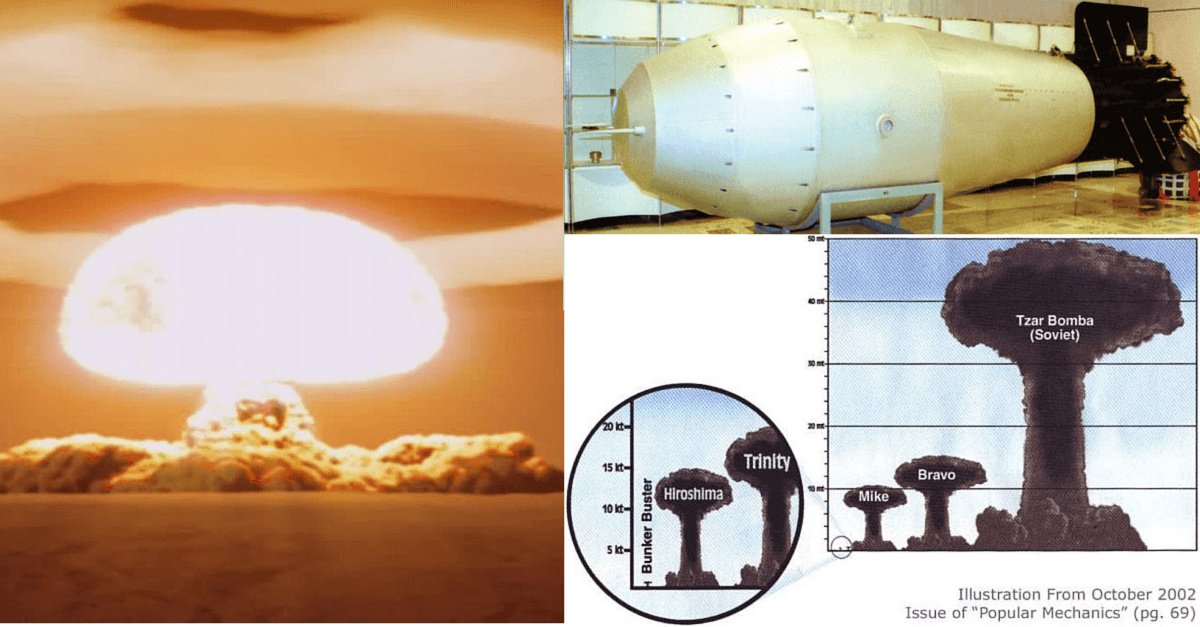
Tested in Semipalatinsk, Kazakhstan, the RDS-37 was the first operational hydrogen bomb of the USSR, released 1.6 megaton and paved the way for the Tsar Bomba.
On November 22, 1955, the Soviet Union conducted, at the Semipalatinsk Nuclear Test Site, located in the then Soviet Socialist Republic of Kazakhstan (now Kazakhstan, near the cities of Kurchatov and Semey), the test of the RDS-37, the first operational Soviet thermonuclear artifact based on a two-stage design. The event is documented by institutional sources such as Rosatom, the Encyclopaedia Britannica, and the Atomic Archive, and marks a turning point in the nuclear arms race of the Cold War.
Unlike previous experiments, the RDS-37 was not merely a scientific prototype. It represented the definitive transition of the Soviet Union to fully functional thermonuclear weapons, altering the global strategic balance and paving the technological path that would culminate, six years later, in the explosion of the Tsar Bomba.
The Context of the Thermonuclear Arms Race in the Cold War
After the end of World War II, the international balance of power began to revolve around nuclear capability. In 1952, the United States successfully tested the first experimental hydrogen bomb, the Ivy Mike, at the Enewetak Atoll. Although extremely powerful, that bomb was too large for practical military use.
-
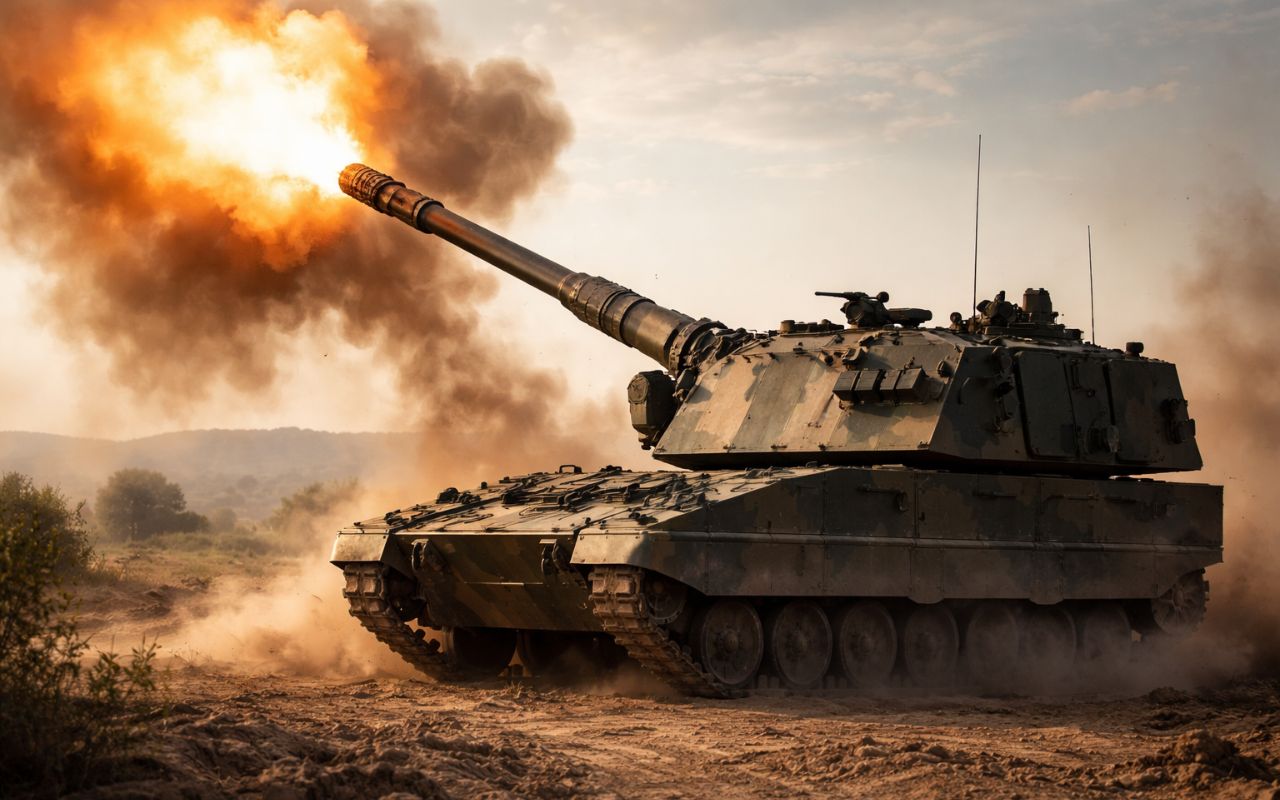
The German “steel monster” weighing 55 tons fires up to 10 projectiles per minute at over 40 km and avoids counterattacks on the battlefield by moving quickly to escape enemy attacks; meet the Panzerhaubitze 2000.
-
USS Gerald R. Ford, the largest aircraft carrier in the world, returns to sea after a fire in the laundry in the Red Sea; repaired in Crete, it resumes missions of Operation Epic Fury against Iran.

-
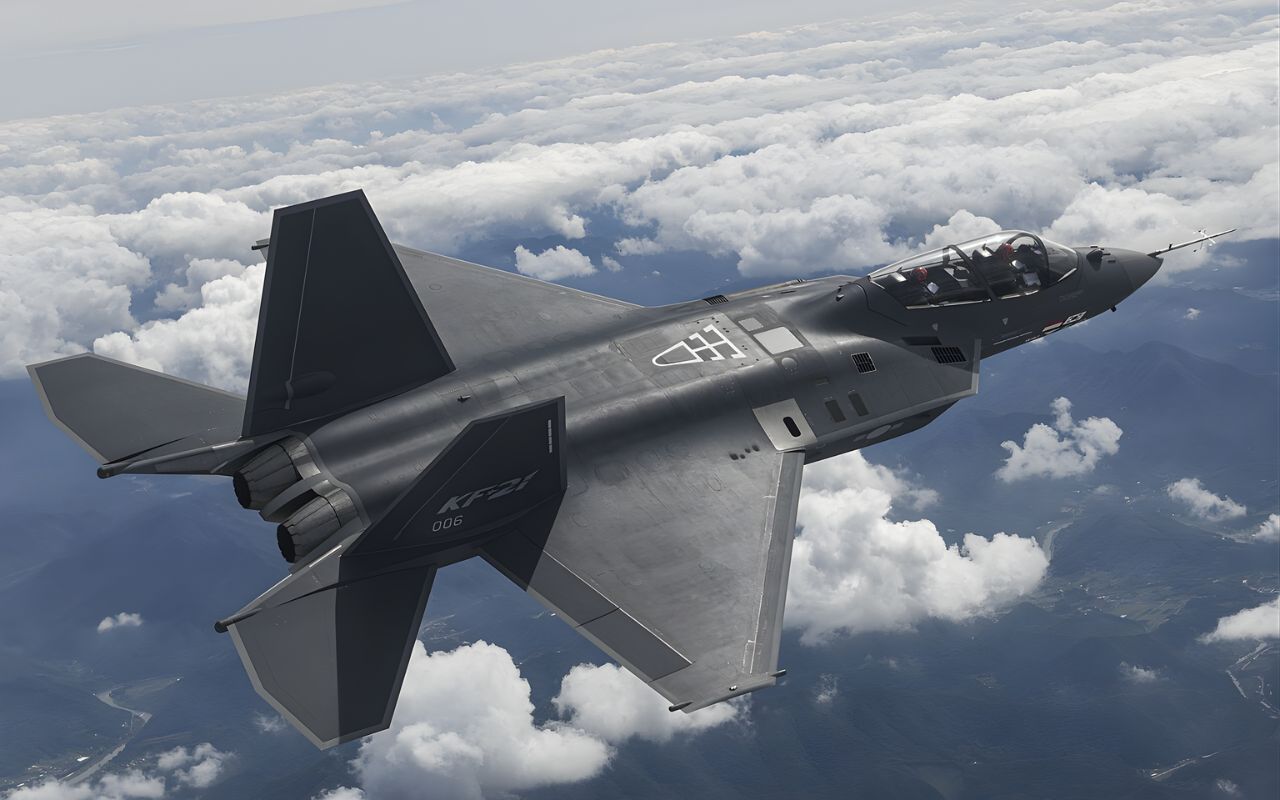
Military power: South Korea’s new KF-21 fighter jet will be a key component in replacing the aging aircraft of the air force, placing the country on the map of air military powers.
-
With 310 meters, 80 thousand tons, and capable of operating for 45 years, the new nuclear aircraft carrier France Libre will be the largest in France and will enter service in 2038.


The Soviet Union, politically led by Nikita Khrushchev and scientifically by teams linked to the state nuclear program, sought not only to catch up with but to surpass the United States in thermonuclear capability. According to historical records from Britannica, the Soviet goal was to develop a compact weapon, transportable by aircraft and with predictable yield, something that previous tests had not yet achieved.
Where the RDS-37 Test Was Conducted
The RDS-37 test was conducted at one of the most emblematic locations in nuclear history:
- Country: Soviet Union (now Kazakhstan)
- Region: Northeast Kazakhstan
- Specific Area: Semipalatinsk Nuclear Polygon
- Nearby Cities: Kurchatov (administrative center of the complex) and Semey
The Semipalatinsk polygon was used between 1949 and 1989 as the primary Soviet nuclear testing ground, accumulating over 450 nuclear explosions, according to data compiled by Rosatom and international academic institutions.
What Was the RDS-37
The RDS-37 was the first Soviet hydrogen bomb based on a two-stage design, a concept known as Teller–Ulam, which combines:
- A primary stage of nuclear fission, responsible for initiating the reaction
- A secondary stage of fusion, where massive energy release occurs
According to the Atomic Archive, this design allowed for a drastic increase in explosive yield without proportionally increasing the size of the artifact, making the weapon viable for actual military use.
Technical Data of the Thermonuclear Test
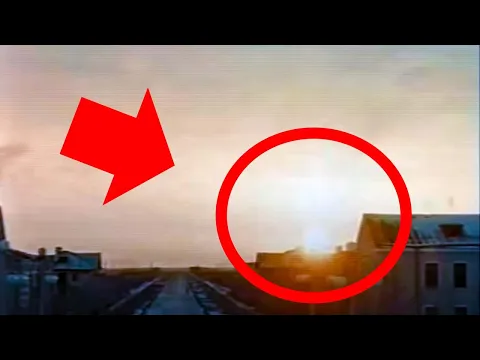
The numbers associated with the RDS-37 demonstrate the magnitude of the technological advance:
- Type of weapon: thermonuclear (fission + fusion)
- Estimated yield: around 1.6 megaton of TNT
- Detonation height: approximately 1,550 meters above ground
- Launch vectors: bomber Tu-16, from the Soviet Air Force
These data are included in historical records analyzed by Rosatom and cited in technical compilations from the Atomic Archive.
Why the Test Was Considered an Operational Milestone
Prior to the RDS-37, the Soviet Union had conducted partial thermonuclear tests, but none had unequivocally demonstrated a reliable, predictable, and scalable system. The RDS-37 changed that scenario.
According to the Encyclopaedia Britannica, the success of the test confirmed that the Soviet design was functional and could be adapted for different yields, paving the way for increasingly powerful weapons.
This point is crucial: the RDS-37 was not the peak of Soviet nuclear power, but rather the technical foundation that made subsequent escalation possible.
Physical and Human Impacts of the Test
Although the test was conducted in a remote area, its effects were significant. Historical reports indicate:
- Shock waves that caused structural damage in nearby villages
- Window breakage and partial collapse of buildings dozens of kilometers away
- Radioactive exposure of civilian populations in the Semey region
These impacts are widely documented in later studies conducted by universities in Kazakhstan and cited in historical reports analyzed by international bodies.
The Direct Link Between the RDS-37 and the Tsar Bomba
The historical importance of the RDS-37 is directly related to what came afterward. According to technical analyses from Rosatom, the principles tested in 1955 were refined over the following decade, allowing for the development of weapons with significantly higher yields.
In 1961, the Soviet Union would detonate the Tsar Bomba, with around 50 megatons, using a thermonuclear concept that was only made possible by the success of the RDS-37 test.
Without the validation of the two-stage design in 1955, the Tsar Bomba would not have been technically viable.
Global Political and Strategic Consequences
The RDS-37 test had an immediate impact on Cold War geopolitics. From that moment on:
- the United States began to treat the USSR as a technological equal in the thermonuclear field
- the arms race entered a phase of exponential escalation
- discussions on arms control began to gain traction in diplomatic forums
Historians cited by the Britannica point out that the confirmation of Soviet thermonuclear capability was one of the factors that later led to the negotiation of nuclear limitation treaties.
The Legacy of Semipalatinsk
Decades after the end of the Soviet Union, the test site remains a symbol of the human and environmental costs of the nuclear age. The Semipalatinsk Polygon was officially closed in 1991, by decision of the independent Kazakh government.
According to data from Rosatom and international health organizations, hundreds of thousands of people were affected directly or indirectly by the tests conducted in the region over four decades.
Why the RDS-37 Is Still Studied Today
The RDS-37 continues to be analyzed by historians, physicists, and strategists for three main reasons:
- Technological Milestone: first truly functional Soviet thermonuclear weapon
- Strategic Turning Point: altered the global balance of power
- Historical Precedent: paved the way for the largest artificial explosion in history
Its study helps to understand not only nuclear engineering but also the political and ethical limits of armed deterrence.
The explosion of the RDS-37, conducted in Semipalatinsk, in Kazakhstan, on November 22, 1955, remains one of the decisive moments of the Cold War. More than just a nuclear test, it marked the definitive entry of the Soviet Union into the era of thermonuclear weapons and redefined the maximum level of destruction that humanity became capable of producing.










-

-

5 pessoas reagiram a isso.