





 Portuguese
  English
  Spanish
  3 min of reading
  6 comments


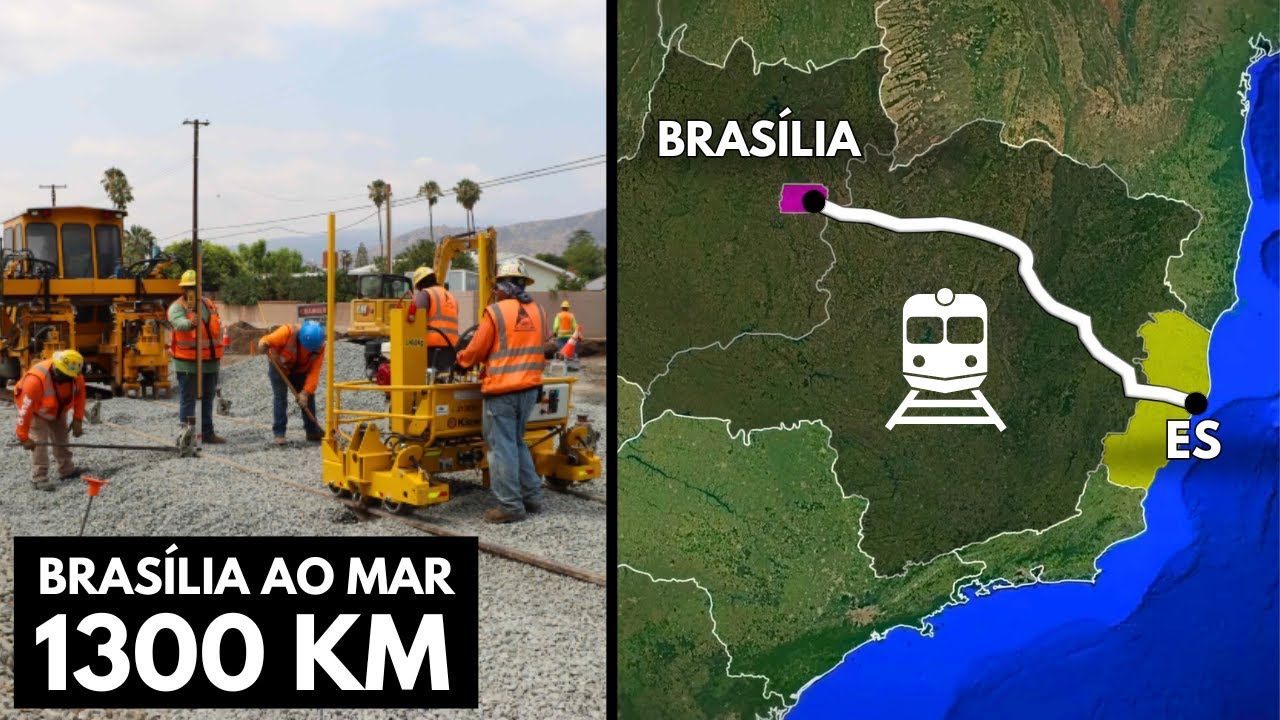


With a Cost of R$ 28 Billion, the New EFJK Railway Connects Brasília to Espírito Santo, Prioritizing Cargo Transportation and Future Passenger Transport.
Brasília was planned to be the center of the country, but historically it remained isolated from the sea. To change this reality and connect the plantations of the Central-West to the coast of Espírito Santo, the project for the new railway emerges, technically named the Juscelino Kubitschek Railroad, or simply EFJK. With a route of 1,300 km, the venture aims to create a direct corridor to transport grains, minerals, and large-scale industrial cargo.
The naming of the new railway carries a dose of historical irony. JK entered the national memory as the president who accelerated the road infrastructure of Brazil. Now, the EFJK emerges almost as a belated course correction, finally promising to deliver Brasília the connection that was missing in the original project. Beyond cargo, the project opens the door to, in the future, transport passengers from the Central Plateau to the Atlantic.
The Route of EFJK and the Connection with Espírito Santo

The new railway is born in the Santa Maria region, in the Federal District, an area with a strong logistics tradition. From there, the route leaves Brasília and heads towards Goiás. This initial stretch will function as a large funnel, capturing cargo currently dispersed across highways and concentrating it into a high-capacity axis towards Espírito Santo.
-
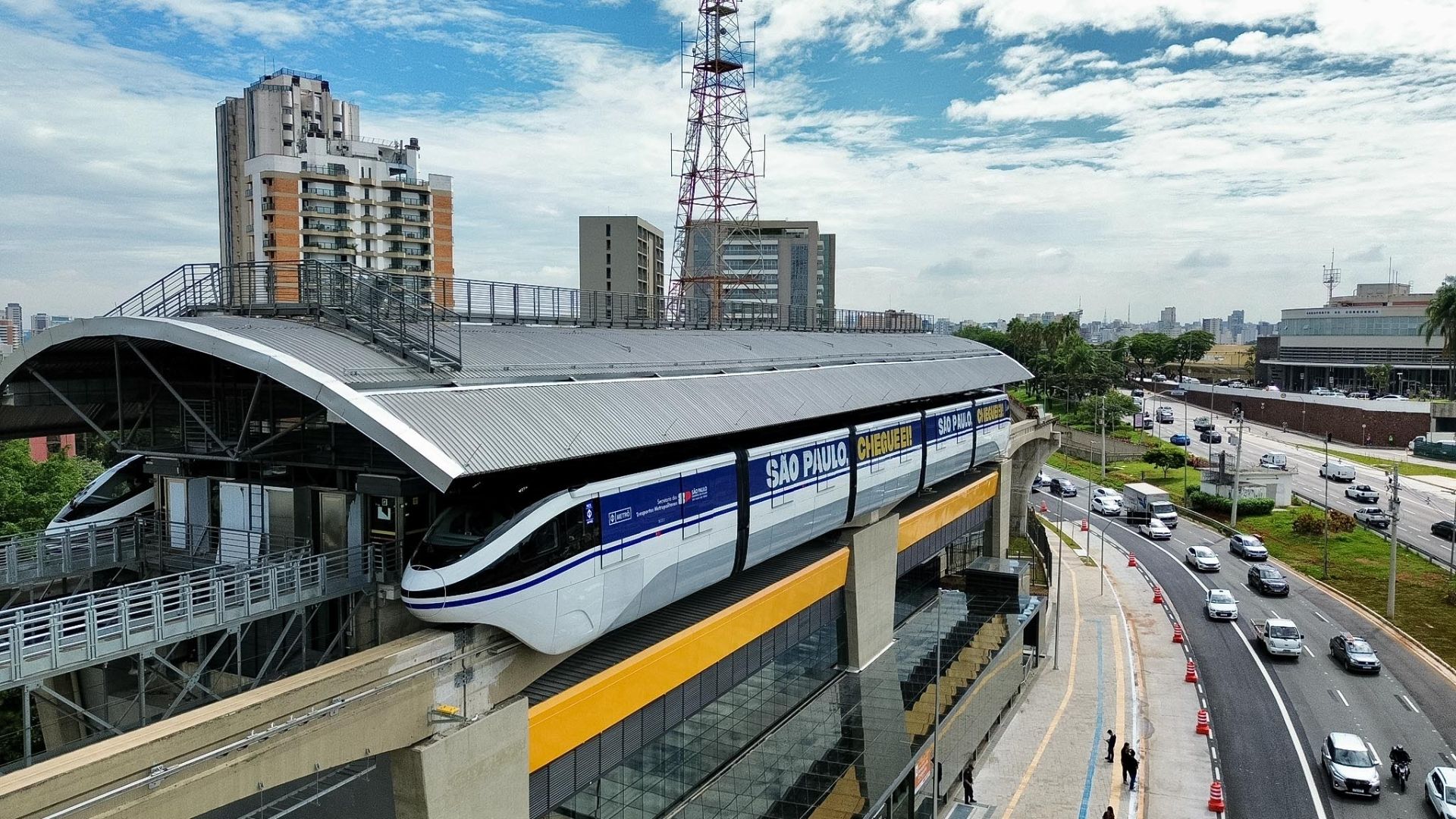
Congonhas receives the monorail promised for the 2014 World Cup after more than a decade of delays and becomes the first airport in Brazil with integrated subway.
-
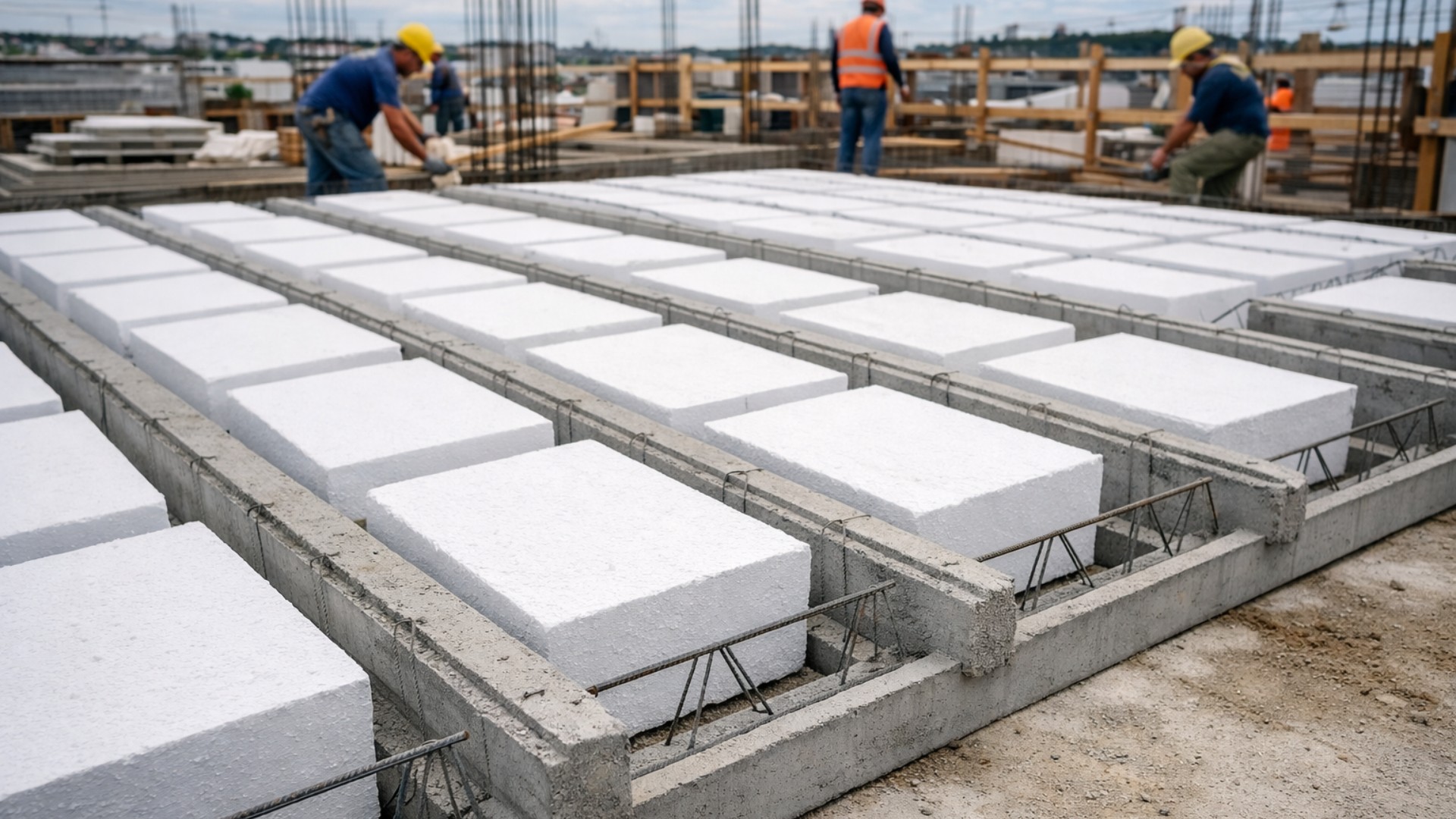
Goodbye, concrete: a new trend in civil construction reduces the weight of the structure by up to 30%, accelerates projects by up to 40%, cuts costs on steel and labor, and improves thermal insulation with EPS.
-
Russian engineers create an innovative propeller blade for aircraft that could completely change the way airplanes and helicopters operate.

-
Couple finishes building PVC chalet on the beach on the last day, with air conditioning and curtains, but discovers the bathroom drain is inverted: water escapes from the drain, risking breaking the floor, and the rush continues before the trip.

Upon crossing the border into Minas Gerais, the line traverses the northwest and north of the state. The engineering of the EFJK takes advantage of natural corridors between mountains to avoid aggressive cuts in the terrain. The goal is to transform municipalities that currently sit on the margins of the main corridors into well-structured boarding points, integrating yards and dry ports that will feed the final flow to Espírito Santo.
Timeline and Investments in the New Railway
The project is part of the Central-East Corridors and is led by Petrocity Railways. Currently, the EFJK is in the environmental analysis phase with Ibama. The company is working with the expectation of starting construction fronts by 2027. For the new railway to be fully operational in 2031, connecting Brasília to the sea, a massive financial effort of R$ 28 billion will be required, covering tracks and the port complex.
Passenger Transport: Dream or Reality?
While the primary revenue comes from heavy cargo freight, the operator admits the possibility of establishing passenger services in the medium term. The idea would be to connect Brasília to the coast of Espírito Santo with a medium-speed train, offering an alternative between the cost of flying and the fatigue of road trips.
However, for tourists to travel as passengers to the beach, economic adjustments will be necessary. The initial priority of the EFJK is to secure freight contracts that will cover the construction costs. The transport of people will depend on strong demand and competitive fares but remains on the radar as a differentiator of this new railway.
And you, would you trade flying or driving for a train trip between the Central Plateau and the beach on this new route?




Demorou!!
A ligação de Brasília ao litoral é uma necessidade histórica.
Miolo de pote!
Com certeza!! Amo viajar de trem!!! Essa é a verdadeira vocação do transporte em nosso país, pena que o poder econômico no Brasil, não valoriza essa opção.