





 Portuguese
  English
  Spanish
  4 min of reading
  0 comments


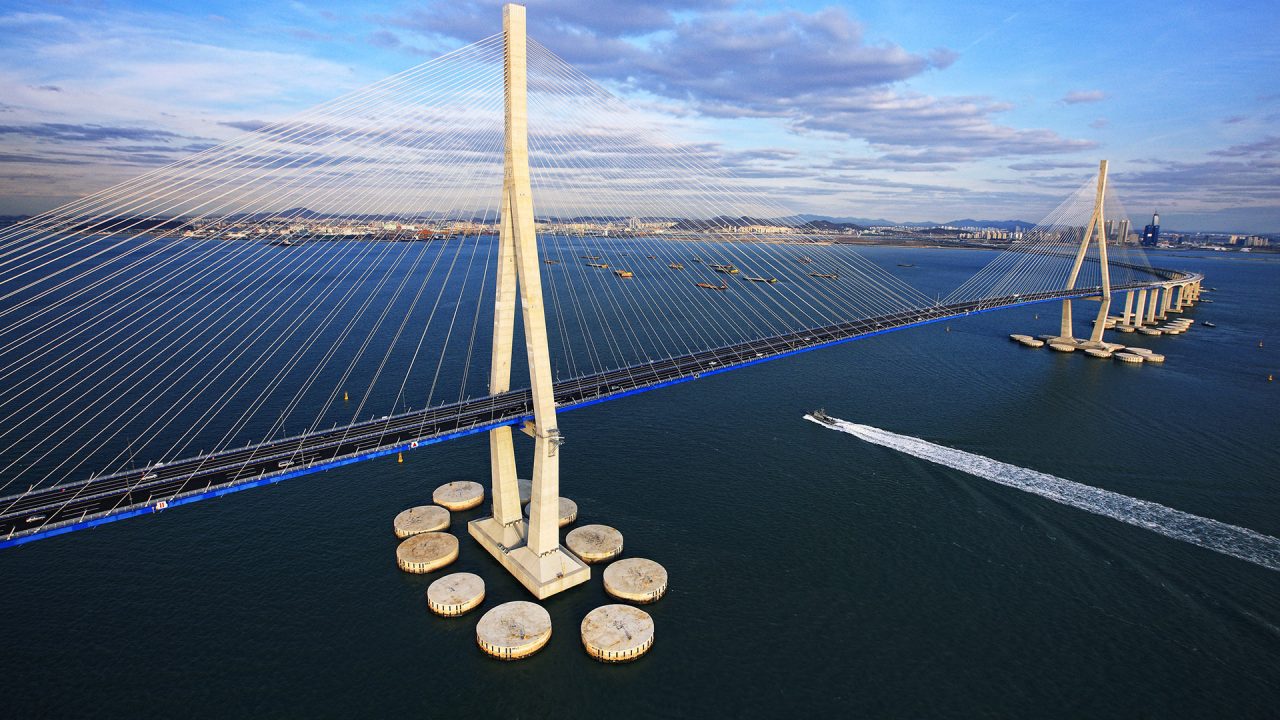
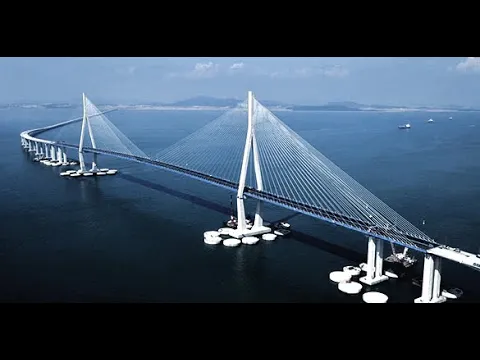
The Incheon Bridge, With 12.3 Km in Length, 230-Meter Pillars and Huge Spans Over the Sea, Connects the International Airport to the Seoul Metropolitan Area and Transformed South Korea’s Road Infrastructure.
The Incheon Bridge is a monumental engineering feat of South Korea that forever changed mobility between the Seoul metropolitan area and the Incheon International Airport, one of the largest transportation hubs in Asia. With a total length of 12.3 km and a main cable-stayed span exceeding 1,480 meters, this bridge is a landmark not only in size but also in geotechnical complexity, structural design, and urban integration.
The Physical Dimension of the Incheon Bridge
The Incheon Bridge stands out for its impressive proportions:
- Total Length: 12.3 km connecting major urban centers along the coastline.
- Main Cable-Stayed Span: about 800 meters, part of a 1,480-meter cable-stayed section.
- Height of Main Pillars: 230.5 meters, corresponding to the height of supertall buildings, designed to support structural loads and severe winds.
- Clear Height Above Water: 74 meters, allowing large vessels to pass under the bridge.
- Deck Width: about 33.4 meters, accommodating six traffic lanes and providing efficient circulation for heavy and light vehicles.
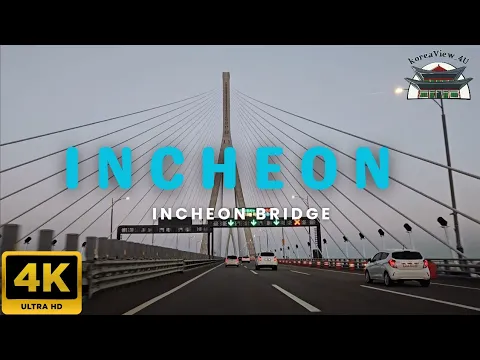

Open-Sea Engineering and Environmental Resistance
Built over the Yellow Sea, the bridge was designed to face extreme challenges: ocean winds, salt corrosion, thermal variations, and moderate seismic activity.
-
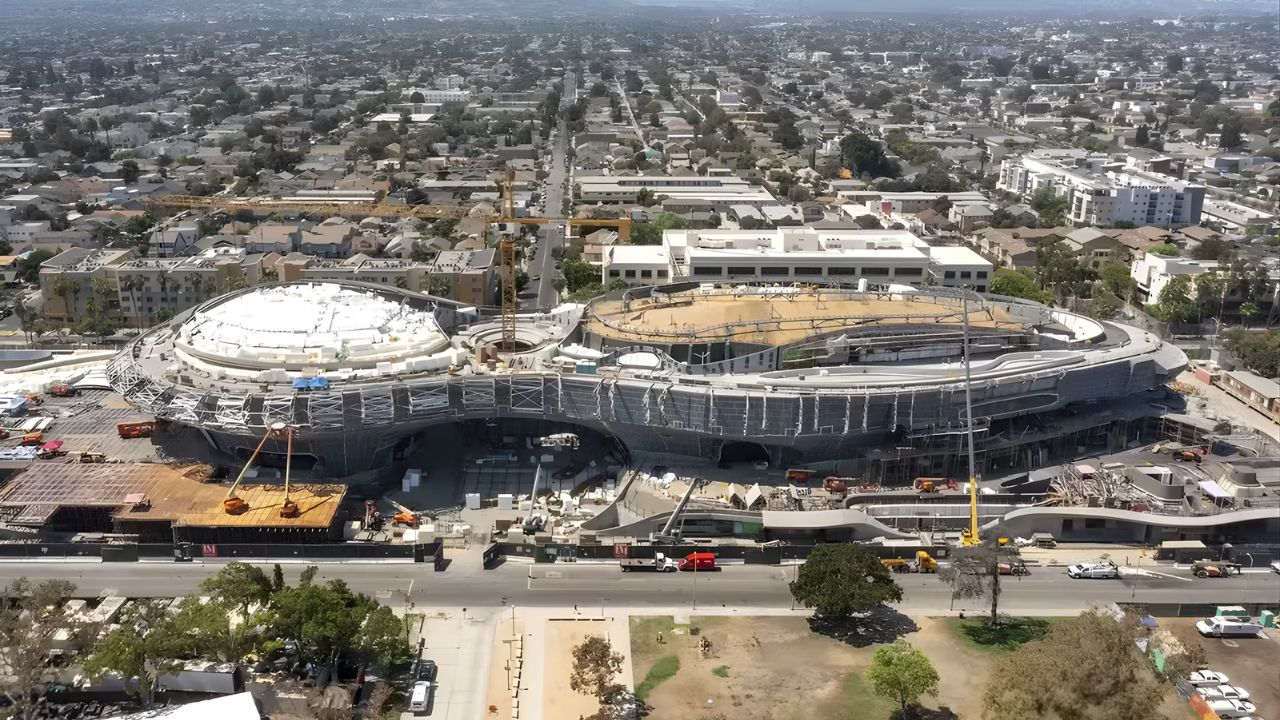
Created by George Lucas with over $1 billion, a futuristic museum in the shape of a spaceship with 1,500 curved panels is about to open in Los Angeles and will house one of the largest private collections of narrative art in the world.
-
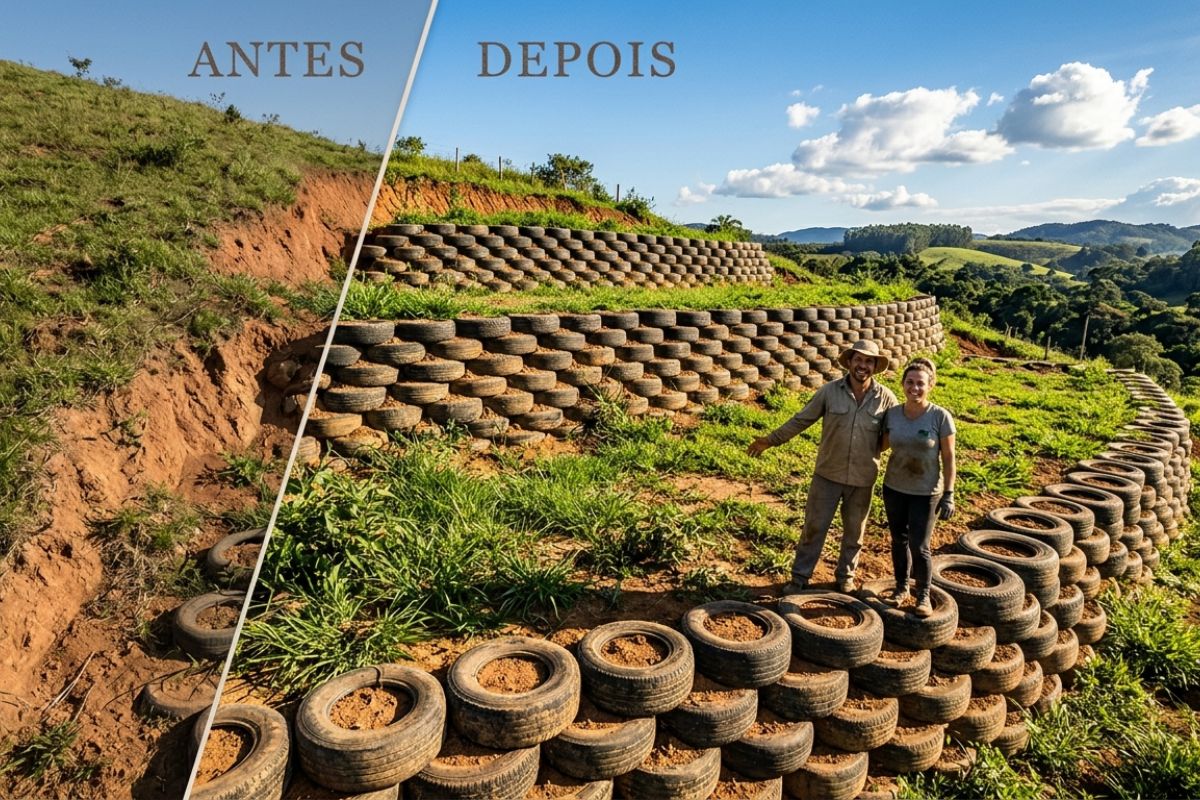
Couple shows how they built a retaining wall on their property using 400 old tires: sloped land turned into plateaus, tires are aligned, filled, and compacted with layers of soil, with grass helping in support and at almost zero cost.
-
Engineer explains drainage during the rainy season: the difference between surface water and deep water, ditches, gutters, and water outlets on the road, as well as drains and drainage mattresses, to prevent erosion, aquaplaning, and flooding at the construction site today.

-
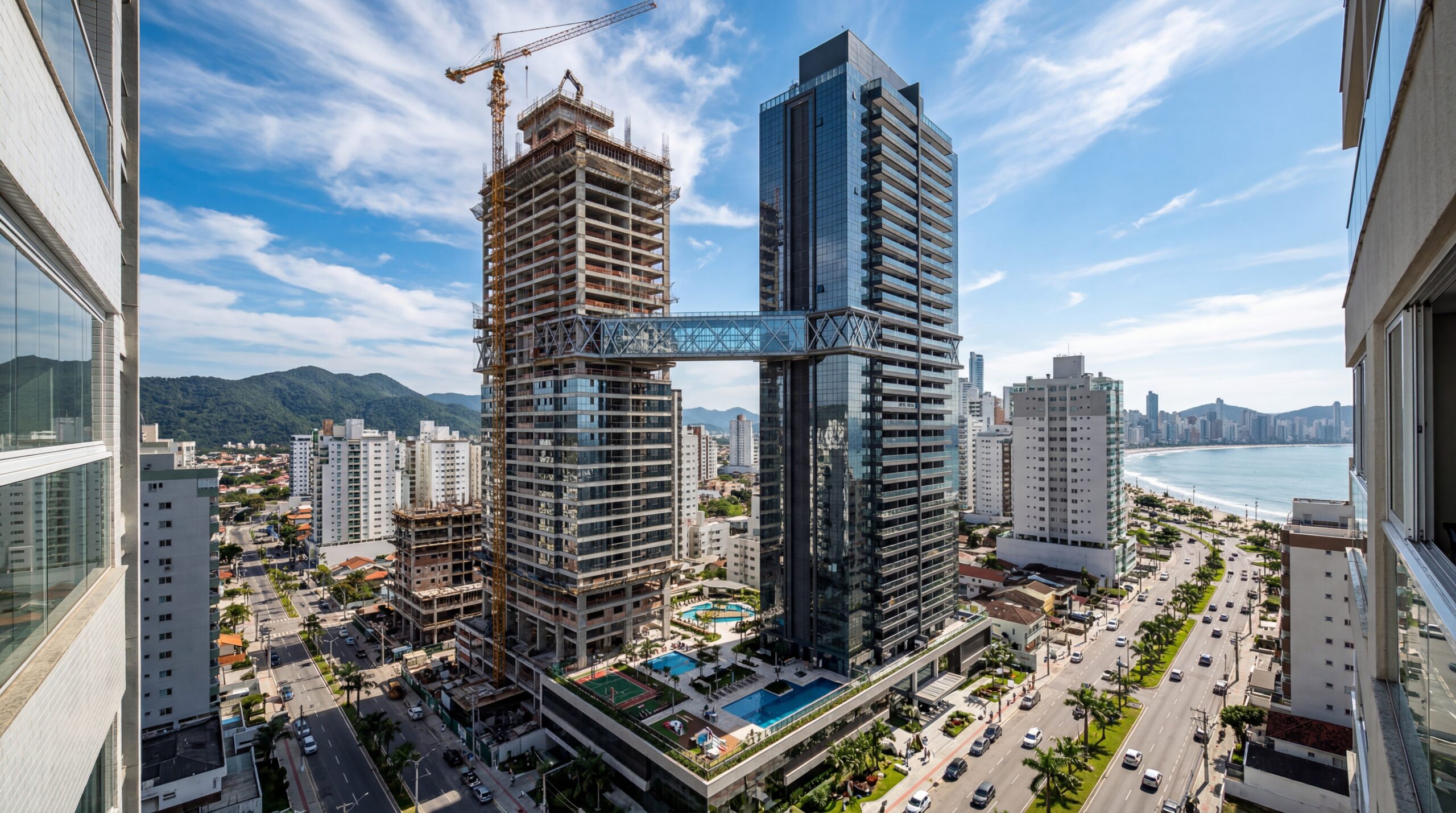
With 55 floors, 177 meters in height, a 15-meter walkway between the twin towers, ventilated facade, and 6,300 m² of leisure space, Ápice Towers already has one tower completed and another nearly at the top.

The choice of a cable-stayed design allowed for balancing structural efficiency with load capacity, using tensioned steel cables that distribute forces along the masts.
The “upside-down Y” shaped pillars are not only aesthetic: they were designed to minimize wind-induced vibrations and reduce stress on the cables’ anchorage, allowing the bridge to behave stably even in storms.
Logistical Function and Urban Impact
Before the construction of the Incheon Bridge, the road access between the mainland and the island of Yeongjong, where the airport is located, relied on outdated infrastructure and slower routes. With the new bridge:
- Travel time between Songdo (planned urban and commercial center) and the airport decreased from about one hour to about 15 minutes.
- The bridge has become a vital part of the Incheon International Airport Expressway, connecting the capital Seoul to the global passenger and cargo aerodrome.
- It is estimated that tens of thousands of vehicles use the bridge daily, facilitating the transport of people, goods, and international connections.
Cost, Partnerships, and Investment Model
The construction was a significant example of public-private partnership:
- The project received investment from both the private sector and the South Korean government, financed through structured concessions for operation over decades.
- The total construction cost exceeded 1.4 billion dollars, with complex financing involving foreign participation and long-term financial models.
These financing mechanisms and concessions made the project a case study in civil engineering and infrastructure economics, especially for high-traffic airport connections linked to urban networks.
Advanced Technical Aspects
Beyond the raw numbers of length and height, the Incheon Bridge incorporated a range of advanced technical solutions:
- Modular Expansion Joints that allow for extensive thermal movement and reduced maintenance.
- Composite Steel and Concrete Deck, optimizing weight and durability to withstand the marine environment.
- Bored Pile Foundation of up to 3 m in Diameter, ensuring deep load transfer and stability over coastal terrains.
History and Timeline
- Start of Construction: July 2005.
- Completion and Inauguration: October 2009, exactly on schedule.
- Operation: The bridge has been in permanent use since then and is one of the main accesses to the airport and the metropolitan area.
Safety and Structural Resistance
The design also had to consider natural risks:
- Wind Tunnel Testing ensured that the structure could withstand winds of up to 230 km/h.
- The seismic design of the substructure was calibrated to withstand significant magnitude earthquakes, a necessity in the Korean Peninsula.
- Concrete with enhanced coverage was used to minimize corrosion of cables and metal elements due to marine salinity.
Legacy and Global Context
The Incheon Bridge is not just a national project: it ranks among the largest cable-stayed bridges in the world by total length and by span proportions. While other structures may have larger main spans, few projects combine a continuous length of over 12 km with modern urban integration, oceanic resistance, and intense logistical flow.
The Incheon Bridge is a classic example of how modern engineering transforms natural challenges — such as open seas, severe winds, and the need for high logistical capacity — into works that not only connect cities but also redefine how entire regions move, grow, and develop.
With public data, giant numbers, and economic impact, it deserves a place among the largest civil infrastructure constructions of the 21st century.









-

-

-

-

-

-

57 pessoas reagiram a isso.