





 Portuguese
  English
  Spanish
  5 min of reading
  1 comment


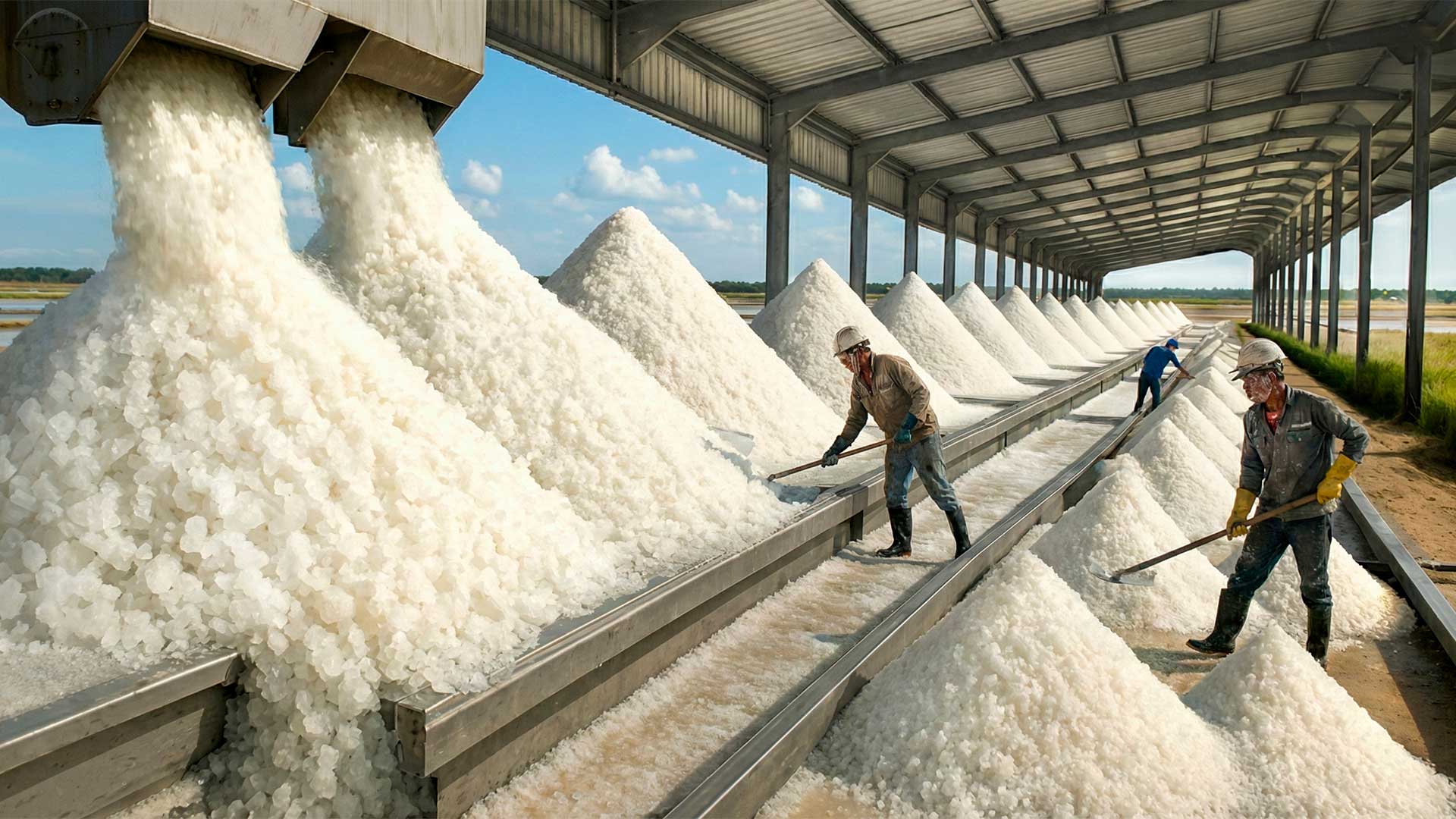


Between Coastal Salt Flats and Automated Factories, Salt Takes a Long Journey to Become Spice and Industrial Input on a Global Scale
The global salt production hovers around hundreds of millions of tons per year and varies depending on the counting methodology. According to the USGS, the estimated global production total in 2023 was around 270 million tons.
Behind these numbers lies a chain that mixes nature and industry. Salt can come from solar evaporation ponds, rock mining, and brines, but sea salt stands out for relying on a simple and relentless “engine,” sun and wind.
In practice, the route of sea salt begins with ocean water and ends in standardized grains, often involving stages of washing, drying, sieving, and grading to meet food and industrial use requirements.
-
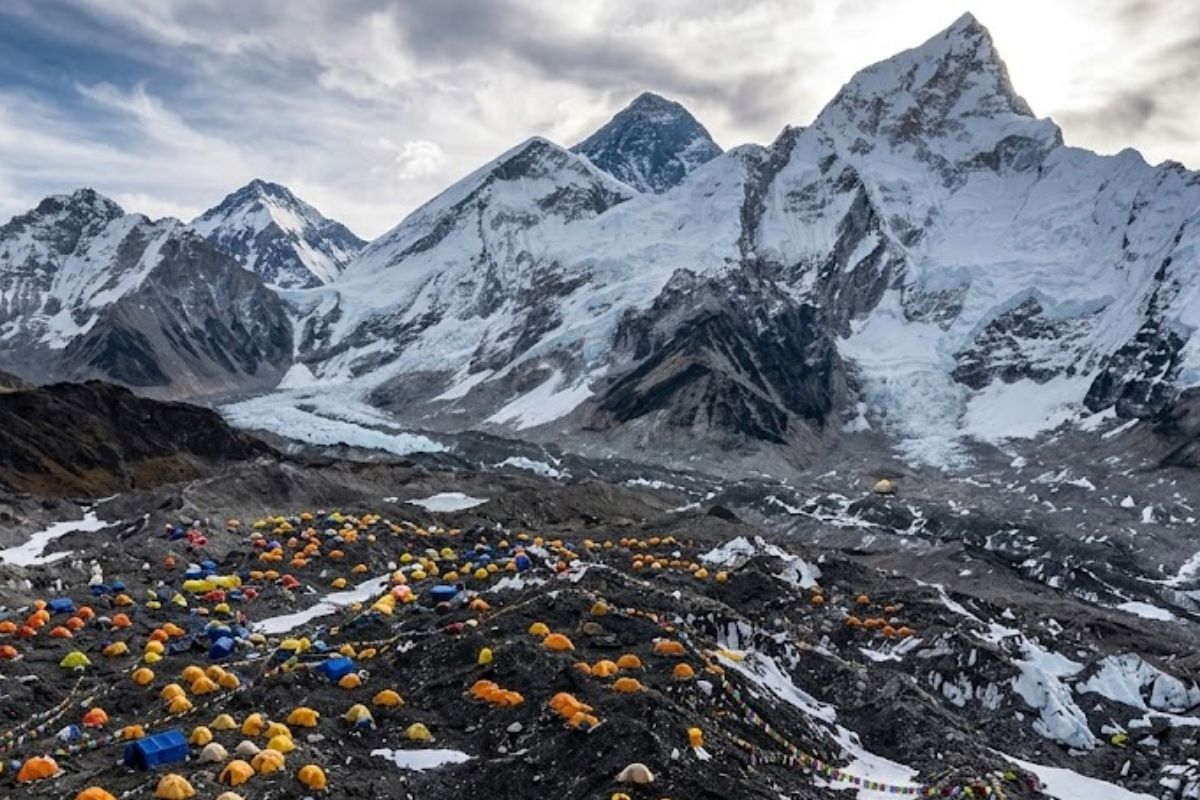
Tourists on Everest were poisoned by guides who mixed substances in food to provoke false symptoms of altitude sickness while helicopter operators and hospitals charged inflated rescue fees to insurance companies.
-
Few people know this, but Neil Armstrong, one of the most famous NASA astronauts in history, survived the Korean War after jumping from the plane during his seventh combat mission aboard the USS Essex aircraft carrier of the United States.

-
Diving with a camera in Lake Furnas reveals a submerged city with an entire street, almost intact houses, a preserved bridge, a wood stove, a Kombi, and even a bus at the bottom of the largest lake in the Southeast.

-
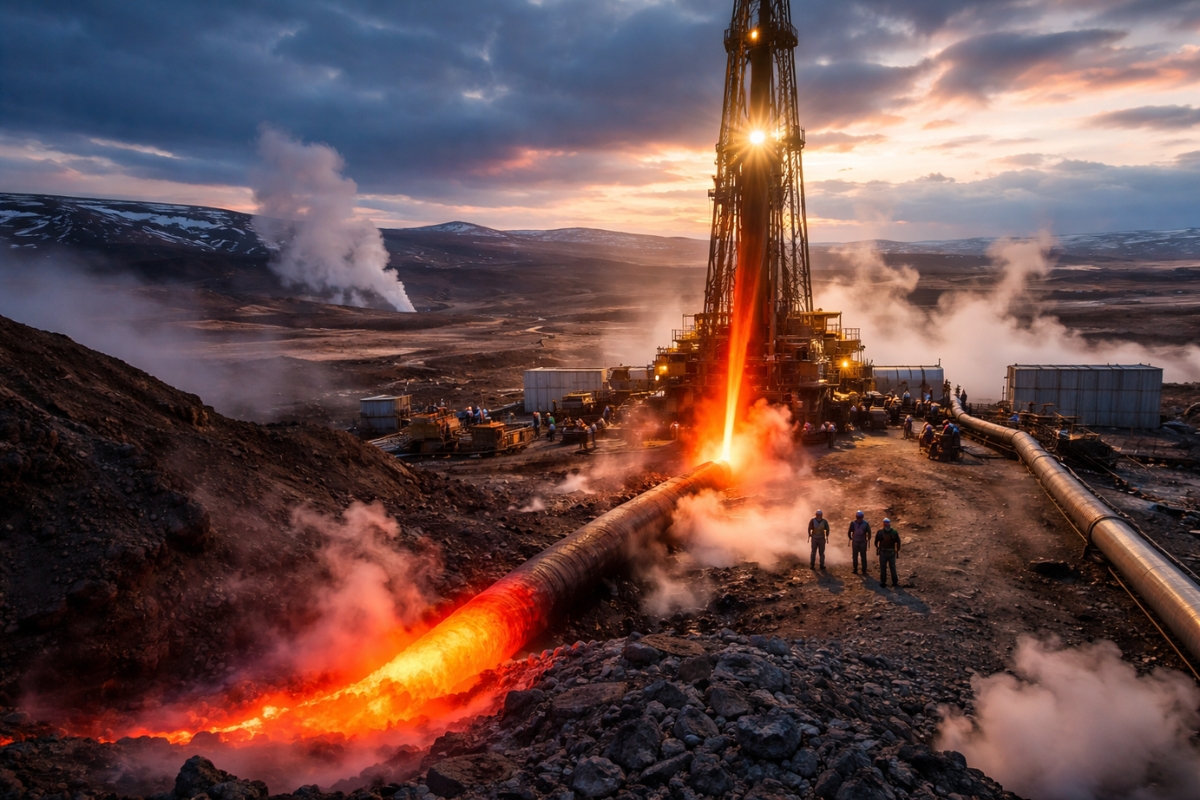
Iceland accidentally drilled into a magma pocket at 2,100 meters and revealed that the extreme heat beneath the crust could pave the way for a new source of continuous energy.

Global Salt Production and Why It Goes Far Beyond the Salt Shaker; Watch the Video

Although consumers initially think of cooking, most of the salt becomes input for a production chain. In the United States, for example, the USGS indicates that the use of salt is strongly driven by road deicing and the chemical industry, particularly in the production of chlorine and caustic soda.
This helps explain why large volumes go to heavy logistics, storage, and quality standardization. In mature markets, “table salt” is just a fraction of a sector that supplies everything from treated water to industrial processes.
There is also a clear geography of production. The USGS lists China as the main producer estimated in 2023, followed by countries like the United States and India, reinforcing the idea of a basic yet strategic product for industrial economies and infrastructure.
Sea Salt Production in Salt Flats and How Ocean Water Becomes Crystals
The starting point is the collection of seawater and its transport to shallow areas, either natural or constructed, where evaporation concentrates the salts. According to EUsalt, it is one of the oldest processes, based on open ponds that use sun and wind to bring brine to saturation point.
Next, series of tanks come into play. Modern systems operate with evaporation and crystallization ponds separated, improving predictability and quality, while traditional operations rely more on the judgment and experience of the workers on site.
Throughout the cycle, impurities and particles can be controlled through decantation and managing the flow between tanks. Technical studies on salt flats highlight that the salinity gradient along the ponds influences the process and even the biological dynamics of these environments.
When the brine reaches saturation, crystallization occurs in dedicated tanks. EUsalt describes that crystallization takes place in specific open ponds and, after the crust forms, the excess water is removed before harvesting.
This is where salt takes physical form on a large scale, with manual harvesting in some regions and mechanization in others. The visual result, white mounds and rows of crystals, often conceals what lies behind, weeks of tank preparation, flow control, and evaporation time.
Refining Salt, Drying, and Packaging When the Factory Comes into Play
Once collected, raw salt can either go directly for less demanding uses or undergo processing. EUsalt points out that, as needed, salt can be washed, dried, sieved, and graded, typical steps to increase purity and uniformity of the grain.
This refining is relevant because “salt” is not a single product. Depending on the destination, it changes grain size, moisture, presence of anti-caking additives, and the standard of impurities allowed, especially in industrial and food applications.
In the case of human consumption, one step that may enter the line is iodization. The WHO describes salt iodization as a central strategy to address iodine deficiency disorders, and UNICEF records widespread adoption of fortification policies worldwide, making salt a recurring vehicle for public health.
Salt Mining and Industrial Brine and Why Not All Salt Comes from the Sea
Global production does not rely solely on salt flats. The USGS emphasizes that continental resources are vast, with deposits and operations of various sizes in practically every country and also notes that the ocean contains a virtually inexhaustible supply of salts.
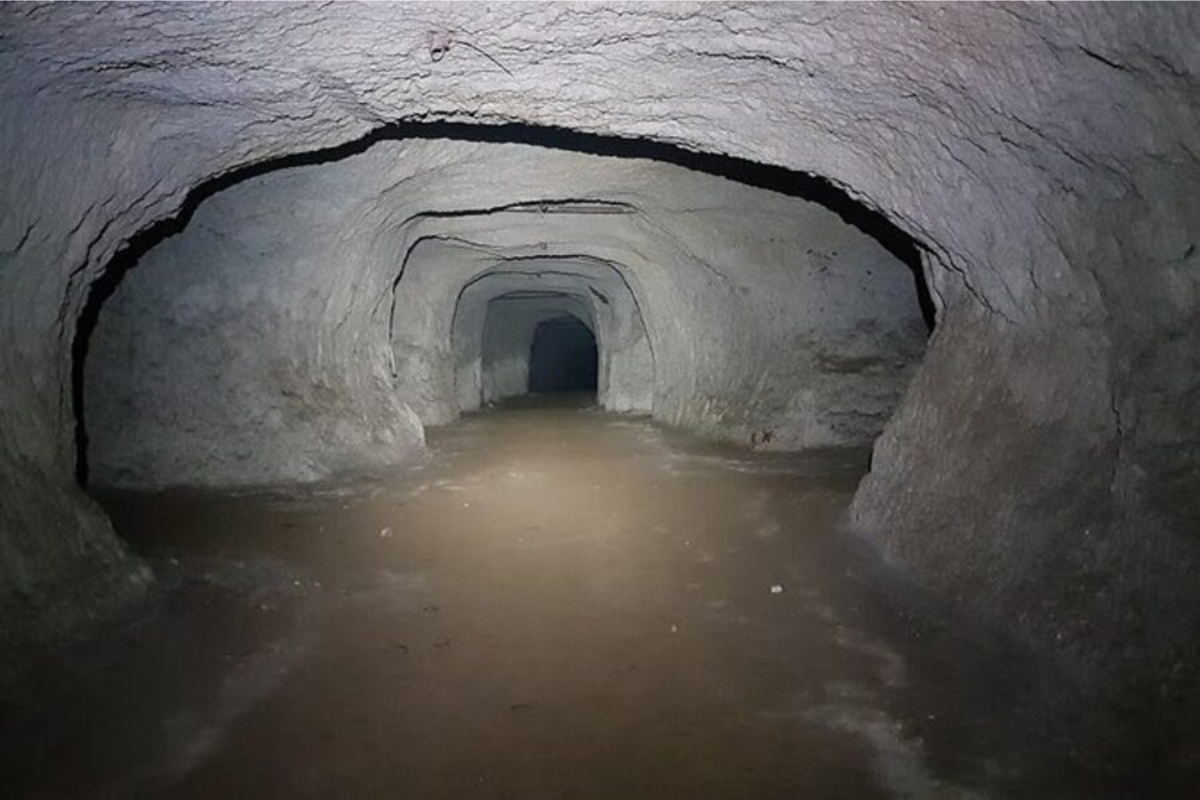
In practice, this means multiple routes. Where the climate does not favor solar evaporation or where industry demands continuous volumes, mining and production from brines come into play, expanding supply and reducing dependency on seasonality.
Ocean Salinity, Environmental Impact, and the Question That Always Arises
A common question is whether removing so much salt “makes the sea less salty.” The answer hinges on the scale of the ocean, as ocean water has, on average, about 35 grams of dissolved salts per liter, with variations by region, indicating a gigantic reservoir in absolute terms.
The environmental debate, however, tends to focus on local impacts. Scientific articles on salt harvesting discuss effects on ecosystems and management because the most relevant changes tend to occur in salt flat areas, lagoons, and coastal zones where there is direct intervention.
At the same time, salt flats can have their own ecological dynamics and even function as support areas for birds and other organisms, depending on how they are operated. Therefore, when discussing commercial sea salt production, the most sensitive issue tends to be local territorial and environmental management, not the average salinity of the ocean.
In the end, there remains a curious contradiction. Salt is essential for infrastructure and industry, but the process that delivers it is one of the most aggressive on machines and metal structures, accelerating corrosion and demanding constant maintenance in the factories themselves.
And you, do you think the world should prioritize more solar evaporation salt or expand industrial mines and brines? Leave your comment and tell us which model seems more sustainable and why.






A cidade portuguesa e divisa com o sul da Espanha, nomeadamente Vila Real de Santo Antonio, situada na região do Algarve no sul de Portugal produz o melhor sal de qualidade do mundo, não muito longe, a cidade portuguesa na mesma região, nomeadamente Olhão, situada na região do Algarve (sul de Portugal) na região metropolitana da cidade de Faro, capital da região do Algarve (sul de Portugal) é a cidade que mais produz sal em Portugal, ou seja, é a cidade do sal, fornece para todo país português e importa sal para outros países da europa e Asia. Fica a dica!