





 Portuguese
  English
  Spanish
  4 min of reading
  14 comments




Revealed in 2019, the Chinese Missile DF-17 Combines Range of Up to 2,500 km with Maneuverable Hypersonic Glider and Exposed Unprecedented Limits of Global Anti-Missile Systems.
The military parade on October 1, 2019, which marked the 70th anniversary of the People’s Republic of China, was not just a symbolic event. Among tanks, mechanized columns, and aircraft, one system, in particular, caught the attention of military analysts worldwide: the DF-17 missile. For the first time, a power publicly presented a medium-range ballistic missile equipped with a hypersonic glider capable of maneuvering in flight, in real operational conditions. This was not a concept, prototype, or future promise. It was a system ready for use.
From that moment on, the hypersonic race ceased to be a theoretical debate and became a concrete strategic problem for major powers.
What Is the DF-17 and Why Is It Different
The DF-17 is a medium-range ballistic missile developed by China to launch a hypersonic glide vehicle, known as a HGV (Hypersonic Glide Vehicle).
-
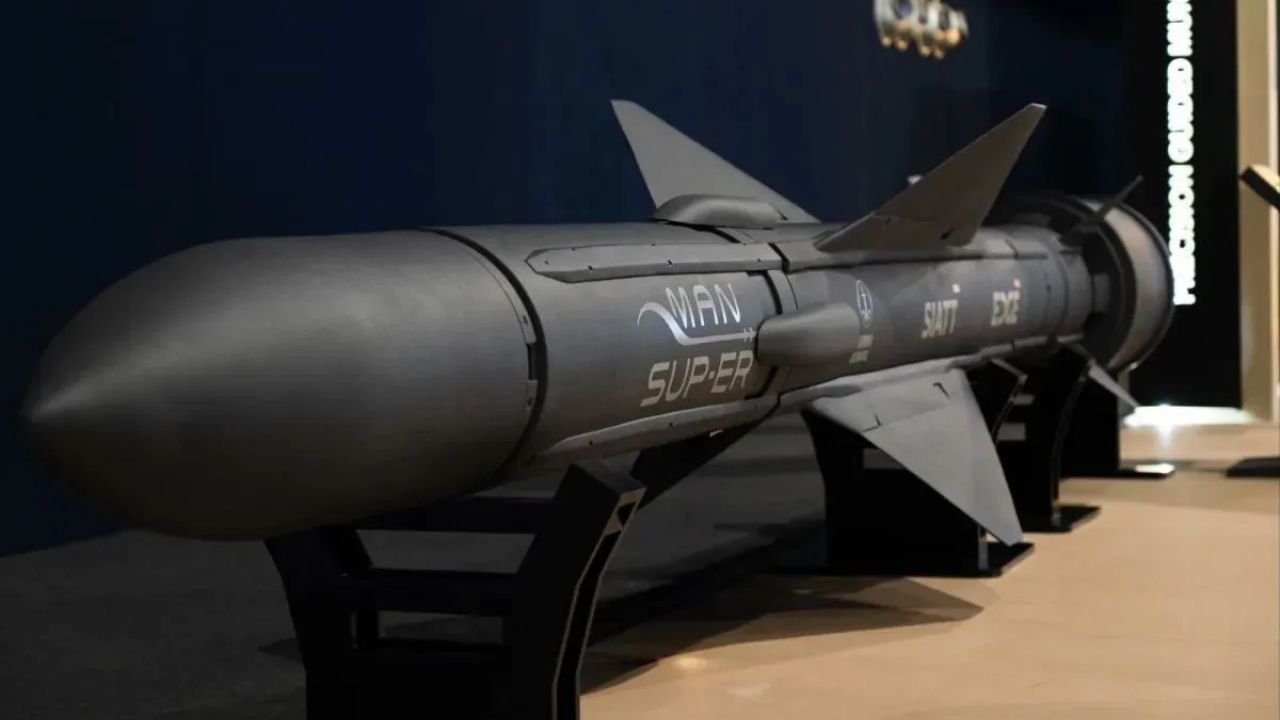
Brazil accelerates the evolution of the MANSUP missile, designing an air-surface version with a range exceeding 200 km, advanced guidance, and precision strike capability against land and naval targets, paving the way for a new generation of national armaments with global potential.
-
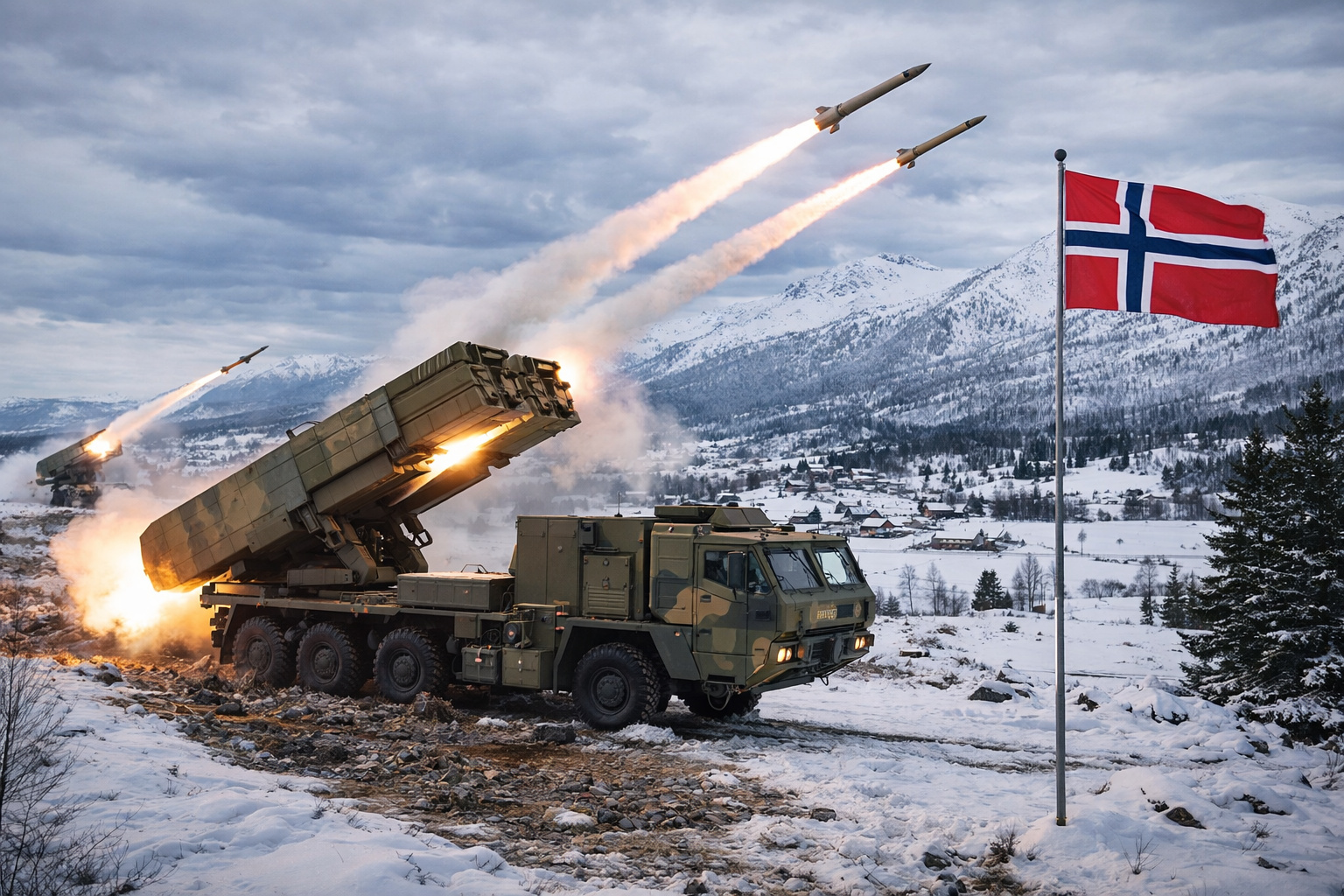
South Korea signs a $922 million deal with Norway, bringing Chunmoo launchers capable of firing guided missiles up to 290 km with an accuracy of 15 meters to Europe and turning the system into a key component of the new global race for precision artillery.
-
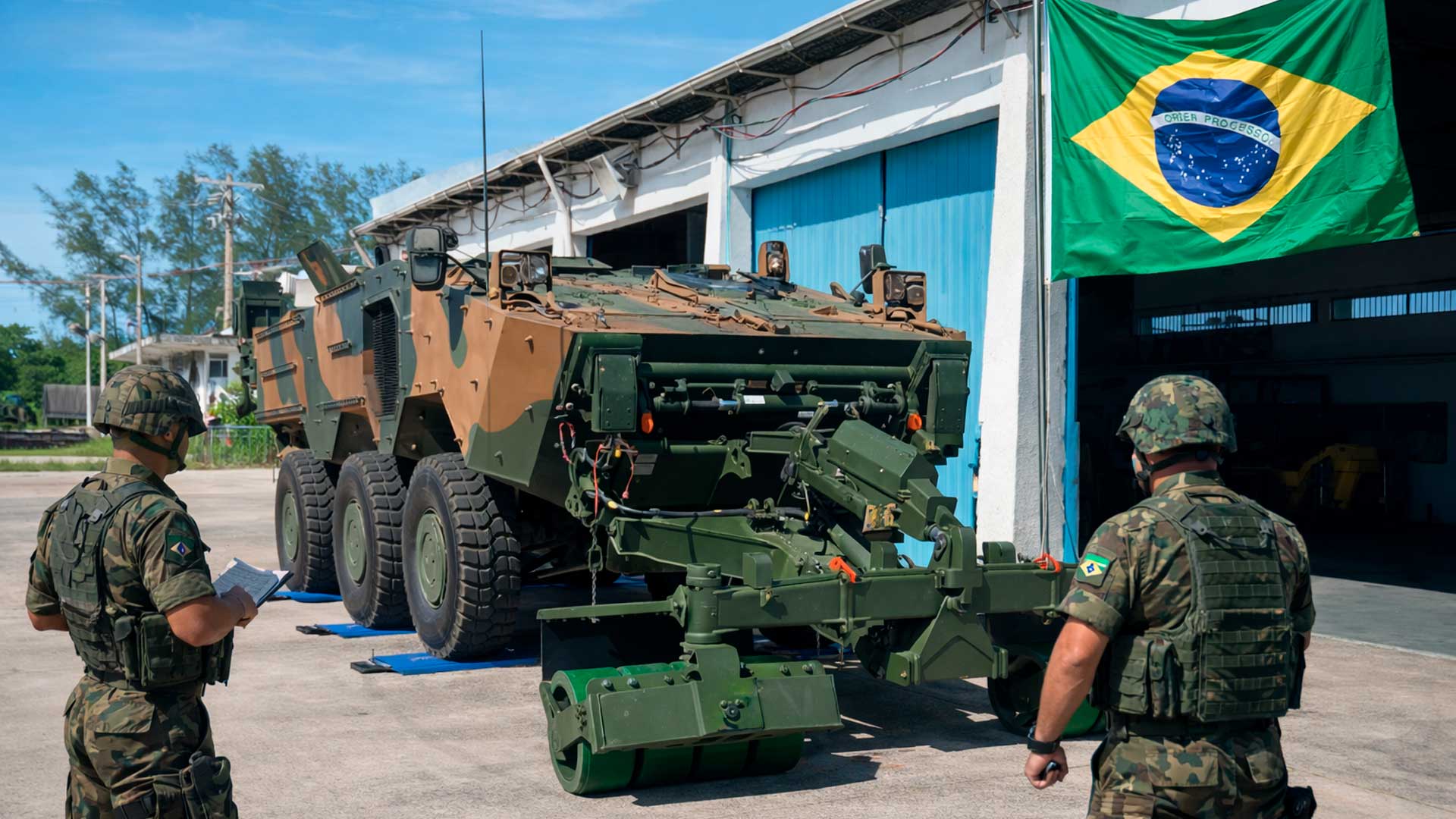
Brazil advances with decisive tests until June, the 6×6 Guarani armored vehicle with engineering equipment enters the most important phase and can enhance the operational capability of the Army.
-
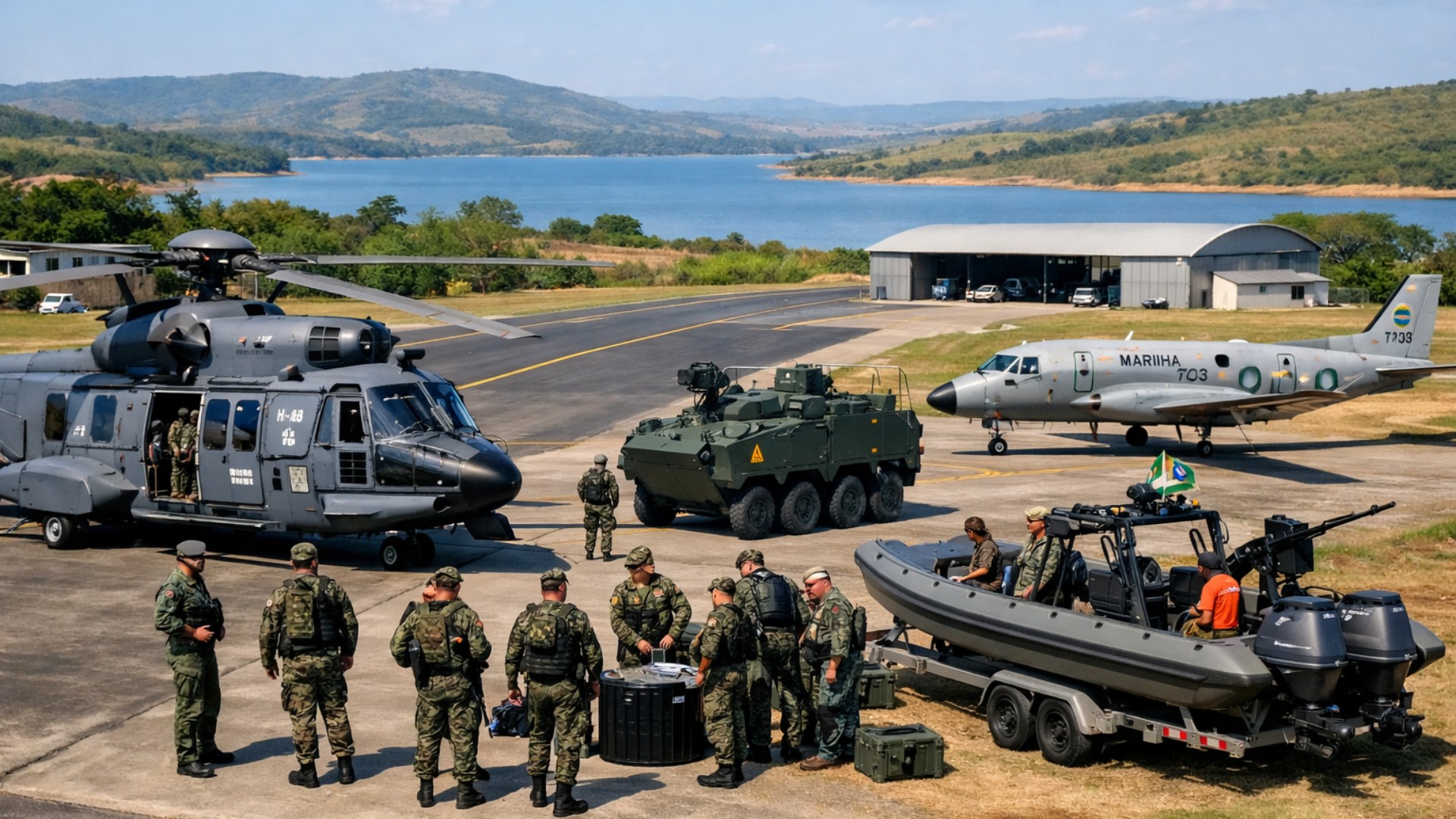
Furnas Airport is handed over to the Navy and becomes a strategic base with complete military operations, attack drones, and international mobilization at Furnas Lake.

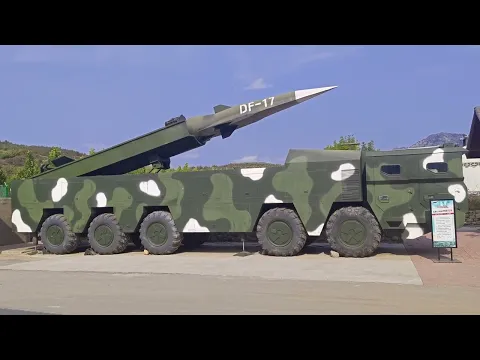

Unlike a traditional ballistic missile, which follows a predictable trajectory after launch, the DF-17 releases the glider during the intermediate phase of flight. From there, the HGV glides in the upper atmosphere at speeds exceeding Mach 5, performing lateral and vertical maneuvers.
This combination completely alters the paradigm of anti-missile defense. Systems designed to intercept predictable ballistic targets must now deal with an extremely fast object, with a variable trajectory and a much lower flight profile than that of a conventional ballistic missile.
Real Range and Operational Envelope of the DF-17
Widely accepted estimates by strategic study centers and intelligence services indicate that the DF-17 has a range of between 1,800 and 2,500 kilometers, depending on the payload and flight profile chosen. This range positions the system as an ideal weapon for the Indo-Pacific regional theater, covering strategic targets such as military bases, ports, logistics centers, and naval groupings.
The speed of the hypersonic glider exceeds Mach 5, potentially reaching even higher values in certain segments of the flight. More important than the maximum speed is the ability to maintain extreme speeds while maneuvering, something that drastically reduces the reaction time for adversarial defensive systems.
The Hypersonic Glider and the Collapse of Predictability
The significant game-changer of the DF-17 is not just speed, but the break in predictability. Modern anti-missile systems rely on pre-calculated trajectory models to guide radars, sensors, and interceptors.
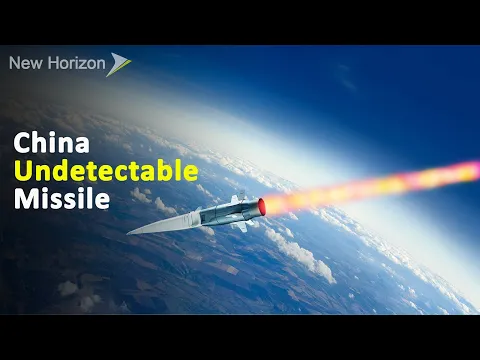
The hypersonic glider of the DF-17, flying at intermediate altitudes and performing continuous maneuvers, makes early detection difficult and virtually eliminates interception solutions based on classical ballistic trajectories.
Moreover, flying lower reduces the horizon of ground-based radars, further compressing the available time for defensive response. In real scenarios, this means precious seconds less to identify, classify, and attempt to neutralize the threat.
Operational Status and Military Integration
Unlike many hypersonic projects announced by other powers, the DF-17 did not remain in experimental phase for years after its revelation. Independent assessments indicate that the system achieved initial operational capability between 2019 and 2020, integrating into units of the People’s Liberation Army Rocket Force.
The missile was designed for conventional use, focusing on precision strikes against high-value strategic targets.
Although there is debate about possible future capabilities, there is no public evidence that the DF-17 is currently configured for nuclear warheads, reinforcing its role as a regional deterrent and area denial instrument.
Global Impact and Reaction of Western Powers
The entry of the DF-17 into active service triggered an immediate shift in the strategic discourse of the United States and its allies. Western hypersonic programs, which were advancing more cautiously, became a top priority.
The focus shifted from merely developing equivalent weapons to creating space-based sensors, advanced radars, and new defense architectures capable of dealing with maneuverable hypersonic threats.
In practice, the DF-17 demonstrated that the era of superiority based solely on conventional anti-missile systems had reached its limit. The notion of invulnerability offered by ballistic shields began to be questioned in concrete terms.
Why the DF-17 Changed the Balance of Modern War
The DF-17 is not just another missile. It represents the transition between two eras of missile warfare: the era of ballistic predictability and the era of hypersonic maneuverability. By combining significant regional range, extreme speed, and unpredictable trajectory, the system imposed a new risk calculation on any power operating near Chinese territory.

More than an isolated technological leap, the DF-17 became the starting point of a global strategic transformation. Since its entry into service, no major power can ignore the reality of operational hypersonic weapons.
The military balance has shifted from relying solely on the quantity of missiles or interceptors to being centered on sensors, reaction time, and the ability to adapt to an increasingly fast-paced and complex combat environment.








De que material está hecho??? Planeo hipersonico… ****ánto combustible lleva… Que mamada o se funde o es gigantesco o se queda sin combustible… Realmente ruzarines
Este misil deja en claro el desarrollo armamentistico de China
El problema de China es que todo lo que construye es tapa amarilla quedaron expuesto con la extracción de USA de el Dictador maduro en Venezuela…chatarra de fachada de papel….