





 Portuguese
  English
  Spanish
  5 min of reading
  0 comments


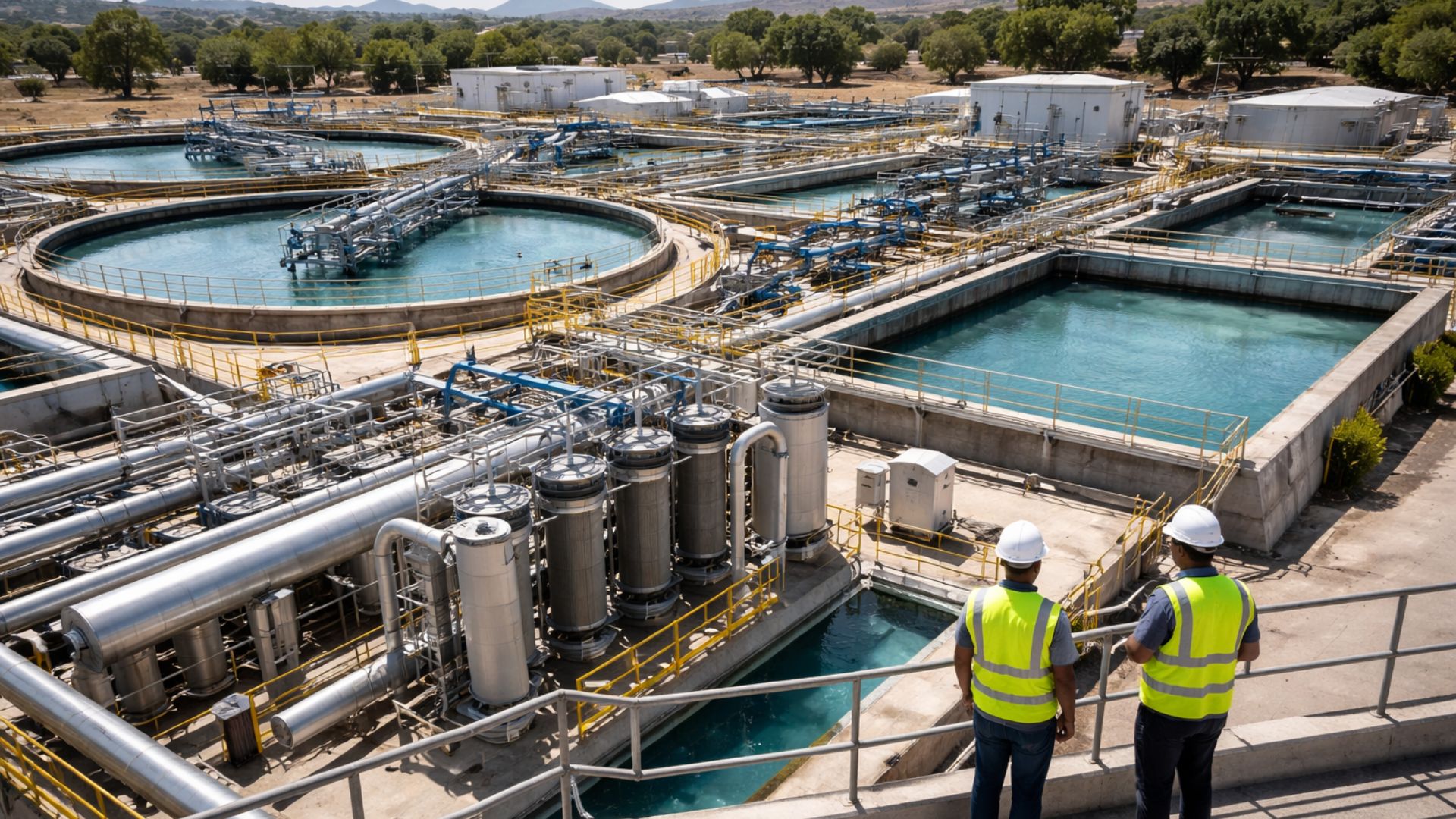
Pioneering Direct Potable Reuse System in Windhoek Combines Advanced Treatment, Multiple Barriers, and Continuous Monitoring to Transform Urban Effluent into Water Suitable for Consumption on a Daily Scale, Within a Supply Model Used for Decades.
Windhoek, the capital of Namibia, has operated one of the most cited examples of direct potable reuse in the world for decades: a plant that treats and transforms domestic effluent into water suitable for human consumption and returns it to the supply system.
The project’s operator, the Windhoek Goreangab Operating Company (WINGOC), reports that the unit produces 21,000 cubic meters of potable water per day, an amount equivalent to 21 million liters daily.
However, the history of the system predates the current plant: Windhoek put its first direct reuse facility into operation in 1968, in a context of scarcity and pressure on local water sources.
-
What if the Sun disappeared suddenly? Simulation shows Earth in darkness within minutes, extreme cold, and rapid collapse of life on the planet.

-
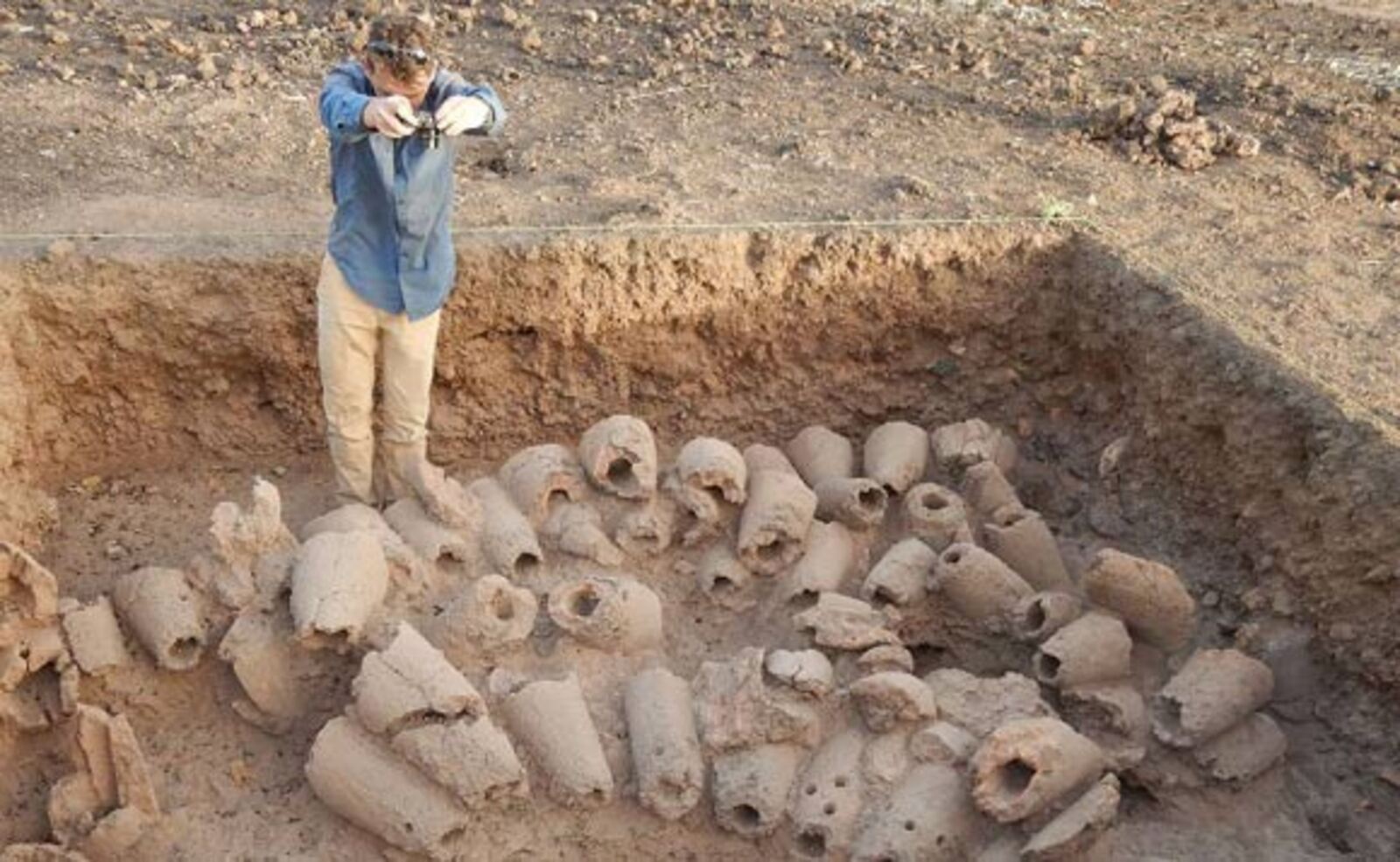
A 2,400-year-old iron foundry has been discovered in Senegal with 100 tons of slag, 35 furnace bases, and signs of nearly eight centuries of continuous metallurgical activity.
-
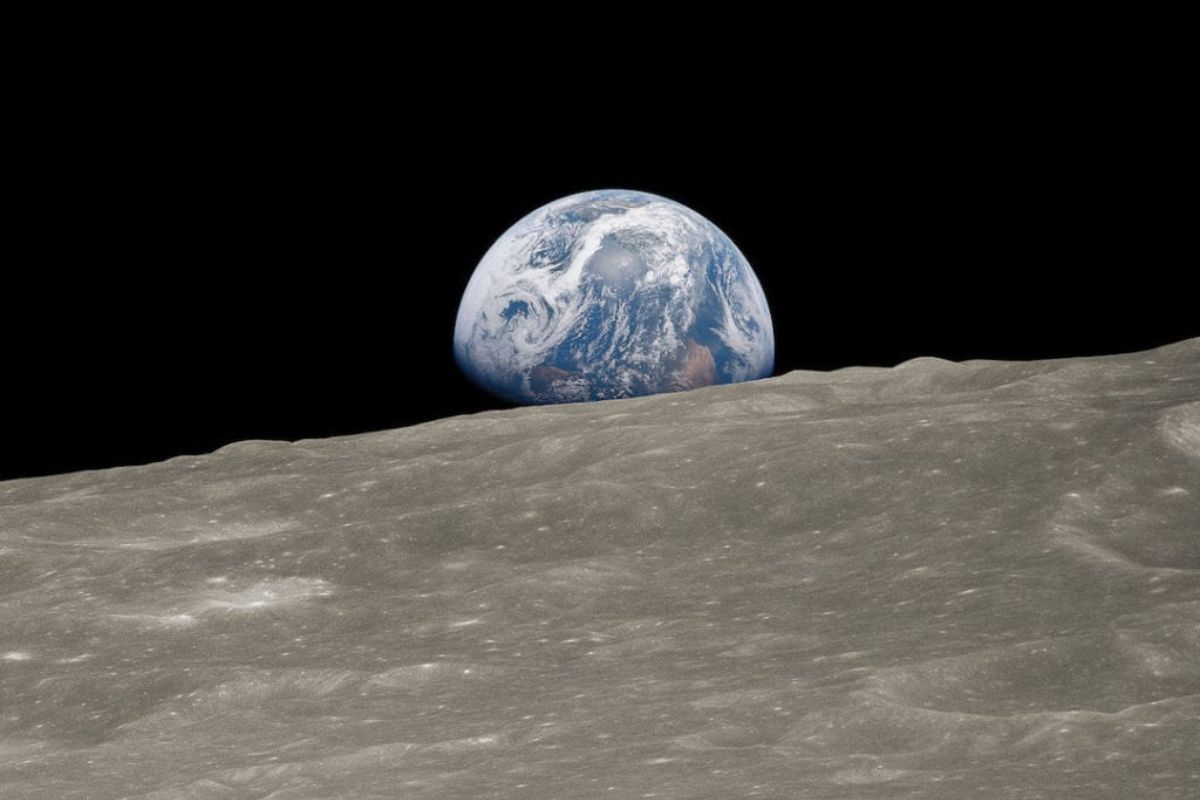
Four humans are flying towards the Moon inside the Orion capsule launched by the SLS rocket, and on April 6, Artemis II will disappear behind the far side of the Moon without communication with Earth for nearly an hour.
-
Worlds covered by water, atmospheres filled with hydrogen, and the possibility of life beyond Earth: ocean planets are rewriting the map of cosmic search and forcing scientists to rethink where to look.


What It Means to Transform Sewage into Potable Water
In practice, what stands out in this model is not only the scale but also the route that the water takes.
Instead of exclusively sourcing from rivers, reservoirs, or aquifers, the city has transformed treated urban sewage into an additional source of potable water, with advanced treatment and continuous quality control.
The case of Windhoek is cited as the “first and longest history” of direct potable reuse in a capital, with the first plant coming into operation in October 1968.
The term “direct potable reuse” refers to the reuse in which effluent, after undergoing high complexity treatment, is reintegrated into the water distributed to the population without relying on an intermediate water body such as a lake or river for dilution and storage.
In Windhoek, the water produced at the plant is prepared for mixing with other potable sources and then proceeds to municipal distribution.
According to WINGOC, the final stage includes disinfection and adjustments so that the product can be incorporated into the city’s supply.
Water Scarcity and the Origin of the Project in Windhoek
The project’s origin dates back to the climate and geographic scenario: Namibia is described by WINGOC as one of the driest countries in Africa, and Windhoek has historically faced the risk of water shortages.
The official “history” page of the project reports that, back in 1968, the municipality decided to build the Goreangab sewage recycling plant and that the city became the first in the world to produce potable water directly from municipal effluent.
The same source states that, decades later, the “New Goreangab Reclamation Plant” was completed in 2002 with newer technologies to expand and strengthen the system.
Advanced Treatment and Multiple Safety Barriers
The technological leap of the system is evident in the treatment design, which is presented by the operator as a sequence of barriers aimed at reducing microbiological and chemical risks.
The public description from WINGOC begins with a stage of raw water mixing and potential addition of powdered activated carbon to remove dissolved organic compounds; in recent practice, the company claims that since 2008 the plant has exclusively used treated secondary effluent from the wastewater treatment plant.
Following this, there is pre-oxidation with ozone and the addition of potassium permanganate to precipitate dissolved manganese, along with the use of ferric chloride for coagulation and the formation of microfloc.
After this preparation, the water undergoes slow flocculation to increase floc size and facilitate separation, which occurs via dissolved air flotation.
In this technique, microscopic bubbles adhere to the flocs, bringing them to the surface, where the formed layer is periodically removed.
The water then proceeds to rapid gravity filtration using dual-media filters, with pH adjustment and renewed dosing of permanganate for additional precipitation and removal of iron and manganese.
Part of the wash residues from these filters and the material removed during flotation is sent for treatment in another effluent unit, according to the operator itself.
Ozone, Activated Carbon, and Membrane Ultrafiltration
The next stage is again based on ozone, described by WINGOC as a strong oxidant and disinfectant, produced on-site and injected into the filtered water to oxidize organic compounds and act in disinfection, including the inactivation of microorganisms.
The company states that, after ozonation, the decomposition of the remaining ozone is carried out with the addition of hydrogen peroxide.
Next, activated carbon filters come in two approaches: one stage of biological activated carbon, in which microorganisms associated with the filtration medium degrade biodegradable organic compounds, and another of granular activated carbon adsorption to reduce remaining dissolved organics and diminish conditions associated with the formation of disinfection byproducts.
The final “polishing” of the process described by the operator uses membrane ultrafiltration to remove suspended particles, microorganisms, and viruses that may still be present, with periodic cleaning and sterilization procedures.
The resulting water undergoes chlorination for disinfection and pH adjustment for stabilization before being mixed with other potable sources and then distributed throughout the city.
WINGOC states that this chlorination also serves as protection during transport in the network.
Online Monitoring and Continuous Operational Control
In addition to treatment, the project is presented as highly focused on operational control.
A public case study from Water360 describes the system as a process of multiple barriers with continuous online monitoring and informs that instrument data is updated frequently to the control room, with the possibility of interrupting distribution if any parameter deviates from the established standard.
The same material mentions that the complete production process is treated as a journey of approximately 24 hours and that samples are also collected daily for laboratory analysis as part of routine monitoring.
Daily Scale and Limits of Public Comparison
In terms of urban scale, WINGOC claims that 21,000 cubic meters per day of potable water are produced and that hundreds of thousands of residents are served by the supply.
In institutional texts about the project, Veolia — a group related to the operation — also reports the daily production of 21,000 cubic meters and relates this volume to a significant portion of the urban area’s water needs.
The history of Windhoek also helps explain why the theme often generates curiosity: the cultural barrier of “disgust” tends to be the first obstacle when the source of water is sewage.
It is precisely for this reason that the case is often presented with an emphasis on standards, treatment barriers, and monitoring, and not as an “improvised solution.”
Still, information such as cost per cubic meter, specific energy consumption, and standardized efficiency metrics do not always appear in a unified manner in the consulted public pages, which limits direct comparisons with other supply models in different countries.





-

-

-

-

-

-

48 pessoas reagiram a isso.