





 Portuguese
  English
  Spanish
  4 min of reading
  1 comment


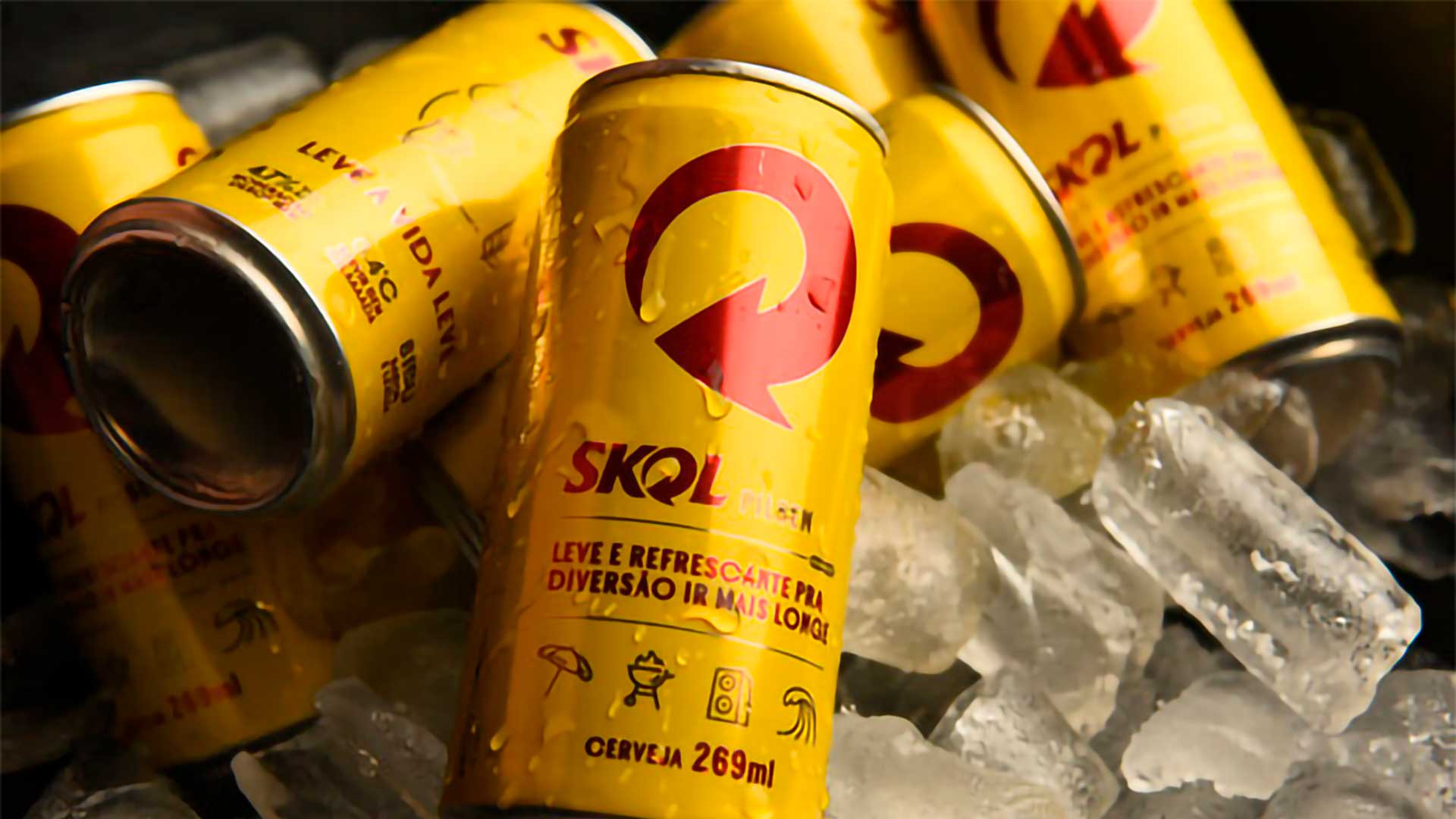


The World’s Largest Brewery Decided to Bring Can Production Closer Amid Rising Aluminum Prices and Cost Risks in the United States
AB InBev announced on Tuesday, January 6, 2026, a deal of about US$ 3 billion to buy back 49.9% of the metal packaging business operating in the United States. The information was released by the company and reported by Reuters.
The asset involves seven factories in six U.S. states, and the expectation is that the conclusion will occur in the first quarter of 2026. According to the company, the buyback will be financed with its own resources.
The move draws attention because of its timing. It occurs right when the price of aluminum and costs related to tariffs gain weight in the supply chain of those who depend on cans for large-scale sales.
-
Lula responds directly to Trump and says that Pix is from Brazil and will not change under pressure from anyone, after a report from the United States pointed out the Brazilian payment system as an American trade barrier.

-
Amazon has just announced a new fee on all deliveries, and your online purchases will become more expensive starting April 17, including for those buying from the United States here in Brazil.

-
He sold his share for R$ 4 thousand, saw the company become a giant worth R$ 19 trillion, and missed the opportunity of a lifetime.

-
Elon Musk’s Starship megafrocket puts $8 billion at risk, raises alarms in the market, and could affect technology, mining, and space internet startups in the coming years.

The market reading is straightforward. Instead of relying solely on contracts, AB InBev chooses to strengthen control over a critical input in a volatile period, intense competition, and consumers more sensitive to price.
Buying Back Can Factories in the USA Strengthens Cost Control and Supply Security
The stake now being bought back was sold in 2020 to a group of investors led by Apollo Global Management. At the time, AB InBev retained control of the operation, and according to information released by Reuters, the contract design included long-term supply and a buyback option in five years, with a predefined value.

By bringing this stake back, the company aims to reduce uncertainties in quality, timelines, and availability. In a statement, AB InBev stated that the factories are a strategic component because they ensure quality, cost efficiency, speed of innovation, and supply security for its brands.
In practice, this can mean more predictability in a market where packaging is not a detail. For beer, aluminum can dictates production pace, promotional campaigns, launches, and large-volume retail supply.
Import Tariffs and Aluminum Prices Explain the Timing of the Decision
The backdrop has a name and a date. On June 3, 2025, the U.S. government published a proclamation increasing tariffs on steel and aluminum articles and their derivatives from 25% to 50%, effective from June 4, 2025, according to the official record from the White House.
This type of measure tends to spread throughout the entire supply chain. It can affect not only the metal itself but also regional premiums, logistical costs, and purchasing conditions for industries that consume aluminum on a large scale, such as packaging, construction, and energy.
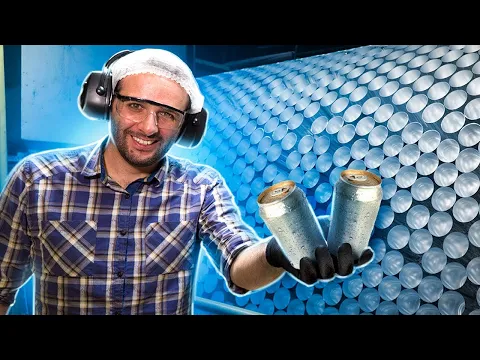

According to Reuters, the market has been facing high aluminum costs and record premiums in the U.S. physical market throughout 2025. This creates pressure on margins, especially for high-turnover products that are highly price-sensitive in retail.
On the day of the announcement, Reuters itself reported that the aluminum reference contract for delivery in three months on the London Metal Exchange reached US$ 3,130 per ton, the highest level since April 2022. For global companies, this number matters because it serves as a reference in negotiations and effective replacement cost.
AB InBev is also trying to cushion the impact with financial management. In a recent interview cited by Reuters, CEO Michel Doukeris stated that hedge strategies helped protect operations but acknowledged that the effect could be more critical in 2026 if pressure persists.
Financing with Cash and Focus on Debt Show a Calculated Course Change
The buyback has relevant symbolism within the corporate strategy. In recent years, AB InBev has prioritized debt reduction, and the 2020 sale was interpreted as part of this deleveraging effort.
Now, the company argues that the return of the stake makes sense in industrial and financial terms. The promise is to contribute to profits starting in 2026 while reducing risks related to cost and availability of packaging.
Still, the move is not without debate. When a company uses cash to buy back assets, investors often compare the expected return on investment with alternatives such as additional debt reduction, share buybacks, or dividends.
Volume Decline and Habit Changes Increase Pressure for Efficiency in the Beer Sector
The consumption context also weighs in. AB InBev and other companies in the sector are facing signs of slowdown in some markets and shifts in preference, especially among younger consumers, who seek moderation and lower-alcohol alternatives.
In the third-quarter balance of 2025, the company reported a 3.7% decline in total volume and a 3.9% drop in beer volume, according to numbers released by the company itself. In the same period, net profit stood at US$ 1.05 billion, a significant drop compared to the previous year, while revenue slightly increased to US$ 15.1 billion.
When volume declines, efficiency becomes a line of defense. This is where controlling packaging can make a difference because cost per unit, production losses, and flexibility in innovation directly affect margin calculations.
The announcement also reinforces a larger trend. In a world of tariffs, volatility, and geopolitical risks, consumer companies try to shorten supply chains and protect key inputs, even if this requires high investments to reduce future exposure.
If the figures add up, only time will tell. But the message is clear: AB InBev prefers to pay now to reduce the risk of paying more later.
From your perspective, was this buyback a smart move to shield costs and ensure cans, or a large expense that might end up as a price increase at the supermarket? Leave a comment and share who you think will absorb this pressure, the company or the consumer.




Compra precipitada!