





 Portuguese
  English
  Spanish
  5 min of reading
  0 comments


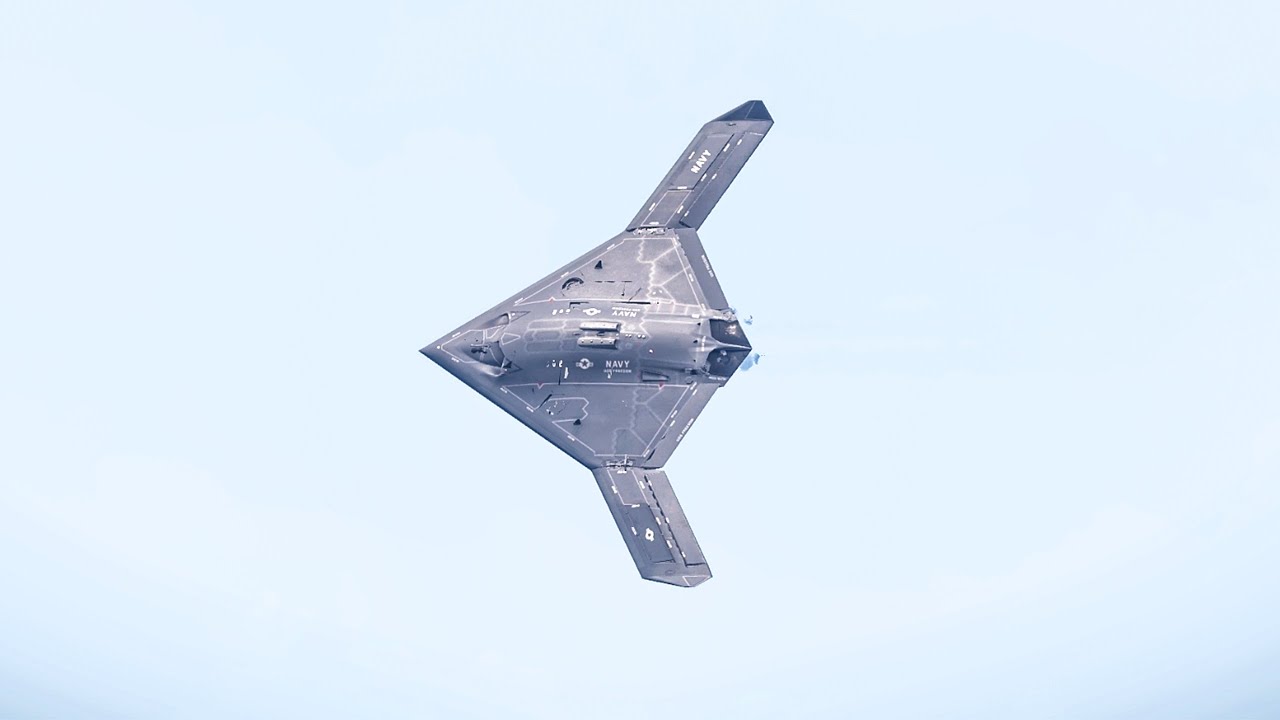
U.S. Stealth Drone with Wingspan Over 20 Meters and Flight Above 15,000 Meters Conducted Secret Missions, Was Lost in 2011, and Changed the Logic of Invisible Air Warfare.
For years, it traversed hostile skies unseen, undetected, and for most of the time, without even officially existing for the public. It carried no visible weapons, did not make cinematic attacks, and did not appear in images released by the Pentagon. Still, it was one of the most sensitive pieces of America’s military architecture in the early 21st century. The drone in question is the RQ-170 Sentinel, a stealth reconnaissance aircraft that marked a quiet turning point in modern air warfare.
Designed to operate where satellites are too predictable and manned aircraft are politically risky, the RQ-170 ushered in a new military logic: deeply surveilling enemy territory without leaving visible traces, even if that involved the extreme risk of losing sensitive technology in hostile territory.
A Drone That Was Born Not to Be Seen
The RQ-170 was developed for a specific mission: intelligence, surveillance, and reconnaissance (ISR) in heavily defended environments. Unlike armed drones, its role was not to attack but to observe. Every detail of the design points to this.
-
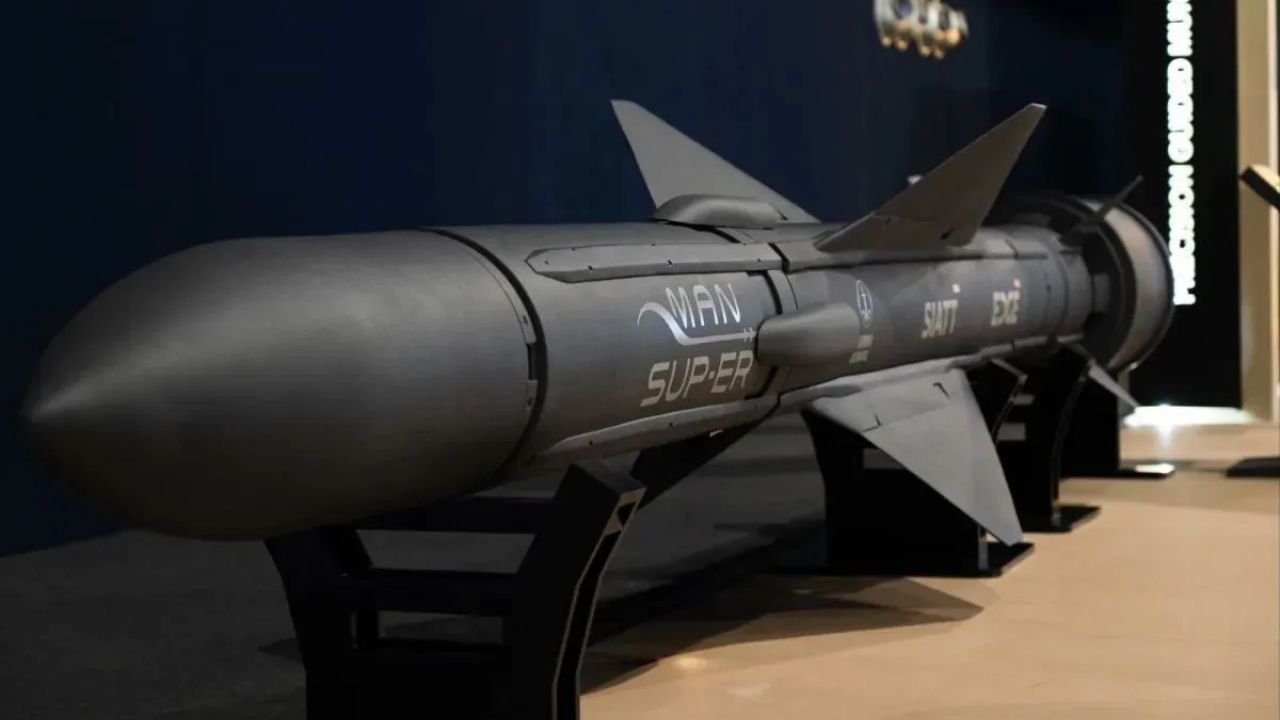
Brazil accelerates the evolution of the MANSUP missile, designing an air-surface version with a range exceeding 200 km, advanced guidance, and precision strike capability against land and naval targets, paving the way for a new generation of national armaments with global potential.
-
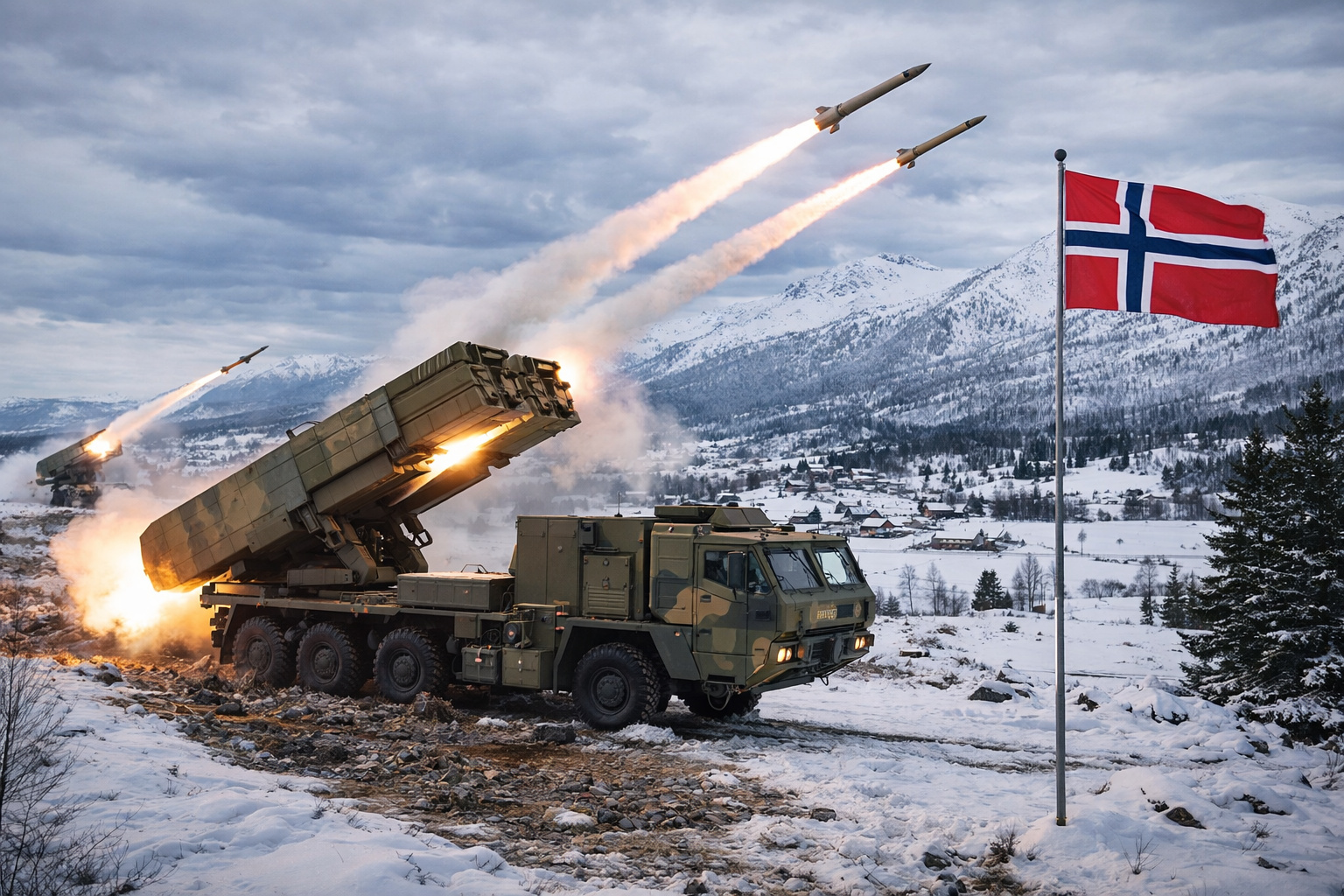
South Korea signs a $922 million deal with Norway, bringing Chunmoo launchers capable of firing guided missiles up to 290 km with an accuracy of 15 meters to Europe and turning the system into a key component of the new global race for precision artillery.
-
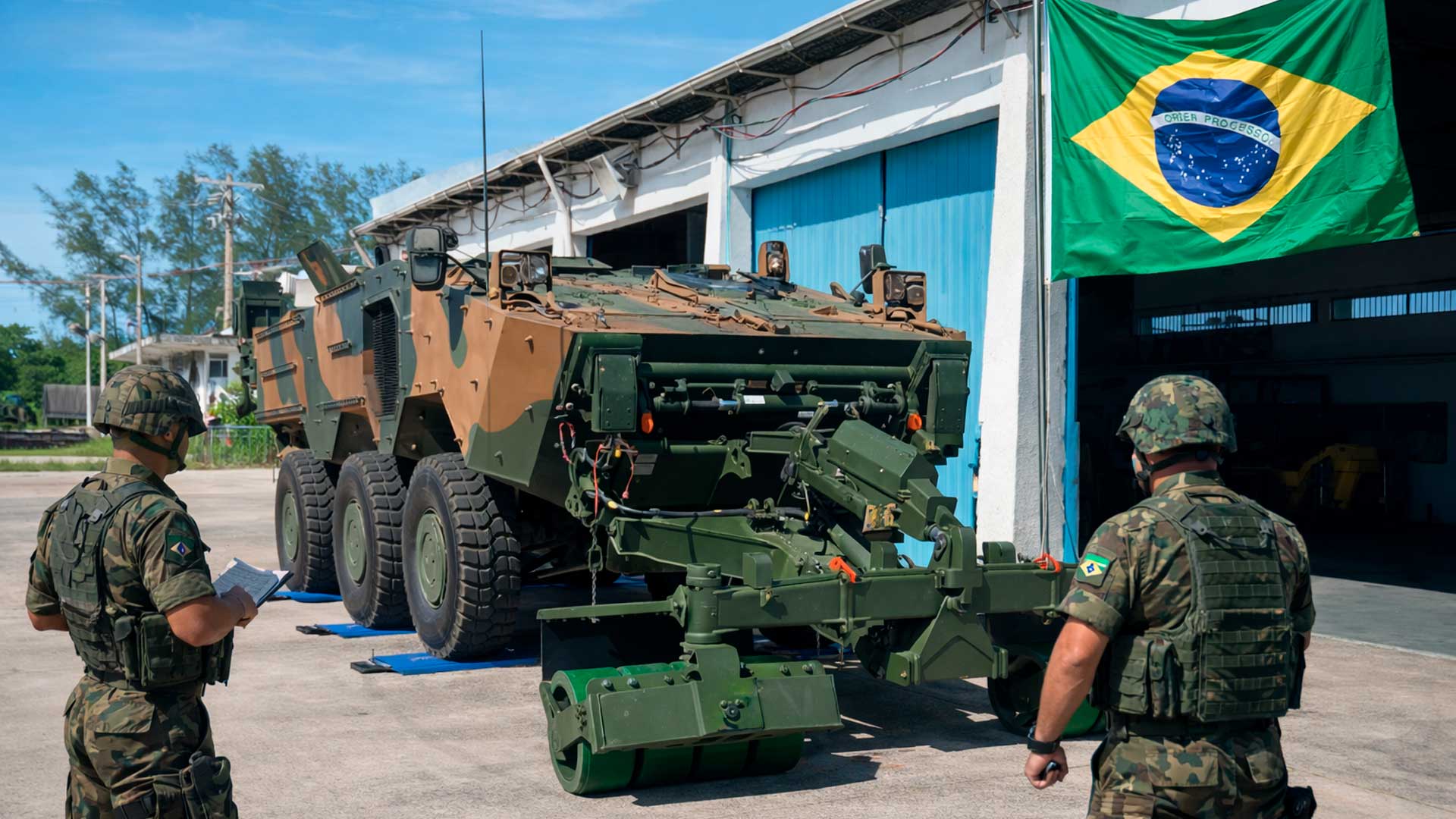
Brazil advances with decisive tests until June, the 6×6 Guarani armored vehicle with engineering equipment enters the most important phase and can enhance the operational capability of the Army.
-
Furnas Airport is handed over to the Navy and becomes a strategic base with complete military operations, attack drones, and international mobilization at Furnas Lake.

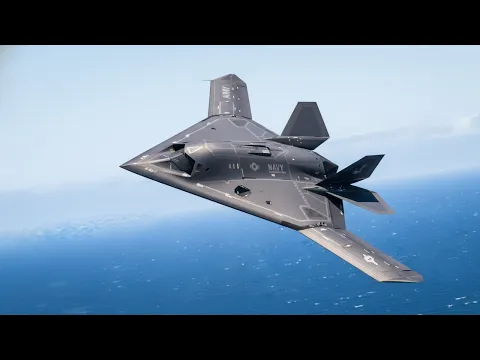

Its flying wing shape, similar to stealth bombers, drastically reduces radar signature. There is no traditional fuselage, vertical tail, or surfaces that reflect electromagnetic waves easily. The result is an aircraft difficult to detect even by advanced military radars.
Although much data remains classified, independent analyses and known images indicate:
- estimated wingspan over 20 meters, comparable to that of regional jets
- service ceiling above 15,000 meters, allowing it to operate above most conventional air defense systems
- long-range capability, sufficient for prolonged strategic missions
- advanced imaging, radar, and electronic intelligence sensors
All this without a human pilot on board.
The Nickname That Revealed Its Presence
Despite the secrecy, the RQ-170 ended up with an informal nickname among observers and military personnel: “Beast of Kandahar”. The name emerged after visual records of the aircraft at airbases in Afghanistan, where it operated in support of strategic missions.
Even there, its presence was discreet. It did not take off in large numbers, did not appear in official communications, and was not mentioned in public reports. The drone existed in the limbo between military secrecy and the curiosity of defense analysts.
This silence was not accidental. The value of the RQ-170 lay precisely in not drawing attention.
Sensitive Missions and Deep Surveillance
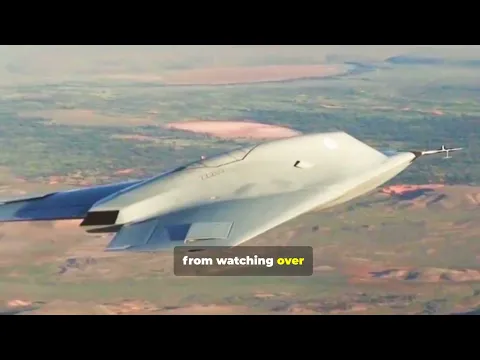
The primary function of the RQ-170 was to penetrate sensitive airspaces to collect information that no other means could obtain with the same precision.
Satellites follow predictable orbits. Manned aircraft generate diplomatic crises when shot down. The stealth drone filled this void.
It was employed in strategic surveillance operations related to:
- nuclear programs
- critical military facilities
- monitoring high-value targets
- supporting special operations
All occurring without public announcements, reinforcing the idea that modern warfare often takes place outside the public’s field of view.
The 2011 Incident That Changed Everything
In December 2011, the silence ended. An RQ-170 disappeared during a mission and ended up crashing almost intact on Iranian territory.
Shortly thereafter, images of the captured drone began to circulate, confirming what had until then been treated with caution: the U.S. had lost one of its most sensitive systems.
The incident was a strategic shock. For the first time, an adversary had direct access to a modern stealth aircraft, with materials, design, and potentially analyzable sensors.
The incident raised profound questions:
- how invisible are stealth drones really
- what strategic risks are involved in covert operations
- how to protect sensitive technology in hostile environments
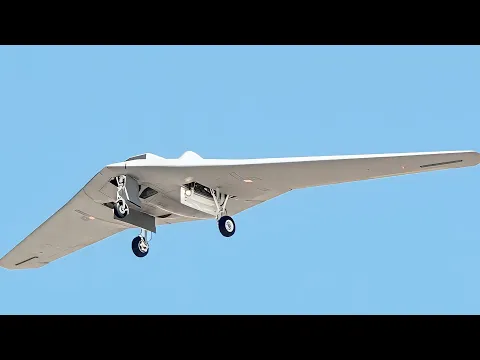
The invisible war had become too visible.
The capture of the RQ-170 had effects that went far beyond that single drone. It accelerated global debates on:
- electronic warfare and cyber interference, as there were allegations of interference in the navigation system
- technological replication, with adversarial countries seeking to copy stealth concepts
- new drone usage doctrines, reducing exposure in high-risk areas
The episode also made it clear that extreme autonomy comes with extreme risks. A drone may be disposable from a human perspective, but not from a technological and strategic viewpoint.
What the RQ-170 Revealed About Modern Warfare
More than a specific aircraft, the RQ-170 symbolizes a structural change. It showed that:
- air surveillance no longer depends on pilots
- stealth is not exclusive to manned aircraft
- decisive military operations can occur without any announcement
It also exposed a new vulnerability: losing a drone can be as grave as losing a manned aircraft, depending on the level of technology involved.
The Silent Legacy of the Sentinel
Even after the incident, the RQ-170 did not disappear from the military scene. On the contrary. It became a reference for the development of new generations of stealth drones, more autonomous, more resilient, and more integrated into networked warfare.
Today, military programs around the world incorporate lessons learned from the Sentinel. The priority is not just to fly high or far, but:
- to resist interference
- to protect sensitive data
- to avoid physical captures
The RQ-170 fulfilled its historical mission even in failing.
When Losing a Drone Changes Global Strategies
The downfall of the RQ-170 showed that the war of the future will not be defined only by missiles or combat aircraft, but by who controls information without being seen. In this context, stealth drones ceased to be technological curiosities and became strategic assets of the highest value.
The Sentinel was not the end of this story. It was the beginning.
Few people saw the RQ-170 fly. Even fewer understood what it really did. Still, it helped redefine the balance between surveillance, risk, and military power.
Silent, invisible, and controversial, the RQ-170 Sentinel remains a reminder that, in modern warfare, what does not appear in the headlines often matters the most.









-

-

-

-

-

18 pessoas reagiram a isso.