





 Portuguese
  English
  Spanish
  5 min of reading
  0 comments


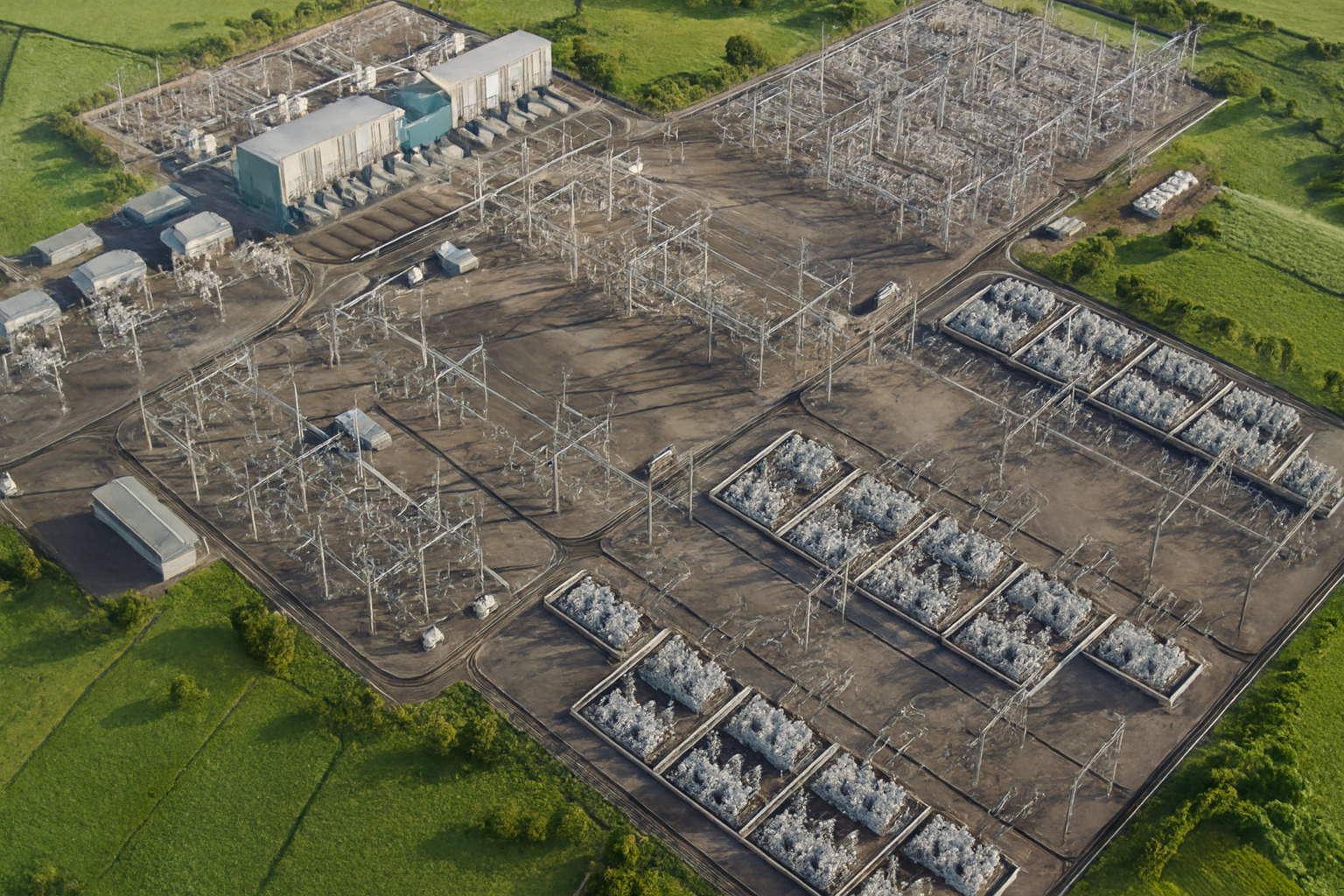
With approximately 1,500 km, an investment of around R$ 20 billion, and support from the BRICS Bank, the Graça Aranha–Silvânia project promises to transform Brazil’s electrical system.
On June 30, 2025, Brazil launched what the federal government itself classifies as the largest energy infrastructure project ever executed in the country. This is the Graça Aranha–Silvânia project, a gigantic energy transmission corridor approximately 1,500 kilometers long, with an estimated investment between R$ 18 billion and R$ 20 billion and direct participation from the BRICS Bank, through the New Development Bank (NDB).
The project connects the substation of Graça Aranha, in Maranhão, to the substation of Silvânia, in Goiás, crossing the state of Tocantins and creating a new backbone for the National Interconnected System (SIN). More than just a transmission line, the project is seen as a key component for advancing renewable energy in Brazil on a continental scale.
What Is the Graça Aranha–Silvânia Project
The Graça Aranha–Silvânia is a high-voltage direct current (HVDC) transmission system, operating at 800 kV, a technology used only in long-distance, high-capacity electrical corridors.
-
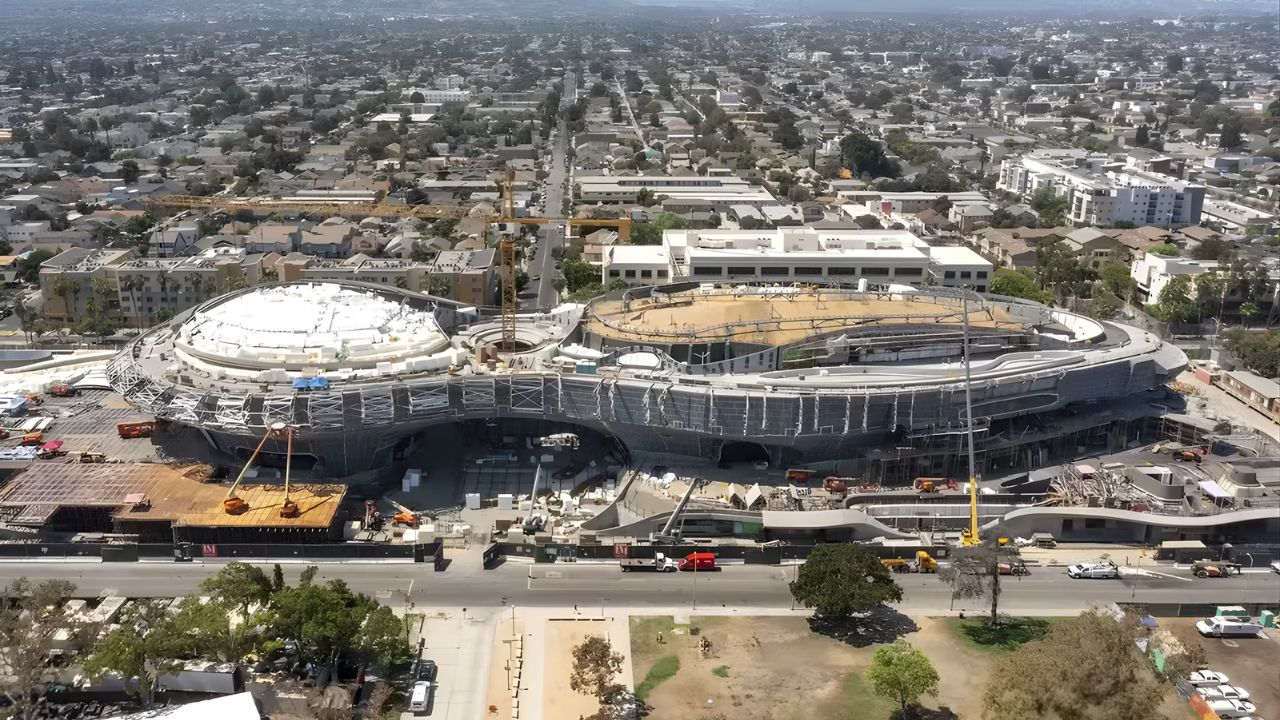
Created by George Lucas with over $1 billion, a futuristic museum in the shape of a spaceship with 1,500 curved panels is about to open in Los Angeles and will house one of the largest private collections of narrative art in the world.
-
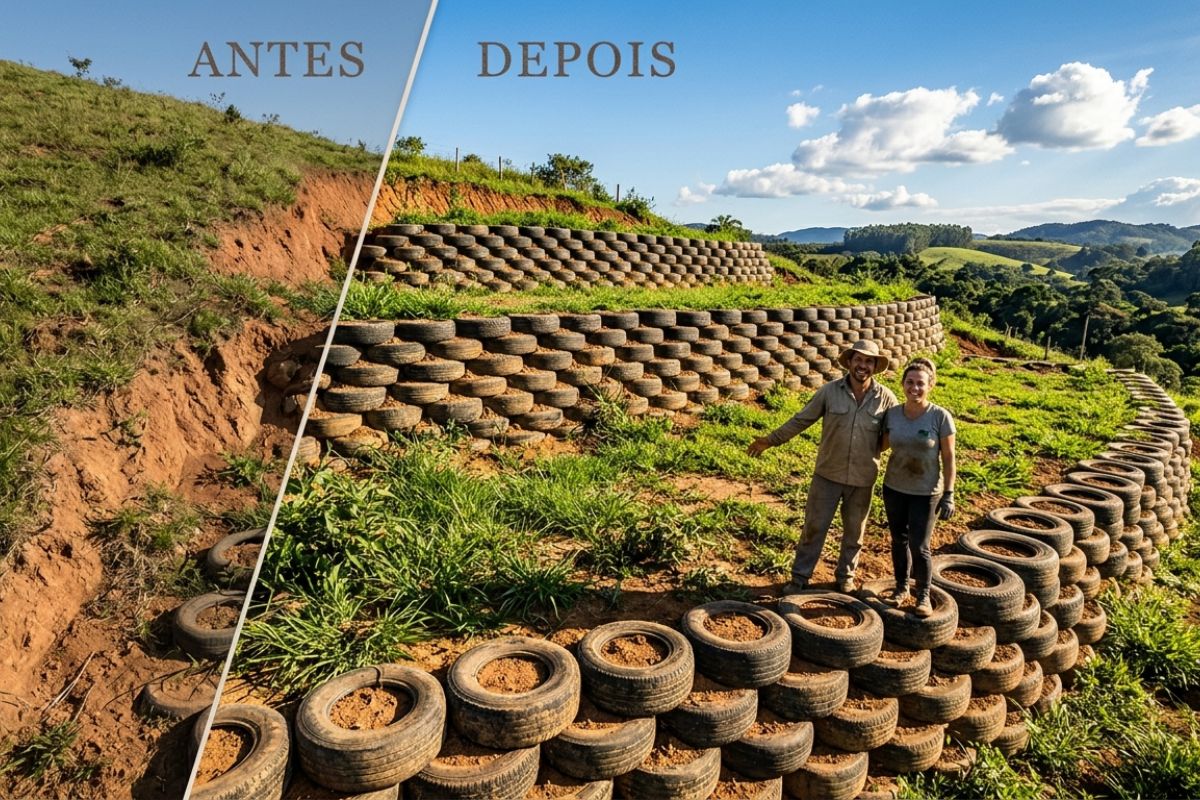
Couple shows how they built a retaining wall on their property using 400 old tires: sloped land turned into plateaus, tires are aligned, filled, and compacted with layers of soil, with grass helping in support and at almost zero cost.
-
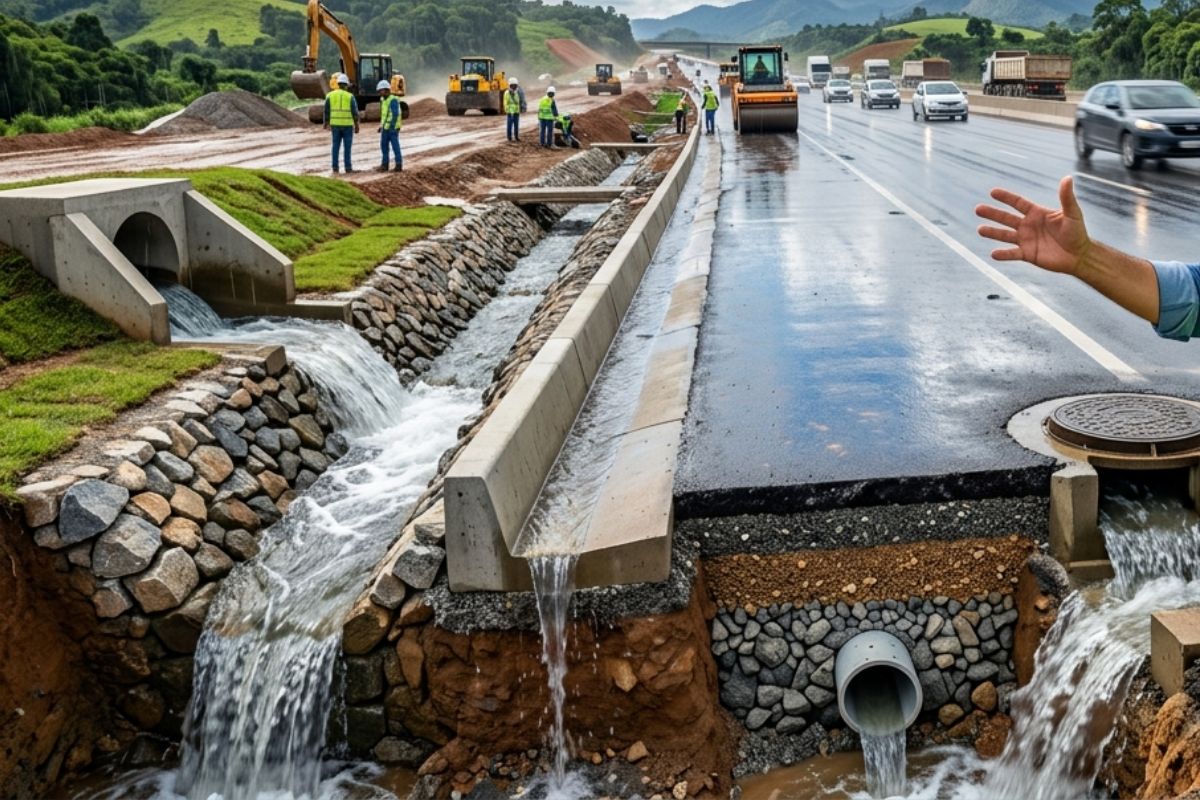
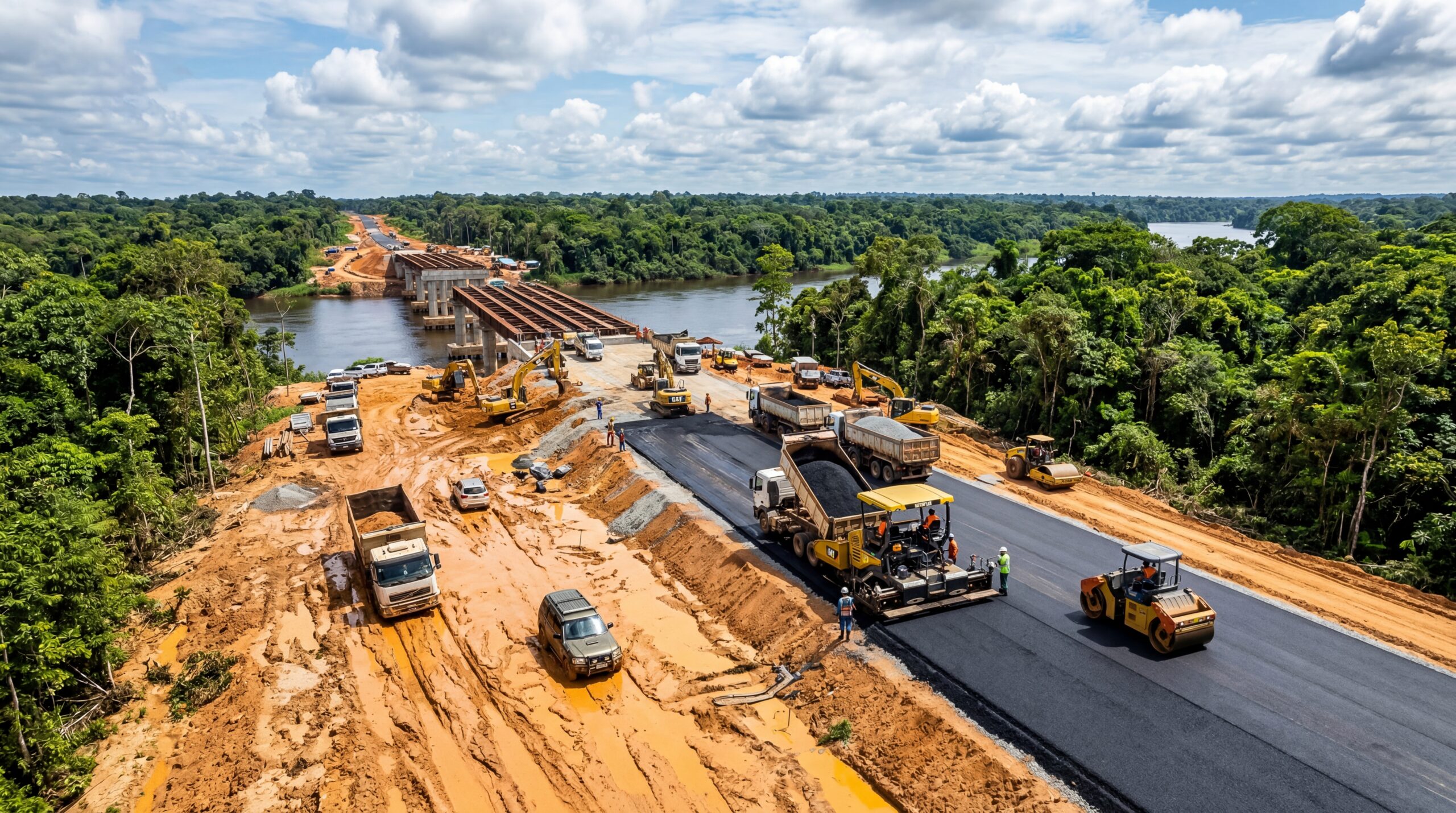
Engineer explains drainage during the rainy season: the difference between surface water and deep water, ditches, gutters, and water outlets on the road, as well as drains and drainage mattresses, to prevent erosion, aquaplaning, and flooding at the construction site today.
-
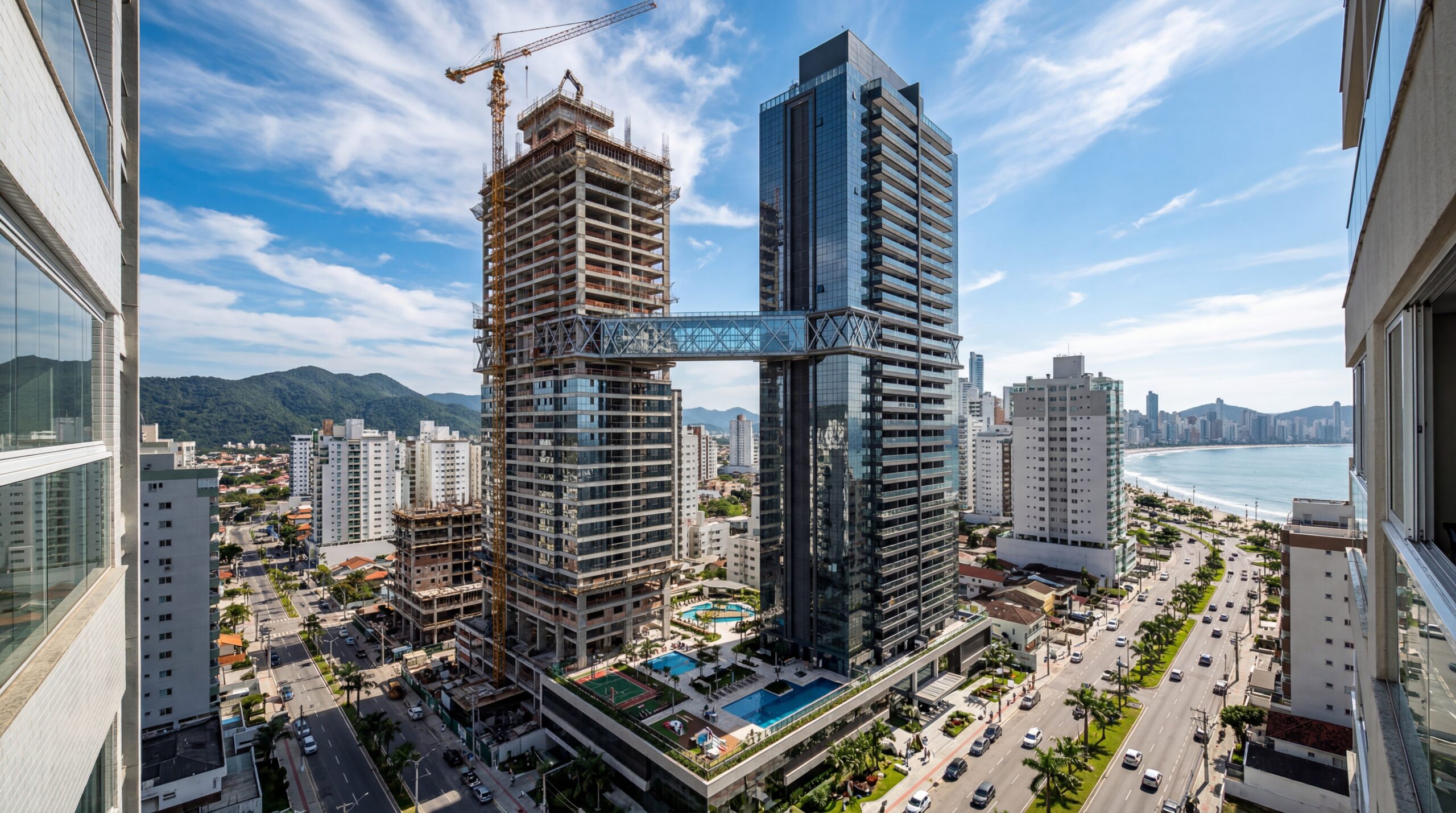
With 55 floors, 177 meters in height, a 15-meter walkway between the twin towers, ventilated facade, and 6,300 m² of leisure space, Ápice Towers already has one tower completed and another nearly at the top.

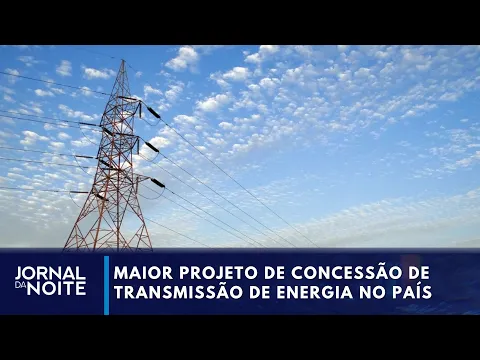
In practice, it functions as an electric highway, capable of transporting large volumes of energy with reduced losses over thousands of kilometers. The route connects regions with strong growth in generation, especially in the North and Northeast, to major consumer centers in the Midwest and Southeast.
The project includes not only the lines but also converter stations, substations, alternating current reinforcements, and all necessary integration to the SIN.
Why This Project Is Considered the Largest in the Country
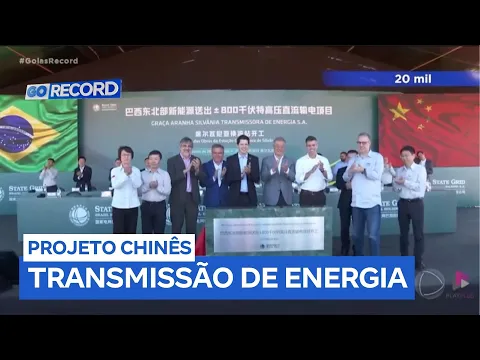

The government classifies the project as the largest in history for three combined factors:
- The length, which reaches approximately 1,500 km, crossing multiple states.
- The volume of investments, which exceeds R$ 18 billion, potentially reaching R$ 20 billion with engineering adjustments.
- And the structural role in the electrical system, resolving historical transmission bottlenecks.
Additionally, the project is expected to generate more than 30,000 direct and indirect jobs throughout the implementation period, reinforcing its economic and social weight.
The Technology Behind the 800 kV Electric Corridor
The choice for HVDC technology at 800 kV is not casual. This type of transmission is used when distance and energy volume make alternating current less efficient.
In the case of Graça Aranha–Silvânia, the estimated capacity reaches 5 gigawatts (GW), enough energy to serve millions of households. Practically, this means transporting electricity generated in distant regions to highly urbanized areas, maintaining stability and reducing waste.
This technology also facilitates the integration of renewable sources, which have variable production and require more robust networks.
The Role of the BRICS Bank in Financing the Project
In July 2025, the New Development Bank, known as the BRICS Bank, signed a Memorandum of Understanding with State Grid Brazil Holding, responsible for the project.
The agreement formalizes the financial and technical cooperation to enhance transmission capacity in Brazil, explicitly focusing on the Graça Aranha–Silvânia project. Although the memorandum does not automatically represent the final financing contract, it indicates that the project has entered the strategic radar of the multilateral bank.
The involvement of the NDB reinforces the geopolitical nature of the project and shows how Brazil has sought support outside traditional Western financial organizations to enable large-scale projects.
Who Executes the Project and Why It Matters
The entity responsible for execution is State Grid Brazil Holding, the Brazilian arm of one of the largest energy transmission operators in the world. The company already operates in various strategic assets in the country and has direct experience with ultra-high voltage projects.
This expertise is critical because HVDC corridors require extremely precise planning, logistics, and engineering. Small mistakes can lead to multimillion-dollar delays or compromise the stability of the system.
The Direct Impact on Goiás, Tocantins, and Maranhão
Each state involved plays a specific role in the project. Maranhão acts as the origin point of the bipole, connected to areas of renewable expansion.
Tocantins serves as the logistical and territorial corridor of the route. Goiás, in turn, is the connection point with the rest of the SIN, redistributing energy to other regions.
Besides the energy impact, the project involves administrative servitude processes, environmental licensing, land negotiation, and local compensations, mobilizing state and municipal governments along the entire route.
The Timeline and the Execution Challenge
The timeline disclosed by industry executives points to completion around 2029, a timeframe consistent with projects of this magnitude. Until then, the project faces classic megainfrastructure challenges: environmental licensing, logistics in remote areas, supply of high-complexity equipment, and regulatory coordination.
Despite this, the official start of construction, the support of the BRICS Bank, and the involvement of a global operator place the project in a rare position of institutional priority.
Why This Project Could Redefine Brazil’s Energy Map
Brazil is experiencing an accelerated expansion of wind and solar generation, primarily concentrated in the Northeast. Without new transmission lines, a portion of this energy simply cannot reach consumer centers.
The Graça Aranha–Silvânia aims to resolve exactly this structural problem. By creating a dedicated high-capacity corridor, it increases the flexibility of the electrical system, reduces bottlenecks, and opens up space for new investment in generation.
If it works as planned, the project not only transports energy but facilitates the next cycle of growth for the Brazilian electricity sector.
More than just towers, cables, and substations, the project symbolizes a shift in scale. It shows how infrastructure, international financing, and energy strategy have started to work together.
The success or failure of the Graça Aranha–Silvânia will be a clear thermometer of Brazil’s ability to execute megaprojects in the context of a global energy transition.









-

2 pessoas reagiram a isso.