





 Portuguese
  English
  Spanish
  5 min of reading
  3 comments


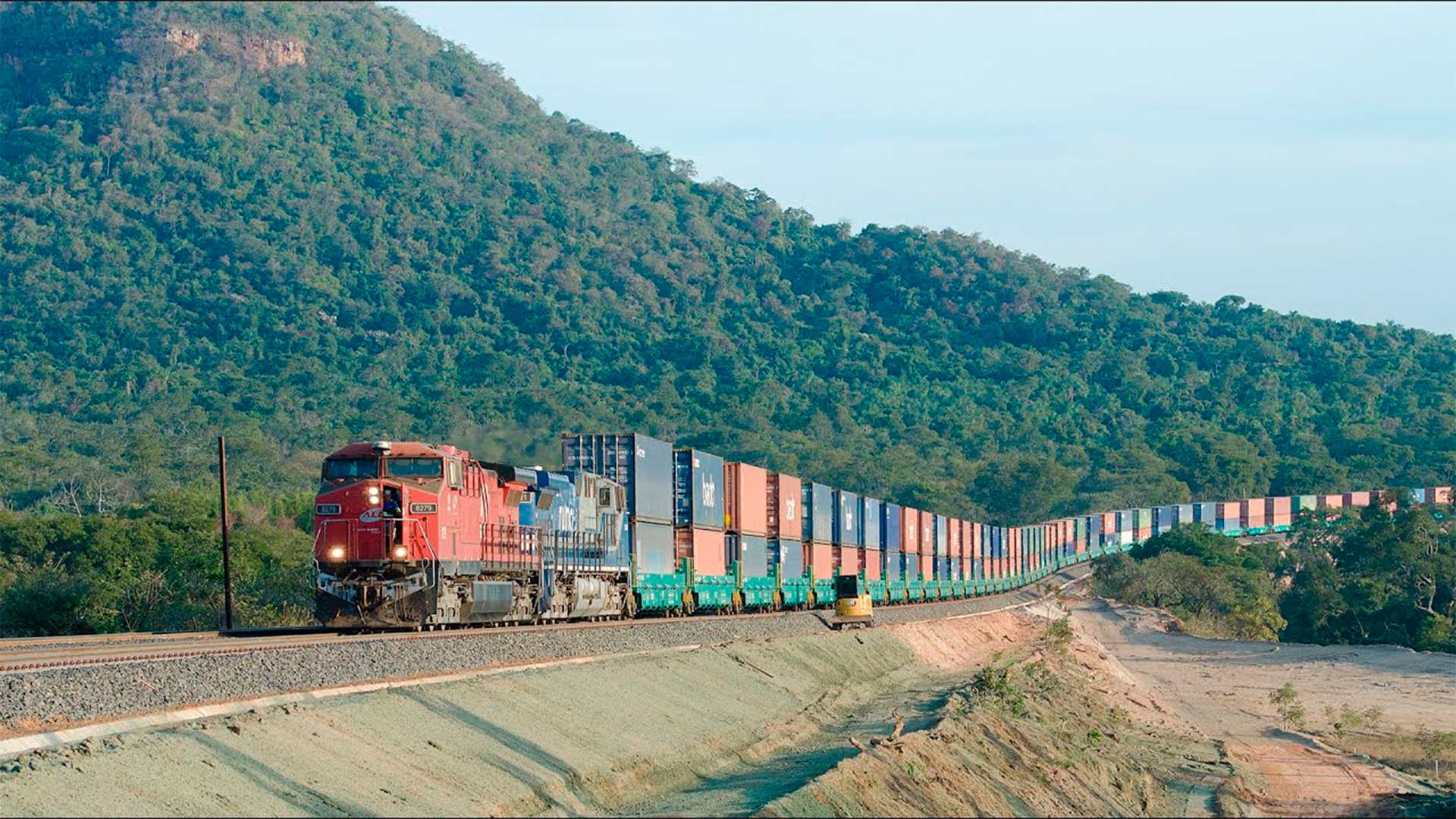


Since 2019, the double stack carrier operation on the Sumaré Rondonópolis route draws attention for combining capacity, multimodal logistics, and a promise of lower emissions per cargo transported.
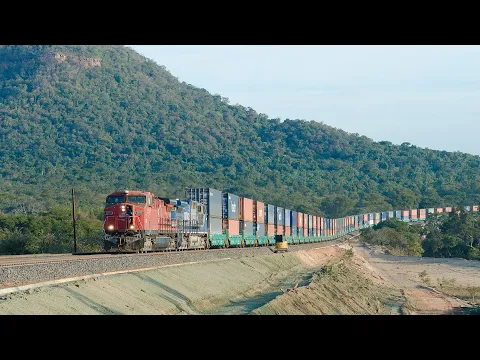
The double stack, a freight train with containers stacked in two levels, gained fame among railway workers and curious onlookers for appearing simple while requiring significant engineering to function in Brazil. The image of the stacked containers helps explain why the topic resurfaced in discussions about logistical efficiency.
Behind the aesthetics lies an objective calculation. More cargo per composition means more productivity on the railway, something that Brado claims generates significant gains in efficiency on the stretch where the operation was implemented.
The first public display of the operation occurred on June 19, 2019, when a train with 68 cars departed from the Sumaré terminal in São Paulo bound for Rondonópolis in Mato Grosso, covering a distance of about 1,400 kilometers.
-
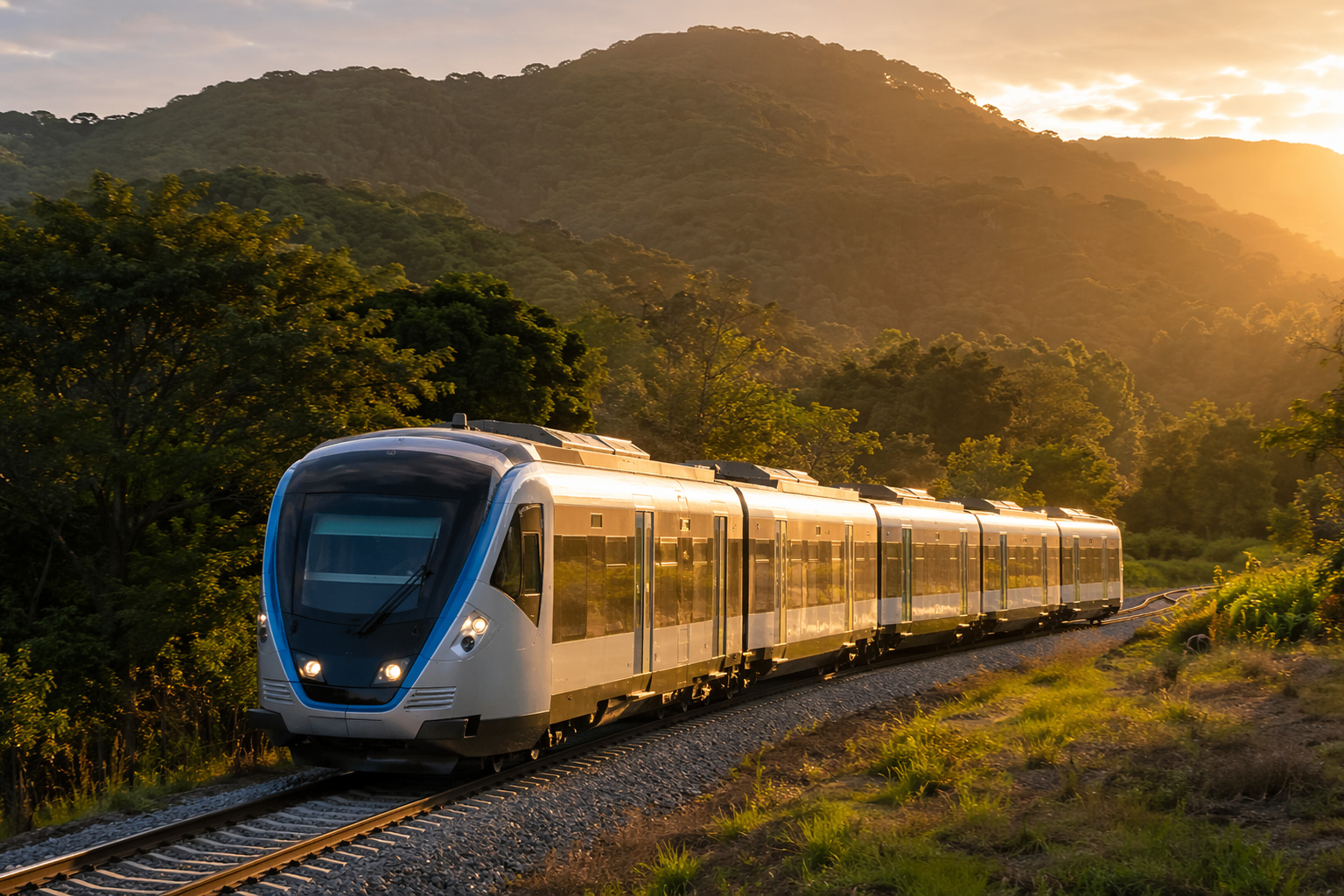
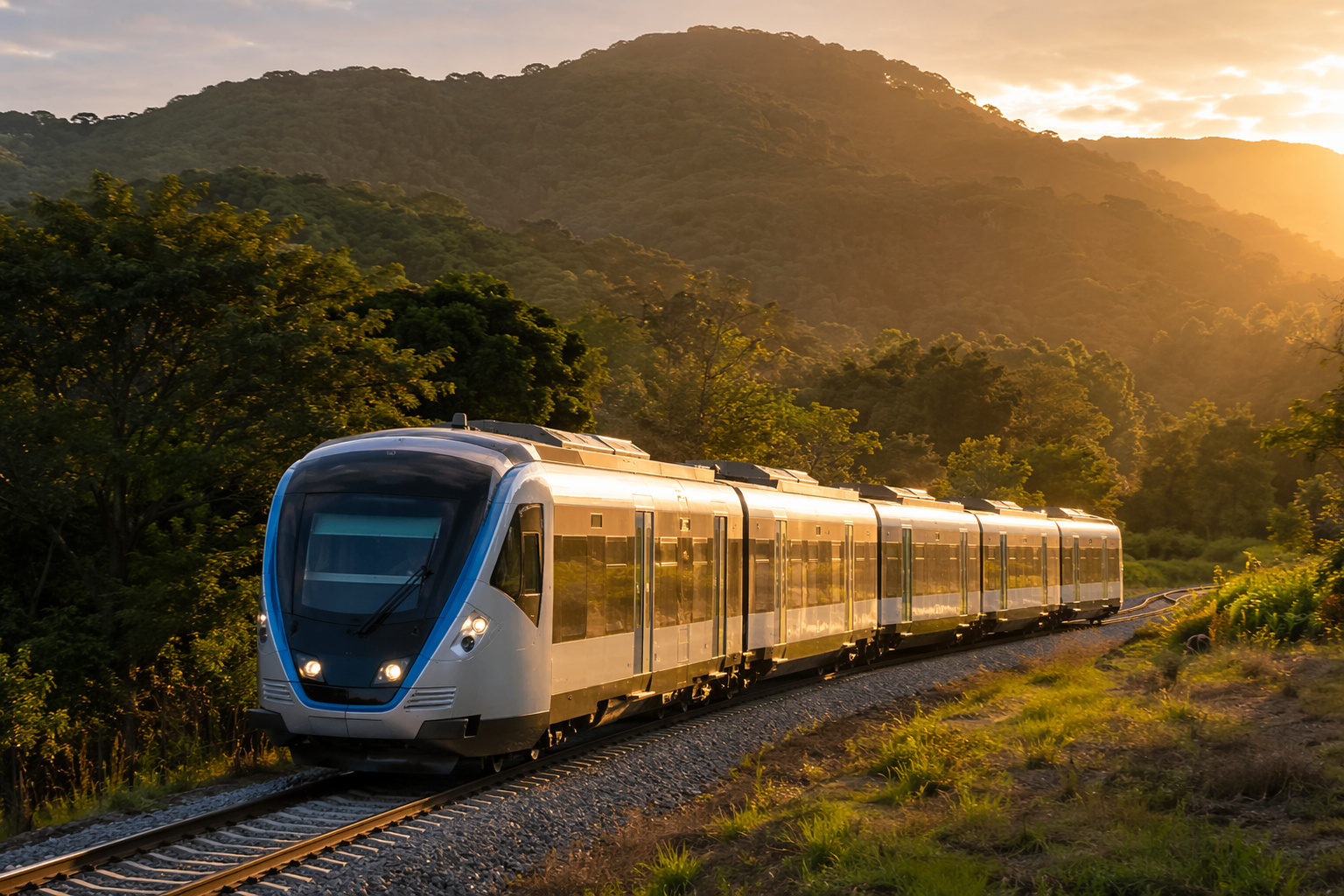
A new train in southern Brazil will connect Porto Alegre to Gramado on a route worthy of a movie and could transform tourism in the Serra Gaúcha with a billion-dollar investment.
-
A new train in southern Brazil will connect Porto Alegre to Gramado on a route worthy of a movie and could transform tourism in the Serra Gaúcha with a billion-dollar investment.
-
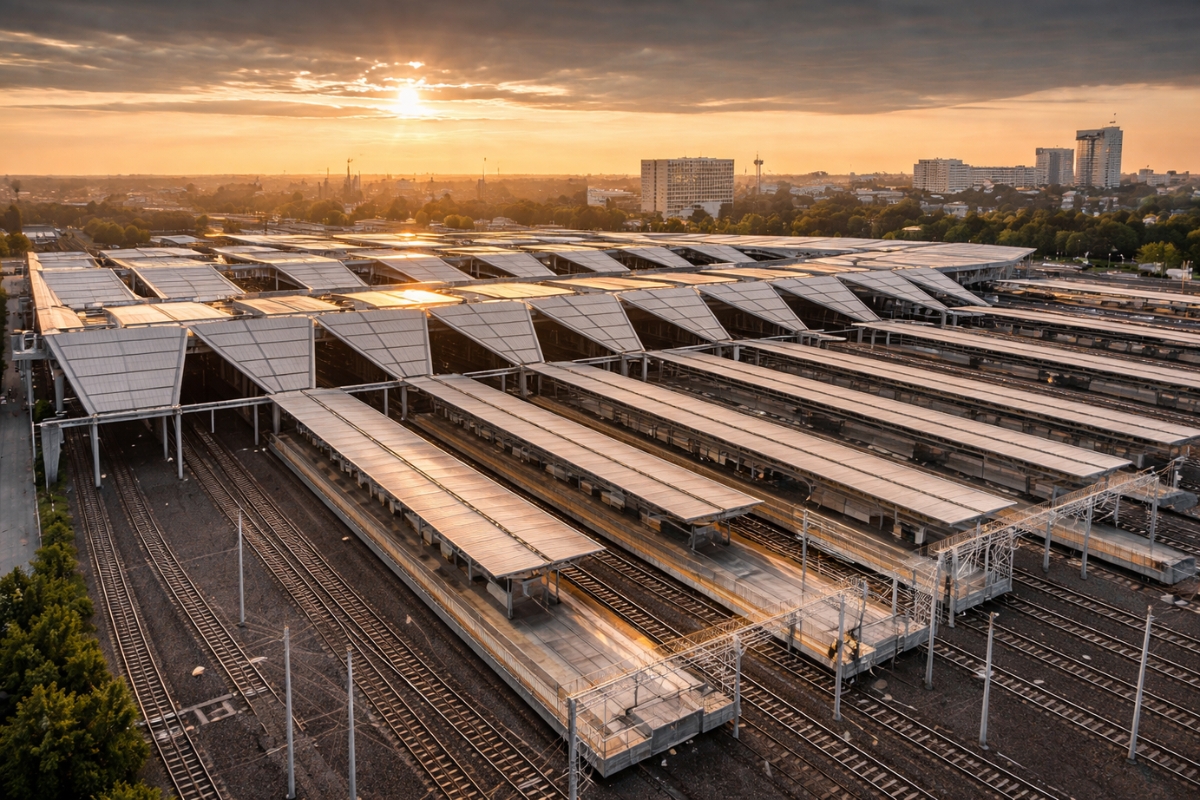
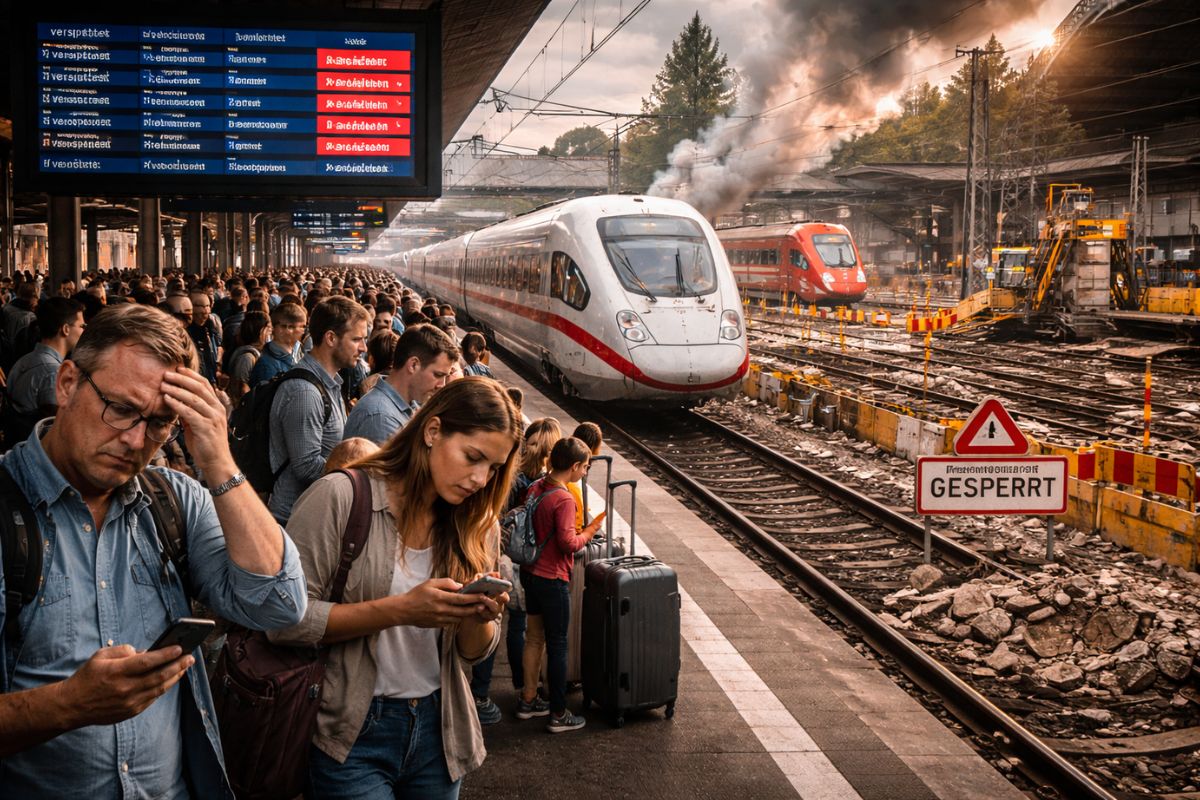
In A European City, The Country’s Largest Railway Junction Was Modernized Without Closing Its Doors, Kept Trains Running During Years Of Construction, Now Serves Up To 60,000 Passengers Per Day, And Installed Solar Panels That Generate About 30% Of Its Energy
-
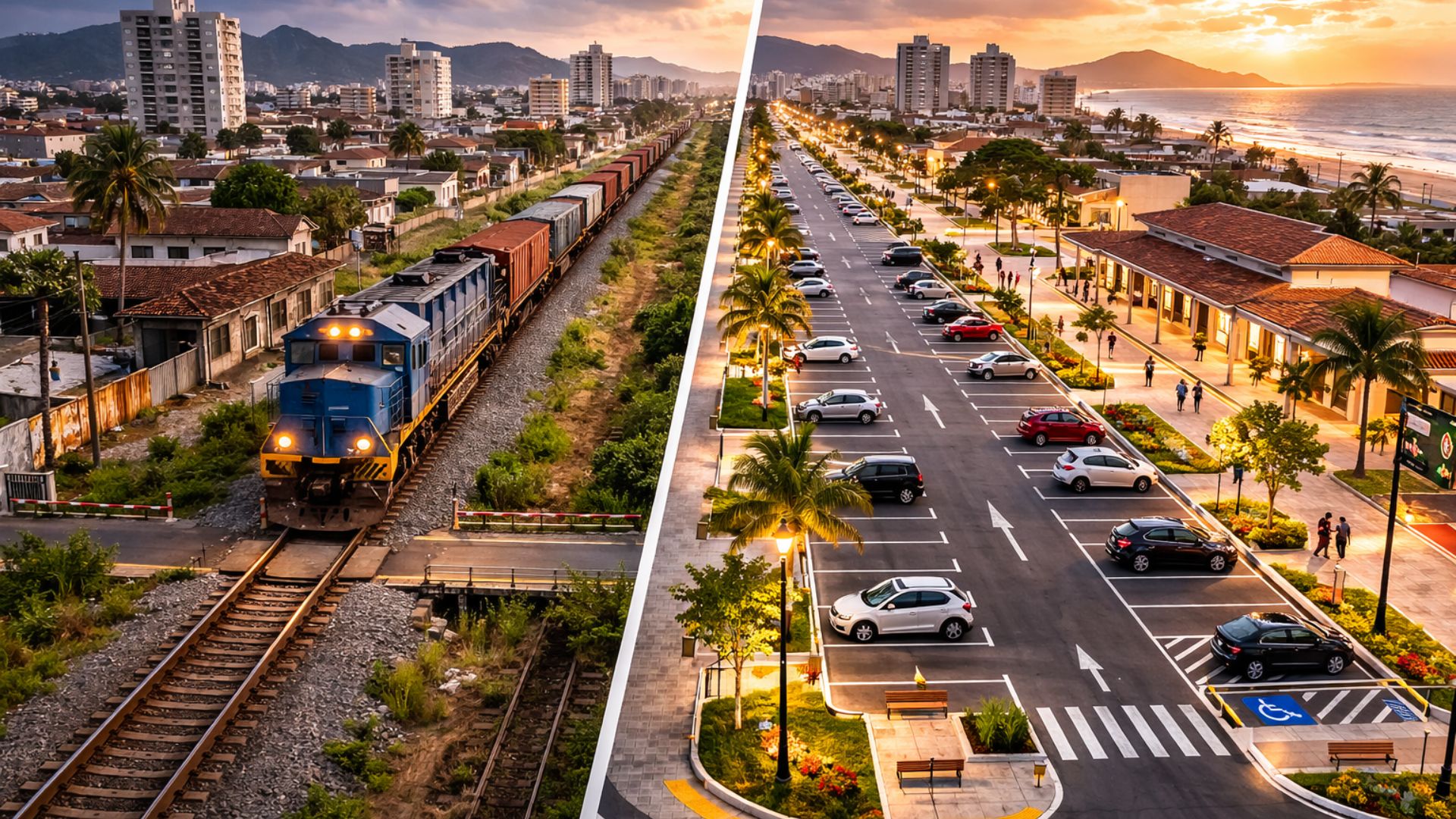
Famous Brazilian Railway May Become a Parking Lot
Why the Double Stack Became a Symbol of Railway Efficiency in Brazil

The problem it tries to address is well known. Road transport dominates cargo movement in the country, concentrates costs, exposes logistics to traffic jams, and increases dependence on diesel over long distances.
The double stack proposal aims to raise train productivity using the same railway corridor. According to Brado, the solution was designed to optimize multimodal logistical operations by allowing more containers per car compared to the conventional arrangement.
When the operation began, the company reported an estimated gain of about 40 percent in capacity on the stretch, reinforcing the argument that the bottleneck is not just having tracks but using them more efficiently.
How Container Stacking Works and What Fits in Each Car
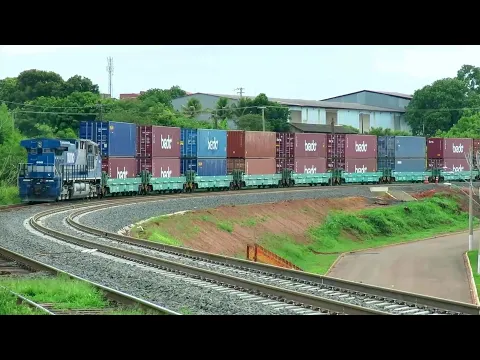
The central concept is stacking containers in two levels, maximizing the use of the available clearance. In practice, this requires cars designed to accommodate different combinations of containers while maintaining stability and operational safety.
In the project communication, Brado described cars capable of stacking up to three containers in certain configurations, such as one 40-foot container with two 20-foot containers, which helps explain the capacity gain mentioned in the operation.
The manufacturer Greenbrier Maxion details that the double stack car used in the project allows arrangements of two 40-foot containers or two 20-foot containers with an additional one in the set, as well as combinations with 48 and 53-foot containers on the upper level, depending on the configuration and cargo density.
This flexibility is important because the domestic market mixes light and bulky cargo with denser ones. In 2020, for example, Brado announced the beginning of tests with 53-foot containers aimed at light and bulky cargo and noted that the equipment maintains a total weight limit similar to that of 40-foot containers, around 27 tons.
Besides the car, the operation relies on terminals prepared to handle containers quickly. Brado itself lists gantries and yard equipment as part of the necessary infrastructure to support container logistics at scale.
Sumaré Rondonópolis Route and Works to Accommodate a Nearly Six-Meter Train
The Sumaré Rondonópolis stretch is one of the most cited points for being long and connecting consumption and production hubs. In 2019, the inaugural operation was structured with 68 cars and 136 containers, according to industry records.
The progress was not just about putting new cars on the line. Revista Ferroviária reports that there were adjustments in the clearance, with interventions at dozens of points, including modifications to structures such as bridges and viaducts to allow the passage of the double stack.
This detail often gets overlooked in the more superficial discussions about freight transport. The double stack exposes that efficiency depends on investment in permanent way, terminals, and operational standards, not just buying rolling stock.
Brado also emphasizes that it operates in a multimodal model, combining railways over long distances and roads for short stretches. This integration is part of the competitiveness argument for domestic, import, and export markets.
Impact on Cost, Traffic, and Emissions When Cargo Leaves the Asphalt
The environmental discussion appears alongside the productivity discussion. The logic is that transporting more cargo by train reduces equivalent trips on the road and improves fuel consumption per ton transported, something mentioned in the context of operational gains of the system.
At the end of 2025, Brado announced infrastructure upgrades in Sumaré and Rondonópolis with new gantries, including electric models, and associated the initiative with the efficiency and decarbonization agenda in container handling, with plans for full operation in the first half of 2026.
Expansion to the North-South Railway and New Routes in the Central Corridor
The promise of expansion beyond the Sumaré Rondonópolis axis began to appear more concretely in recent years. In 2023, Rumo reported the first trip of containers on the North-South Railway heading to Anápolis in commissioning, highlighting a route of 1,511 km starting in Cubatão and the creation of a new route to serve regional markets.
In December 2025, another front gained prominence with the announcement of a 2,732-kilometer route linking Sumaré to Davinópolis in Maranhão via North-South, involving a partnership between Rumo and VLI, according to publications in the port and logistics sector.
This expansion matters because it signals a broader use of the central network for containers, connecting Southeast, Central-West, and other regions by rail. The very discussion about long routes reinforces the role of the container as a standardized unit that facilitates transshipment between train and truck.
On a corporate level, Brado presents itself as a container logistics intelligence company established in 2011, and Rumo states in its investor relations area that the container operation involves Brado and that the company holds a significant stake in Brado.
What Still Holds Back the Railway and the Debate on Investment Priorities
Even with successful cases, the double stack also highlights limits. Not every line can accommodate the operational height, and the need for clearance and terminal works makes expansion slower and costlier than it seems in videos.
Another discussion is about balance between modes. Part of the sector argues that the country needs to accelerate railways to reduce systemic costs, while another part points out that the economy still relies on trucks for the final leg and that abrupt changes can redistribute income and opportunities in transportation.
Thus, the double stack ends up becoming a symbol of a larger dilemma. Is heavy investment in railways a national efficiency strategy or is it a gamble that could concentrate flows and leave regions off the logistics map?
Leave your comments on what you think is more urgent: expanding railways to reduce costs and emissions or prioritizing highways due to the reach of trucks. And it’s a controversial issue: does this type of advancement benefit Brazil as a whole or threaten the livelihoods of those working in road transport?








Na região da uma das rodovias mais movimentadas do país, a VIA DUTRA, que liga São Paulo-Rio de Janeiro, merece em caráter urgente a implantação deste tipo de transporte de cargas por trem, na FERROVÍA já existente na mesma região e que em vários municípios, rodovia e ferrovia ficam lado a lado .
É necessário mais ferrovias no Brasil para desafogar o trânsito nas rodovias e baratear o frete. Também é necessário trens de passageiros como na Europa, tiraria ao menos 50% dos veículos das rodovias e diminuiria os acidentes
Ferrovia hoje, ferrovia amanhã, ferrovia sempre!