





 Portuguese
  English
  Spanish
  3 min of reading
  0 comments



Australia Launches Program That Guarantees Hours of Free Electricity, Reduces Power Bills, and Restructures Consumption Amidst the Expansion of Renewable Energy.
The electricity bill has taken center stage in an unprecedented shift in Australia’s energy policy. Amid the accelerated expansion of renewable sources, the government announced a program that offers daily hours of free electricity to millions of residents. The initiative has sparked an immediate reaction from the public and has repositioned the global debate on sustainable consumption.
The announcement comes at a time of international pressure for solutions that can reduce costs for consumers while at the same time making the electrical system more efficient. In the Australian case, the proposal is not limited to generating clean energy. The focus is on user behavior and reorganizing consumption habits throughout the day.
Excess Solar Energy Changes the Logic of Consumption
In recent years, Australia has seen significant growth in solar generation. At various times of the day, especially during the central afternoon, production exceeds demand. Part of this energy ends up wasted or causes overload on the grid.
-
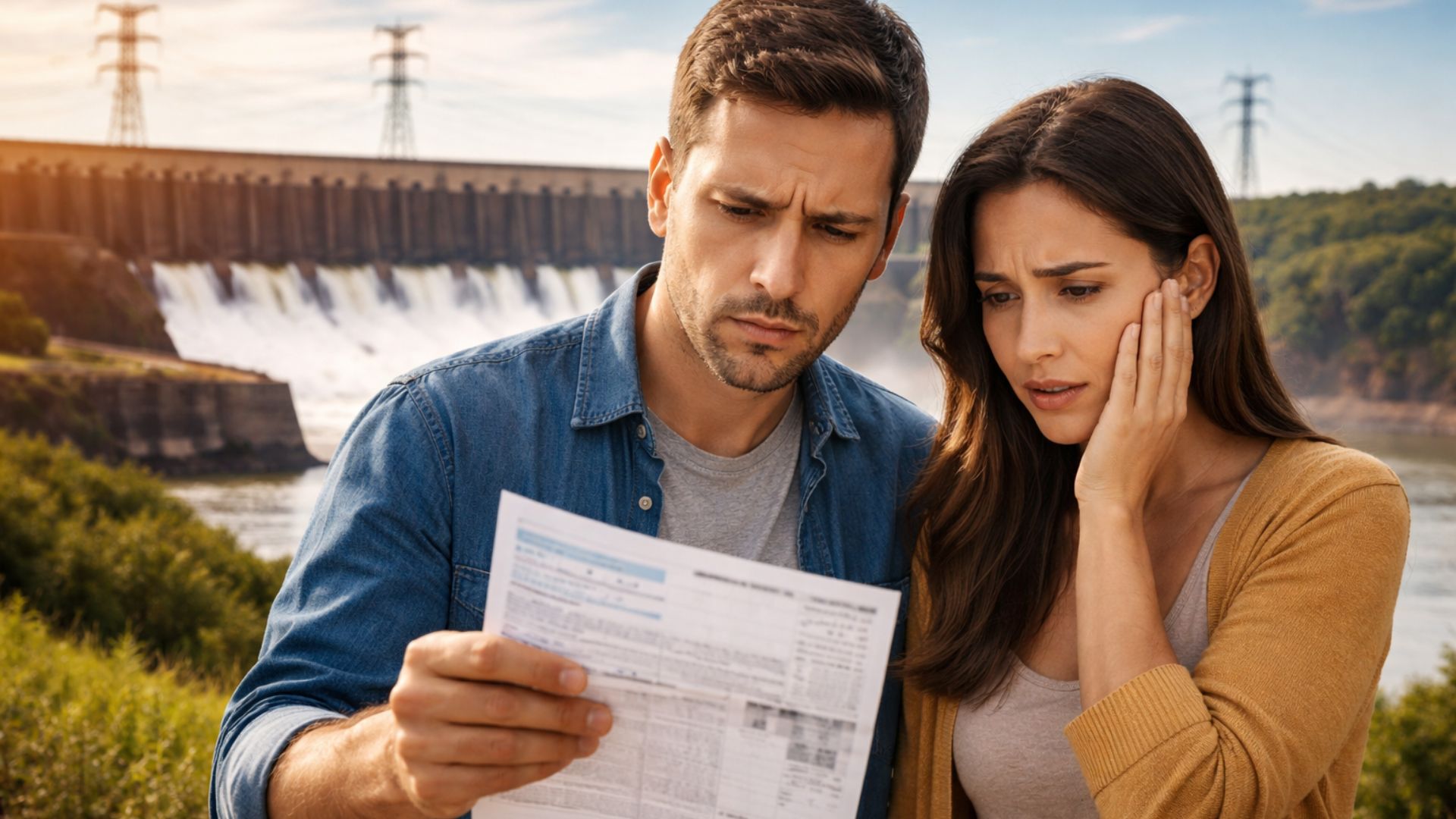
Brazilians paid R$ 18 billion more for energy from the Itaipu plant, reflecting a direct impact on tariffs and generating discussions about costs, transparency, and balance in the national electricity sector.
-
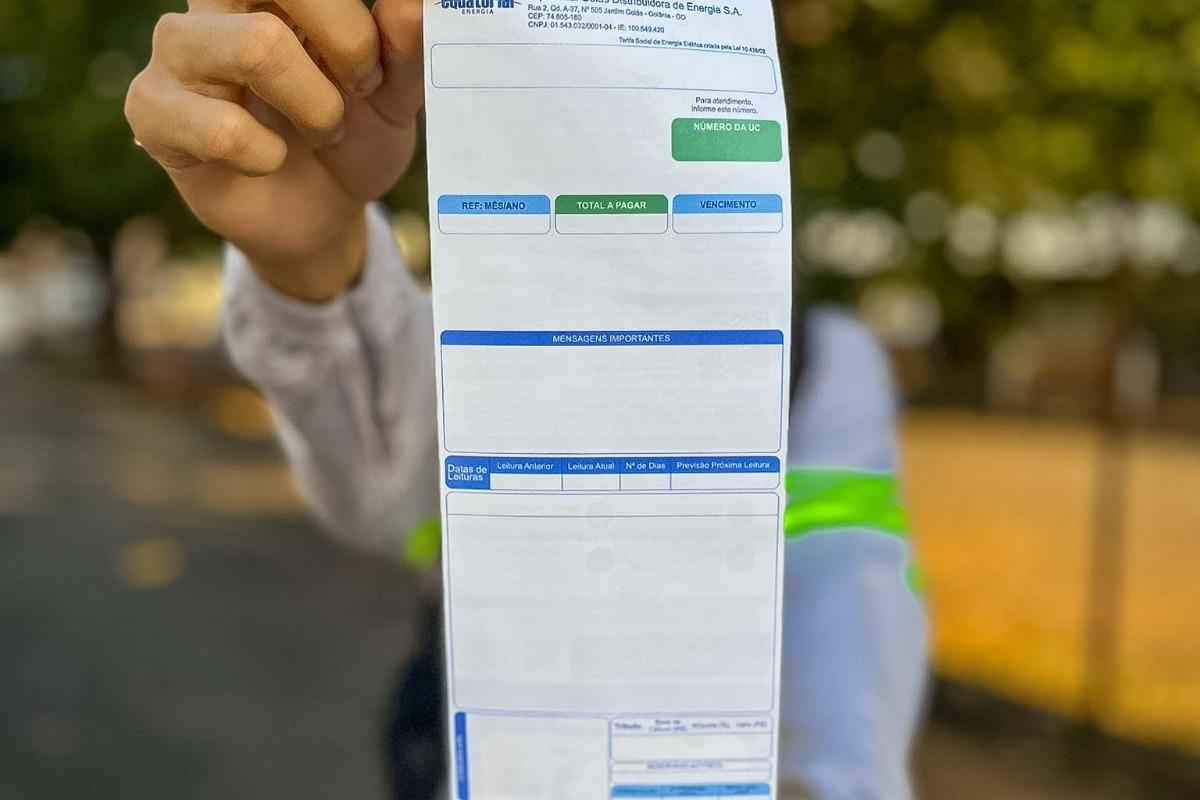
Equatorial adopts new national number for consumer units on electricity bills starting in April, following ANEEL standards and modernizing energy bills in several states.
-
Itaipu Impresses the World: Hydroelectric Plant with 20 Turbines and 14,000 MW Generates Over 2.9 Billion MWh and Leads Global Clean Energy Production

-
Aneel Revokes CMAA Thermal Power Plants After Network Restrictions and Excess Energy in the System


In light of this scenario, the government decided to transform the surplus into a direct benefit for the population. Rather than penalize the system, the energy is used to reduce consumers’ electricity bills. The logic is simple: encourage usage precisely when there is more available supply.
How the Free Electricity Program Works
Named Solar Sharer, the program mandates that distributors offer at least three hours of free electricity daily. This period coincides with the peak of solar generation, when the marginal cost of energy is lowest.
During this window, residents are encouraged to concentrate energy-intensive activities. These include doing laundry, using more powerful machines, heating water, and charging electric vehicles. By shifting consumption, the system becomes more balanced.
All homes with wireless smart meters will have automatic access to the benefit. This includes properties without solar panels, broadening the social reach of the measure and ensuring that only renewable energy producers do not benefit.
Reduction of Electricity Bills and Impact on Daily Life
In practice, the program directly reduces the value of the monthly electricity bill. By shifting part of the consumption to free hours, families can ease their household budgets without drastically altering their routines.
Additionally, the measure reduces pressure on the electrical grid during peak night hours, when demand tends to be higher and electricity is more expensive. This allows the system to operate more stably, decreasing the risks of overload and blackouts.
Where the Initiative Begins and Next Steps
According to information released by Valor Econômico, Solar Sharer will begin to take effect in July of next year. The initial implementation will take place in two strategic states: New South Wales and Queensland, regions with high population density and a strong presence of solar energy.
If the results are positive, the government is considering expanding the program to other areas of the country. The expectation is that the model will serve as a reference for future public policies aimed at intelligent energy management.
Renewable Energy Already Dominates Part of the Matrix
The numbers reinforce the context of the decision. Last year, 36% of all energy produced in Australia came from renewable sources. Among the 27 million inhabitants, more than four million already have solar panels installed in their homes.
These systems account for about 12% of national generation. The rapid growth has created a new challenge: how to absorb all this production without generating waste or additional costs to the system.
Electricity Bill as a Tool for Cultural Change
By eliminating the electricity bill for a few hours, the government is also betting on a cultural shift. The proposal encourages citizens to understand how the electrical system works and to adapt their consumption habits.
More than financial relief, the initiative reinforces a new relationship between technology, sustainability, and conscious energy use. For many Australians, the program represents a milestone in how electricity transitions from being just a fixed cost to becoming a shared resource.








Seja o primeiro a reagir!