





 Portuguese
  English
  Spanish
  6 min of reading
  22 comments


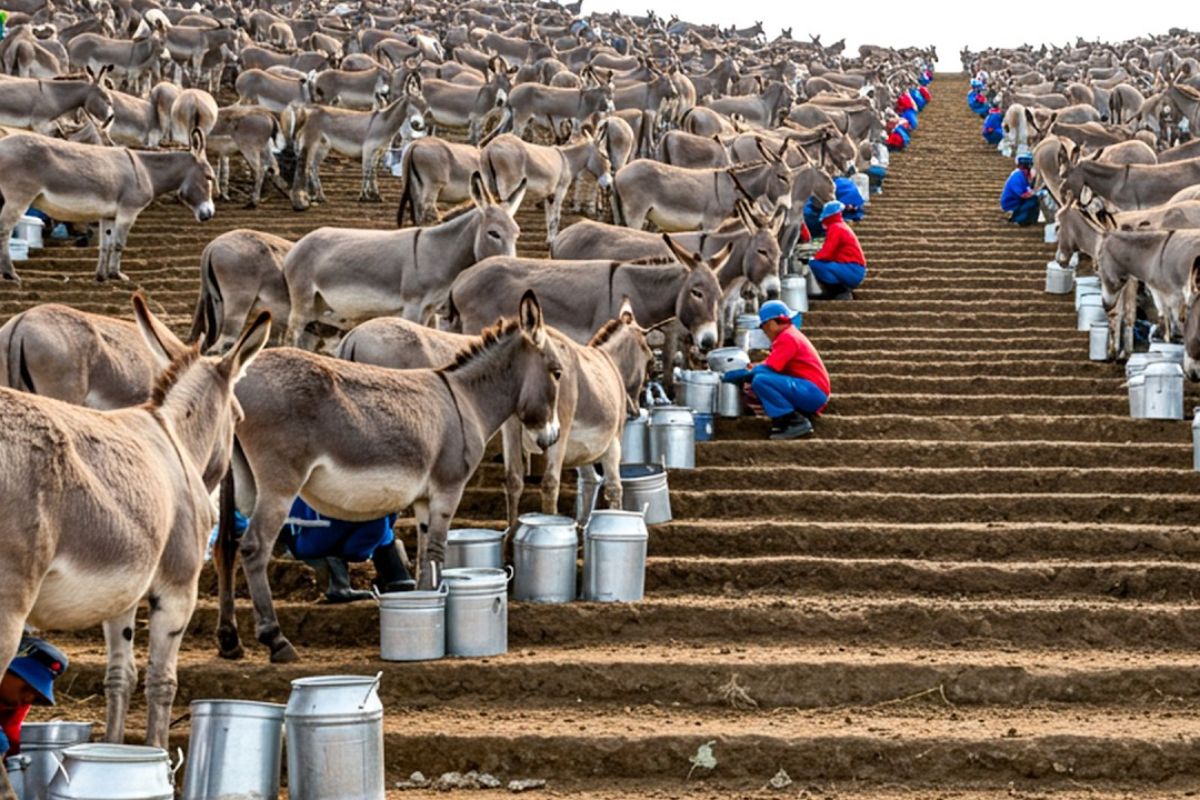


In A Farm Planned As An Industry, Donkeys Provide Premium Meat, Milk Used In Cosmetics And Valuable Skins, While Deer Produce Medicinal Antlers And Noble Meat, Showing How Modern Livestock Farming Transforms Common Animals Into Strategic Assets Of Very High Commercial And Cultural Value In A Competitive, Globalized And Rapidly Expanding Market.
In the classic image that many people have of the countryside, the Farm is that place with cows, chickens, and pigs roaming the pasture. Here, the scenario is different. In this modern Farm in China, donkeys and deer are treated as high-value living machines, capable of generating premium meat, rare milk, coveted skins, and antlers used in traditional medicine and wellness products.
Instead of viewing the animal merely as a “livestock,” the project treats each stage as part of a precise industrial chain. From feed to transport, from the pen to the laboratory, everything is measured, controlled, and utilized so that the Farm can extract the maximum possible value from every kilogram produced.
Inside A Farm That Functions As An Industry

Right at the entrance, the impression is not of a farm, but of an agroindustrial complex. The Farm is organized by sectors: donkey area, deer area, management structures, processing unit, and storage spaces.
-
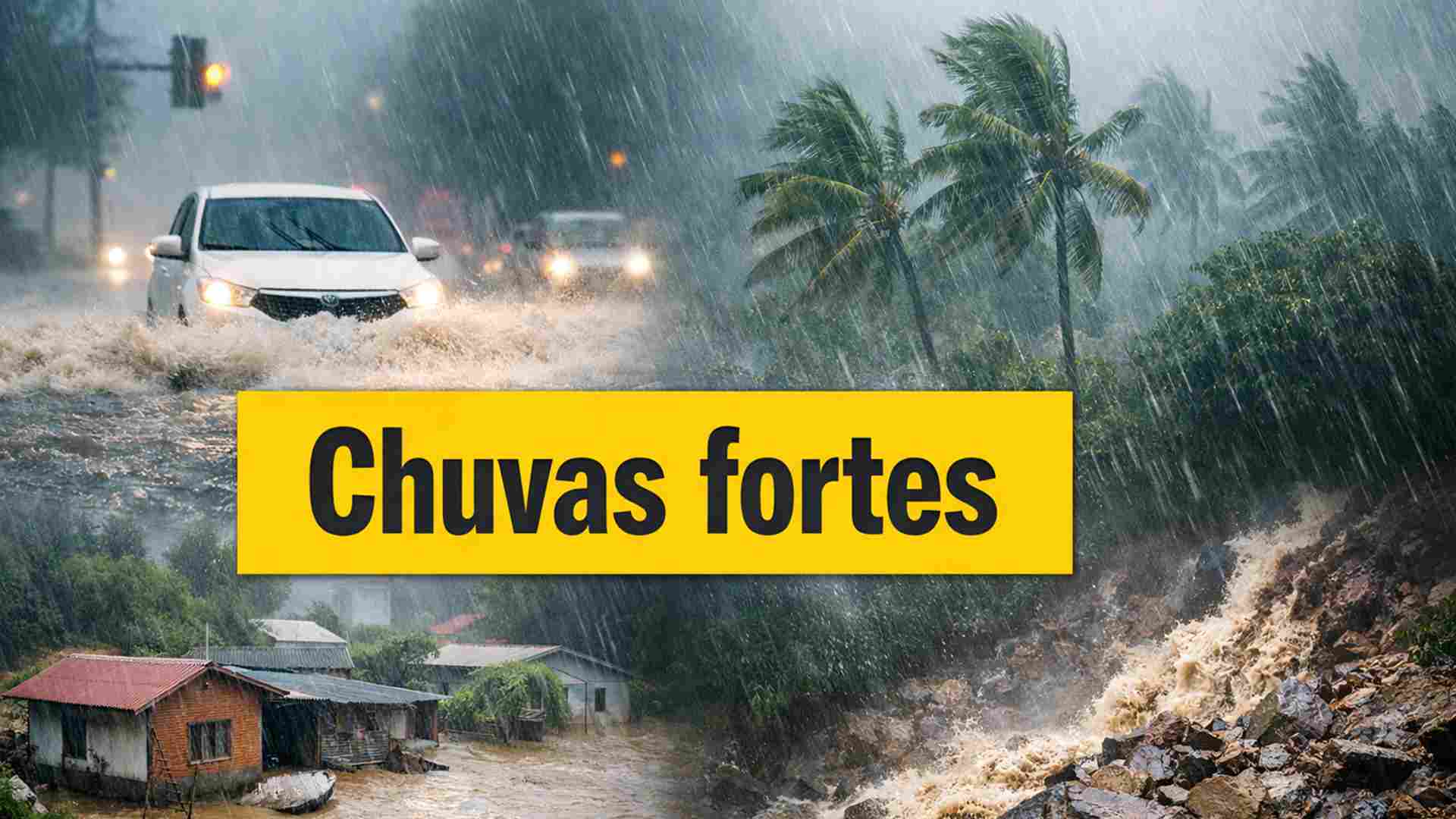
Rain gains strength in April, potentially exceeding 150 mm, placing the North, Northeast, and the coasts of the South and Southeast at the center of the heaviest forecast of the week.
-
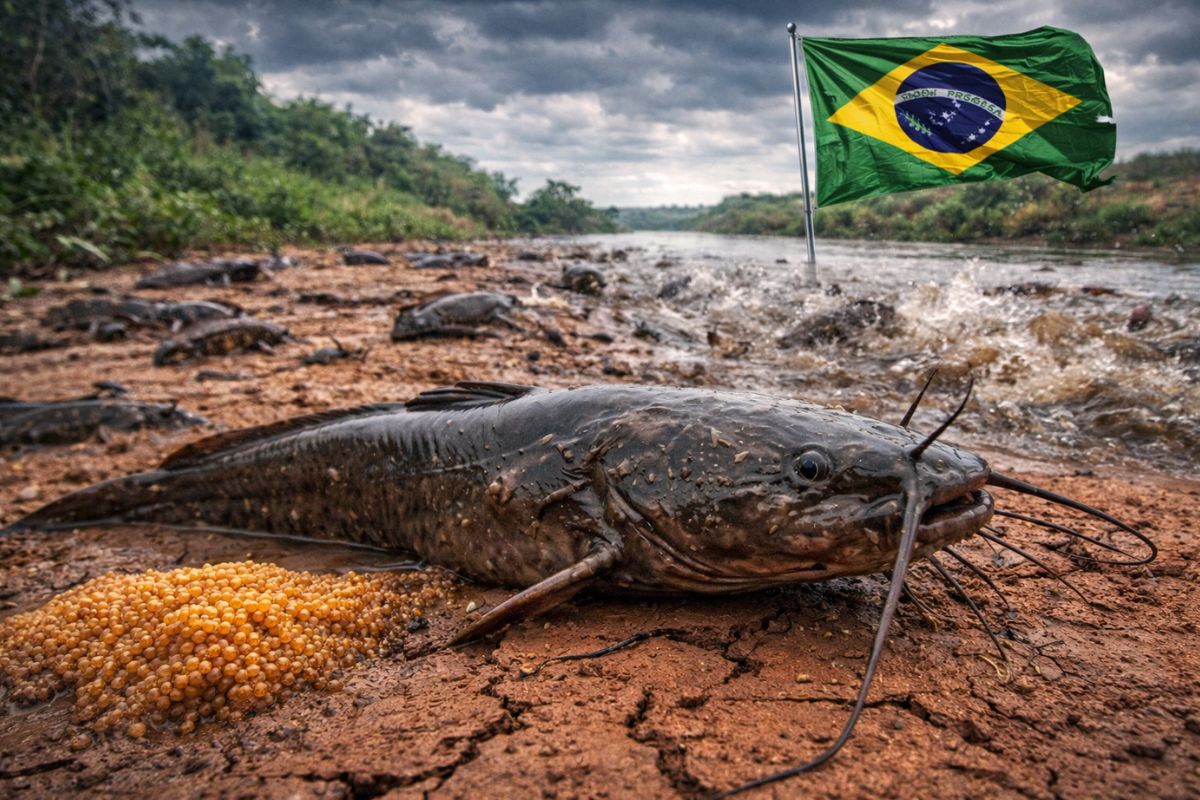
A fish that survives out of water, crawls on land until it finds another river, and whose female lays 80,000 eggs at once is infesting rivers and lakes in Brazil, and no one can stop this invasion.
-
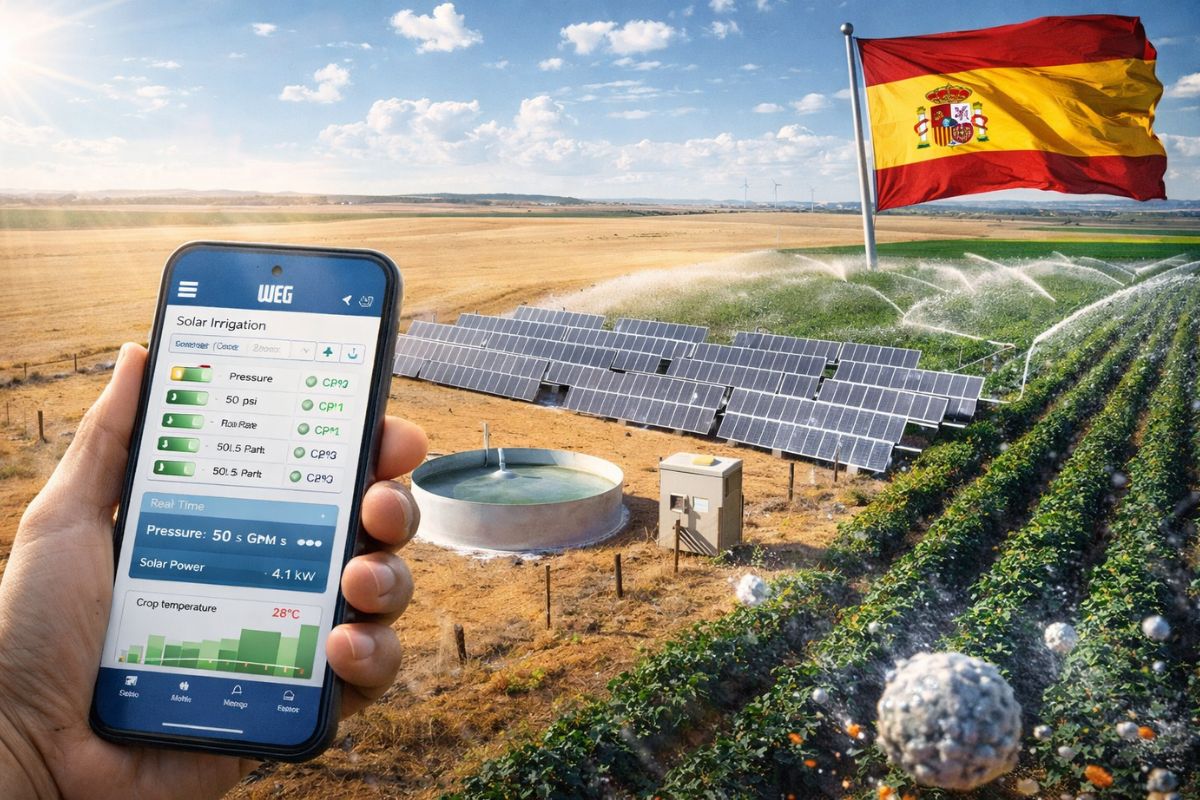
WEG took its technology to Spain to create a solar irrigation system that operates independently without needing an electrical grid, and now farmers control everything remotely via their mobile phones.
-
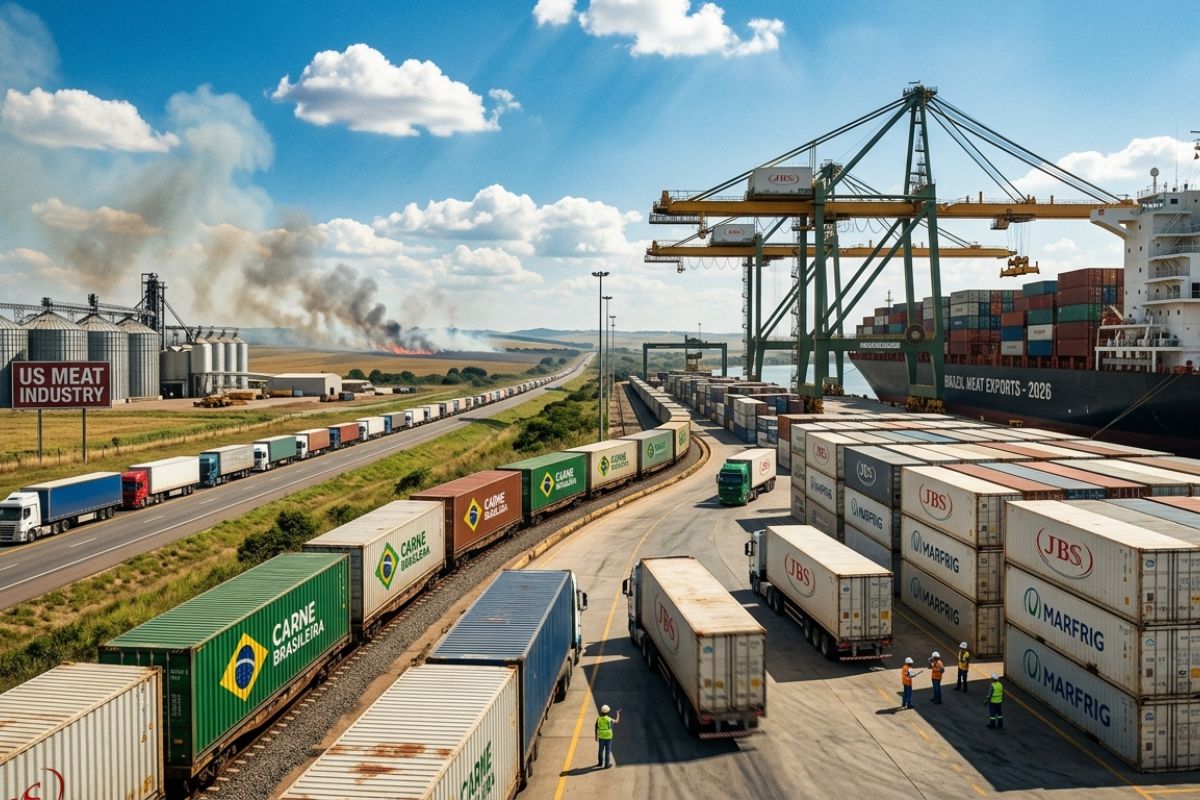
The US faces a meat crisis with fires, pests, and strikes, consumption rises and supply falls to the lowest level since 1952, creating a billion-dollar opportunity for Brazilian exports to grow in 2026.

Each animal represents a variety of different products, not just a single outcome.

At the core of the project is the idea that a single Farm can support multiple businesses at the same time.
From the donkeys come meat, milk, and skins that turn into collagen and special gelatins. From the deer, noble meat and primarily the velvet antlers, seen in many Eastern traditions as “soft gold” for health and vitality.
With a professional breeding model, the Farm can provide hundreds of tons of donkey meat, thousands of liters of milk, and enough skins to produce a whole line of high-value products each year, all supplying niche markets that pay dearly for differentiation.
Donkeys: Premium Meat, Rare Milk, and Collagen-Rich Skins

In the area designated for donkeys, the Farm works with planned feeding from the start. As they grow, the animals begin to receive mixtures of ground corn meal and straw combined with fiber-rich meals, formulated to be easy to digest and promote digestive system development.
The donkeys also have access to mineral salt blocks, known as “lick-salts.” They serve to replace essential microelements, stimulate saliva production, aid digestion, and even perform a sort of “natural cleaning” of the mouth, reducing appetite problems and weight loss.
The result is a healthier animal, with firm meat, proper texture, and good fat cover. In the kitchen, this meat turns into high-value dishes.
One highlight is slow-cooked donkey meat with herbs and spices, which is then marinated with star anise, cinnamon, Sichuan pepper, ginger, green onions, garlic, and typical oriental wine, creating a deep and aromatic flavor.
The donkey milk is another pillar of the Farm. It is valued worldwide for being used in high-end cosmetics and functional foods, allowing the same structure that produces meat to also supply factories of creams, supplements, and special cheeses.
In controlled processes, the milk is heated, coagulated, cut into small cubes, stirred, and taken to temperatures around 70 to 80 degrees, where the mass is stretched and kneaded until it forms soft strands, resulting in cheeses with a unique texture.
The skins enter the more “invisible” part of the chain. After slaughter, they undergo immersion, washing, and purification stages, removing impurities before being air-dried or dehydrated in temperature-controlled environments.
This care preserves collagen fibers, which will later be transformed into gelatins and ingredients used in foods, capsules, and beauty products.
From Farm To Transport: Well-Being As Economic Strategy
The route between the pen and the processing unit is also treated as a piece of the machinery. The trucks serving the Farm are equipped with non-slip floors, high sides, and ventilation systems, all designed to keep the animals stable and reduce stress during transit.
Throughout the journey, there is oversight by technicians and veterinarians, ensuring compliance with live animal transport regulations.
Less stress means better meat, fewer losses, fewer bruises, and more yield at the slaughterhouse, reinforcing the logic that taking good care of the animal is not just an ethical issue but also a financial one.
Likewise, the Farm monitors the flow of skins and by-products, maintaining a constant supply line for industries that depend on collagen, gelatin, and derivatives. Nothing is treated as “leftovers”; everything is a raw material.
Deer And The “Soft Gold” Of Velvet Antlers

In the deer area, the logic changes, but remains industrial. The Farm does not seek only meat or hides. The main focus is the velvet antlers, referred to in various Asian traditions as the “soft gold” of eastern medicine, used in medicinal wines, extracts, tonics, and therapeutic baths.

The handling begins with feeding. The employees roll bundles of wheat straw, which arrive at the pens as a source of fiber.
The straw is evenly distributed in the troughs, ensuring that each deer receives its share of natural food, important for the functioning of the intestines and the animal’s balance.
At the time of velvet harvest, adult deer are calmly led from the pastures to a specific handling pen.
This space is narrow, designed to accommodate the animal with minimal movement, reducing panic reactions and risk of injury.
The antler harvest is treated as a technical procedure, not as improvisation, and follows protocols to protect the animal and the product.
Once removed, the antlers undergo controlled drying. When they are completely dry, they are ground into a fine powder.
This raw material can be used directly or transformed into tablets, capsules, liquid extracts, tonics, and even medicinal wines, where the alcohol acts as a vehicle and the antler compound provides what tradition considers the “essence” of therapeutic value.

The Farm Between Tradition, Medicine, And The Gourmet Market
Besides antlers, the Farm also takes advantage of deer meat. In many markets, especially in the East, deer meat is seen as a noble product, relatively rare and associated with special dishes. Therefore, slaughter is done under strict hygiene control, focusing on the final quality of the meat.
The velvet from deer antlers is also a basis for traditional therapeutic baths, which use extracts or pieces of antler to create wellness and beauty experiences.
This type of practice has also gained ground outside of Asia, reinforcing the idea that a single Farm can connect both with ancient traditions and modern spas and clinics.
At the end of the chain, the picture is clear: donkeys and deer that, in many places, would be treated as common animals, here transform into sources of products that reach laboratories, high gastronomy kitchens, cosmetics factories, and wellness brands.
How The Farm Transforms Animal Into A High-Value Asset
What sets this Farm apart is not just the species of the animals, but the mentality. Everything is thought of as an integrated system.
The same structure that feeds and transports donkeys for premium meat is also the one that ensures rare milk and collagen-rich skins.
The same area that cares for the deer with quality feed also prepares the ground for the harvest of velvet antlers that will turn into powder, capsules, and medicinal wines.
Instead of relying solely on the sale of a raw product, the Farm relies on a multi-faceted strategy: special foods, ingredients for industry, products related to beauty and health, therapeutic experiences, and niche gastronomy.
Each animal becomes worth much more because almost everything it produces is intelligently utilized.
Amidst the debate about the future of the countryside, sustainability, and profitability, models like this show a way forward: less improvisation, more planning, animal welfare seen as an investment, and total utilization of by-products.
Thinking about this Farm model that transforms donkeys and deer into a chain of such varied products, do you believe that the future of the countryside lies in highly specialized systems like this or do you prefer the idea of simpler, diversified small properties?









Peço a Deus que perdoe estes seres humanos
Sou contra abater tanto cavalos, burrices, veados e bois. É uma ignorância alheia e mostra o extermínio dos animais como o boto cor de rosa, preguiça, e outros animais silvestres na Amazônia, temos que ser mais vegetariano e procurar outras alternativas.
Linda história
Sonho mirabolante
Um Orgasmo do Cérebro.
Próximo epis**** será ” A Fazenda dos Ratos ” kkkkk