





 Portuguese
  English
  Spanish
  3 min of reading
  0 comments


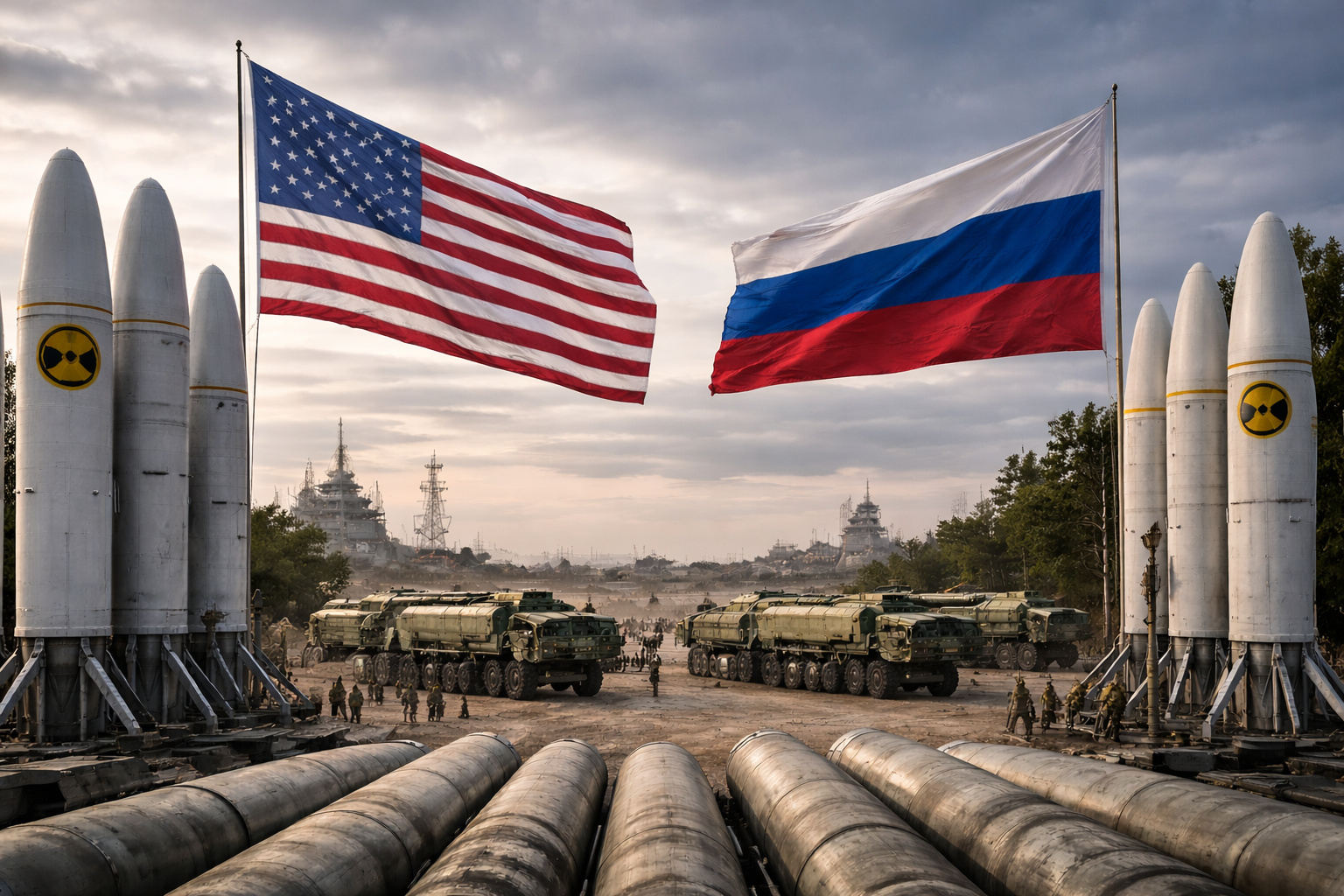
The Expiration of New START Removes Strategic Limits, Increases Global Risks, and Reignites Fears of a New Nuclear Arms Race in the 21st Century
The international system has recently entered a critical phase of nuclear instability, raising concerns among global leaders and security experts. On February 5, the primary nuclear arms control treaty between Russia and the United States expired without renewal or replacement, creating a dangerous regulatory vacuum.
Since then, analysts have assessed that the absence of formal limits allows for the accelerated reconstruction of strategic nuclear arsenals, profoundly altering the international security balance and increasing global escalation risks.
New START Treaty Limited Strategic Nuclear Weapons
The New START Treaty functioned, for more than a decade, as the main pillar of bilateral nuclear control between Moscow and Washington. Thus, the agreement established verifiable technical rules, reducing uncertainties and strengthening strategic predictability.
-
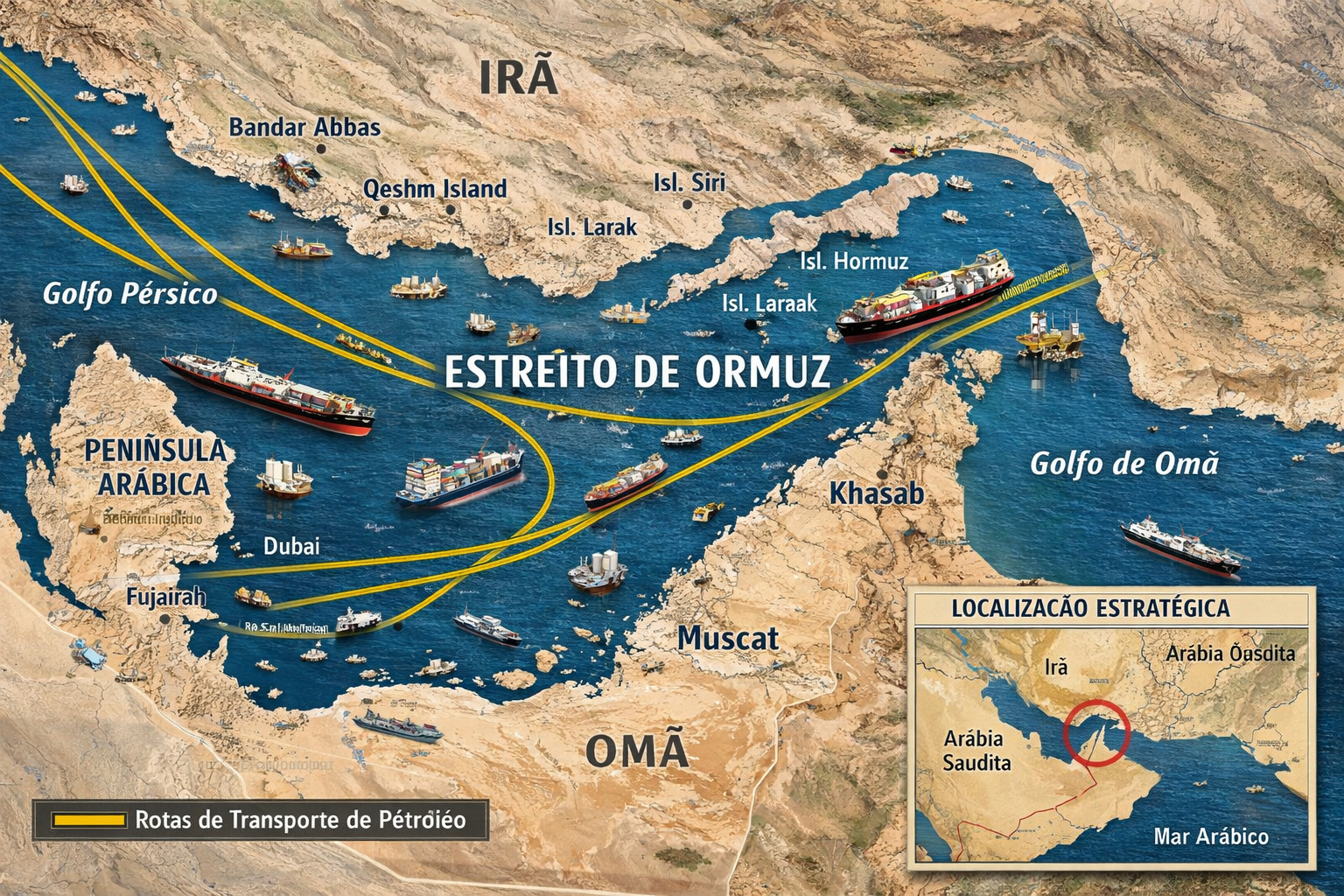
Global summit with over 40 countries pressures Iran for a blockade in the Strait of Hormuz and warns of direct impact on oil, food, and the global economy.
-
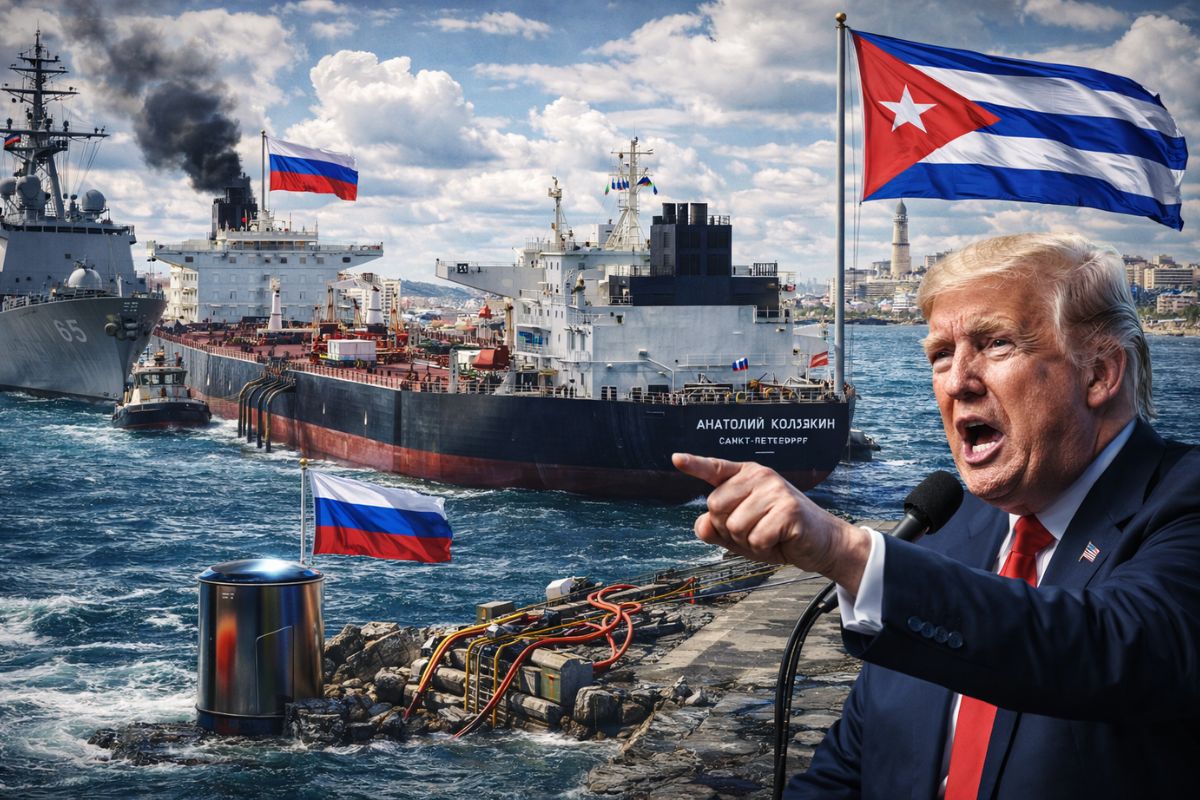
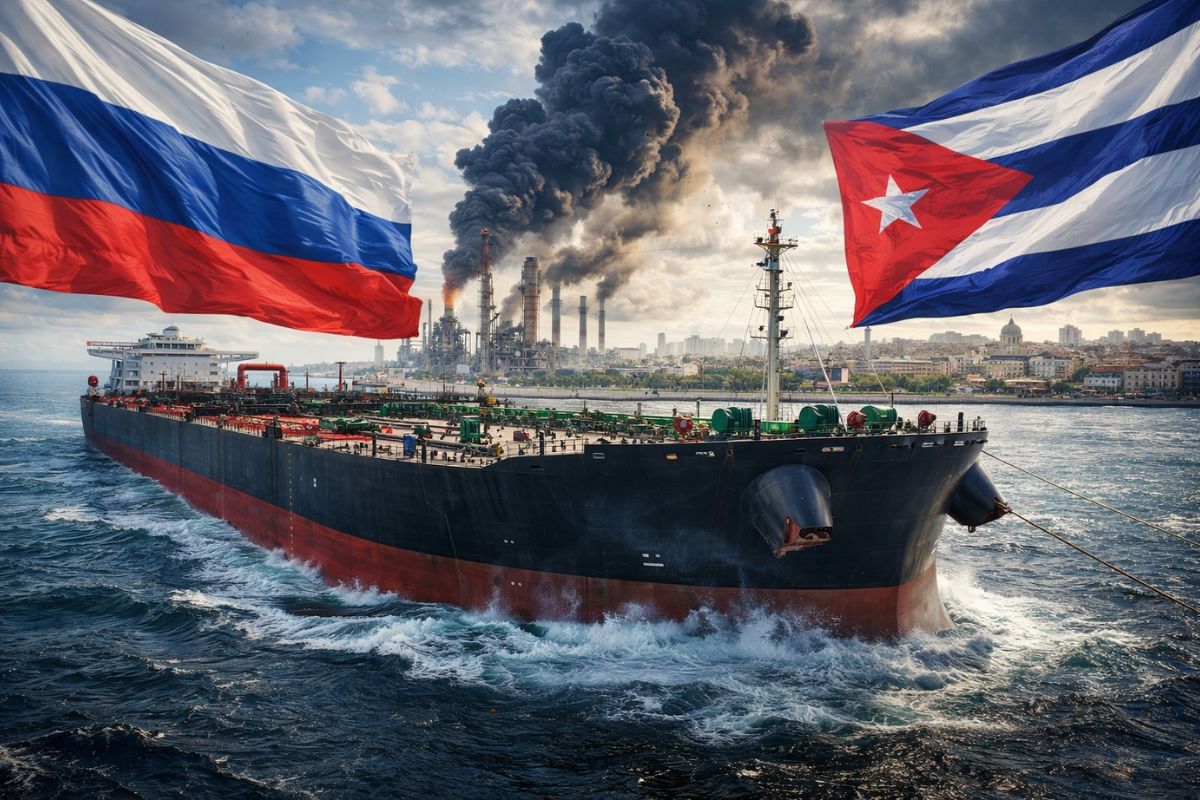
Russia has broken the U.S. maritime blockade to send oil to Cuba and is now loading a second ship while Trump says that “Cuba is next” in a possible military action against the island.
-
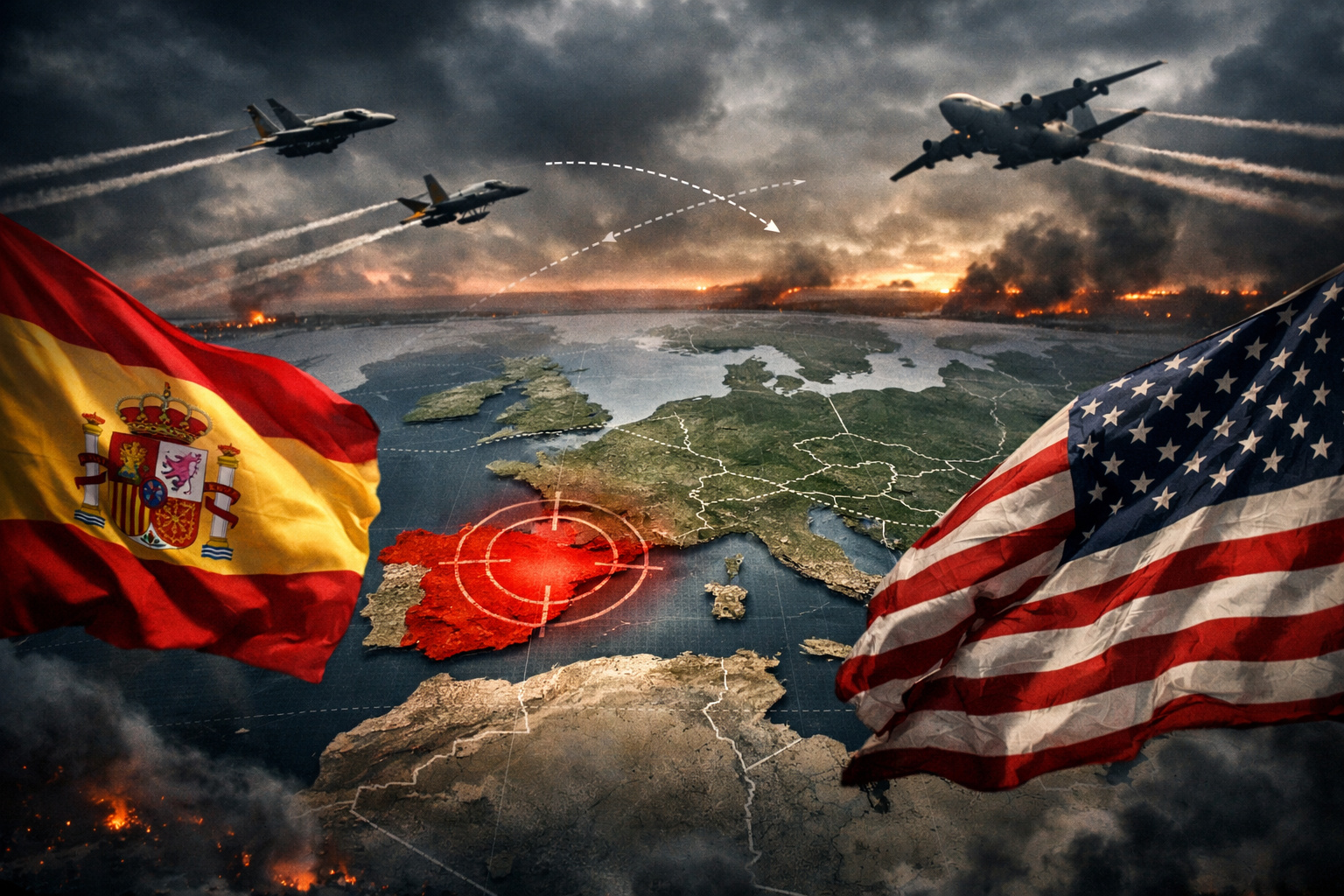
Spain challenges the USA and closes its airspace for operations against Iran, raising global tension and provoking the threat of a trade rupture.
-
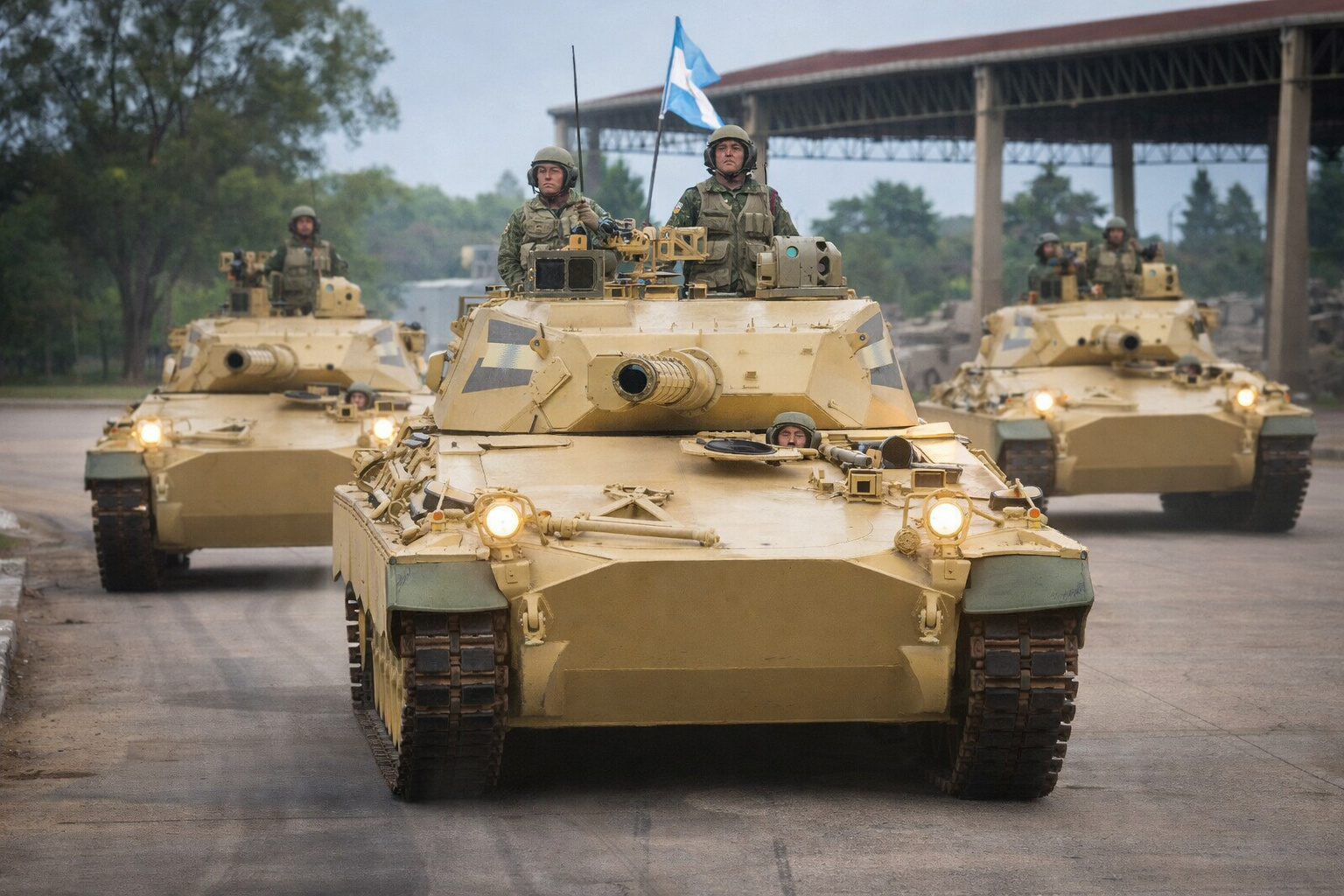
While no other country manufactures tanks in Latin America, Argentina activates the TAM 2C-A2 and raises a curiosity about the technological lag in the region.

According to the U.S. Department of State, the treaty limited 1,550 deployed strategic nuclear warheads, as well as up to 800 strategic launchers, both active and inactive, creating a clear ceiling for both countries.

Operational Rules Reduced Escalation Risks
Furthermore, New START restricted up to 700 ballistic missiles launched from submarines or heavy bombers. This way, each nuclear-capable bomber was counted in the final total, eliminating interpretative loopholes.
As a result, verification mechanisms prevented strategic distortions, facilitated inspections, and helped contain potentially destabilizing unilateral decisions.
Timeline of the Agreement and Compliance with Limits
The treaty entered into force on February 5, 2011. As planned, by February 5, 2018, Russia and the United States fully met the established limits. Since then, they have maintained their arsenals within or below the agreed ceilings.
Now, with the official end of the agreement in February 2026, this containment system has ceased to exist, creating an unprecedented scenario in recent decades.
Experts Warn of Uncontrolled Nuclear Buildup
In this context, the Nuclear Threat Initiative warned in a recent report that the world could enter “a period of potential runaway nuclear buildup”. Furthermore, the organization highlighted that the new arms race is likely to be more complex than that of the Cold War.
This risk increases, especially due to the expansion of China’s nuclear arsenal and the incorporation of emerging technologies with high destabilizing potential, factors that elevate strategic unpredictability.
UN Sees Serious Moment for International Security
In this context, the Secretary-General of the United Nations, António Guterres, warned that the world is experiencing “a serious moment for international peace and security”, according to a statement published by The Guardian.
According to Guterres, for the first time in over half a century, there are no legally binding limits on the strategic arsenals of the two largest nuclear powers on the planet, which increases global risks.
The Secretary-General also emphasized that New START and similar agreements drastically improved global security, and that its dissolution occurs at the worst possible time, when the risk of nuclear weapon use is the highest in decades.
Russia and the United States Hold 80% of Nuclear Weapons
Data cited by The Guardian indicate that Russia and the United States control about 80% of all nuclear weapons in the world. Thus, any strategic change between the two countries directly impacts the entire international community.
China Enters the Center of the Debate on a New Agreement
Despite the critical scenario, on February 4, U.S. Secretary of State Marco Rubio stated that President Donald Trump intends to resume negotiations for a new nuclear control agreement.
According to Rubio, effective control in the 21st century is not possible without including China, considering the accelerated growth of its nuclear stockpile, which adds a new layer of complexity to the global debate.









Seja o primeiro a reagir!