





 Portuguese
  English
  Spanish
  6 min of reading
  3 comments


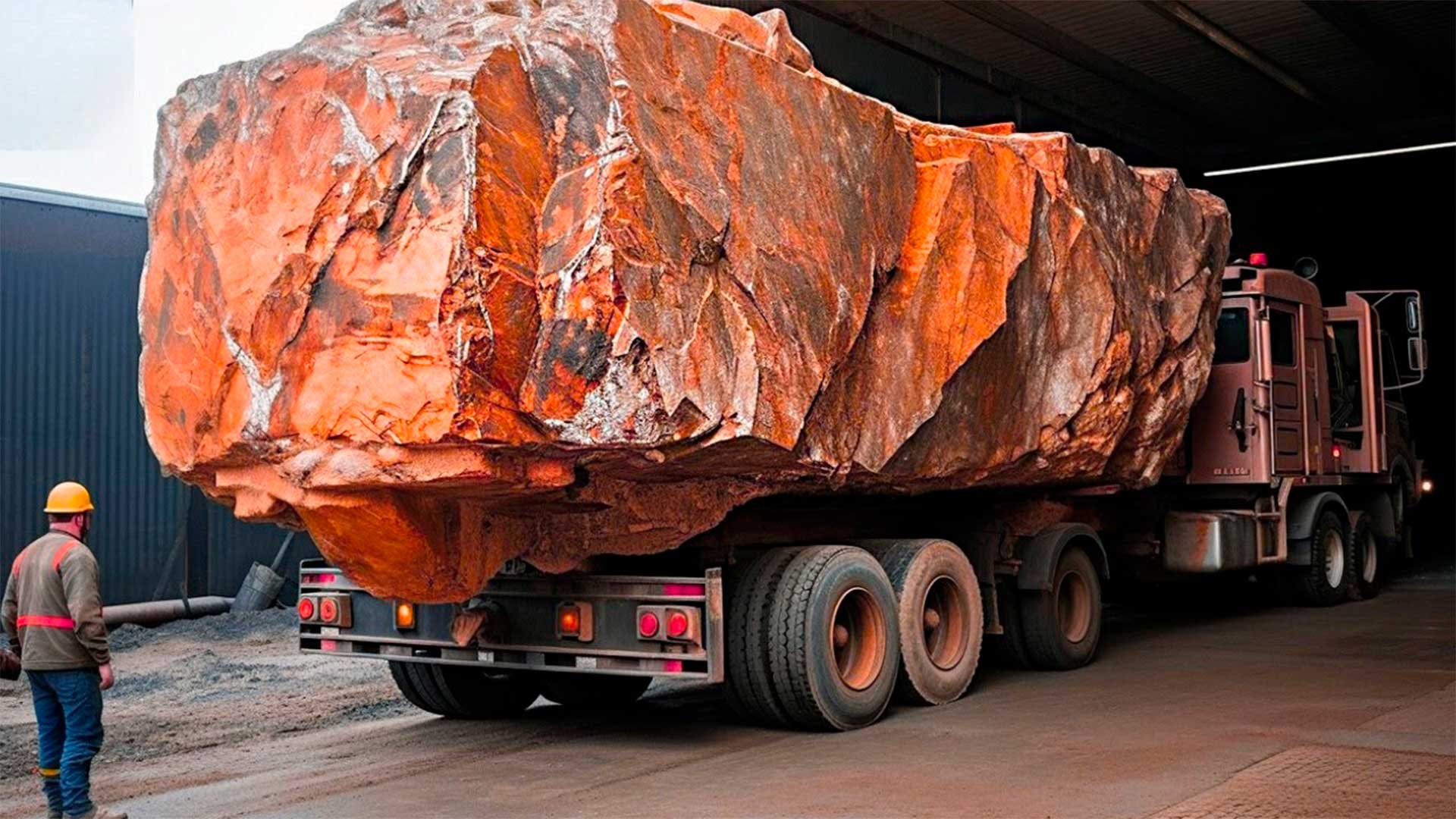


Essential Metal of the Digital Economy and Energy Transition, Copper Goes Through a Long Path from Blasts in Open-Pit Mines to Ultra-Pure Wires. Understand How Industrial Production Works, Brazil’s Role, and the Environmental Challenges Surrounding This Process.
Copper is today one of the pillars of the modern economy. It is found in electrical cables, motors, transformers, solar panels, charging stations, piping, and, of course, inside virtually every cell phone. Its high conductivity, resistance to corrosion, and ease of recycling explain why it is so sought after.
Reports from the International Energy Agency indicate that the demand for copper for clean energy technologies is expected to grow significantly in the coming decades. The projection is that, in scenarios with greater climate ambition, more than 40 percent of total copper demand will come from applications related to the energy transition, such as renewables and reinforced power grids.
Electric and hybrid cars also drive this consumption. International studies show that an electric vehicle can use up to double the amount of copper compared to a conventional car, thanks to the electric motor, wiring, batteries, and charging systems. Hybrid vehicles use less copper than pure electric ones, but still more than combustion vehicles, which helps explain why the metal has become a key piece in the future of mobility.
-
The village where two rivers run side by side without mixing in Santarém and Alter do Chão reveals some of the most beautiful freshwater beaches on the planet.

-
Brazil’s nuclear submarine with a speed 5 times greater than normal advances after nearly 50 years and R$ 40 billion spent.

-
A Brazilian island charges R$ 0.50 to receive visitors and prohibits any new residents.
-
Why was the Great Wall of China built? The truth that many are unaware of!

In addition to vehicles, the expansion and modernization of transmission and distribution networks weigh on the market. A recent report highlights that global investment in electrical networks is expected to exceed the mark of 400 billion dollars by 2025, with ongoing growth until 2030, which means more cables, substations, and equipment loaded with copper.
From Prospecting to Blasts: How Copper Mining Begins at the Mine
Before becoming wire, copper must be found in the Earth’s crust. Geologists analyze maps, satellite images, and soil and rock samples to identify areas with potential to host copper ore deposits in economically viable concentrations. Exploratory drilling helps confirm the ore grade at depth.
Once a deposit is approved, the open-pit or underground mine comes into play. In large copper mines, excavators and drillers open dozens of holes several meters deep. These holes are filled with carefully calculated explosive mixtures. The blasts fragment huge volumes of rock, allowing giant excavators to load the material onto off-road trucks with capacities of hundreds of tons.
From there, an almost continuous operation begins. Trucks go back and forth between the crushing yard and the mining face, while control centers monitor truck flow, diesel consumption, safety, and productivity in real-time. All this to extract rocks that often contain less than 1 to 5 percent copper, requiring intensive processing to concentrate the metal of interest.
From Raw Ore to Nearly 100 Percent Pure Copper: Step-by-Step of Industrial Processing

Once extracted, the ore goes to crushing and grinding. Crushers reduce the stones to smaller pieces, and then mills with steel balls turn the material into a fine slurry. From there, the pathway changes according to the type of ore, which can be oxide or sulfide, each with its own concentration and refining process.
In oxidized ores, it is common to use heap leaching. The crushed rocks are stacked on large impermeable platforms and irrigated with a diluted solution of sulfuric acid. Over the course of weeks, the acid gradually dissolves the copper contained in the rocks, forming a solution rich in copper ions that is collected at the base of the heaps and sent to processing tanks.
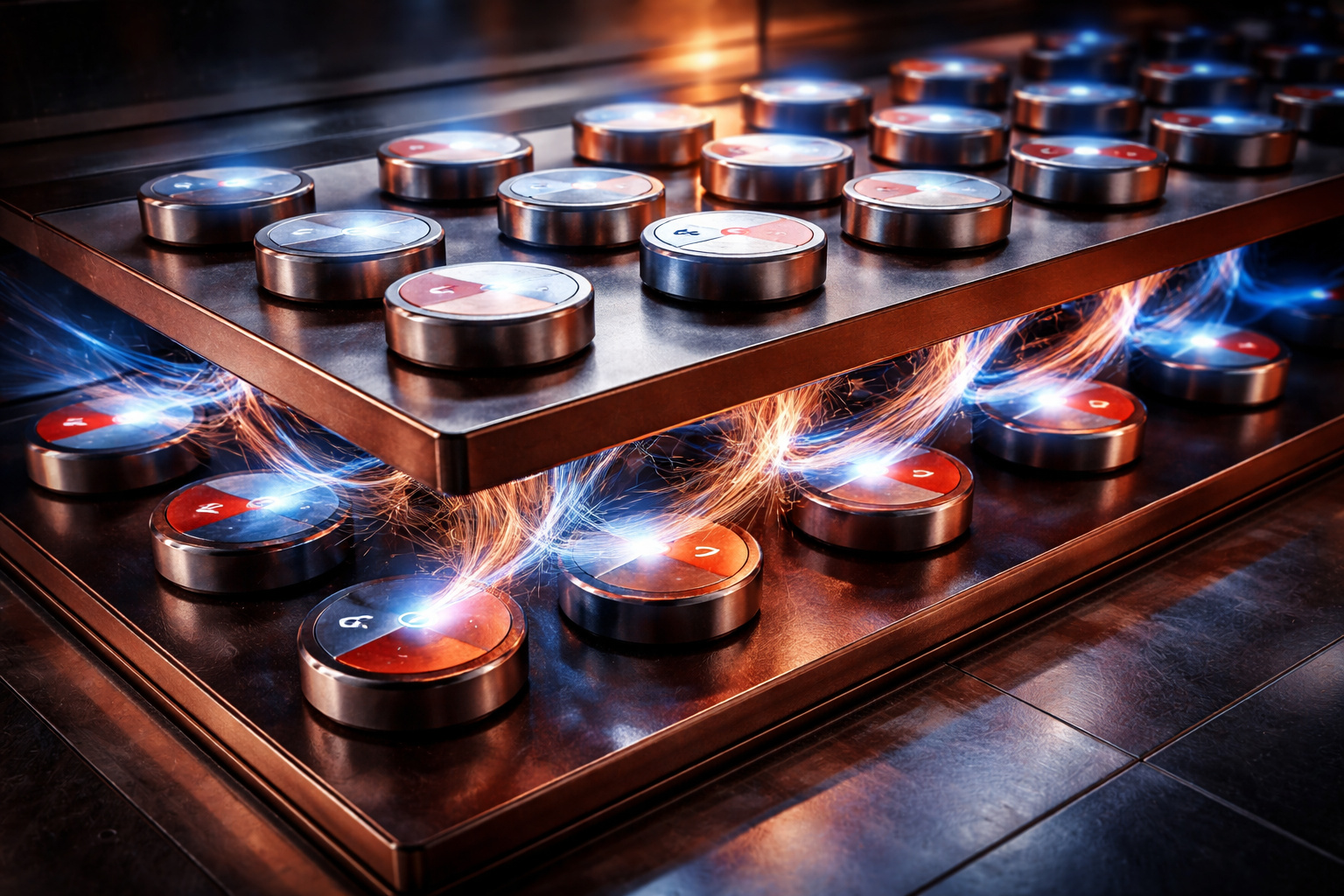
This solution undergoes solvent extraction and electrowinning steps. In special tanks, copper is transferred to an organic phase and then reconcentrated in a conductive acidic solution. The solution is then pumped into electrolytic cells with metal sheets called cathodes. With the passage of electric current, copper deposits on these sheets, forming plates with purity close to 99.99 percent, the standard required for high-reliability electrical applications.
In the case of sulfide ores, the classic route combines flotation and smelting. After fine grinding, chemical reagents are added to make the copper particles hydrophobic. In flotation tanks, air bubbles carry these particles to the surface, forming a copper-rich foam. This foam is removed and filtered, resulting in a concentrate with grades exceeding 30 percent copper.
The concentrate is then sent to smelting and converting furnaces. At high temperatures, an intermediate copper called blister forms, with about 98 to 99 percent purity. This material still undergoes electrolytic refining, where impure copper plates act as anodes and thin plates as cathodes. With electric current, pure copper migrates from one side to the other, leaving impurities behind and achieving the same purity of 99.99 percent seen in the leaching route. Only then is the metal solidified into bars, rods, and wires that will go into cables, motors, and other products.
Brazil on the Copper Route: Opportunities, Impacts, and Environmental Debate
Although still accounting for a relatively small share of global production, Brazil has been gaining space on the copper map. Estimates indicate that the country produces around 400 thousand tons per year, close to 3 to 4 percent of global supply. The majority of this volume comes from the Carajás mineral province in Pará, with highlights being the Salobo and Sossego mines, operated by Vale, as well as operations like Caraíba in Bahia, controlled by Ero Copper.
In the coming years, announced investments in copper projects in Brazil total billions of dollars, with expectations to triple the investments in new enterprises between 2023 and 2027. The goal is to take advantage of growing demand driven by the electrical industry, construction, renewable energies, and the electrification of the vehicle fleet. This means jobs, infrastructure, and revenue in regions often far from major centers.
At the same time, copper mining brings a number of environmental challenges. Scientific studies show that this type of operation can cause soil degradation, dust and gas emissions, alteration of watercourses, and risks associated with waste dams and sediment disposal. Water management is one of the most sensitive issues since the process consumes large volumes in regions that sometimes already suffer from water scarcity.
Cases in leading production countries like Chile serve as a warning. In the Atacama Desert region, copper and lithium projects have begun to rely on desalinated water from the sea after years of pressure on underground aquifers, leading to conflicts with local communities and questions about the recovery of wetland areas.
For Brazil, the discussion revolves around how to expand copper production with stricter environmental control standards, lower emission technologies, efficient water use, and increased recycling. After all, copper is nearly 100 percent recyclable, and every ton that returns to the cycle reduces the need to open new mining fronts, with all the risks that entails.
In the end, the copper that comes out of the mine and becomes wire in the poles, buildings, and cars that circulate through the streets of Brazil carries much more than electricity. It embodies decisions about development model, protection of biomes, and respect for communities near the mines. And it is precisely this balance between technological progress and socio-environmental responsibility that will determine whether the metal continues to be seen only as a solution or as part of a problem that society needs to confront.
In light of all this, do you think Brazil should accelerate copper mining to take advantage of the demand for electric cars and the energy transition, even with the environmental risks, or should it focus more on recycling and reducing mineral resource consumption? Leave your opinion in the comments.






Se minerar com meios de proteção, e sustentação é importante que aproveita a riqueza mineral para o bem coletivo.
Dificuldade em purificar. Minério e bastante gravoso ao meio ambiente,
Sem sombra de dúvidas, o governo federal precisa investir nesse setor tão estratégico.