





 Portuguese
  English
  Spanish
  3 min of reading
  0 comments


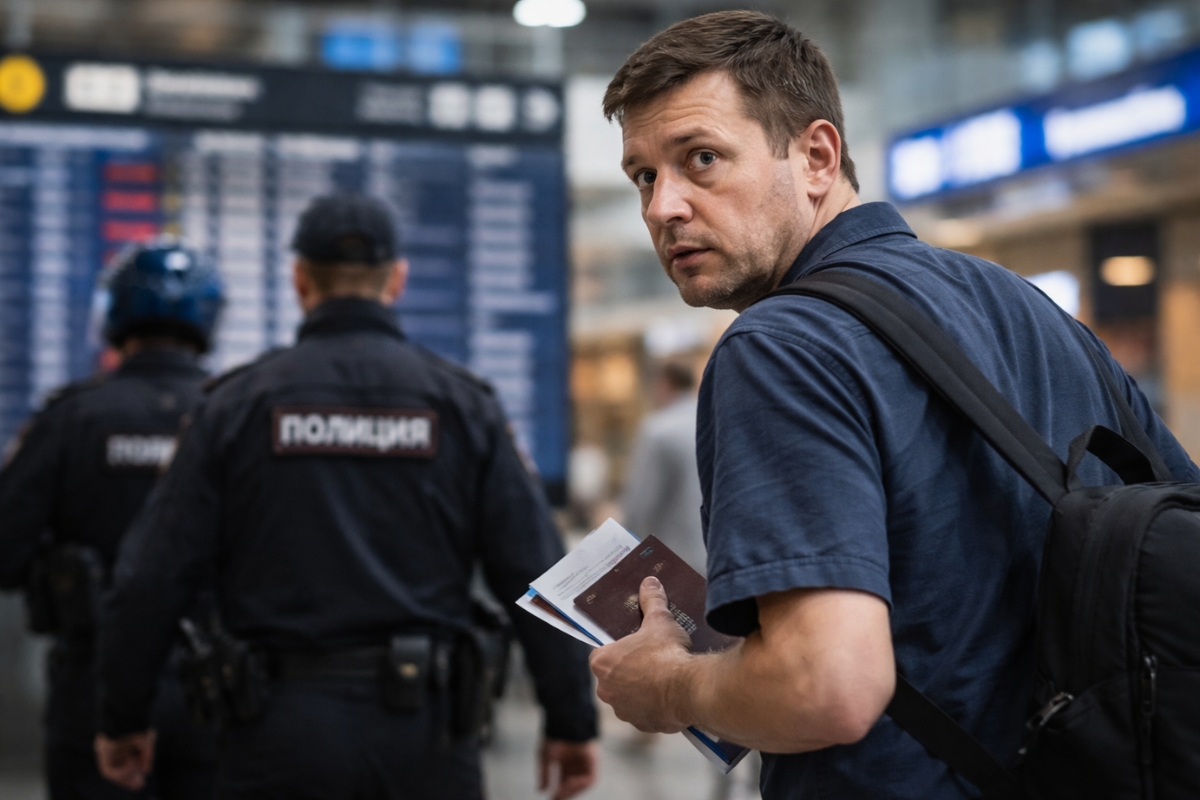
Moscow Filed Requests With Interpol Against Dissidents Abroad And Caused Practical Effects Like Blocked Accounts, While Internal Reviews Toppled Part Of The Cases
Russia has been exploring Interpol channels to try to locate and arrest critics who have left the country, including opponents, businessmen, and journalists. The movement projects influence beyond borders and transforms political disputes into police actions.
In practice, inclusion in international alerts can disrupt daily life, with the risk of detention, travel restrictions, and financial blocking. Even with extra filters after 2022, documents indicate loopholes and setbacks in 2025.
How Red Notices Become A Pressuring Weapon
Interpol is not a global police force, but a system that connects national forces for cooperation. Within it, a Red Notice requests that member countries locate and arrest a person.
-
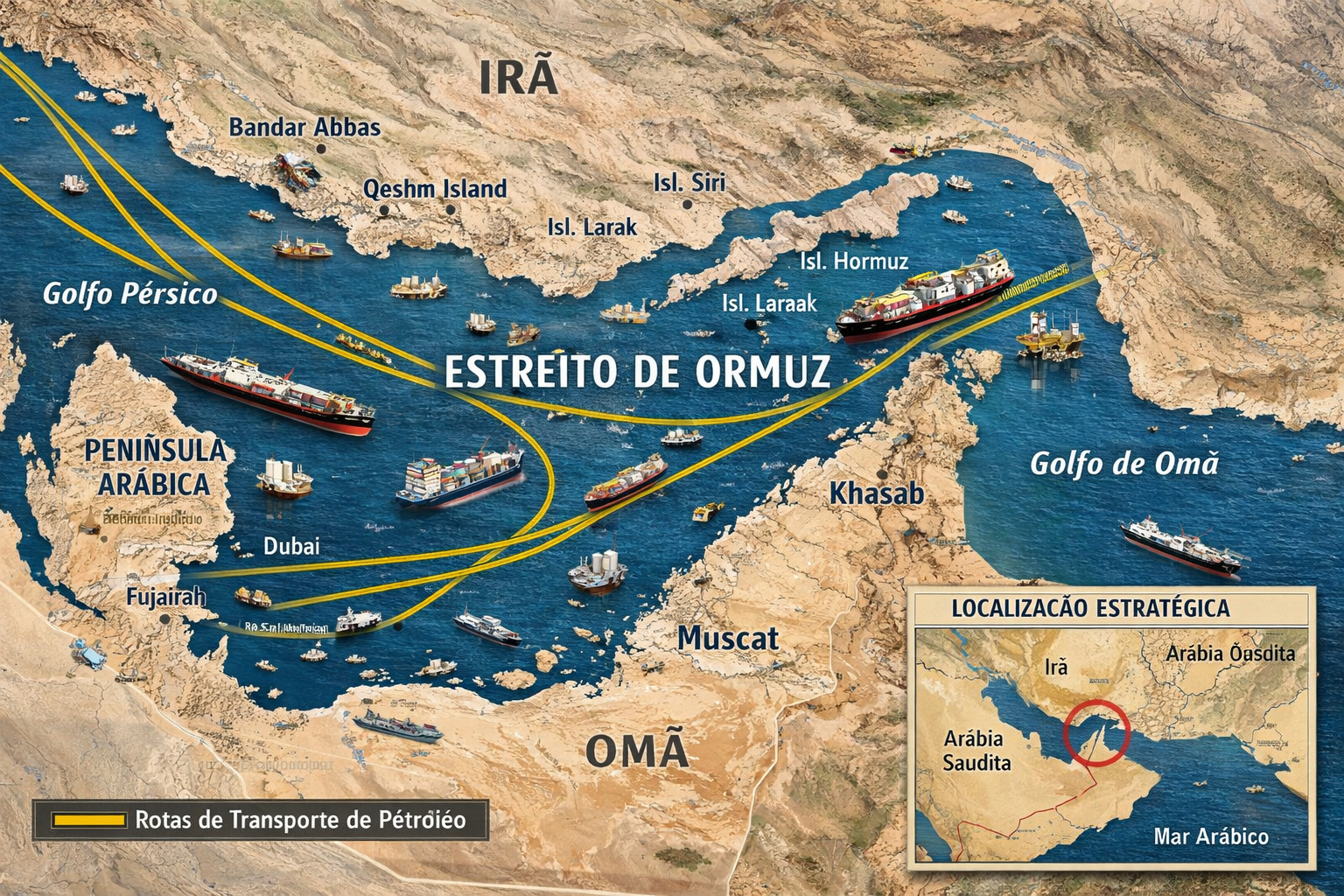
Global summit with over 40 countries pressures Iran for a blockade in the Strait of Hormuz and warns of direct impact on oil, food, and the global economy.
-
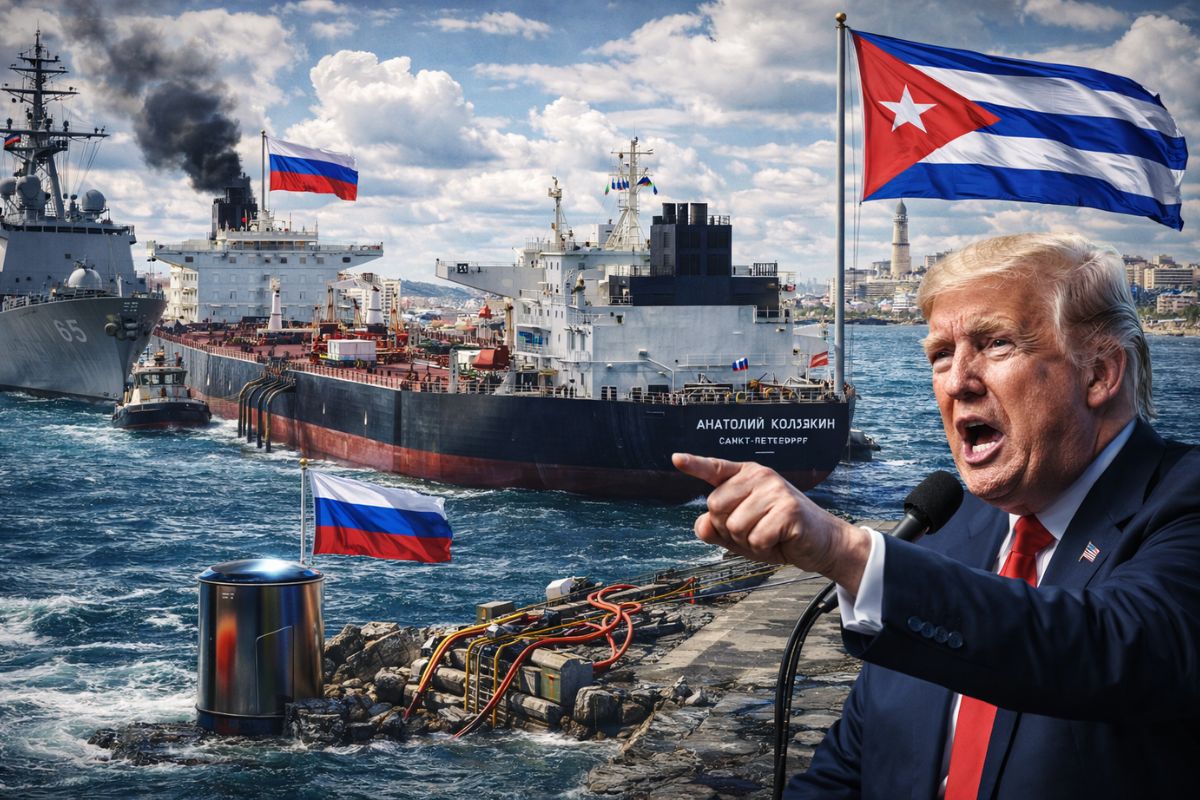
Russia has broken the U.S. maritime blockade to send oil to Cuba and is now loading a second ship while Trump says that “Cuba is next” in a possible military action against the island.
-
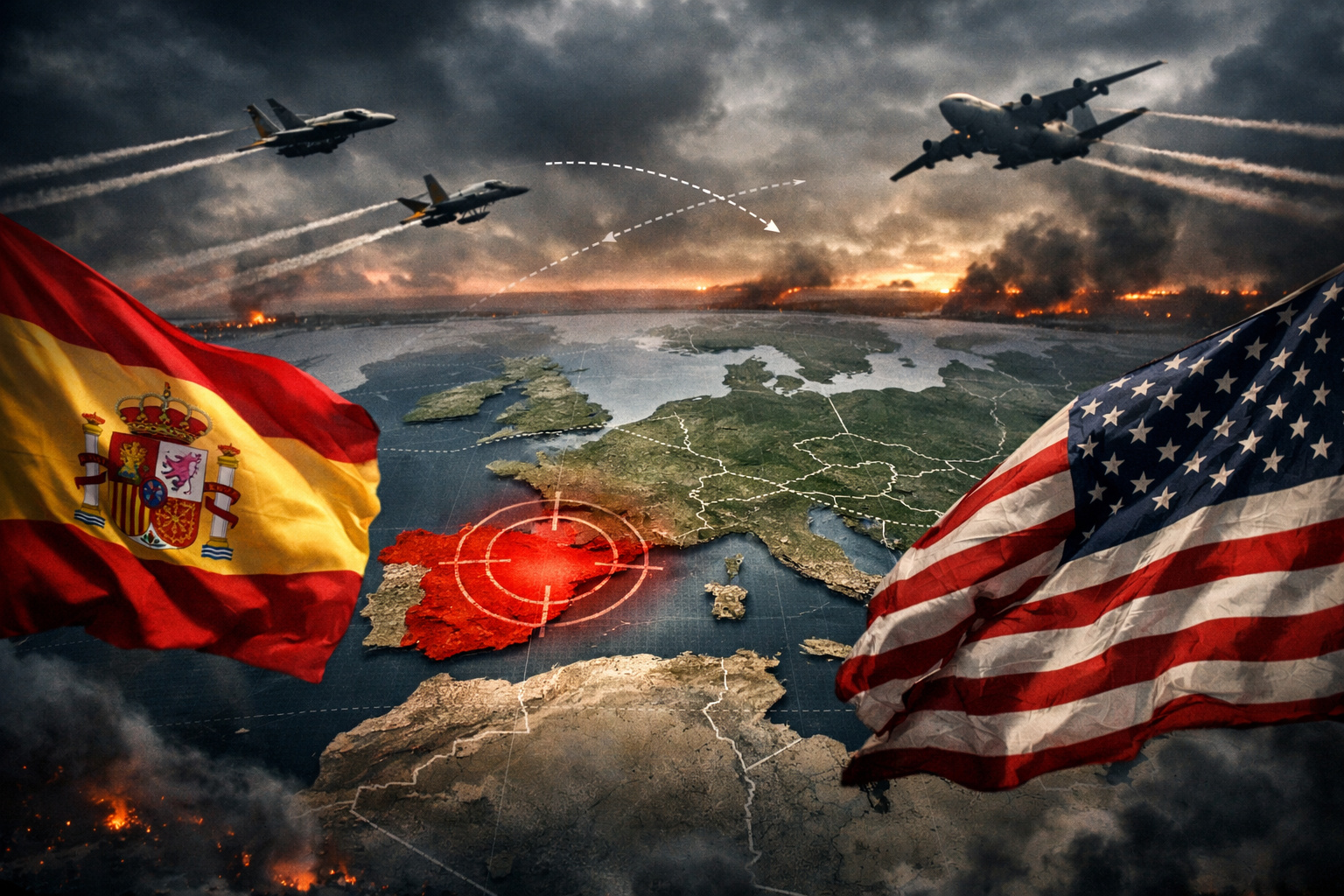
Spain challenges the USA and closes its airspace for operations against Iran, raising global tension and provoking the threat of a trade rupture.
-
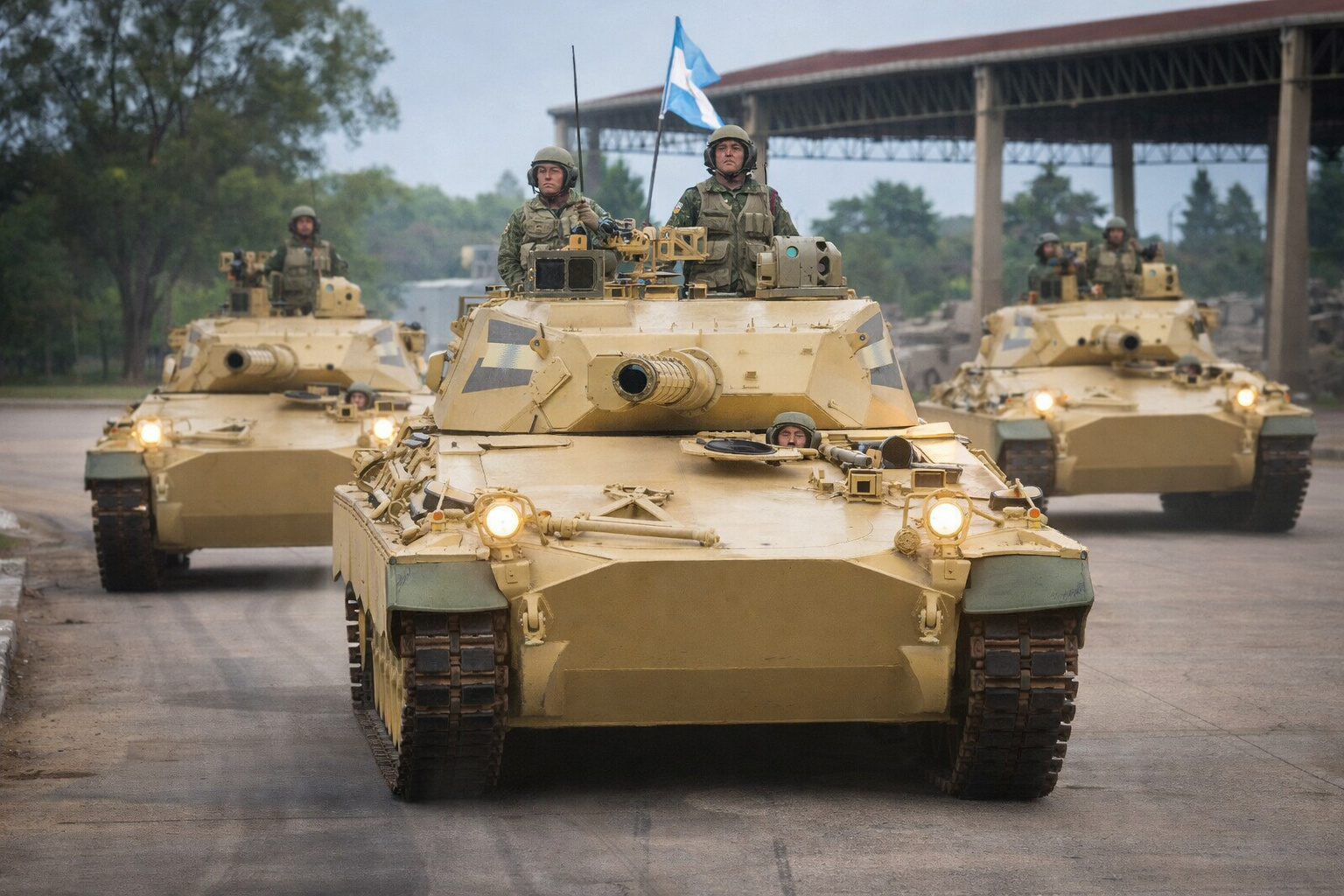
While no other country manufactures tanks in Latin America, Argentina activates the TAM 2C-A2 and raises a curiosity about the technological lag in the region.

There is also a Red Diffusion, similar but sent to specific countries. In both cases, the consequence can be immediate, as the name begins to circulate in databases used by border and security authorities.

The Igor Pestrikov Case Shows The Personal Cost
Businessman Igor Pestrikov discovered a Red Diffusion after leaving Russia in June 2022 and requesting asylum in France. The dilemma was whether to present himself and risk arrest, or remain invisible and lose routine and stability.
He reports direct effects such as difficulty renting housing and blocked bank accounts. The constant surveillance environment also affected his family, who moved to another country for safety.
Strengthened Controls After 2022 And Backtracking In 2025
After the large-scale invasion of Ukraine, Interpol added analyses to reduce misuse related to the conflict. Nevertheless, internal files indicate that filtering did not prevent problematic attempts.
According to BBC, the UK-based international journalism network, some of the stricter checks were discreetly removed in 2025, reducing the brake on requests that could have political motivation.
Internal Commission Overturns Requests And Exposes Fragility
Pestrikov contested the inclusion through the Commission for the Control of Interpol’s Files, the CCF. After nearly 2 years, the body concluded that the case was predominantly political and canceled the request.
Documents cite generic information and insufficient explanation of the alleged crime. Interpol’s central rule prohibits the use of the system for actions of a political, military, religious, or racial nature.

Numbers Show Scale And Annulments Above Average
In the last decade, at least 700 individuals targeted by Russian requests complained to the CCF. Of these, at least 400 had notifications or diffusions revoked, a volume that suggests repeated successful contestations.
Internal reports also indicate that around 90% of Russian requests passed initial controls in 2024, while approximately half of those that reached the CCF were overturned in the same period.
Direct Messages Bypass Formal Routes
In addition to notifications and diffusions, message exchanges between countries appear through the communication system, a less formal trail to seek data about individuals abroad. There is a record of a request for information about journalist Armen Aramyan, sent in February 2023.
There are also references to movement data of allies of Alexei Navalny, including Lyubov Sobol, and the defector Gleb Karakulov. The sensitive point is that this type of contact can pressure partner countries even when a formal notification is denied.
The sum of alerts, internal reviews, and parallel messages indicates a dispute that uses international infrastructure as an extension of influence. When a system designed to hunt criminals becomes a tool for pressure, the effect crosses borders and shifts the strategic reading.
The result is a tenser board, where administrative controls and internal decisions become part of the power game. This pressures the region and affects the security chess game abroad.








Seja o primeiro a reagir!