





 Portuguese
  English
  Spanish
  4 min of reading
  1 comment


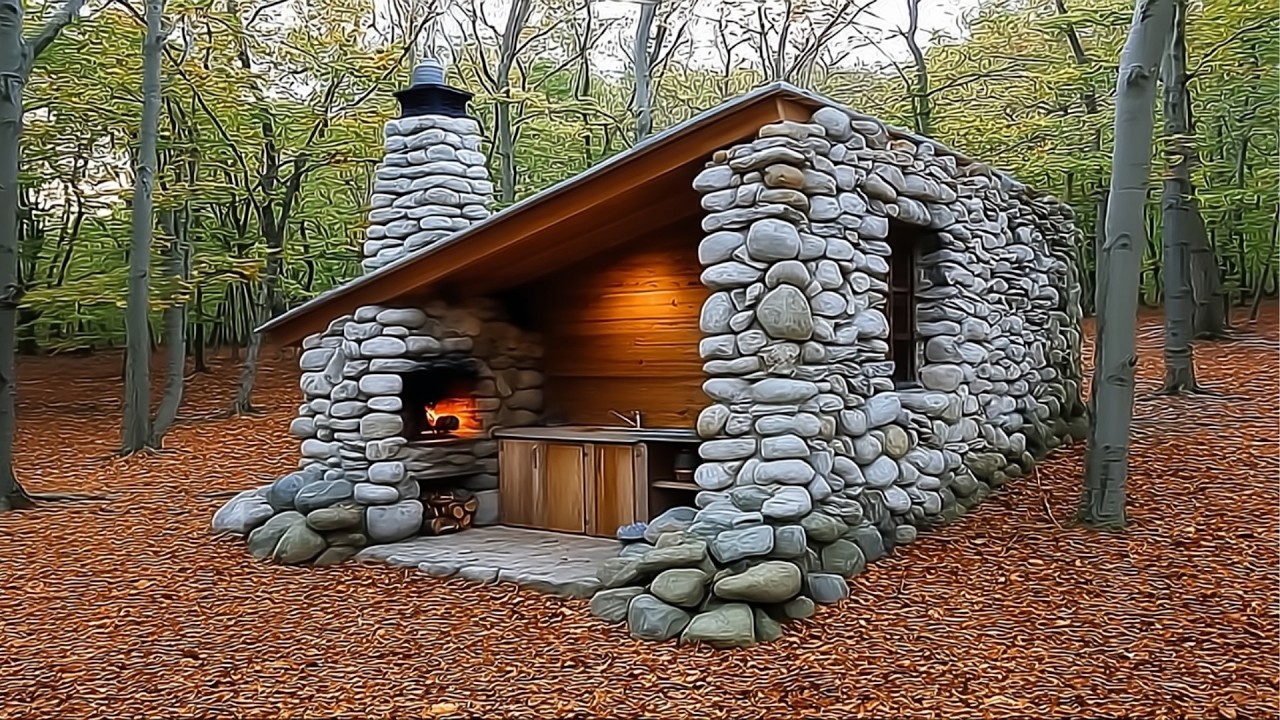


Without Machines or Electricity, a Maker Shows How It Is Possible to Build Houses, Ovens, and Functional Structures Using Only Natural Materials and Ancestral Techniques.
In a world where construction relies on concrete, steel, electricity, and heavy machinery, an Australian maker decided to take the opposite approach. Alone, amid nature, he began to demonstrate that it is possible to construct complete and functional structures using only what the environment offers: clay, stone, wood, water, and ancestral technical knowledge.
The project gained global visibility through a YouTube channel that documents the entire process without narration, music, or any modern artifice. The silence of the videos is not casual. It reinforces the central proposal: to show how basic engineering can exist before industry, based solely on observation, experimentation, and repetition.
Construction Without Electricity, Without Cement, and Without Steel
All structures are built without the use of Portland cement, steel, nails, screws, or electric tools.
-
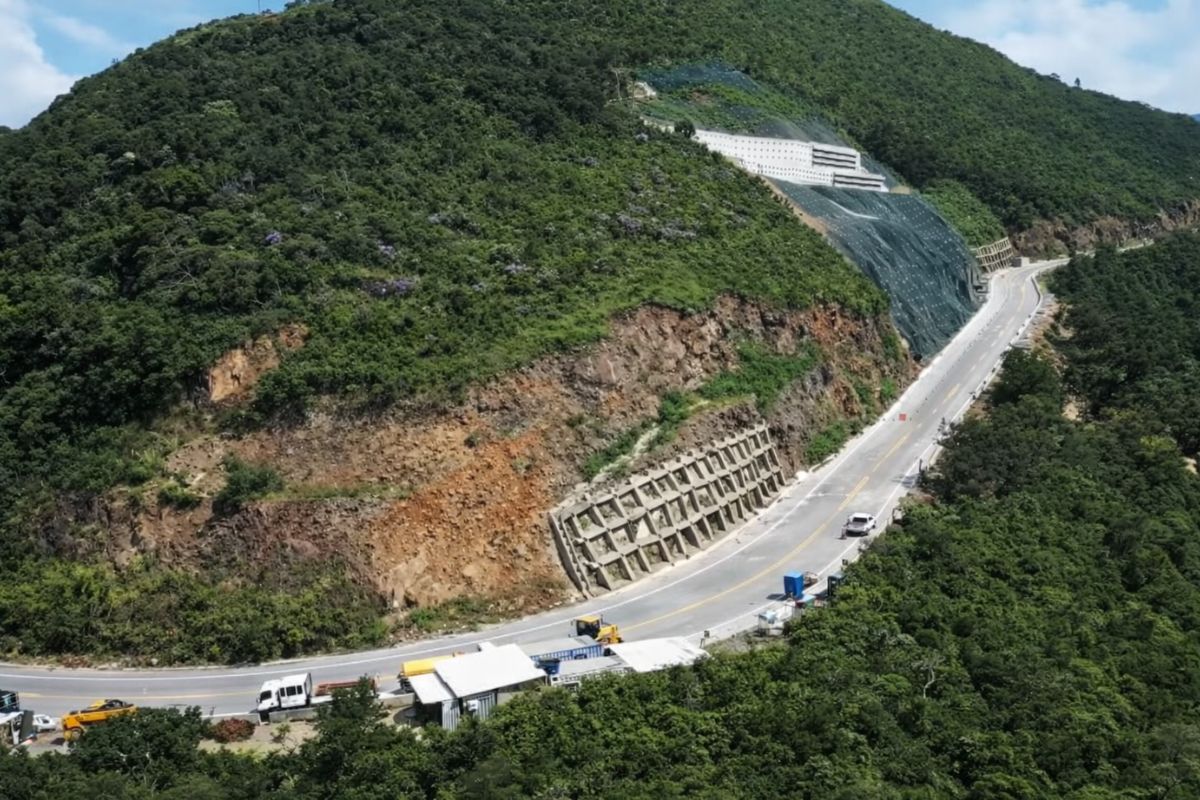
The section of Serra da Rocinha on BR-285 is now open in Timbé do Sul: 50 m tensioned curtains and top-down technique stabilize the slope, with a stairway duct controlling the water.
-
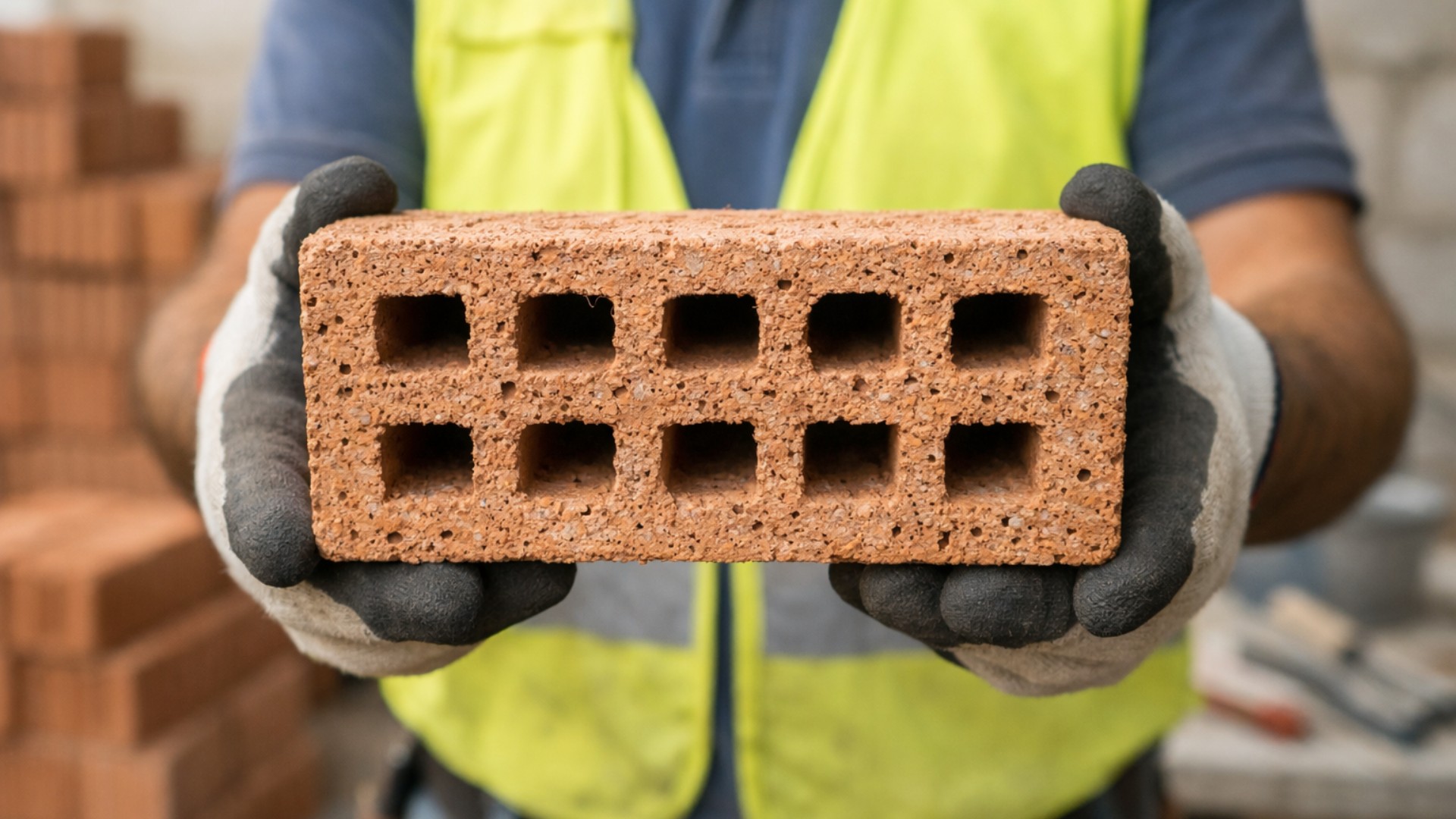
Scientists use sawdust mixed with clay to create a lighter brick, promising efficient thermal insulation and impressing by transforming waste into a solution for construction.
-
With a DNA shape, this bridge in Singapore draws attention in modern architecture and surprises tourists by transforming a simple crossing into an unforgettable visual experience in the urban heart.

-
Giant underwater pipeline begins to take shape with a R$ 134.7 million project at the Port of Santos: the 1.7 km structure uses 12-meter and 700 mm pipes to supply water to 450,000 people in Guarujá.


The process begins with the manual collection of clay, sand, and stone directly from the ground. These materials are combined to create raw bricks, compacted earth walls, and natural coatings capable of withstanding rain and weather.
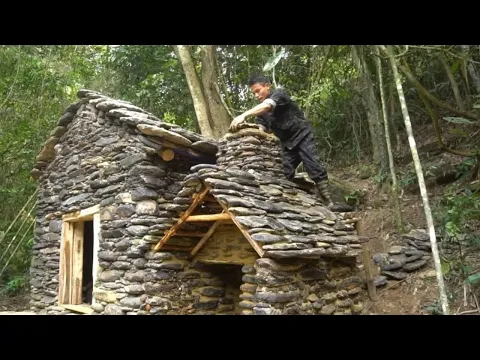

Wood is used only when found in the environment, shaped by hand using rudimentary tools made by the builder himself. There are no electric saws, crushers, or concrete mixers. Each stage requires time, physical strength, and precision.
Ovens, Forges, and Functional “Primitive” Technology
One of the most impressive aspects of the project is the construction of fully operational ovens and forges, capable of reaching high temperatures using only charcoal and natural ventilation. These ovens allow for the firing of ceramics, the hardening of bricks, and even the production of small metal pieces.
The ventilation system is made with clay ducts and air chambers, exploring basic principles of thermal convection. Nothing is improvised without logic: each solution follows simple physical concepts used by human civilizations for thousands of years.
Houses That Are Not Scenographic, But Habitable
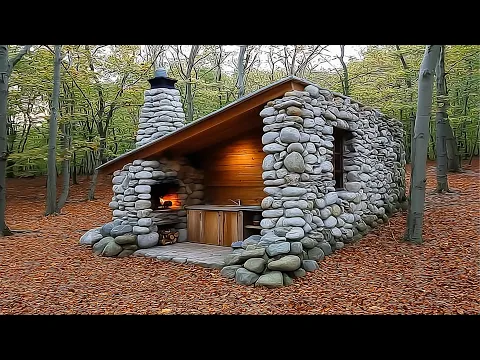
Contrary to what many imagine, the houses constructed are not scenographic or merely experimental. They feature structural walls, functional openings, durable roofing, and proper drainage to withstand heavy rains.
The constructions demonstrate techniques of:
– compacted earth walls
– sun dried and shaped bricks
– natural water-resistant coatings
– simple foundations with stone and clay
Even without modern structural calculations, the applied empirical knowledge ensures stability and durability.
It All Begins With Tools Made From Scratch
Before any construction, the maker manufactures his own tools. Stone hammers, improvised blades, clay containers, and digging instruments are produced using locally found materials.

This detail is crucial to understanding the project. It is not just about building houses, but about recreating a complete technological chain, starting from absolute zero, without relying on anything industrialized.
Ancestral Knowledge Applied in a Modern Way
Although the method is ancient, the documentation is modern. The videos serve as a kind of open laboratory, where each failure, crack, or collapse becomes a lesson for the next attempt. Over time, the techniques evolve, errors diminish, and structures become more sophisticated.
This process reveals something rarely discussed: engineering did not arise with computers, but with trial, error, and observation of nature.
A Reminder About the Origin of Human Construction
More than entertainment, the project serves as a powerful reminder. For most of human history, cities, temples, houses, and productive systems were built without electricity, without steel, and without machines. What existed was accumulated knowledge, passed down from generation to generation.
By reproducing this process from scratch, the maker not only builds physical structures but reconstructs a bridge between the past and the present of engineering.
When the Essential Becomes Enough Again
In a scenario of energy crises, environmental collapse, and questions about sustainability, this type of construction stops being merely a curiosity. It becomes a conceptual alternative: understanding how to live, build, and produce with less dependence on complex systems.
It is not about abandoning the modern world, but about remembering that, before it, humanity already knew how to build very well.







How did he get straight line of timber if not by a machine, ohh may be I don’t know what am talking about, do you know the meaning of a machine