





 Portuguese
  English
  Spanish
  5 min of reading
  1 comment


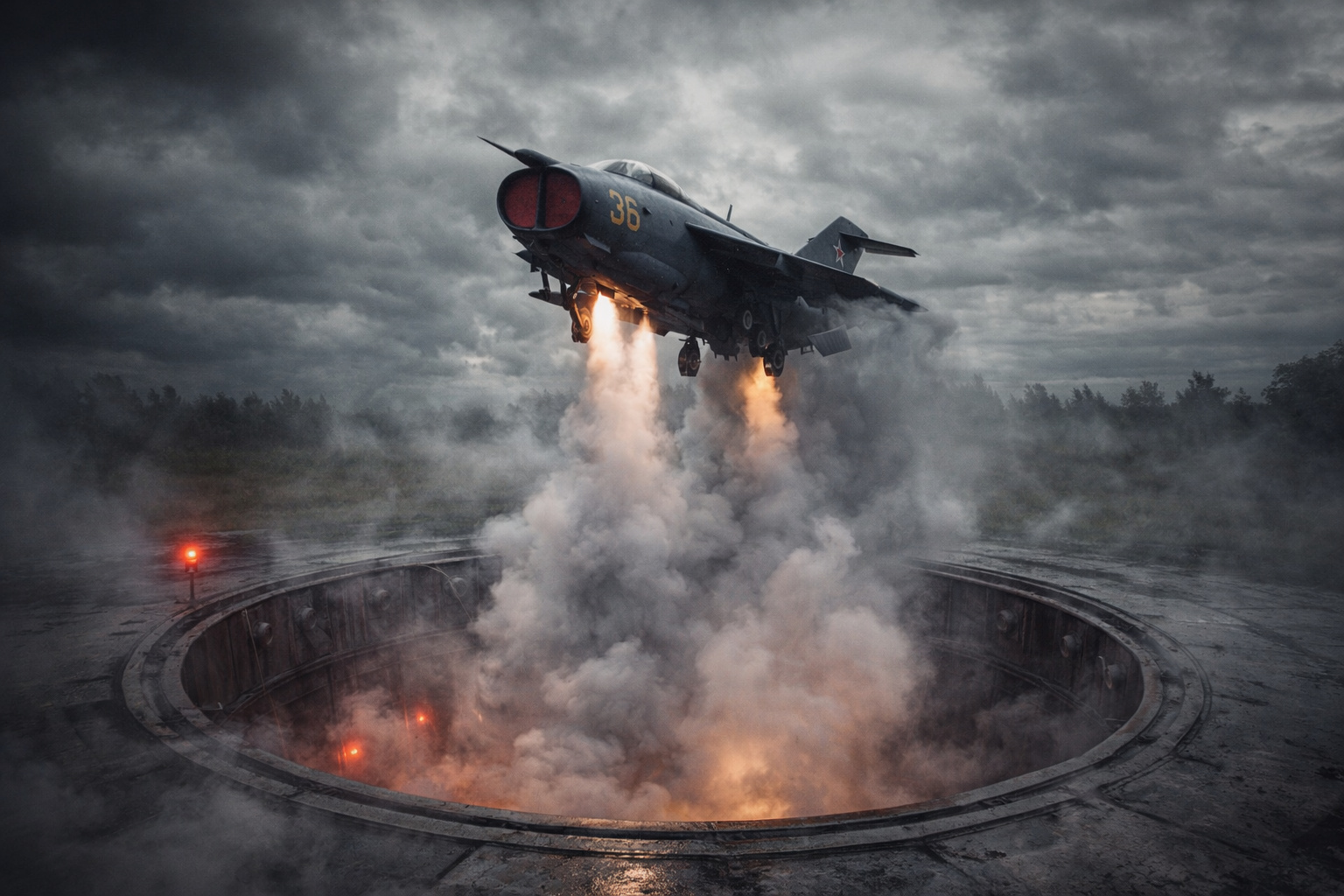


The Soviet Fighter Yak-36M Was Studied To Take Off Vertically From Underground Silos After Nuclear Attacks, But Extreme Fuel Consumption And Instability Made The Concept Unfeasible.
At the height of the Cold War, when survival from a first nuclear strike began to guide the entire military doctrine of the superpowers, the Soviet Union started considering solutions that bordered on the plausible. Among them was an almost surreal concept: combat aircraft capable of remaining hidden in underground silos and taking off vertically after a nuclear explosion, without relying on runways, air bases, or exposed infrastructure.
This line of thinking led Soviet engineers to study an extreme adaptation of the Yak-36M, a vertical takeoff and landing aircraft that would later give rise to the naval Yak-38. In theory, the aircraft could survive the collapse of traditional air bases, emerge from reinforced underground pits, and resume operations even in a post-nuclear attack scenario. In practice, the project exposed technical limits that the technology of the time could simply not overcome.
The Fear Of The “First Strike” And The Search For Invisible Aircraft
Since the 1950s, Soviet strategists knew that runways would be priority targets in any nuclear war. It took just a few well-placed warheads to incapacitate the enemy’s aviation on the ground. This led to the search for aircraft capable of operating without conventional runways, dispersed and difficult to locate.
-
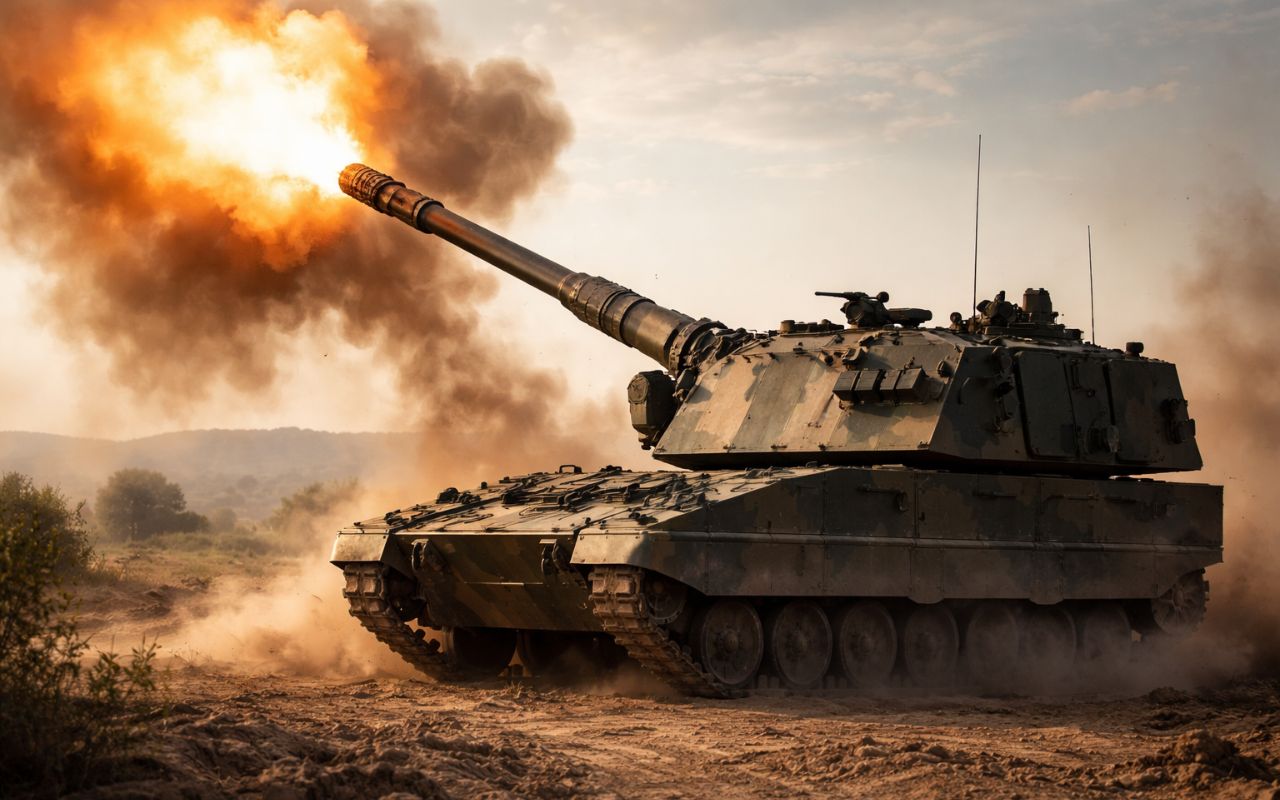
The German “steel monster” weighing 55 tons fires up to 10 projectiles per minute at over 40 km and avoids counterattacks on the battlefield by moving quickly to escape enemy attacks; meet the Panzerhaubitze 2000.
-
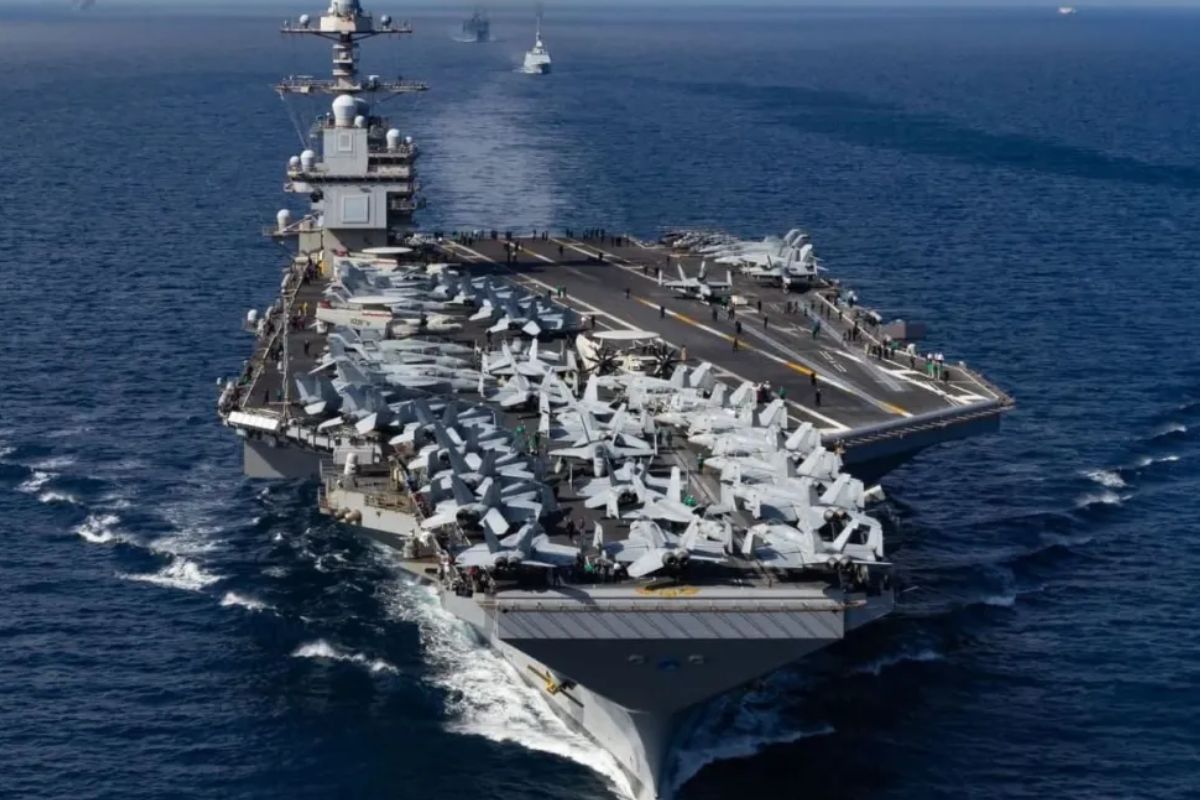
USS Gerald R. Ford, the largest aircraft carrier in the world, returns to sea after a fire in the laundry in the Red Sea; repaired in Crete, it resumes missions of Operation Epic Fury against Iran.
-
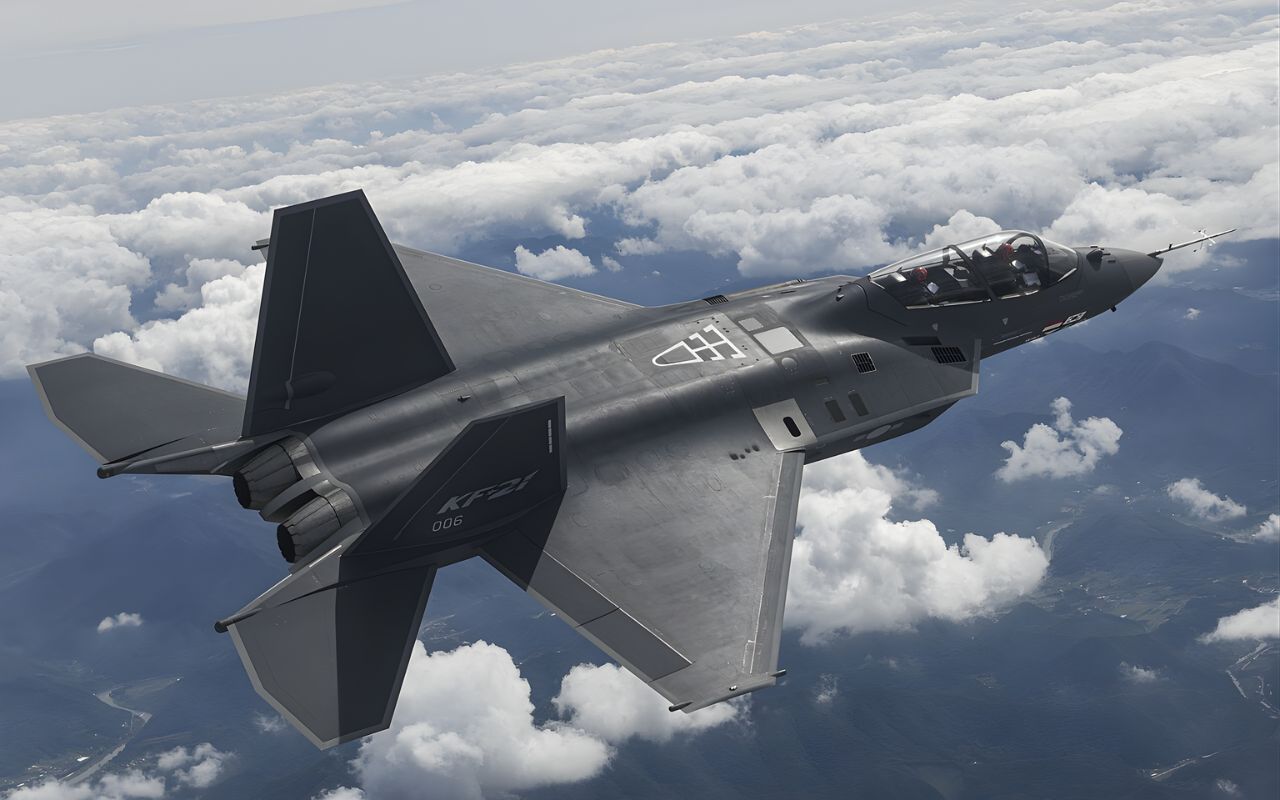
Military power: South Korea’s new KF-21 fighter jet will be a key component in replacing the aging aircraft of the air force, placing the country on the map of air military powers.
-
With 310 meters, 80 thousand tons, and capable of operating for 45 years, the new nuclear aircraft carrier France Libre will be the largest in France and will enter service in 2038.

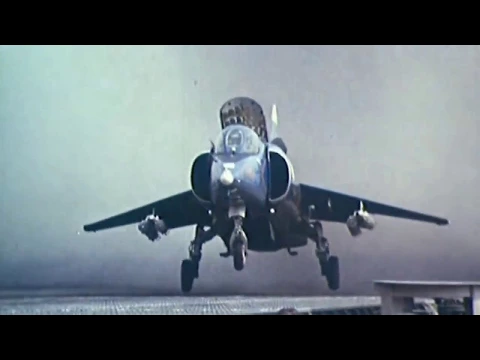

The idea of hiding fighters in underground silos, similar to those used for ballistic missiles, emerged as a logical extension of this strategic paranoia. An aircraft that did not need to run on a runway could, in theory, remain invisible until the moment of launch, preserving part of the air force after a devastating attack.
Why The Yak-36M Entered This Extreme Equation
The Yak-36M was an evolution of the experimental Yak-36, one of the first serious Soviet efforts in VTOL (vertical takeoff and landing). It utilized a main engine for horizontal propulsion and auxiliary engines dedicated to vertical lift, a complex, heavy, and fuel-hungry architecture.
For engineers, the Yak-36M seemed a natural candidate for the concept of launching from silos, as it did not depend on long runways. In theory, the aircraft could rise vertically from a reinforced pit, gain altitude quickly, and proceed to the mission.
The problem was that the theory ignored brutal details of physics and engineering.
The Silo-Launch Concept And Its Immediate Challenges
The idea called for silos wide enough to accommodate the aircraft, with ventilation systems, thermal protection, and opening mechanisms capable of withstanding the impact and nuclear shockwave. On paper, everything seemed possible. In practice, problems arose in a cascading fashion.
Vertical takeoff required maximum power for several seconds, generating extreme heat, violent turbulence, and absurd fuel consumption. In a confined space like a silo, hot gases and pressure could damage both the aircraft and the underground structure itself.
Additionally, any minimal failure during the vertical ascent — something common in VTOLs of the time — would result in immediate descent into the pit, with total loss of the aircraft and risk of explosion.
Fuel Consumption: The Invisible Enemy Of The Project
The biggest blow to the concept came from the ridiculously limited range of the Yak-36M in vertical flight. Just the takeoff consumed a massive fraction of the total available fuel. After emerging from the silo, the aircraft would have an extremely short range for actual combat.
In a post-nuclear attack scenario, where airborne refueling would be uncertain or impossible, launching a fighter that could barely reach the target made little strategic sense. The aircraft would survive the initial attack, but would not have the endurance to carry out relevant missions.
Instability And Extreme Operational Risk
Another critical problem was the inherent instability of vertical flight. The control systems of the time were analog, with slow corrections and little margin for error. Even in conventional testing, VTOLs required highly trained pilots and nearly ideal conditions.
Transporting this risk to a vertical launch within a silo, possibly in an environment contaminated by dust, debris, and radiation, made the scenario practically unfeasible. The concept required technical perfection in a context where everything would be far from ideal.
The Strategic Weight Vs The Physical Weight
Besides fuel, the very structural weight of the Yak-36M worked against the project. Additional reinforcements to support vertical operations, redundant systems, and minimal protection would further increase the aircraft’s mass, reducing performance and payload.

This created an unsolvable paradox: the more the aircraft was adapted to survive the nuclear scenario, the less useful it would become as a combat fighter.
Why The Soviet Union Abandoned The Idea
In the end, the concept remained nothing more than internal studies and proposals. No operational silo was built for the launch of fighters, and the Yak-36M followed a different path, giving rise to the Yak-38 for shipborne operations — already limited and criticized for its short range and inferior performance to conventional fighters.
The Soviet doctrine ultimately turned to more realistic solutions: dispersion of aircraft, alternative runways, adapted highways, and focus on strategic missiles, which better fulfilled the role of nuclear deterrence.
A Concept That Reveals The Limits Of Cold War Engineering
The project of the fighter launched from underground silos did not fail due to a lack of ambition, but because of an excess of it. It exposed the point where the available technology simply could not keep pace with the desired strategic logic.
Still, the Yak-36M and its silo-launch concept remain extreme examples of how far engineers and military personnel were willing to go to ensure survival in a world on the brink of nuclear annihilation. A brilliant idea on paper, terrifying in intent, but unfeasible in light of physical reality.









Ora… bastava que o túnel tivesse uns 100 metros e fosse inclinado, como uma rampa a 45 graus. Cabos simples, ajudariam lançar o caça para fora, usando um processo mecânico, como em um elevador, mas com aceleração. O problema é que essa ideia de um caça pós ataque nuclear é ruim por princípio e não pela solução de engenharia.