





 Portuguese
  English
  Spanish
  5 min of reading
  0 comments


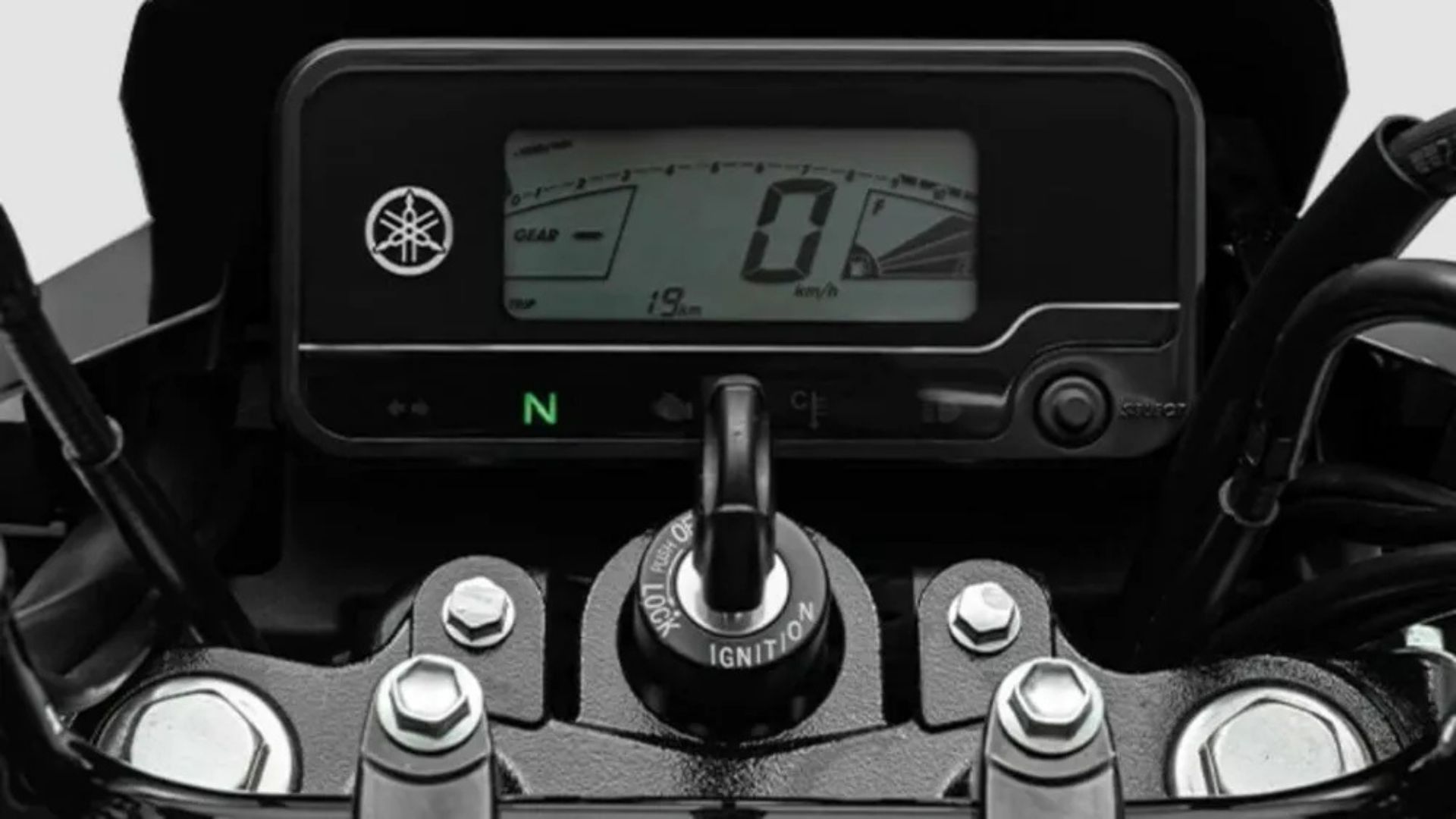
Changes to Yamaha’s Portfolio in Brazil Affect Popular Motorcycles and Established Models in a Redesign That Involves Environmental Adaptation, Technological Updating, and Strategic Repositioning in Different Market Segments.
Yamaha has confirmed a new round of changes in its motorcycle lineup in Brazil, reinforcing a reorganization process that has been implemented over the past few years.
This time, the manufacturer has removed five models that played a relevant role in consolidating the brand across different segments of the national market.
Among them is the Factor 125i UBS, recognized as an entry-level motorcycle equipped with a 125 cc engine and fuel injection, widely used for urban commuting and professional activities.
-
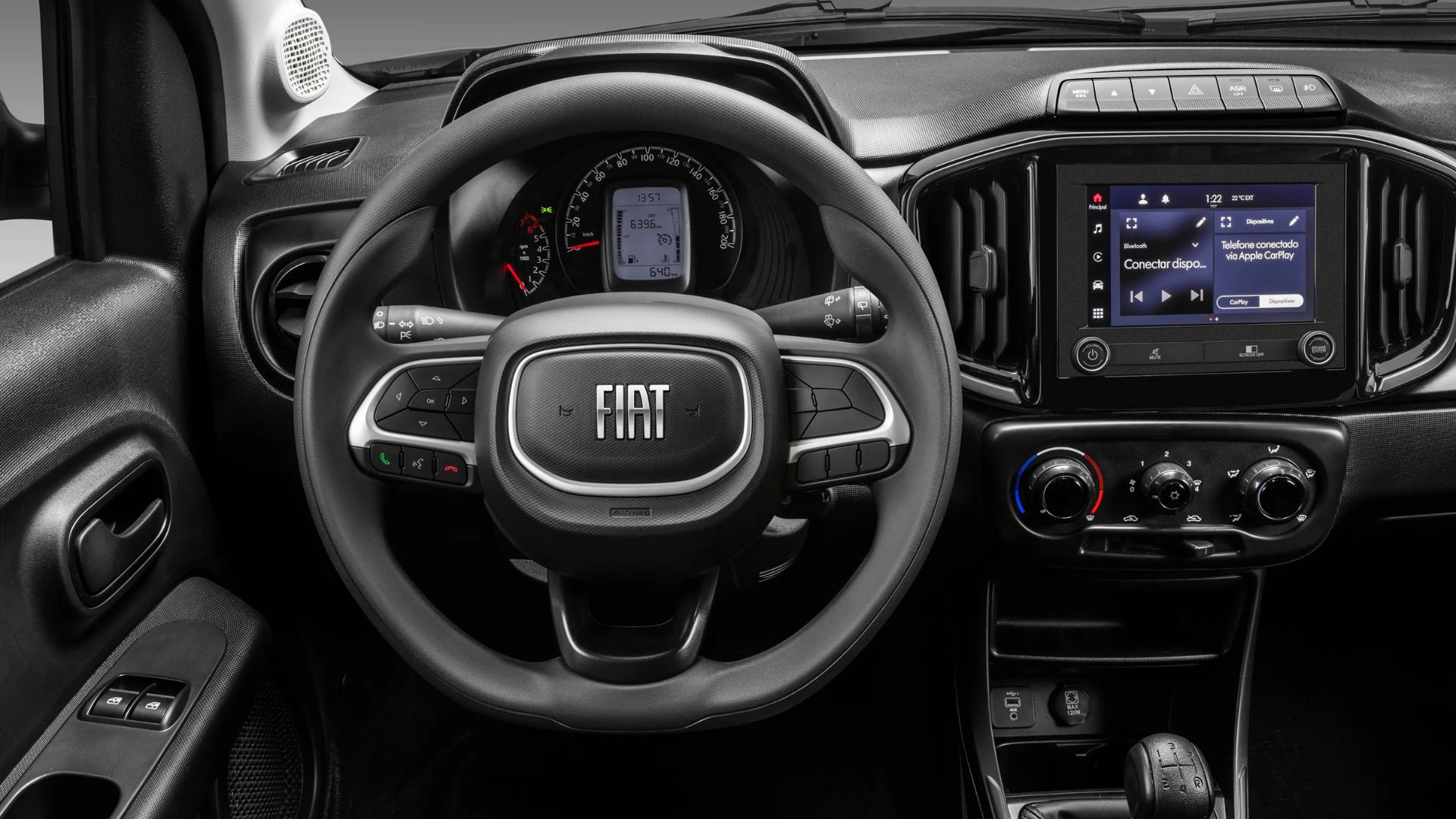
With a 1.0 engine producing 75 hp and costing less than R$ 70,000, Fiat’s car returns to the podium as the cheapest in the country; a temporary promotion for the 2026 Like version reduces the price of the Fiat Mobi.
-
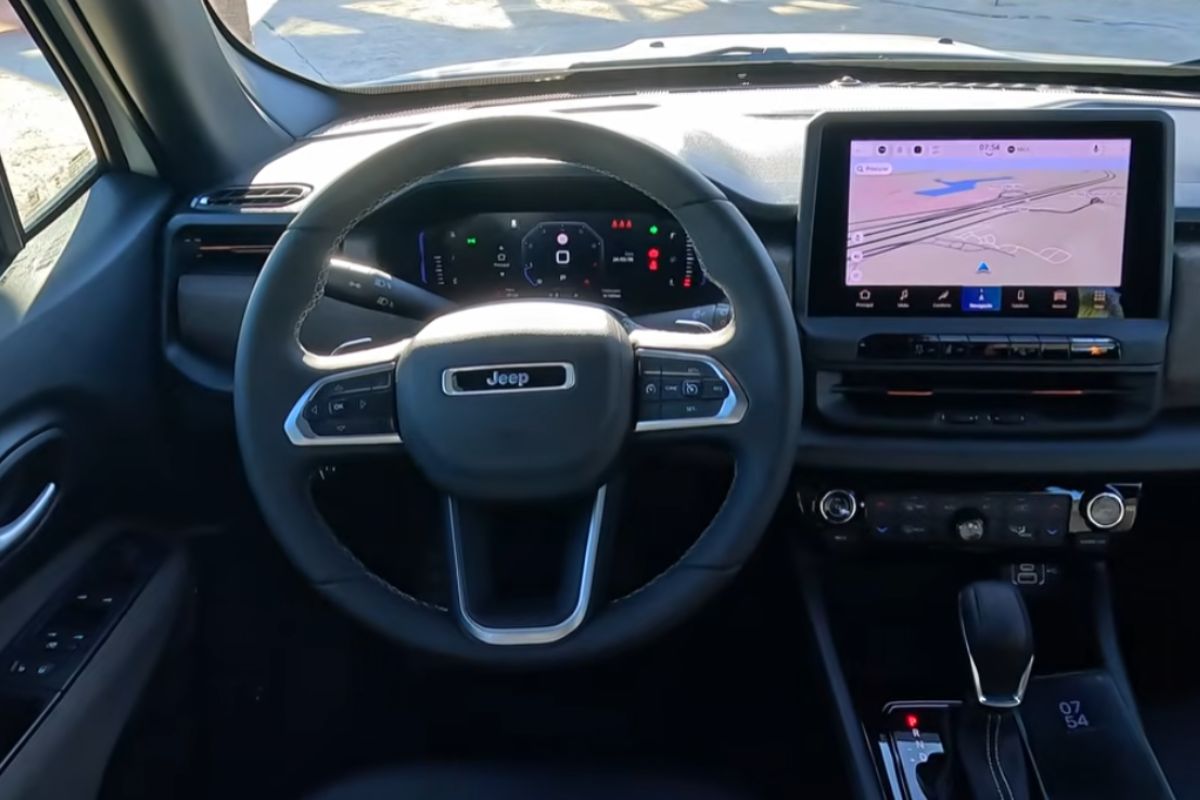
With a mild hybrid system of 48 V, 176 hp and a price of R$ 175,990 in the Sahara version, the new Jeep Renegade changes mostly on the inside, improves slightly in fuel consumption, and remains almost the same car.
-
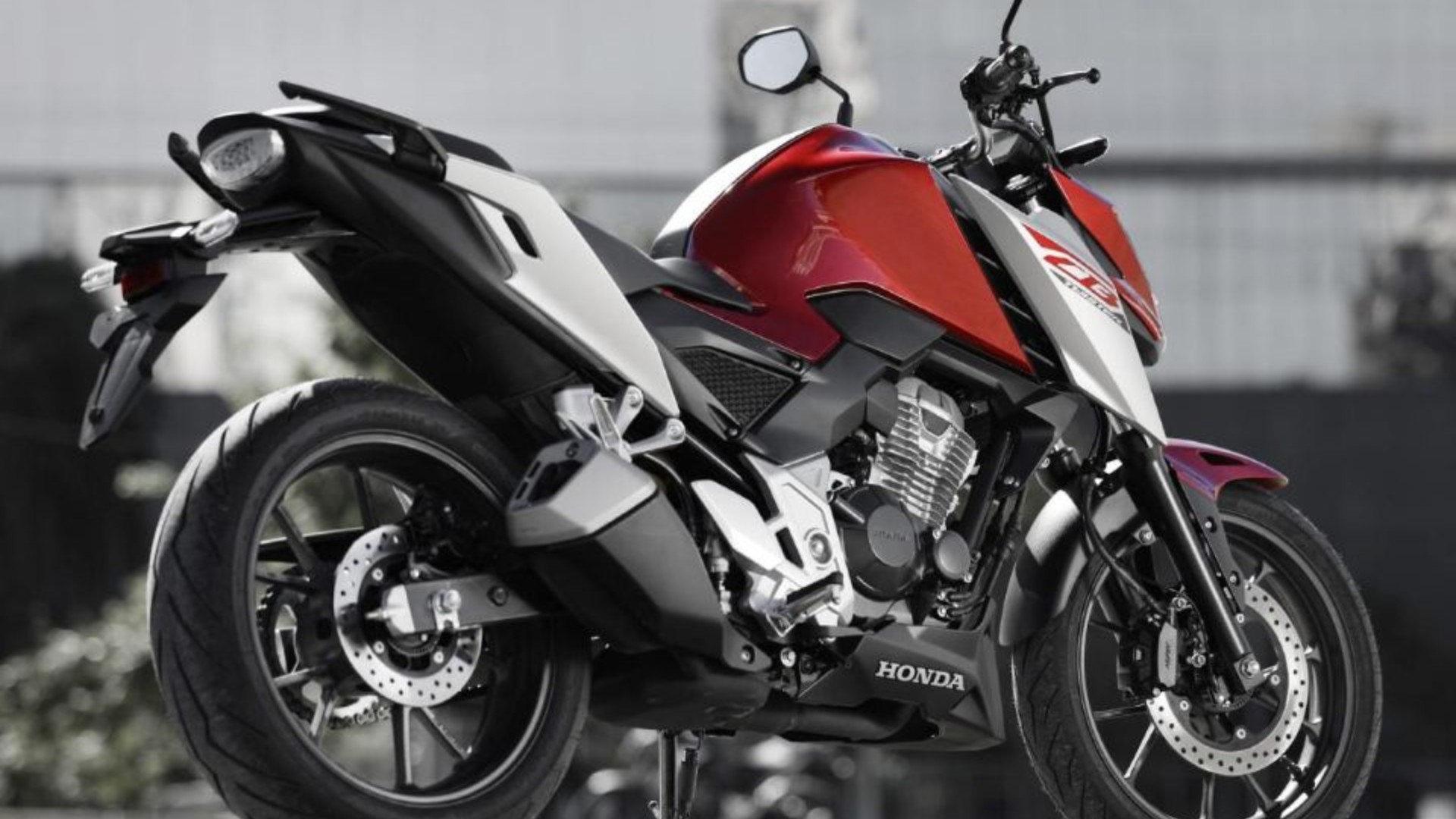
With a 293.5 cm³ engine and a range of up to 400 km with a 14.1-liter tank, the Honda CB 300F Twister 2026 has up to 24.7 hp, an initial price of R$ 25,150, and already exceeds R$ 29,000 in the Fipe Table.
-
With a 1.3 engine, nearly 700 km of range, and Turbo 200, the Fiat model surpasses Polo, Tera HB20, and Onix, becoming the best-selling car in March; see the numbers for the Fiat Strada and others.

Along with it, the Fazer 150 UBS and Neo 125 have also been removed from the catalog, while higher displacement models such as MT-09 ABS and Tracer 900 GT ABS complete the list of discontinued models.
This movement combines replacement with newer versions, family reorganization, and alignment with environmental regulations that have become stricter in the country.
Exit of Factor 125i UBS and Changes to 125 cc Motorcycles
The farewell of the Factor 125i UBS occurs in a scenario where low-displacement motorcycles continue to be the backbone of the Brazilian market.
Even with this relevance, the segment undergoes frequent updates in design, equipment, and electronic solutions, keeping up with new technical and consumption requirements.
In this context, Yamaha has confirmed the end of production for the model and indicated that it paves the way for the New Factor, as part of a strategy to renew the lineup.
Although the title mentions consumption “up to 50 km/l,” figures released by specialized outlets show that performance can vary depending on route, riding style, and fuel type.
In recurring measurements, the Factor 125i shows an average close to 46 km/l, a figure that supports its reputation as an economical motorcycle.

Higher brands can be achieved under specific conditions, but do not represent a fixed standard for all types of daily use.
Another point that marked the model was the adoption of solutions considered essential in the entry segment.
Among them are fuel injection and simplified maintenance proposals, features valued by those seeking cost predictability.
Technical materials from Yamaha also associate the lineup with the BlueFlex system, which allows the use of gasoline or ethanol, expanding the model’s reach in different regions of the country.
Fazer 150 UBS Leaves the Portfolio and Reorganizes the Street Line
In the same package of changes, the Fazer 150 UBS has also been removed from the Brazilian portfolio.
This decision is part of a broader reorganization within the brand’s street motorcycles.
As a result, Yamaha has begun to direct the succession of the model to the Factor 150 DX, repositioning the Factor family as a central axis in this displacement range.
This type of adjustment often occurs when the manufacturer seeks to standardize the platform, visual, and equipment among closely related products.
By reducing overlap between models that target similar audiences, the strategy tends to simplify the offered range.
At the same time, it addresses the growing demand for more comprehensive panels and convenience items, increasingly present in recent updates in the segment.
Neo 125 Says Goodbye and Makes Way for Electric Scooter
In the scooter segment, Yamaha has ended the journey of the Neo 125, which for years served as the brand’s entry point into this type of vehicle.
The model stood out for its practicality and lightness, mainly aimed at daily urban use.

Even with consistent performance in registrations, information released at the end of 2024 indicated that the Neo 125 would be discontinued.
This data reinforces that the decision was not solely linked to demand but to a strategic repositioning.
To fill this gap, Yamaha announced the Neo’s Connected, presented as the first electric scooter from the brand produced in Brazil.
Manufacturing is planned for Manaus, Amazonas, and the model arrives with a focus on connectivity and electric mobility.
Additionally, the company released the suggested public price and highlighted the product as part of its electrification strategy.
In practice, the substitution of the Neo 125 for the Neo’s Connected marks a clear shift in approach.
Out goes an entry-level combustion scooter, and in comes an electric model aimed at a new consumer profile, even in a market still adapting to this type of technology.
MT-09 and Tracer 900 GT Exit with Advancement of Environmental Requirements
The reconfiguration of the lineup is not limited to urban motorcycles.
Yamaha confirmed that the MT-09 ABS and Tracer 900 GT ABS would cease to be sold in Brazil by the end of 2024.
Specialized vehicles related this decision to the advancement of the PROMOT M5, a Brazilian program that regulates motorcycle emissions.
In phase M5, the rules took effect for new models starting in 2023.

The obligation will extend to the entire line sold in the country starting in 2025.
By associating the exit of these models with environmental regulations, Yamaha follows a trend observed in other manufacturers.
Maintaining higher displacement motorcycles in the market may require technical updates and complex approval processes.
Depending on sales volume and the product’s stage, this investment may not always be feasible in the short term.
Reflections of the Changes for the Brazilian Consumer
With five models discontinued, the impacts spread across different consumer profiles.
In daily use, the main change affects those seeking an economical entry-level motorcycle, with known mechanics and predictable costs, as in the case of the Factor 125i UBS.
In the scooter universe, the Neo’s Connected emerges as an electric alternative, although positioned in another price range and initial investment.
In the higher performance segment, the exit of the MT-09 and Tracer 900 GT temporarily reduces the options for three-cylinder models in the brand’s national catalog.
This point often generates repercussions among consumers prioritizing this type of engine.
Meanwhile, Yamaha continues to highlight updated versions of the Factor line in its official communication.
The discourse emphasizes renewed design, modern equipment, and alignment with current environmental requirements.
This movement indicates an effort to simplify families, reorganize the portfolio, and prepare the ground for new products in the Brazilian market.







-

Uma pessoa reagiu a isso.