





 Portuguese
  English
  Spanish
  4 min of reading
  7 comments


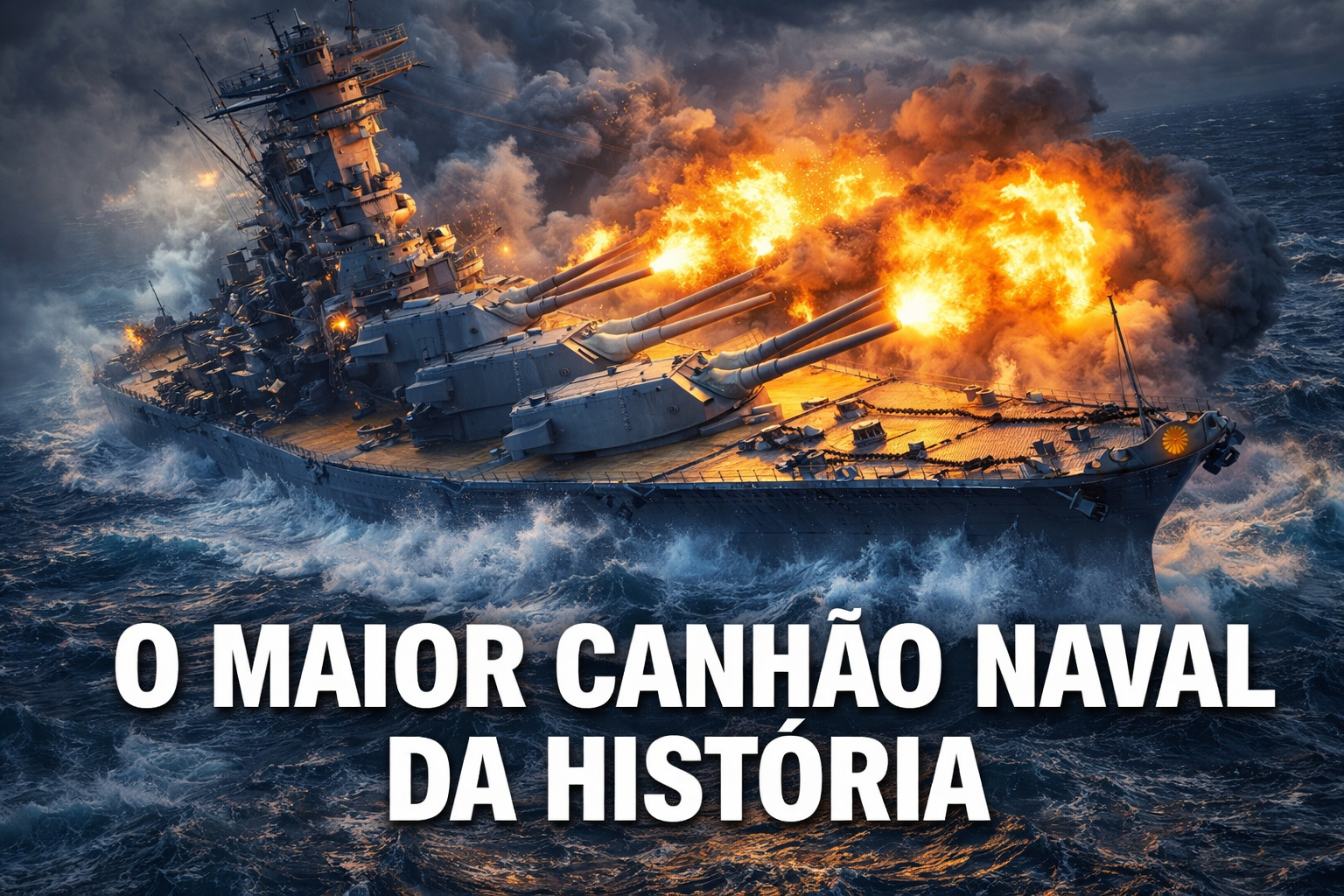


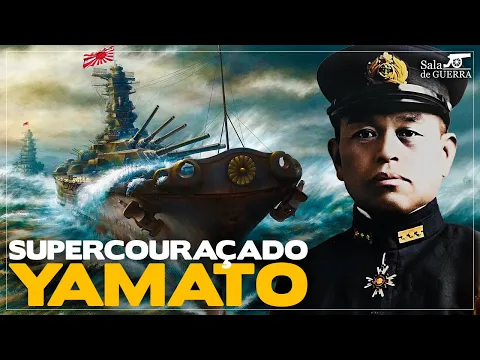
With 460 mm Guns and Colossal Armoring, the Battleship Yamato Was the Peak of Japanese Naval Engineering and Symbol of the Firepower of World War II.
The battleship Yamato was built at the Kure Naval Arsenal in Hiroshima Prefecture, Japan. The keel was laid on November 4, 1937, the ship was launched on August 8, 1940, and officially commissioned into the Imperial Japanese Navy on December 16, 1941, just days after the attack on Pearl Harbor.
The design arose in a clear context: Japan knew it could not match the United States in the number of ships. The solution was to bet on absolute technical supremacy, creating a battleship capable of destroying any adversary even before entering return fire range.
460 mm Guns: The Largest Naval Artillery in History
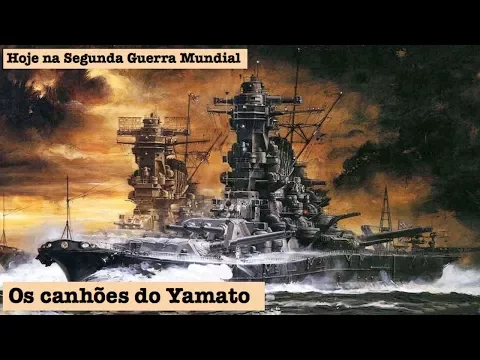
The main differentiator of the Yamato was its nine Type 94 460 mm guns, distributed in three triple turrets. To this day, no operational warship has received larger artillery pieces.
-
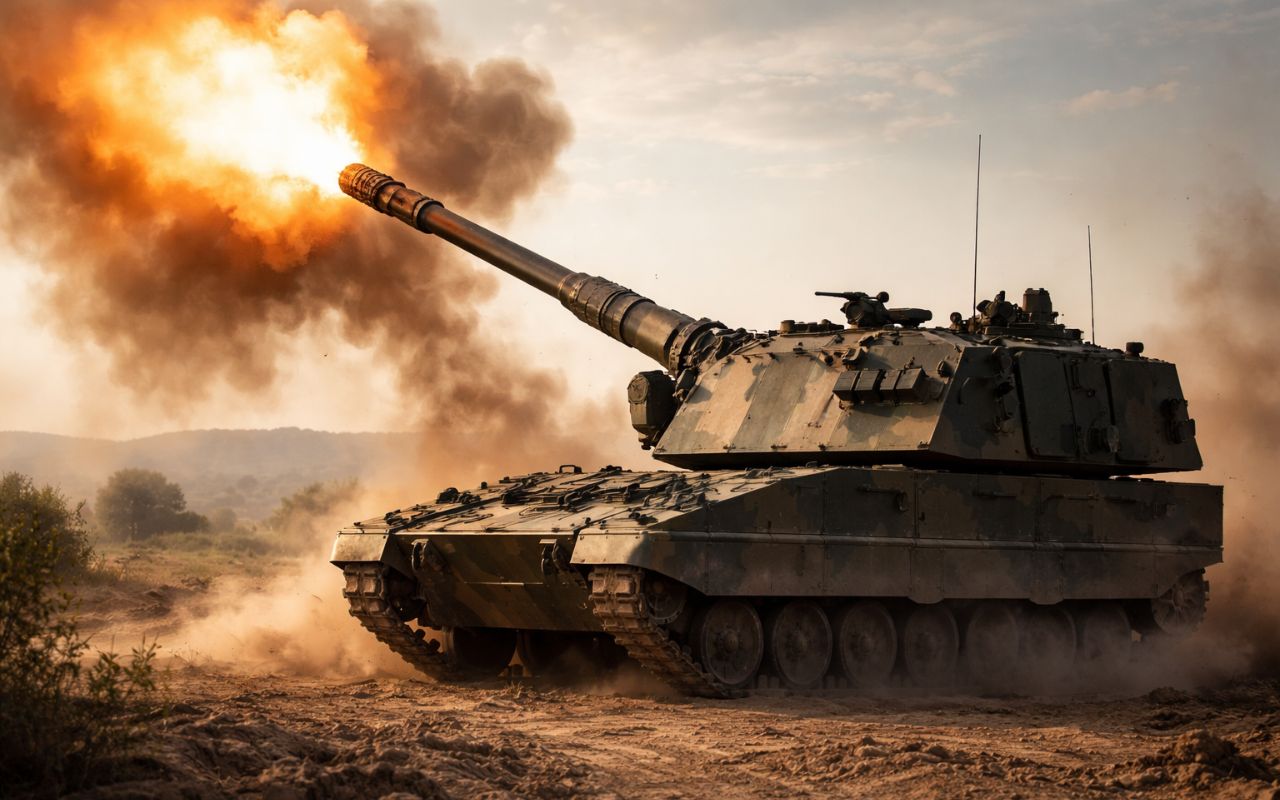
The German “steel monster” weighing 55 tons fires up to 10 projectiles per minute at over 40 km and avoids counterattacks on the battlefield by moving quickly to escape enemy attacks; meet the Panzerhaubitze 2000.
-
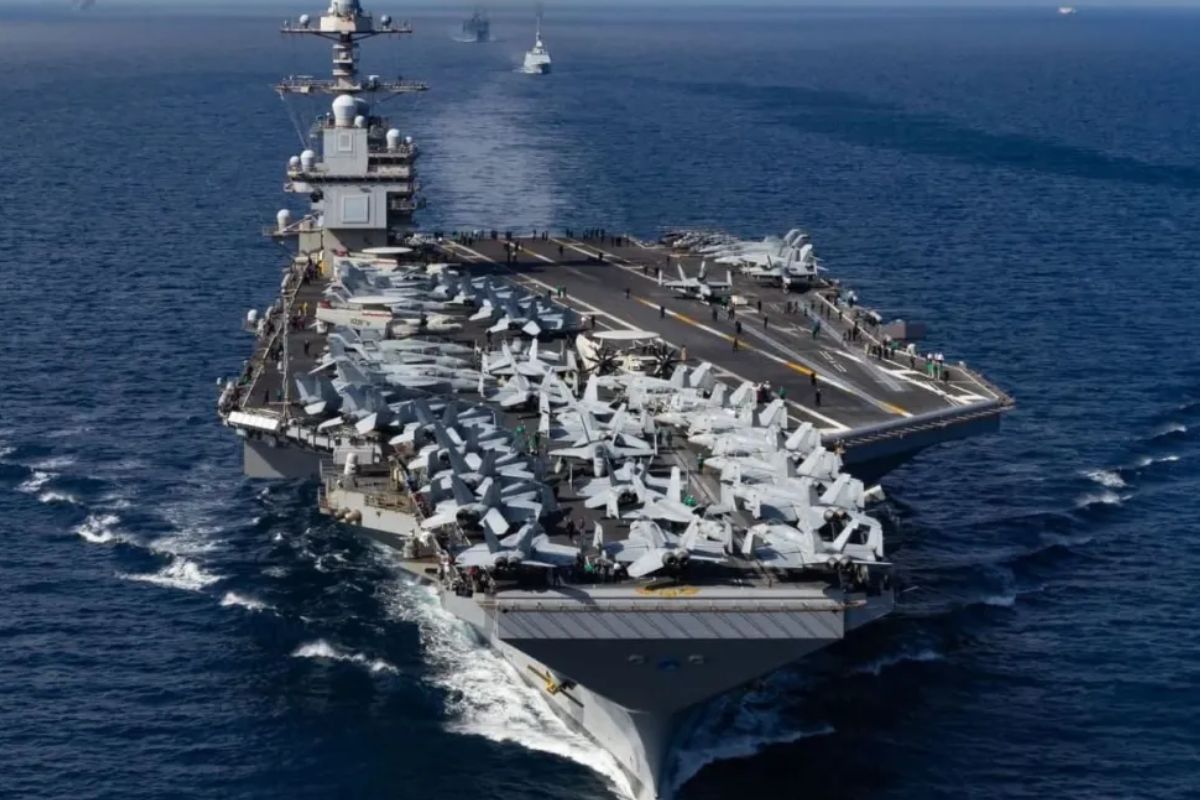
USS Gerald R. Ford, the largest aircraft carrier in the world, returns to sea after a fire in the laundry in the Red Sea; repaired in Crete, it resumes missions of Operation Epic Fury against Iran.
-
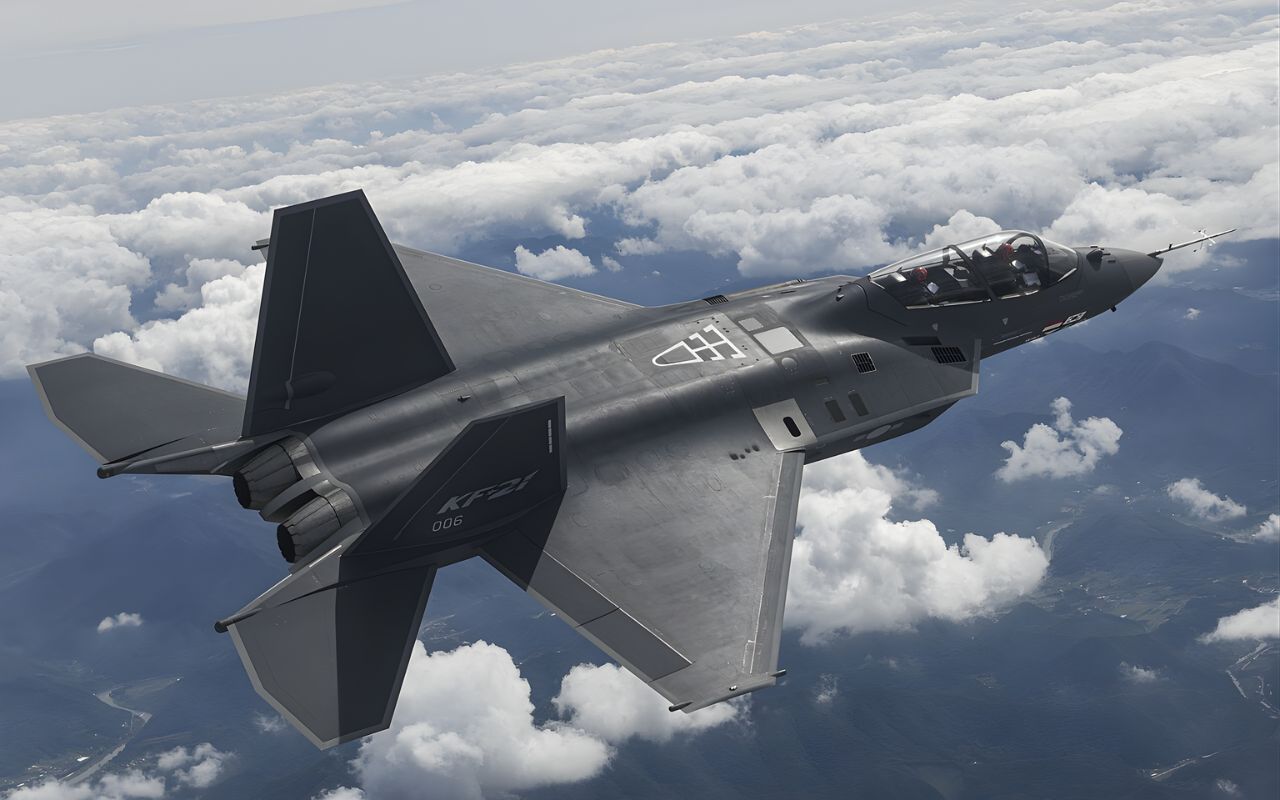
Military power: South Korea’s new KF-21 fighter jet will be a key component in replacing the aging aircraft of the air force, placing the country on the map of air military powers.
-
With 310 meters, 80 thousand tons, and capable of operating for 45 years, the new nuclear aircraft carrier France Libre will be the largest in France and will enter service in 2038.


Each penetrating projectile weighed about 1,460 kg, while the explosives reached 1,360 kg. Fired at speeds nearing 780 m/s, these projectiles could hit targets over 42 kilometers away — a range superior to any American or European battleship of the time.
The theoretical impact was devastating: a single shot had enough energy to penetrate armor over 650 mm of homogeneous steel at medium ranges, rendering the armor of almost all existing enemy ships useless.
Extreme Armoring and Engineering Designed to Survive the Impossible
To withstand its own firepower and resist enemy attacks, the Yamato received the heaviest armor ever applied to a warship. The main side belt was up to 410 mm thick, while the gun turrets had up to 650 mm on the front face.
The armored deck varied between 200 and 230 mm, designed to resist both artillery shells and bombs dropped by aircraft. In total, the ship displaced about 72,800 tons at full load, a colossal figure by the standards of the time.
This combination turned the Yamato into a true floating fortress, designed to survive direct confrontations between battleships — the kind of naval battle the Japanese Navy expected to fight.
Propulsion, Range, and Endurance at Sea
Despite its extreme size, the Yamato was relatively fast. Its four steam turbine sets, powered by 12 boilers, generated about 150,000 horsepower, allowing a maximum speed close to 27 knots (about 50 km/h).
The endurance was another strategic point: sailing at 16 knots, the battleship could cover approximately 7,200 nautical miles, enough to cross the Pacific without constant need for refueling.
This range reflected the Japanese doctrine of operating far from the coast, hoping to lure the enemy fleet into a great decisive battle.
The Paradox of Power: Invincible on Paper, Vulnerable in the Air
When the Yamato entered service, naval warfare was changing rapidly. Aircraft carriers and embarked aviation began to dominate combat, reducing the relevance of direct confrontations between battleships.
Although the ship received dozens of anti-aircraft guns throughout the war, including 127 mm and 25 mm guns, they proved insufficient against coordinated mass air attacks.
The paradox was evident: the most powerful ship ever built for classical naval battles became vulnerable precisely to the technology that redefined warfare at sea.
The Last Mission and the End of the Giant
On April 7, 1945, during Operation Ten-Go, the Yamato embarked on a practically suicidal mission toward Okinawa. The Japanese plan stipulated that the battleship would advance without sufficient aerial cover, facing the American fleet and grounding itself on the island to serve as a static battery.
The result was devastating. United States Navy planes launched successive waves of attacks with bombs and torpedoes. After being hit by at least 10 torpedoes and numerous bombs, the Yamato suffered a catastrophic internal explosion and sank in the East China Sea. Of the over 3,300 crew members, only about 270 survived.
The Technical and Symbolic Legacy of the Yamato
Even with a tragic end, the Yamato remains an absolute landmark of naval engineering. It represents the physical and technological limit of the battleship era, when military power was measured in steel thickness and gun caliber.
No subsequent ship has tried to repeat that philosophy. The cost, air vulnerability, and the change in naval doctrine definitively ended the race for giant battleships.
Today, the Yamato is remembered not only as a weapon but as a symbol of an era in which engineering sought to resolve global conflicts with steel, gunpowder, and extreme numbers — before the skies began to decide wars at sea.









Nada adianta quando se é apenas um, contra uma imensidão de “enxame” de centenas de milhares de vezes muito maior. Assim como um enxame de abelhas tão pequenininhas vencem quaisquer seres humanos de maneira fácil, os “enxames” dos Aliados na Segunda Guerra Mundial, fizeram toda a diferença.
Já tinha desse colosso conhecimento, uma obra de engenharia sofisticada para aquela época.
Eu acredito que a China e a Rússia, mesmo com suas frotas modernas, num teatro real de guerra, cometerao erros absurdos tanto de navegação como de operabilidade dos seus navios, a exemplo do Cruzador “Moska”, e no entanto, sofrerão muitas baixas.