





 Portuguese
  English
  Spanish
  4 min of reading
  4 comments


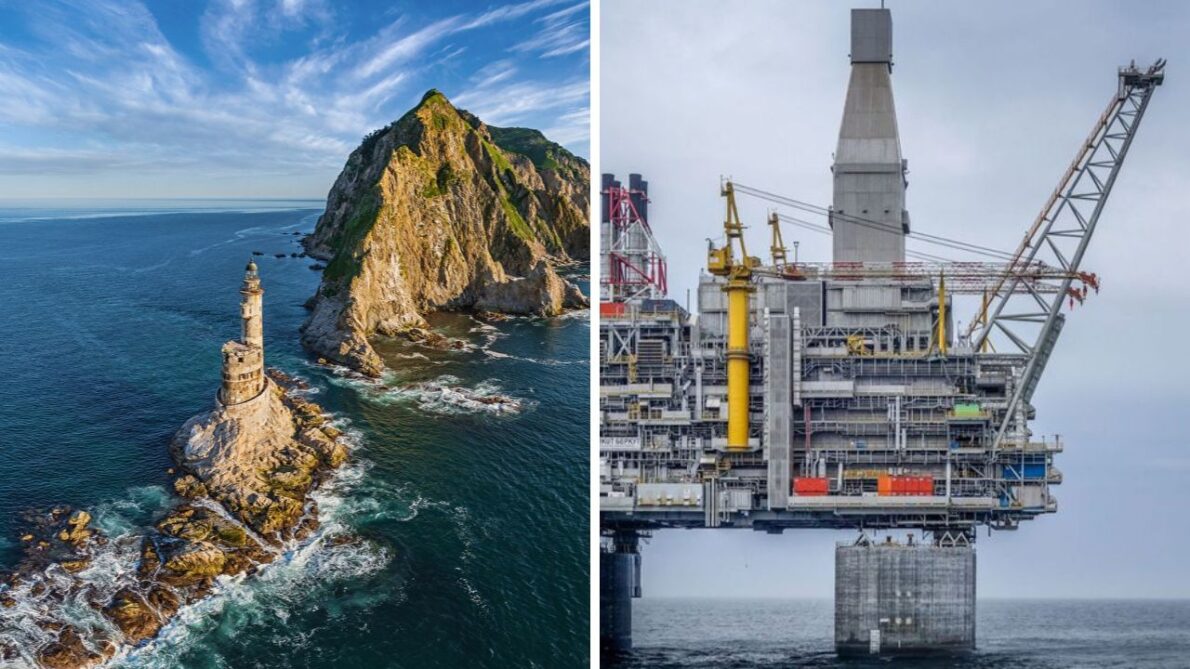


Offshore Oil Platform Berkut: An Engineering Giant in the Far East
The offshore oil platform Berkut, located 25 km off the coast of Sakhalin Island in the Sea of Okhotsk, is a true colossus of modern engineering. This structure, which weighs over 200,000 tons, was built to face some of the severest challenges that nature can offer. In a world where the demand for oil continues to grow, the Berkut represents humanity’s tireless effort to extract resources from increasingly remote and hostile locations.
The Berkut is a unique offshore oil platform designed to operate in extreme conditions. Global oil production, which hovers around 80 million barrels per day, is increasingly dependent on installations like the Berkut, which explore remote and difficult-to-access areas. Situated over a tectonic trench, the platform is an example of how advanced engineering can overcome natural adversities.
Construction and Transportation of the Offshore Oil Platform Berkut
The platform was not built directly on site. Each of its parts was manufactured separately, with the reinforced concrete base being produced in Russia, near Vladivostok, and towed 2,000 km to its current location. Unlike floating platforms, the Berkut is a gravity platform, which means it rests firmly on the seabed, ensuring greater stability. Its base weighs an impressive 160,000 tons and was designed to withstand impacts from up to 2 meters of ice, common in the region.
-
Brazilian giant expands borders in the Southeast: Petrobras confirms new oil discovery in ultra-deep waters in the pre-salt of the Campos Basin.

-
Alert in the global energy market: Severe tropical cyclone hits the coast and disrupts gas production at major plants in Australia, threatening global supply.

-
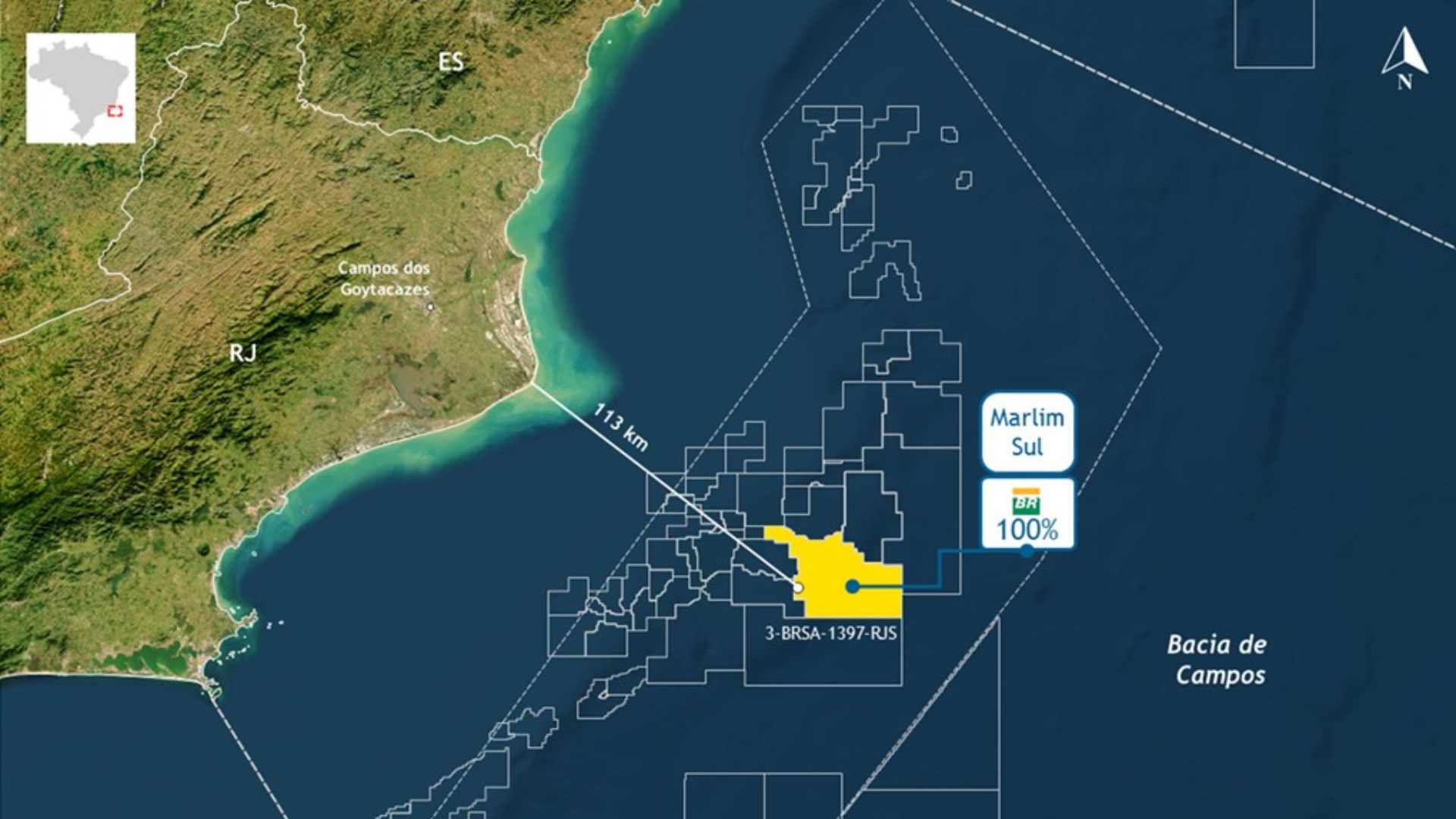
Petrobras finds high-quality oil in the pre-salt at 113 km from RJ and reignites expectations about strategic reserves in the Campos Basin.

-
Ocyan opens registrations for startups focused on innovation in the oil and gas sector and will select projects for Innovation Day with the support of Nexio.


FOR MORE INFORMATION: The president of Ibama expressed great concern over the alarming rise in forest fire hotspots in Brazil
Cutting-Edge Technology to Withstand Earthquakes
The offshore oil platform Berkut was specially designed to withstand large-magnitude earthquakes. It features sliding rings in its structures, functioning like human joints, absorbing vibrations and protecting the platform from severe damage. This technology allows the Berkut to withstand earthquakes of up to 9 degrees on the Richter scale, something essential in a region marked by intense tectonic activity.
Berkut Operation Involves 237 Workers
The operation of the Berkut involves 237 workers, with a maximum capacity of 240 people, a number limited by the quantity of lifeboats available. In emergency situations, the platform can be completely shut down at the push of a single button, a protocol developed from past accidents in the offshore industry. This safety system is crucial, as any unexpected shutdown can cost millions of dollars to the operating company.
Platform Is Energy Self-Sufficient
The platform is energy self-sufficient, with its own power plant featuring four 15 MW turbines each, powered by gas extracted on site. This energy capacity is sufficient to supply half of a medium-sized city. The Berkut uses a desalination system to convert seawater into drinking water, ensuring a supply for the workers on board.
Drilling Waste and Industrial Water Are Pumped Back into Cavities from Which Oil Was Extracted
The offshore oil platform Berkut adopts sustainable practices to minimize its environmental impact. Drilling waste and industrial water are pumped back into cavities from which oil was extracted, a technique considered ecological. This, along with stringent pressure control in the wells, prevents petroleum products from leaking into the sea, preserving local fauna, such as the colonies of crabs and sea lions that frequently visit the area.
Life on the Berkut Is Challenging
Workers face harsh weather, with snowstorms that can delay shift changes for days or even weeks. However, the platform offers adequate facilities, including a cafeteria that operates 24 hours a day, where one can find everything from full meals to simple coffee. The food, although simple, is plentiful and caloric, meeting the needs of workers performing physically demanding tasks.
It’s Not Just an Offshore Oil Platform
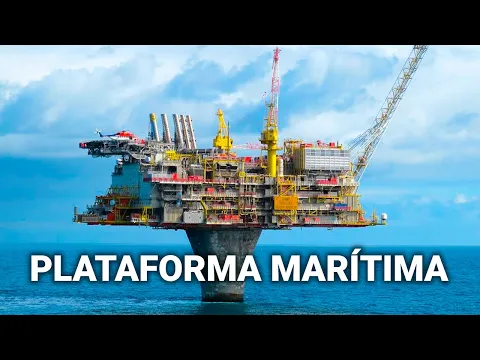

The Berkut is not just an offshore oil platform; it is a symbol of human ingenuity and the relentless search for energy resources in an increasingly demanding world. Designed to last until 2050, the Berkut will continue to play a crucial role in oil production, facing the natural challenges of the Sea of Okhotsk with resilience and technological innovation. The platform represents a balance between resource exploration and environmental preservation, showing that it is possible to operate in harmony with nature, even in the most inhospitable locations on the planet.









How do you get an application for job
Espetáculo de Engenharia Petrolífera!
Quem explora petróleo, usando essa plataforma? Em que lugar do mundo?
operada pela empresa Gazprom Neft, Rússia