






 Portuguese
  Spanish


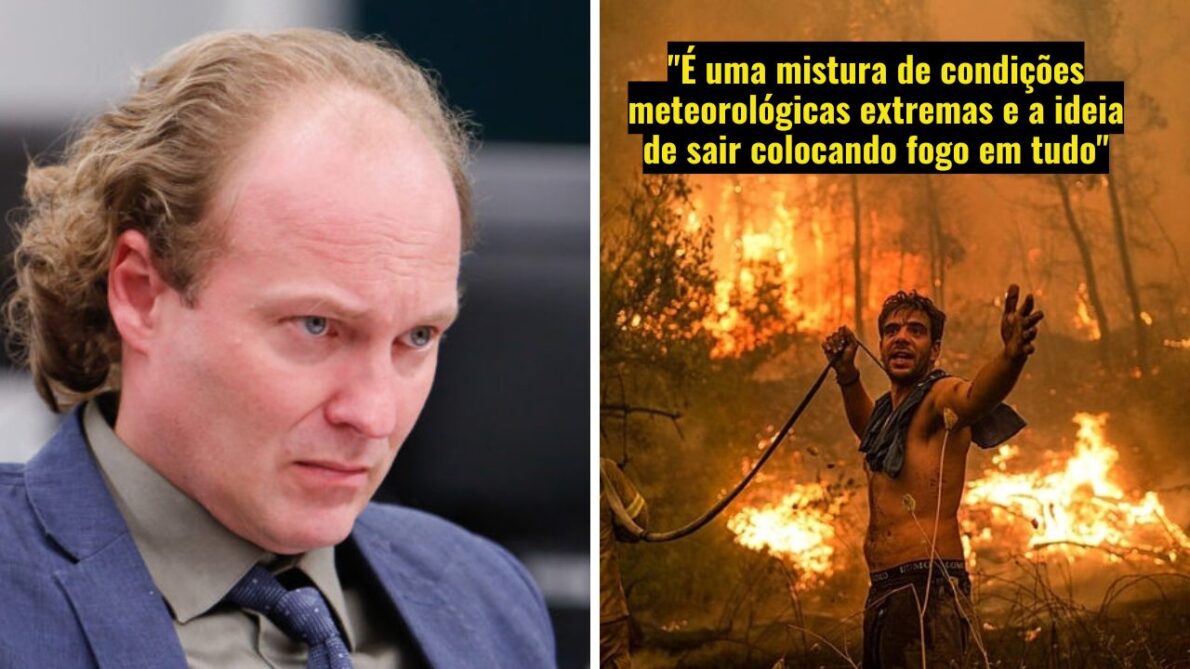

Rodrigo Agostinho, Head of Ibama, Expresses Concern Over the Growth of Wildfires Amid Extreme Weather Conditions in Brazil
The president of the Brazilian Institute of Environment and Renewable Natural Resources (Ibama), Rodrigo Agostinho, stated that he is deeply concerned about the growing volume of wildfire hotspots in various regions of Brazil. The country is facing a dangerous combination of extreme heat and low humidity, leading to an alarming increase in wildfires. The expectation is that the situation will only start to improve from October.
In an interview with Metrópoles, Agostinho commented that Brazil is experiencing a period of climatic extremes, with the situation worsening each week. He highlighted that the La Niña phenomenon, which should be in operation, has proven to be unpredictable, contributing to the worsening of the crisis. “The La Niña should already be operating in the system, but the climatic situation has proven to be increasingly unpredictable“, stated the president of Ibama.
Hotspots of Heat in Various Regions of the Country
La Niña, a phenomenon that causes the cooling of the waters of the Pacific Ocean and usually results in drier weather in Brazil, should have started between July and August. However, the delay in the onset of this phenomenon has intensified hotspots in various regions of the country. As a result, wildfires have spread rapidly, exacerbated by high temperatures and extremely low humidity.
-
Xiaomi 18 Pro and 18 Pro Max May Debut with Snapdragon 8 Elite Gen 6 Pro, Featuring Dual 200 MP Cameras and 8,500 mAh Battery, Ahead of Competitors

-
ispace Pays SpaceX $50 Million to Hitch a Ride on Starship, Aiming for a Shared Commercial Route to the Moon by 2030

-
Solar-Powered Cell Tower to Connect 10,000 Residents on Remote Brazilian Island, Reducing Diesel Dependence
-
Snowman-shaped asteroid captured by Hayabusa2 probe during flyby just 10 km away


Ibama President Says Public Needs Awareness
Rodrigo Agostinho explained that, in addition to climatic conditions, the “culture of fire” in some regions significantly contributes to the situation. “It is a mix of extreme weather conditions and the idea of setting fire to everything“, said the president of Ibama, highlighting the need for public awareness to combat this practice.
States Most Affected by Wildfires
The National Institute of Meteorology (Inmet) issued a yellow alert for potential danger due to low humidity in the central region of the country, affecting states such as Amazonas, Bahia, Ceará, Federal District, Goiás, Maranhão, Mato Grosso, Mato Grosso do Sul, Pará, Minas Gerais, Paraíba, Paraná, Pernambuco, Piauí, Rio Grande do Norte, Rondônia, São Paulo, and Tocantins. These areas have been facing severe drought, which facilitates the rapid spread of fire.
As of August 25, Brazil recorded 107,133 hotspots, representing a 75% increase compared to the same period last year, according to data from the National Institute for Space Research (Inpe). This significant growth reflects the worsening situation, which has challenged authorities in their efforts to contain the fires.
Ibama Situation Room is in Constant Operation
Rodrigo Agostinho reported that the Ibama situation room is in constant operation, discussing strategies to control the increase of heat hotspots. “We have a super heavy climate crisis, the worst drought in the Amazon and the worst drought in the Pantanal in history“, he warned. The combination of extreme climatic factors and human action has made it extremely difficult to control the fires.
Wildfires Will Continue
According to Agostinho, the weather forecast indicates that wildfires will continue to pose a significant risk over the next two months, with September and October being the most critical months. “The situation is concerning, and we are making every possible effort to minimize the damage“, he stressed.
Firefighters and brigadiers are working tirelessly to combat the flames, with operations in critical areas such as the cerrado, where intense fires near the Oswaldo Cruz Foundation and the University of Brasília (UnB) have been controlled. However, the work remains challenging and requires constant vigilance.
Importance of Public Awareness to Combat the “Culture of Fire”
The president of Ibama emphasized the importance of public awareness to combat the “culture of fire” and adopt more sustainable practices. The collaboration of society is crucial to prevent the situation from worsening further. “We are on maximum alert and hope the situation normalizes as soon as possible”, concluded Agostinho.
Authorities continue to closely monitor the situation, hoping that the arrival of spring will bring more favorable weather conditions and help reduce the number of wildfires in Brazil.
What do you think about this concerning situation? Leave your comment and share your opinion on how we can face the challenges of wildfires in Brazil.


