





 Portuguese
  English
  Spanish
  3 min of reading
  0 comments


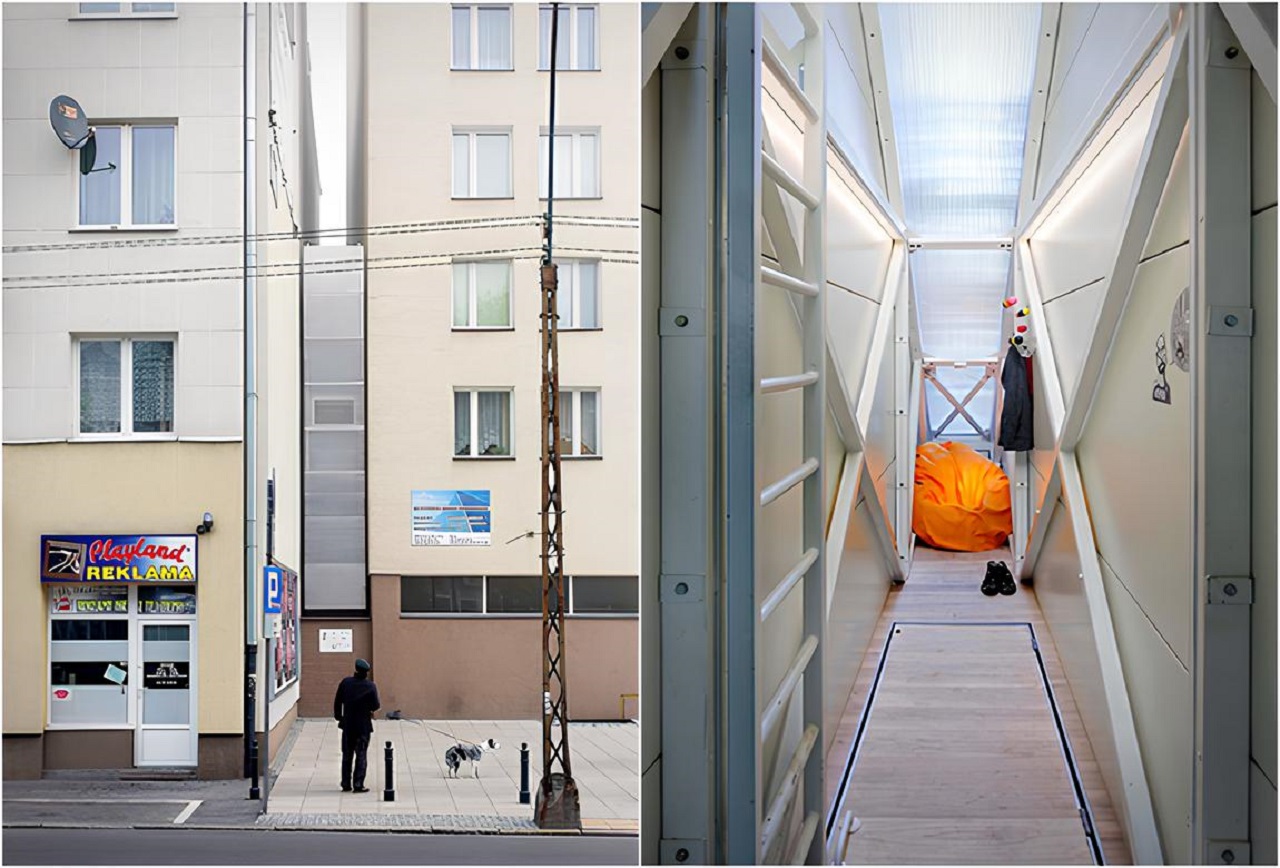
The Smallest Habitable House In The World, With Only 1.4 M, Is Squeezed Between Buildings In Warsaw And Surprises By Being Fully Functional.
In the heart of Warsaw, between two walls so close that they seem impossible to occupy, there exists a structure that defies any conventional notion of space: the Keret House, recognized as the narrowest habitable house in the world. With only 1.4 meters at its widest and about 90 centimeters at its narrowest, the residence has become a global icon of contemporary architecture.
Designed by architect Jakub Szczęsny, the house was conceived as an art installation and at the same time as a manifesto on urban density, space utilization, and new ways of living in large cities. What was meant to be merely an architectural reflection ended up transforming into one of the most famous and photographed constructions in Europe.
How A Crack Turned Into A Complete House: The Gap That No One Imagined Could Be Habitable
The Keret House is installed precisely where what was once considered an useless space: the gap between two historic buildings in the Wola district. The minimum width, less than 1 meter, seemed unfeasible even for creating a corridor, but the project transformed impossibility into a masterpiece.
-
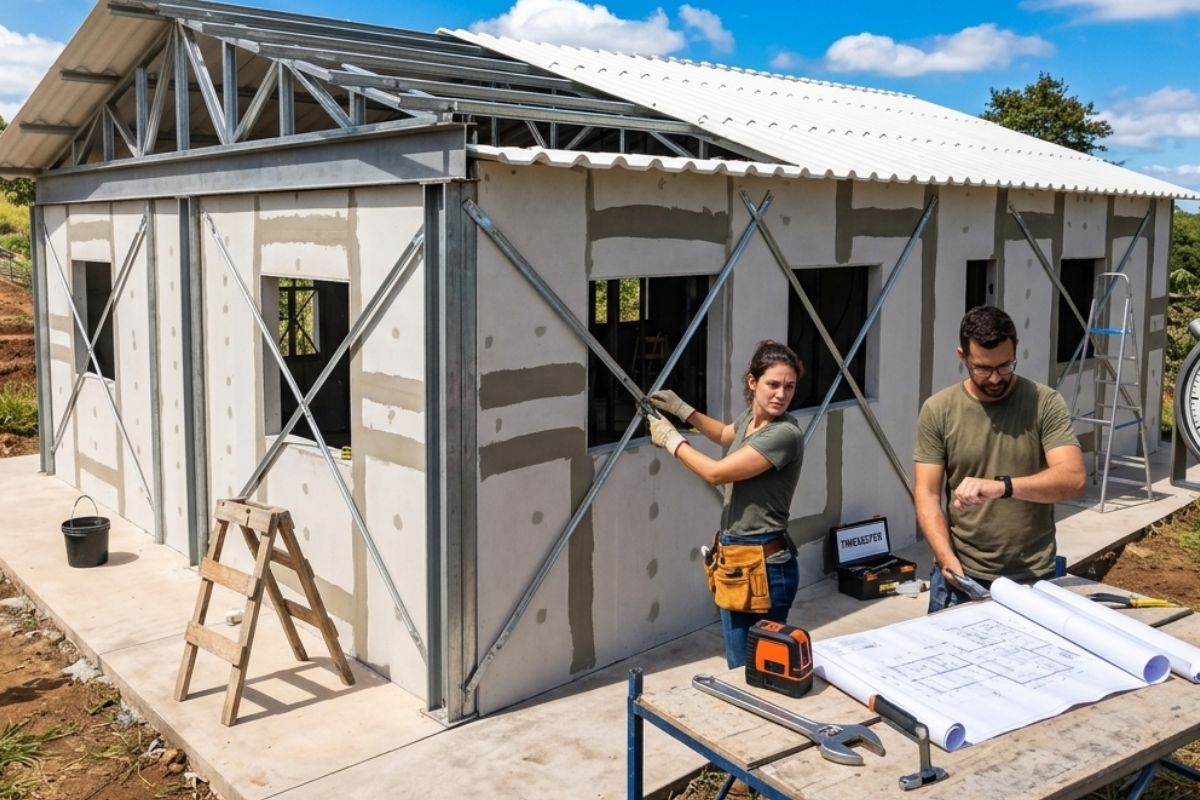
Couple leaves the city and builds a steel frame house in the countryside: sandwich roof, beams and columns secure the roof, X-braces prevent the walls from moving, and the 3-month deadline tightens.
-
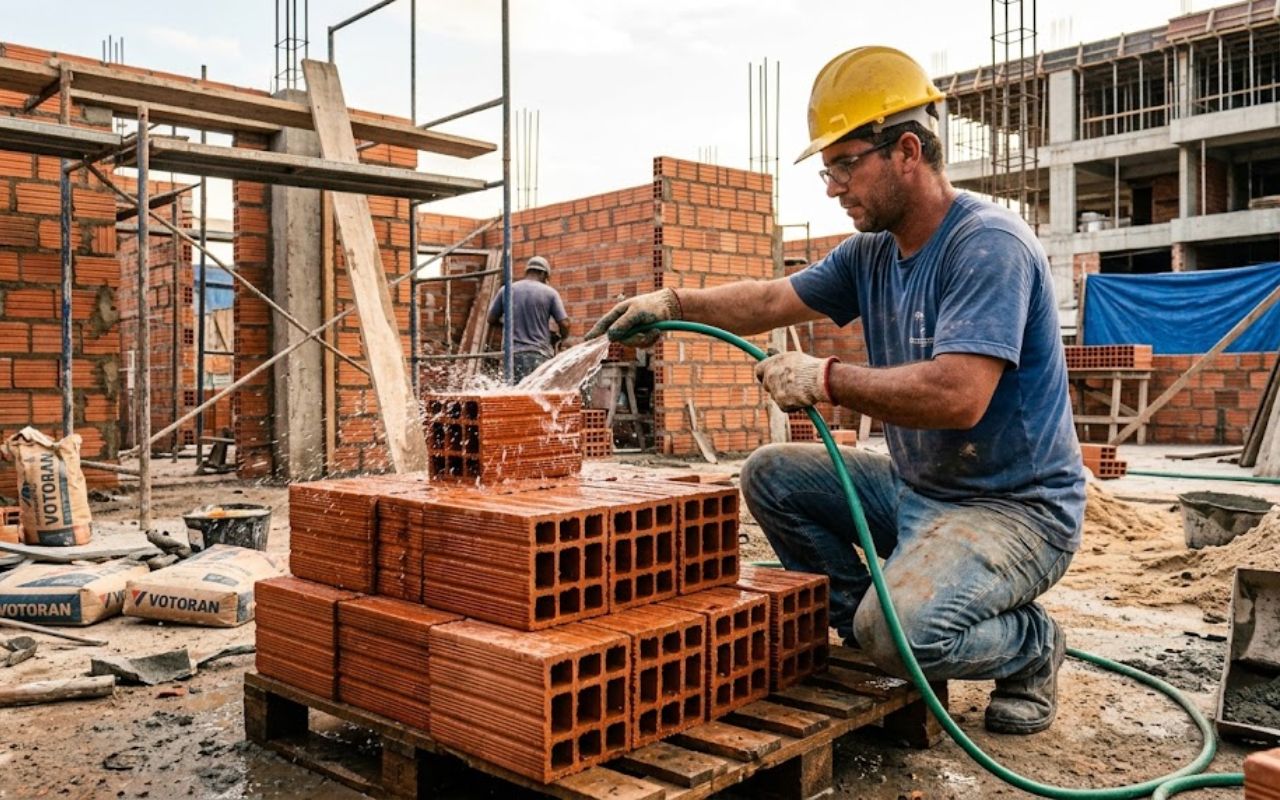
A simple technique of wetting the brick before laying it prevents cracks, improves the adhesion of the mortar, reduces fissures, and ensures stronger walls and more durable constructions.
-
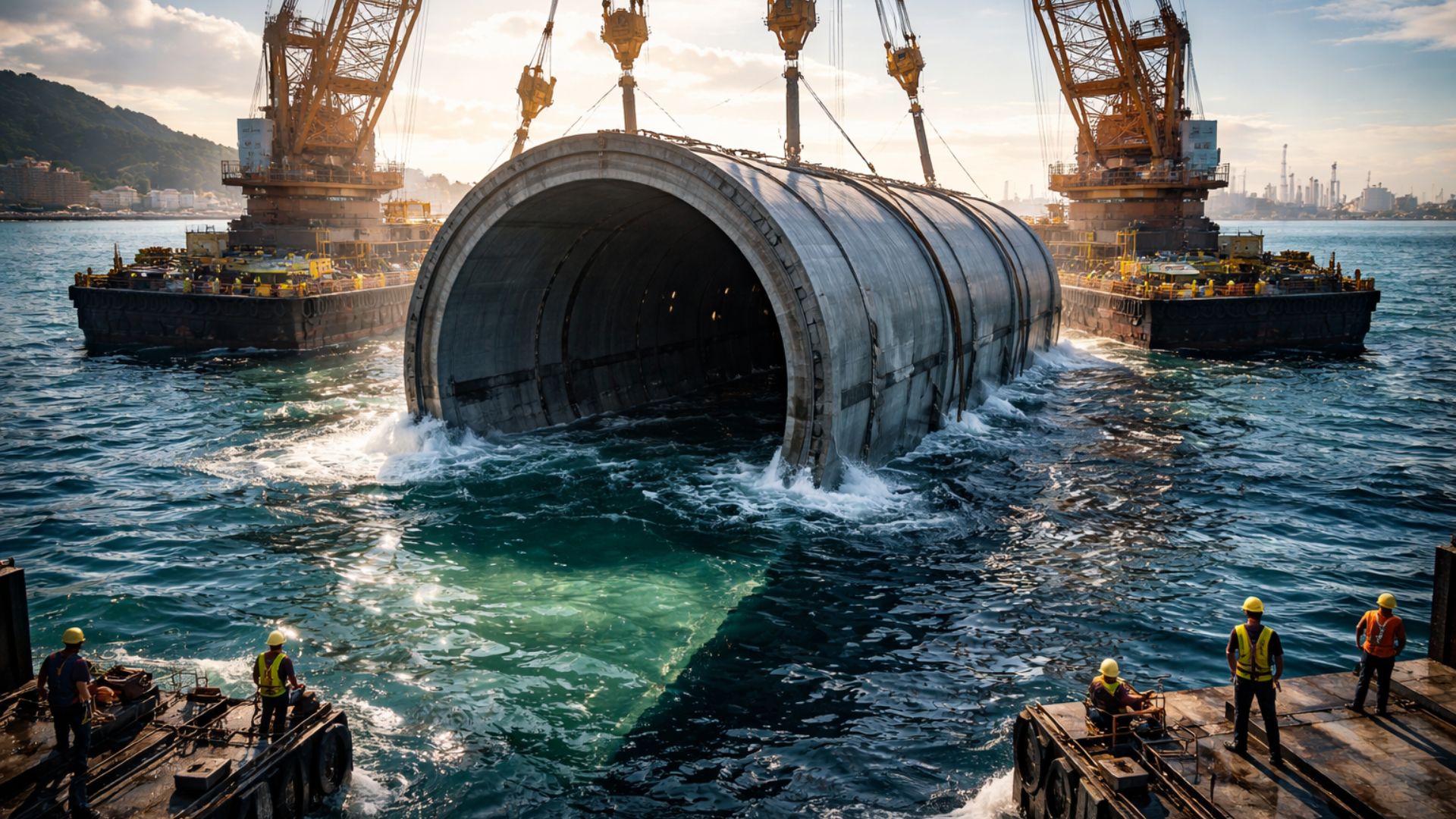
The government opens the vault and deposits R$ 2.6 billion for the construction of Brazil’s first underwater tunnel, with a length of 1.5 km, 870 m under the sea, a total project cost of R$ 6.8 billion, and a 30-year concession.
-
Only 46 meters remain for Brazil and Paraguay to connect via the Bioceanic Route bridge, the project that will link the Atlantic to the Pacific by land and change the logistical map of four countries in South America.



The structure, suspended on metal pilotis, extends into two internal platforms where the following have been fitted:
- compact kitchen,
- work area,
- functional bathroom,
- elevated bedroom,
- retractable stairs,
- narrow windows that enhance the sense of depth.
Every centimeter was thoughtfully designed to maximize ergonomics, lighting, and functionality.
1.4 Meters Wide — But With Everything A House Needs
The upper part of the residence, where the bed and resting space are located, is illuminated by translucent panels, creating a sense of spaciousness that the physical width would never allow. The lower part houses the essential equipment: sink, small refrigerator, single-burner stove, plus a surprisingly efficient bathroom.
Nothing there is conventional — cabinets are built into tiny cavities, the table folds as a panel, the walls are white to multiply the light, and even the windows were designed in non-traditional shapes to appear larger than they really are.
The house is so compact that many visitors describe the experience as entering a portal between the real world and a futuristic micro-scenario.
A Project That Began As Art, Became A Residence And Then Transformed Into A Global Symbol
The Keret House is named in honor of the Israeli writer Etgar Keret, who was the first to inhabit the structure during an artistic residency.
The initial goal was to explore:
- how architecture can occupy abandoned spaces,
- how design can challenge extreme physical limitations,
- and how minimal structures can become functional and inspiring.
The result transcended borders. The house went viral internationally through reports, documentaries, and videos, becoming one of the most photographed urban attractions in Warsaw.
Today, it functions as a visitation space and temporary residence for invited artists — a hybrid between gallery, experimental housing, and living work of art.
A Small Space That Raised Big Discussions About The Future Of Cities
The Keret House is now seen as:
- symbol of urban reinvention,
- architectural laboratory on a minimal scale,
- and proof that creativity surpasses physical space.
Its impact is reflected in studies on micro-apartments, modular housing, and utilization of residual areas in cities — trends that are growing in dense metropolises like Tokyo, New York, and Hong Kong.
By transforming a crack ignored for decades into a functional and iconic residence, the Keret House demonstrates that architecture does not depend solely on area; it depends on imagination.









-

-

-

-

-

9 pessoas reagiram a isso.