





 Portuguese
  English
  Spanish
  3 min of reading
  0 comments


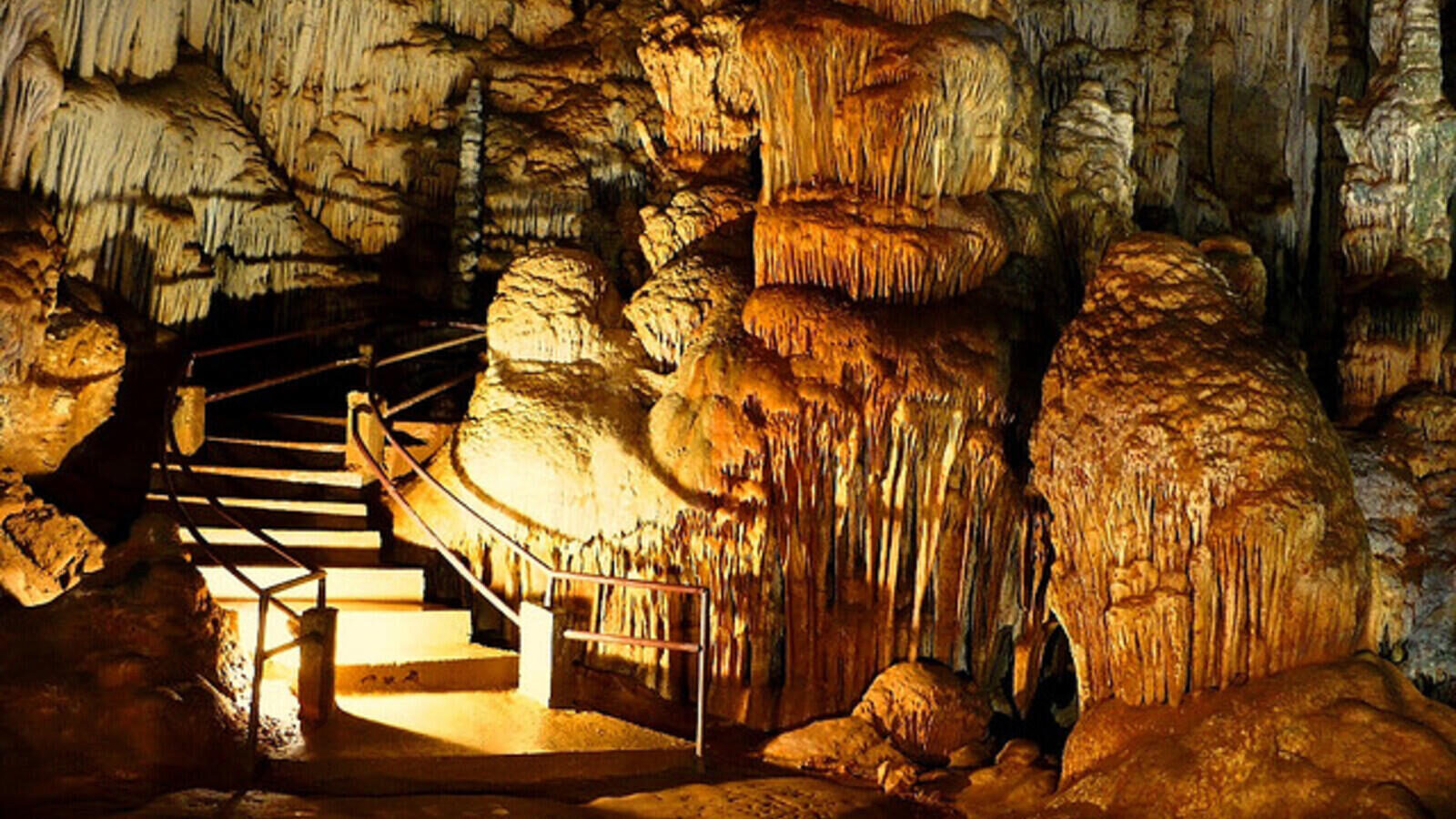
The Devil’s Cave, often cited by tourists as the “Eighth Wonder of the World,” combines tourism, adventure, and environmental preservation in an impressive natural scenario in the interior of São Paulo
Considered by many as the “Eighth Wonder of the World,” the Devil’s Cave is one of the most impressive destinations in the state of São Paulo. Located in Eldorado, about 292 km from the capital, it attracts visitors seeking adventure, contact with nature, and unique experiences. With almost 6,000 meters in length, its rock formations are the main highlight.
Access and Structure
The journey to the cave is made via the Régis Bittencourt Highway, with access through the municipality of Jacupiranga. After that, the path continues along SP-193 and SP-165 to the André Lopes neighborhood in Eldorado.
The trip takes an average of four and a half hours starting from the São Paulo capital.
-
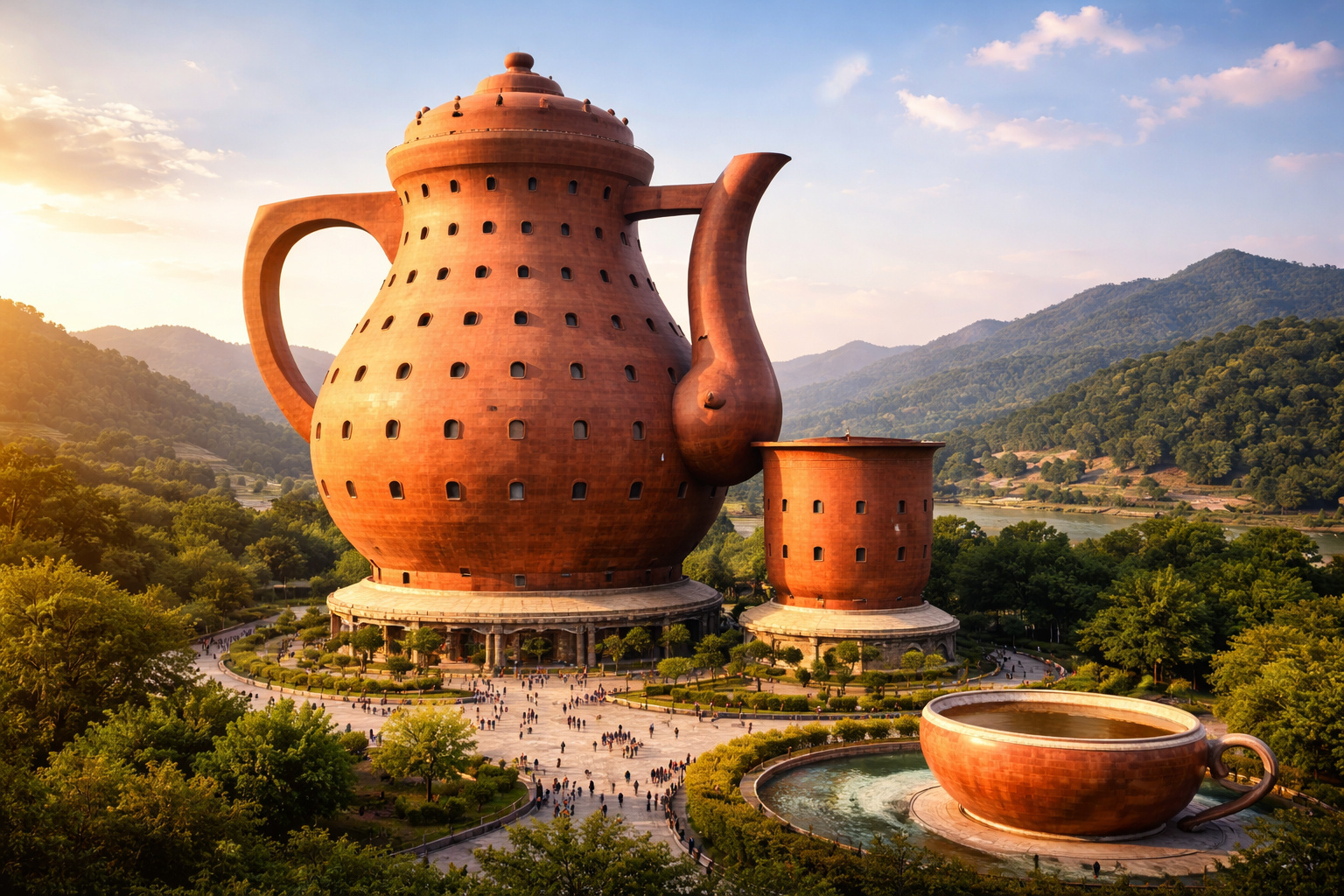
At 73.8 meters tall, the world’s tallest teapot-shaped building has 15 floors, ensures stability, and impresses with an internal space of 28,000 cubic meters.
-
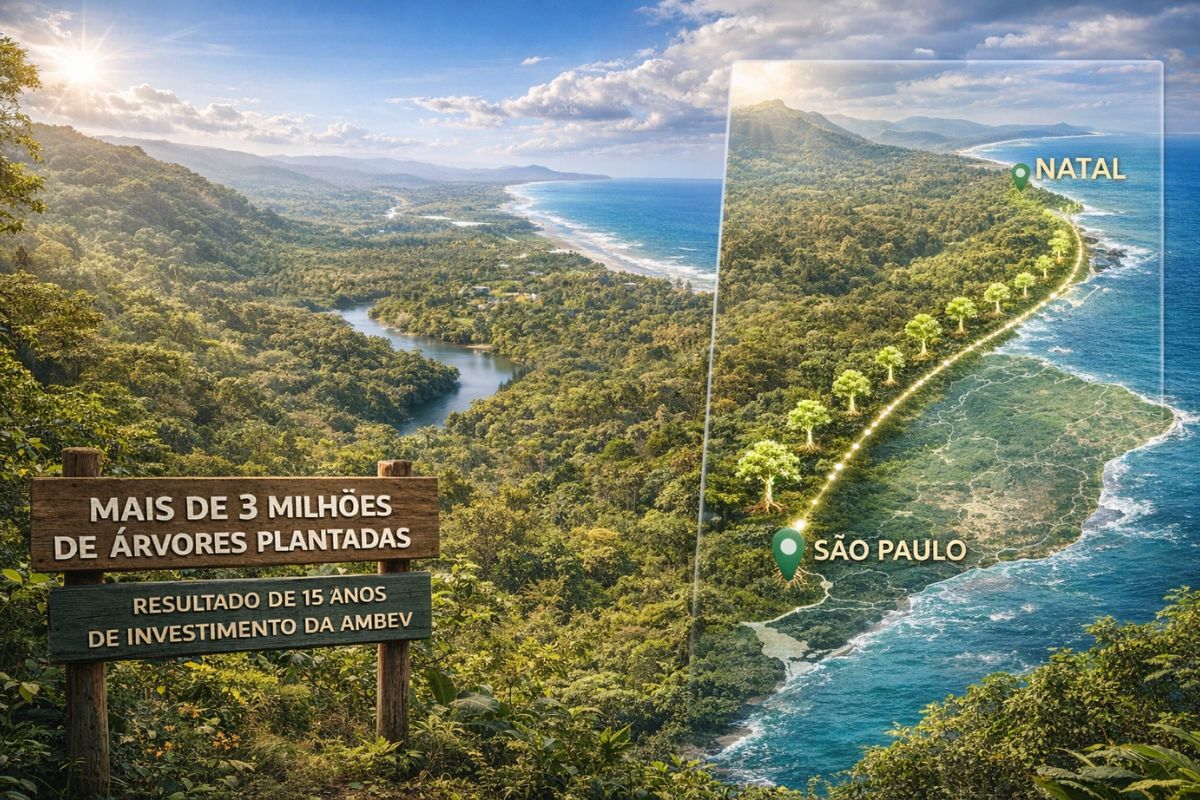
Ambev has planted over 3 million trees and restored an area equivalent to the coastline from São Paulo to Natal, and the result after 15 years of silent investment has finally appeared for all of Brazil to see.
-
A new AI collar technology for cattle eliminates physical fences, creates virtual barriers, monitors animals 24/7, and detects changes in behavior and health.

-
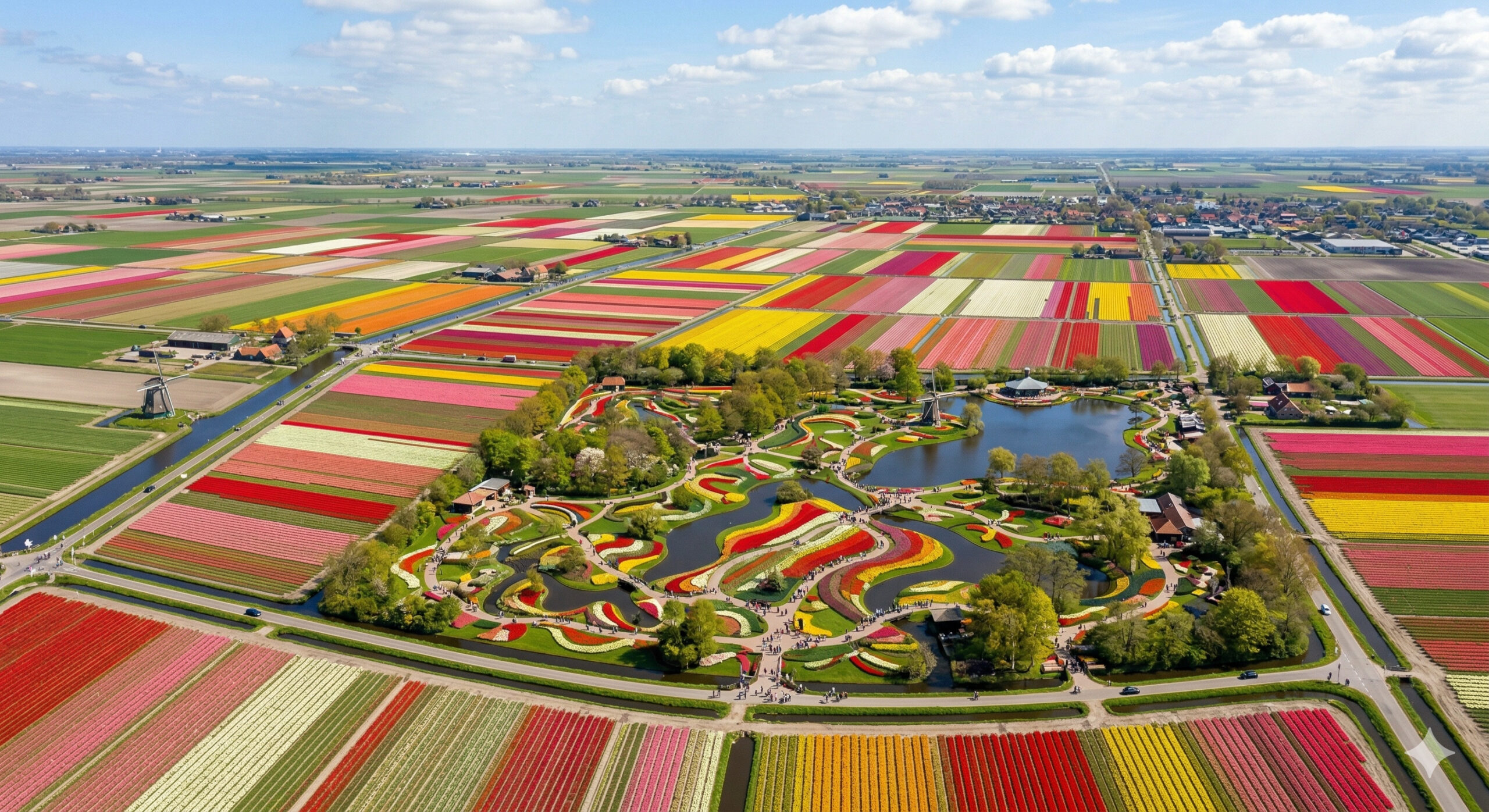
For a few weeks each year, an entire country blooms with billions of tulips, creating a mosaic of colors visible from the sky, while a single garden gathers more than 7 million flowers and attracts visitors from around the world to one of the most impressive shows in Europe.
The site has walkways and artificial lighting, ensuring safety for tourists. The structure allows for a calm exploration of the interior without losing the sense of being in an impressive natural environment.


The Interior of the Cave
The most famous spot is the so-called “Cathedral Hall.” Staircases and bridges lead visitors through huge rock formations that took thousands of years to form.
Among the natural sculptures, some have received curious names, such as Guardian, Snow White, and Devil’s Cauldron.
In addition to the Devil’s Cave, the city of Eldorado hosts several other caves, earning it the title of “Cave Capital” in the state of São Paulo.
State Park
Established in 1969, the Devil’s Cave State Park is the second largest conservation unit in São Paulo.
It occupies approximately 150,000 hectares and preserves large areas of Atlantic Forest, along with other important ecosystems.
The park is home to a rich and varied fauna. Recently, a new species of primate was discovered in the region: the Caiçara Lion Monkey.
Endangered animals also live there, such as the jaguarundi, otter, black-collared titi, purple-faced parrot, and jacu. Among the plant species, the juçara palm, typical of the Atlantic Forest, stands out.
Other Attractions
Besides the cave, the region offers trails, waterfalls, and viewpoints. The best-known waterfalls are the Cachoeira do Araçá and the Cachoeira do Sapatu.
The Cruzeiro and Governador viewpoints are recommended for observing the landscape and contemplating the horizon.
Other smaller caves, such as Rolado and Frias, complete the experience for those seeking more adventure.
Prices and Guiding
A visit to the Devil’s Cave costs R$ 19. Children up to 12 years old, seniors over 60, and people with disabilities have free entry. Students pay half-price, which is R$ 9.50.
Additionally, it is mandatory to hire the environmental guiding service. The cost is R$ 18 in cash or R$ 20 by card per person. The guidance ensures safety and contributes to the preservation of the space.
Devil’s Cave: A Complete Destination
Therefore, the Devil’s Cave stands out as a destination that combines tourism, adventure, and environmental preservation.
With easy access, organized structure, and diverse attractions, it has become one of the main references in ecotourism in São Paulo.
It continues to impress all who visit, both for its natural grandeur and for the ecological richness that surrounds it.
With information from Diário do Litoral.







-

Uma pessoa reagiu a isso.