





 Portuguese
  English
  Spanish
  4 min of reading
  0 comments


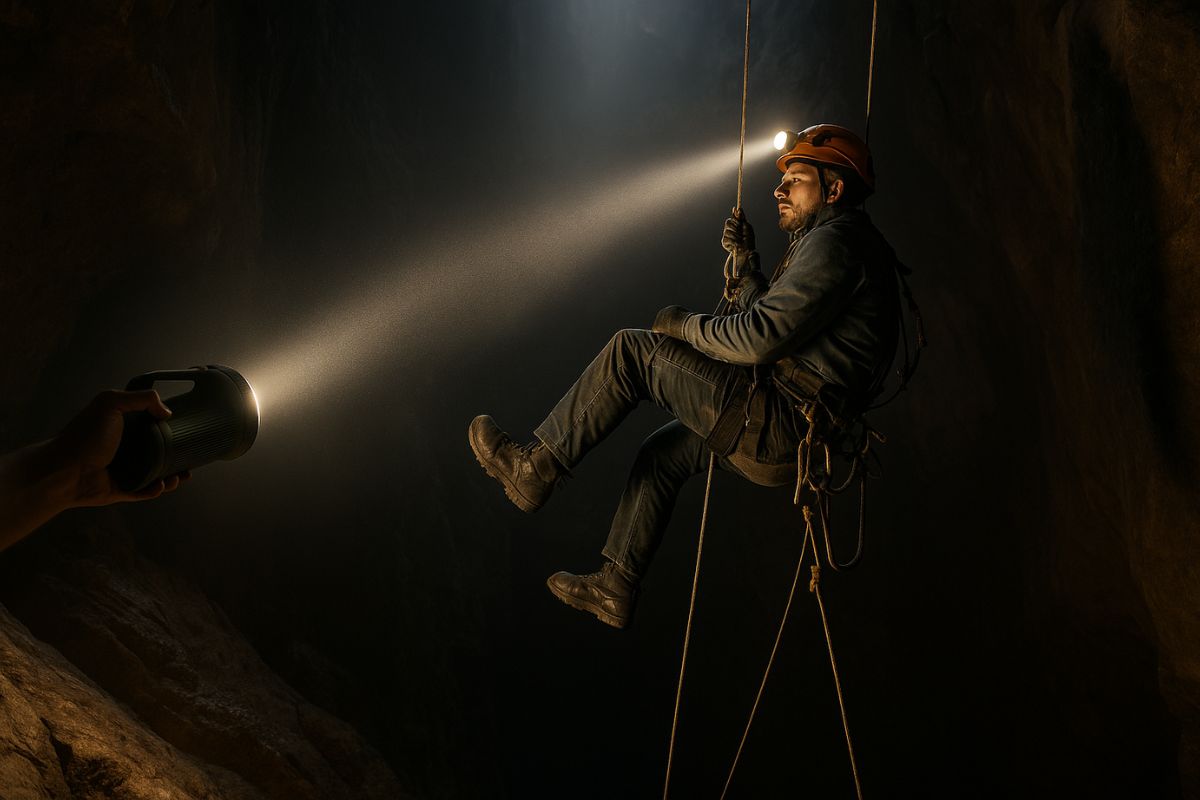
For Years, the Guy Collet Chasm, in the Amazon, Was Considered the Deepest Cave in Brazil. However, an Expedition in 2015 Revealed the Truth and Returned the Title to a Cave in Minas Gerais.
For almost a decade, the answer to what the deepest cave in Brazil was pointed to a remote and hard-to-access location in the Serra do Aracá, in the Amazon: the Guy Collet Chasm. The discovery, announced with great enthusiasm, seemed to rewrite the record books of speleology. However, science is a process of constant verification, and a new rigorous expedition changed this story, revealing a different reality and restoring a cave in Minas Gerais as the true holder of the title.
The story of the Guy Collet Chasm is a fascinating example of how an extraordinary scientific claim was tested and corrected, showing the scientific method in action in the depths of the Earth.
The Discovery of 2006 That Put the Amazon on the Speleology Map
In an expedition carried out between July and August 2006, a partnership between the Italian NGO Akakor Geographical Exploring and researchers linked to the Brazilian Society of Speleology (SBE) announced a monumental discovery. In the Serra do Aracá, they explored a predominantly vertical cavity and named it Guy Collet Chasm, in honor of an important Franco-Brazilian speleologist.
-
Iceberg A23a, one of the largest in the world, is undergoing accelerated collapse and may disappear: what explains the end of the ice giant?

-
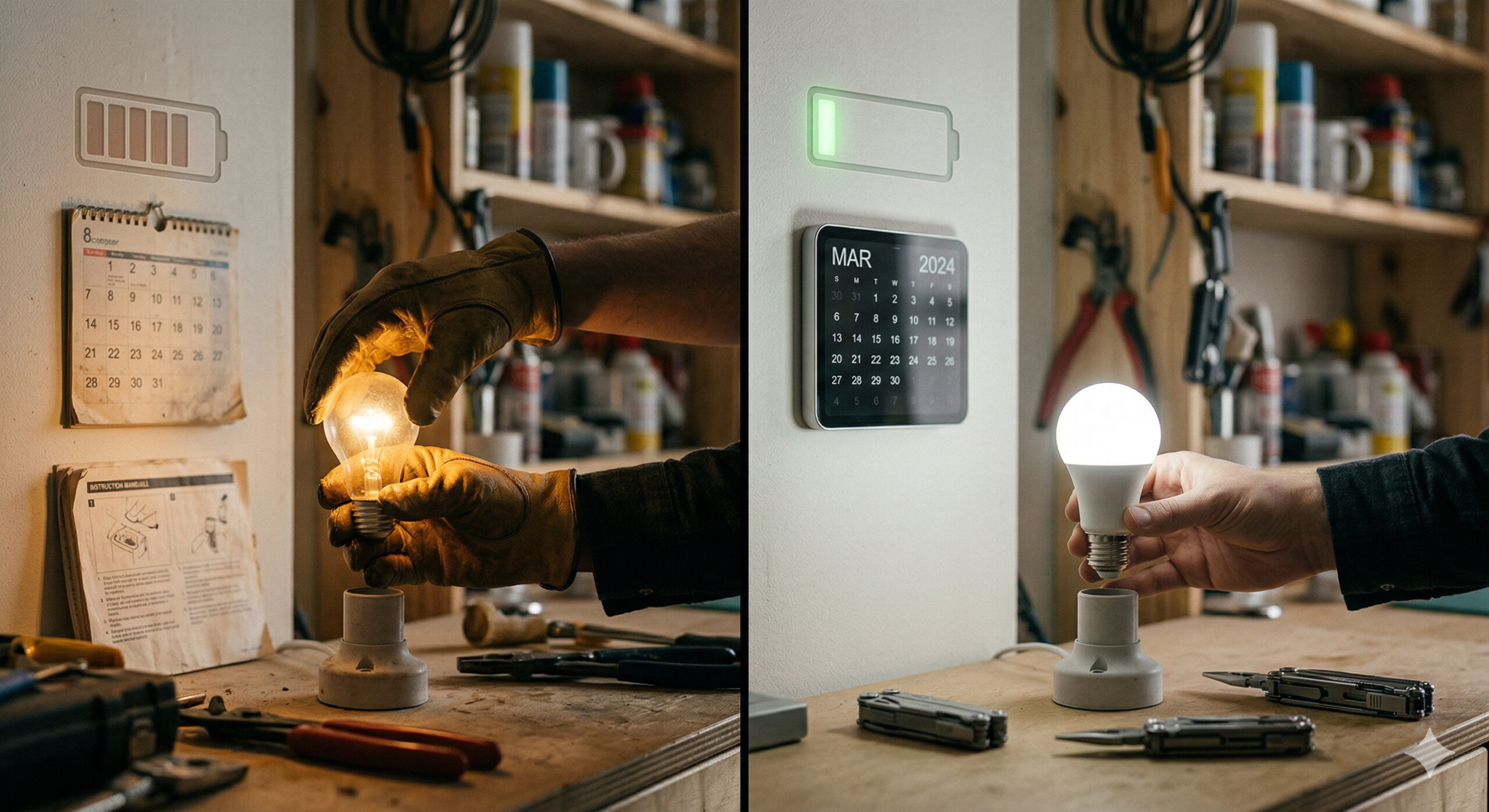
The simplest swap at home can reduce energy consumption by up to 90% without changing habits, using a technology that lasts up to 25 times longer and consumes only a fraction of the electricity.
-
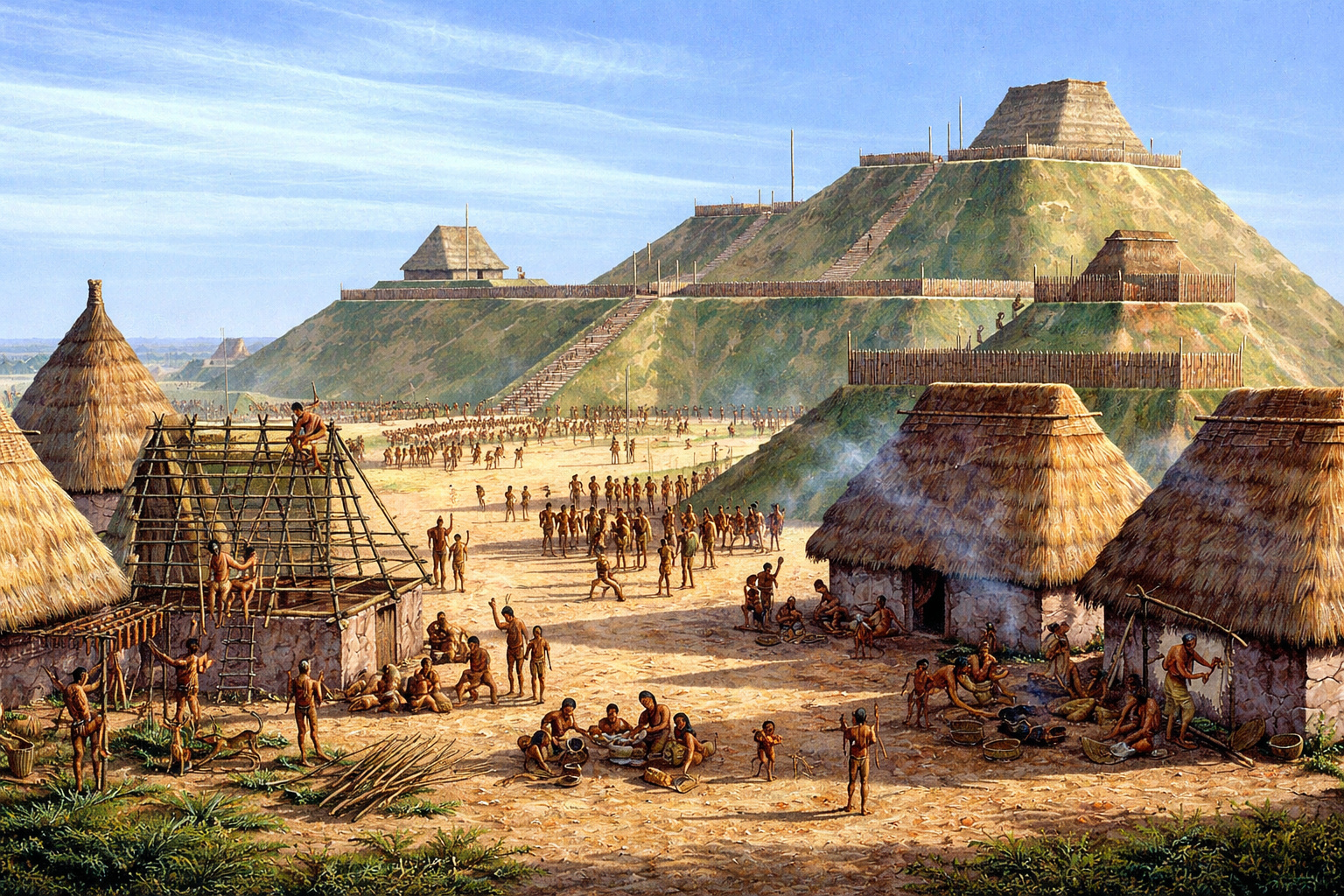
With over 14 million baskets of earth moved, an ancient North American metropolis built a monumental pyramid of 30 meters and established a city with 20,000 inhabitants nearly a thousand years ago.
-
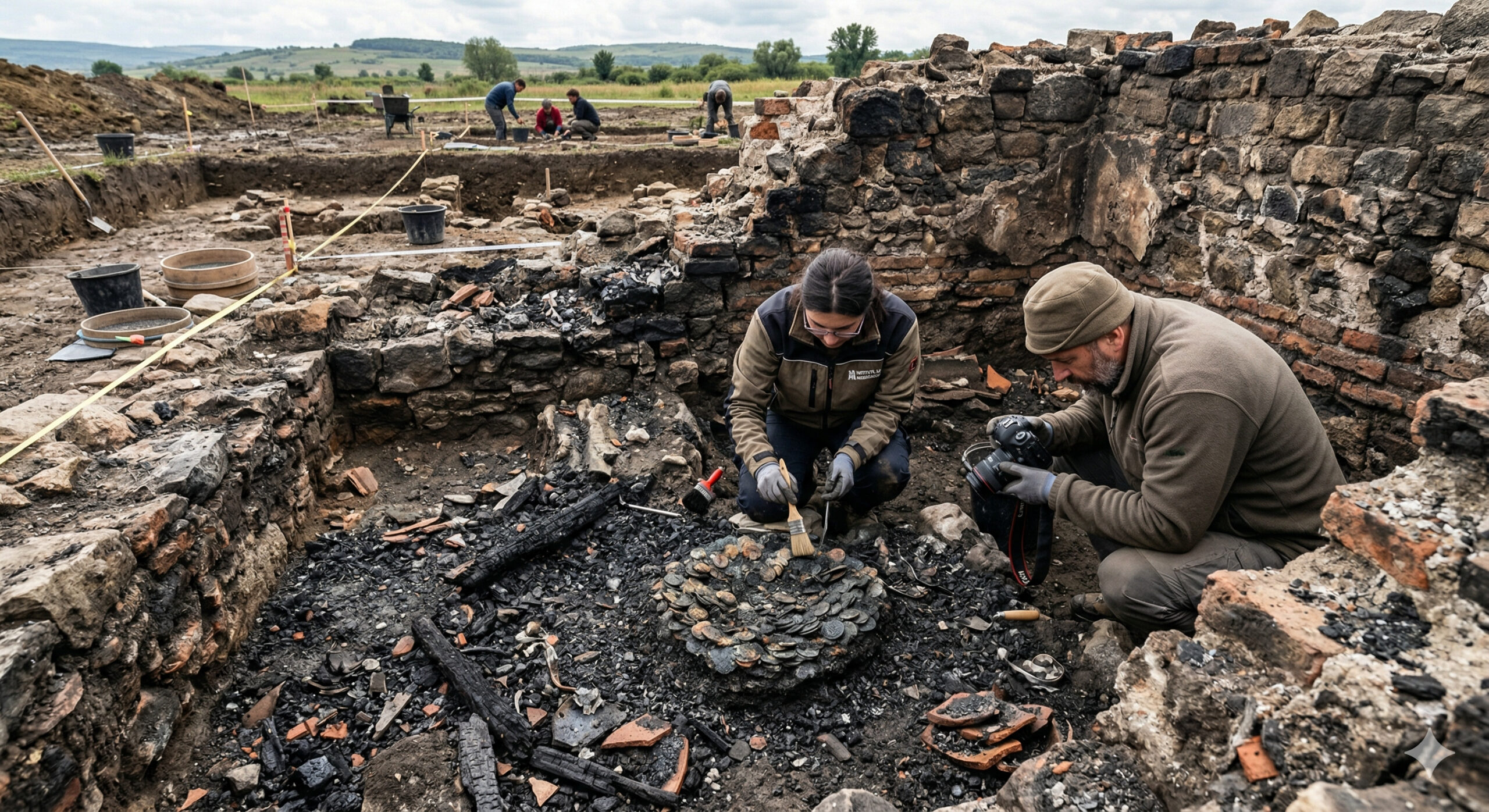
A 1,900-year-old treasure emerges from a Roman house destroyed by fire and sealed since antiquity in Romania, with coins and metals fused among the ashes.

The team reported that the cave reached a depth of approximately 671 meters. The number not only made it the deepest cave in Brazil and South America but also the deepest in the world formed in quartzite rock, a type of extremely hard and rare formation for the development of caves. The discovery was registered in the National Cave Registry and became the official truth for years.
The 2015 Expedition, the Verification That Corrected the Record
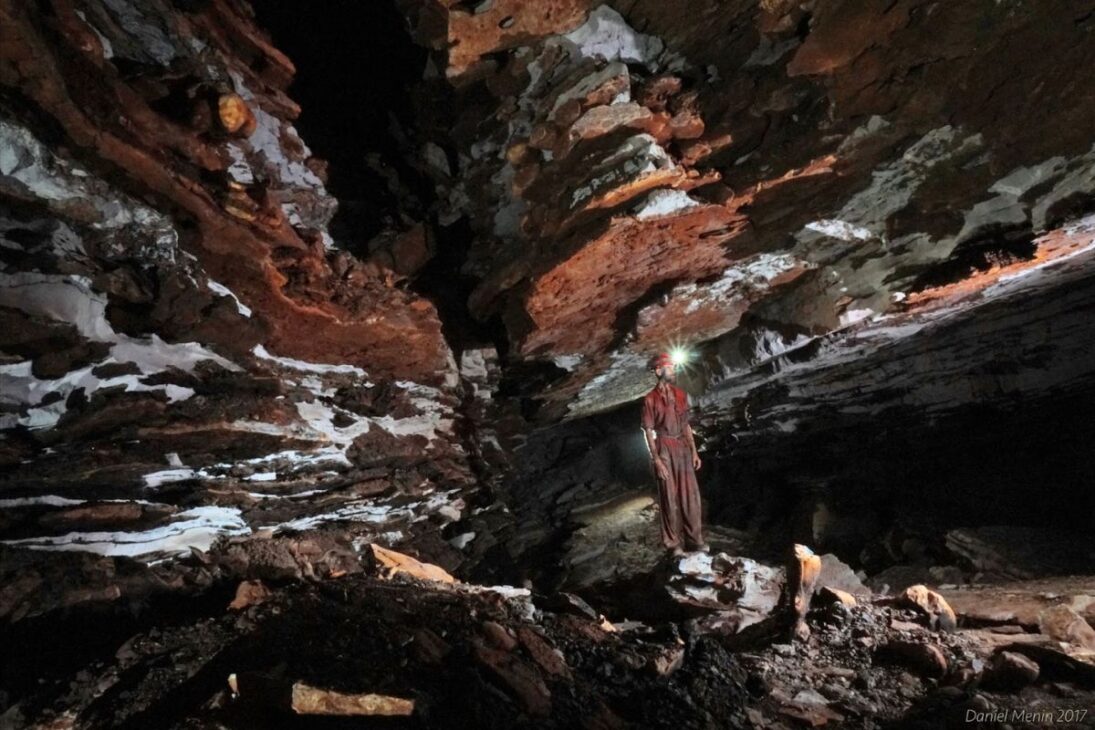
An extraordinary claim required independent verification. This task was undertaken in July 2015 by a joint expedition of two of the world’s most respected exploration groups: the Grupo Bambuí de Pesquisas Espeleológicas (GBPE) from Brazil, and the Italian association La Venta Esplorazioni Geografiche.
The goal was clear: to locate and remake the topography of the Guy Collet Chasm using the most precise methods. After days of exploration in the area, the team reached a definitive and surprising conclusion. The maximum depth they could measure in the cave did not exceed 150 meters, a discrepancy of over 500 meters from the original claim.
How the 2019 Congress Officialized the Change
The scientific process does not end in the field. The results of the 2015 expedition were formally presented to the speleological community during the 35th Brazilian Congress of Speleology, held in Bonito (MS) in June 2019.
The presentation of the new data, which refuted the depth of -671 meters, served as the official act of scientific correction. The consensus of the community shifted to accept the most recent and rigorous measurement, “lowering” the Guy Collet Chasm and consequently redefining what the deepest cave in Brazil was.
The True Deepest Cave in Brazil
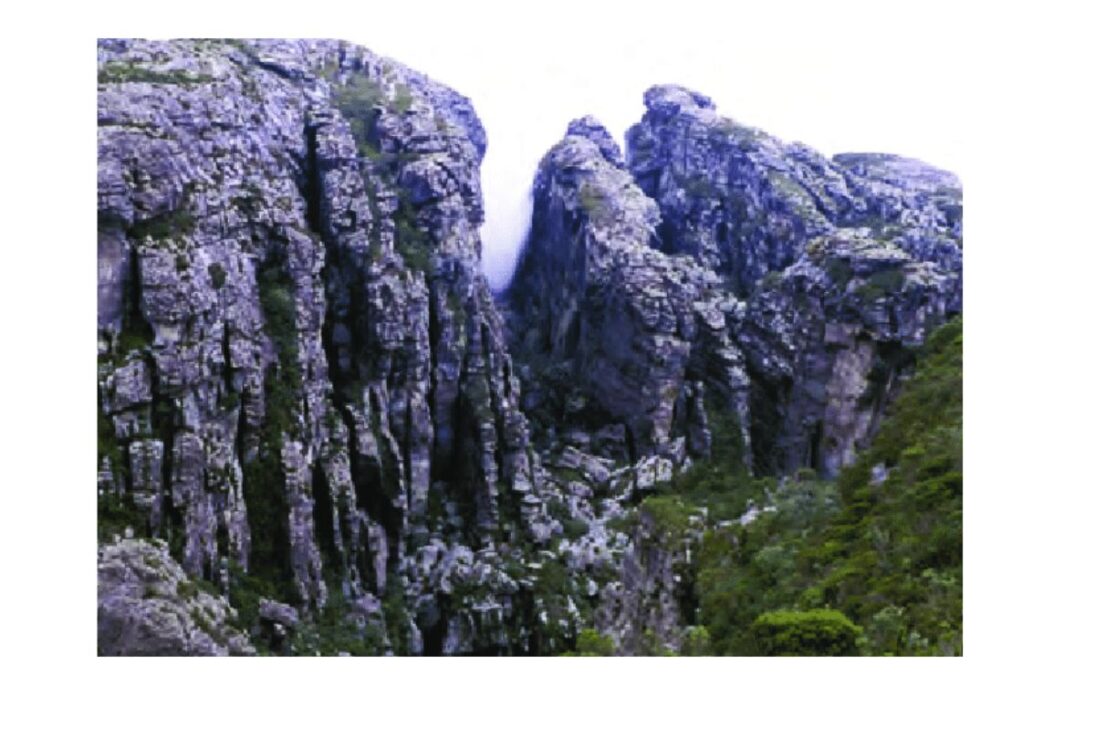
With the correction of the record, the title of deepest cave in Brazil returned to the Gruta do Centenário, located at Pico do Inficionado, in the Serra do Caraça, Minas Gerais. Unlike the Guy Collet Chasm, its depth is supported by a long history of exploration.
Between 1996 and 1998, the Grupo Bambuí conducted a systematic mapping of the cave, confirming its depth at -481 meters. Just like the Amazonian chasm, the Gruta do Centenário is also formed in quartzite rock, which confirms its world record holding for this type of cave.
The Unique Environment of the Guy Collet Chasm
Although not the deepest, the importance of the Guy Collet Chasm has not diminished. Its location in the Serra do Aracá, a type of flat-topped mountain known as tepui, and its quartzite formation make it a site of extreme geological interest.
The difficulty of accessing the region, which requires days of travel by rivers and through the forest, was one of the reasons why the initial claim took so long to be verified. The story of the cave today serves as an example of the importance of verification and the reproducibility of data in advancing science.





Seja o primeiro a reagir!