





 Portuguese
  English
  Spanish
  3 min of reading
  0 comments


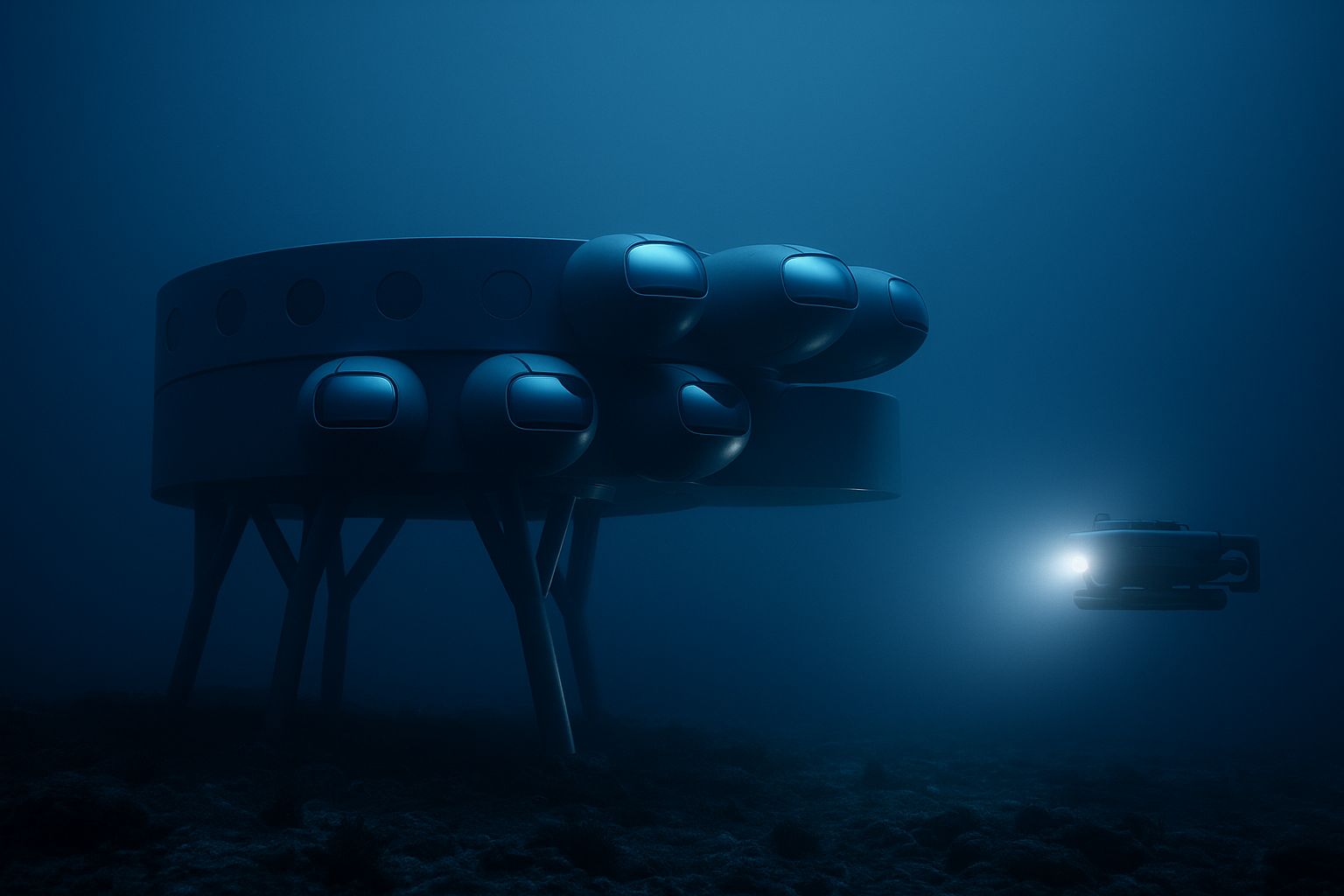
Chinese Project in the South China Sea Involves Scientific Research, Cutting-Edge Technology, Mineral Exploration, and International Geopolitical Dispute
Since the launch of the Salyut 1 space station in 1971 by the former Soviet Union, space exploration has rapidly advanced. However, the oceans remain largely unexplored. According to the National Oceanic and Atmospheric Administration (NOAA), about 80% of the ocean floor has yet to be explored.
Hidden Wealth in the Depths
Recent studies have revealed the presence of valuable mineral resources in the deepest regions of the oceans, such as cobalt, nickel, and rare earth elements.
These elements are essential for the high-tech industry, electronics production, and renewable energy. Additionally, there are deposits of methane hydrate, a gas with potential as a cleaner energy source.
-
A simple technique of wetting the brick before laying it prevents cracks, improves the adhesion of the mortar, reduces fissures, and ensures stronger walls and more durable constructions.

-
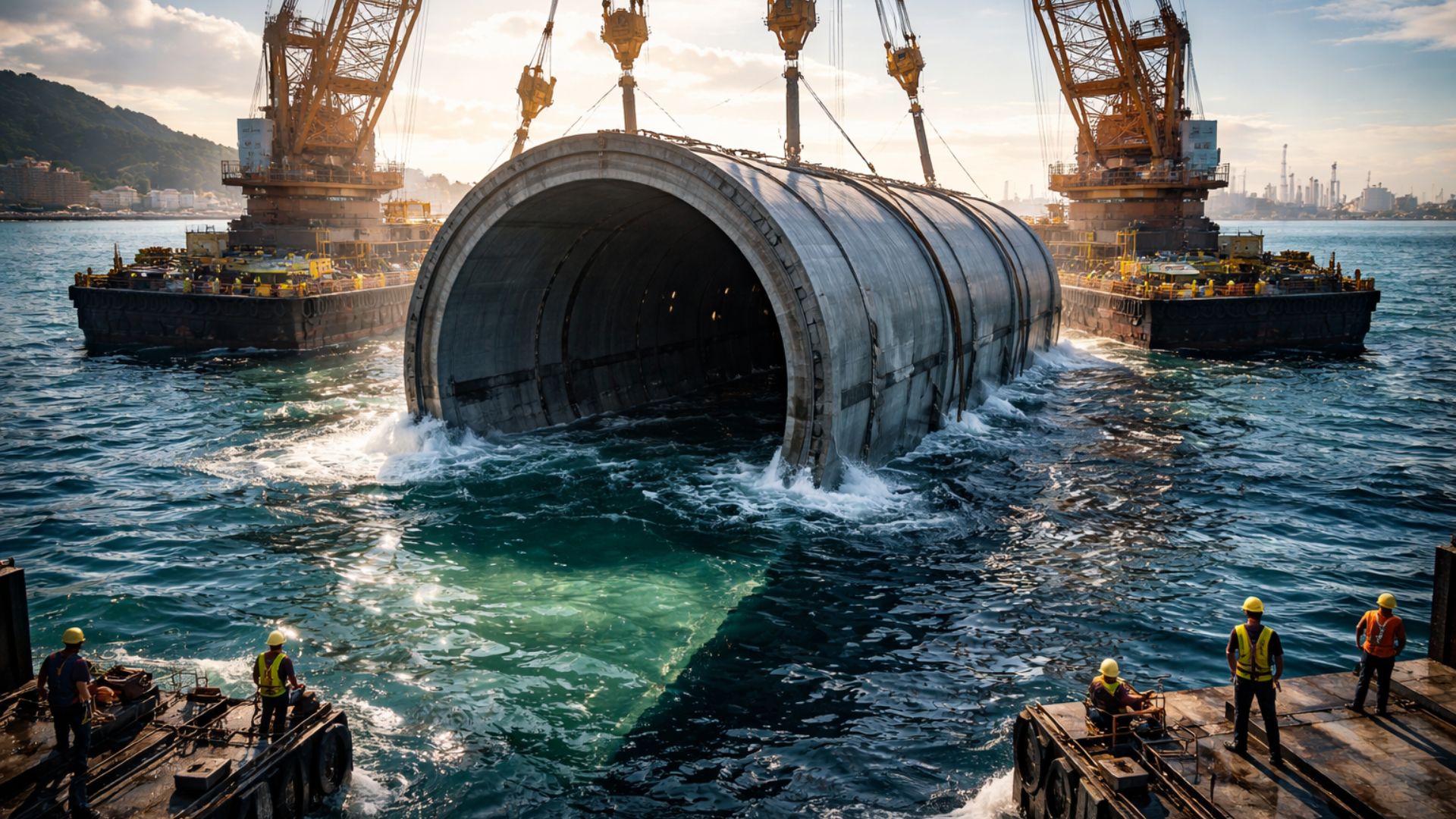
The government opens the vault and deposits R$ 2.6 billion for the construction of Brazil’s first underwater tunnel, with a length of 1.5 km, 870 m under the sea, a total project cost of R$ 6.8 billion, and a 30-year concession.
-
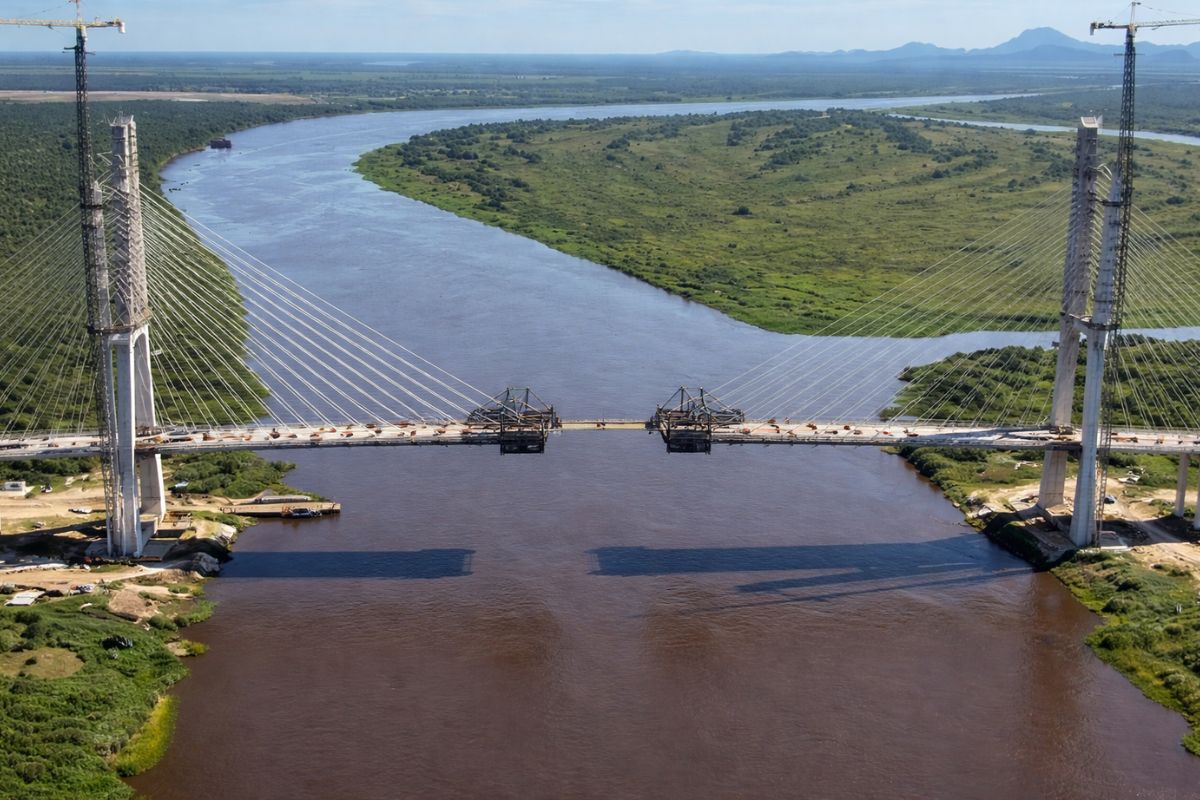
Only 46 meters remain for Brazil and Paraguay to connect via the Bioceanic Route bridge, the project that will link the Atlantic to the Pacific by land and change the logistical map of four countries in South America.
-
The bridge that holds the largest stone railway arch in the world: built over 100 years ago, destroyed in the war, and rebuilt to continue operating to this day, it still carries trains over the Soča River in Slovenia.


The Chinese Submarine Station Project
Given this scenario, China has begun constructing a submarine station in the South China Sea, approximately 2,000 meters deep, near Guangzhou. The project is compared to a “submarine space station” due to the extreme conditions and cutting-edge technology required.
The station will host six scientists who will stay on-site for periods ranging from one month to 45 days. Research will focus on cold-filtering ecosystems, marine biodiversity monitoring, and the exploration of strategic minerals located on the ocean floor.
Submarine Station: Technical Challenges of the Operation
The environment presents significant engineering challenges. The structure must withstand pressures equivalent to 200 times that of the Earth’s surface.
Moreover, equipment must operate in hostile conditions, without sunlight and under extremely low temperatures. These factors require advanced technology to ensure the safety and functionality of the station.
Environmental Concerns Under Debate
The exploration of these resources raises concerns about the potential damage to marine ecosystems. The extraction of minerals and gases may cause irreversible impacts on fragile habitats.
Currently, the International Seabed Authority (ISA) is still discussing regulations to govern these activities. Meanwhile, environmental organizations are pushing for stricter protective measures.
Geopolitical Dispute in the Region
The station is located in an area of geopolitical disputes. China claims sovereignty over much of the South China Sea, while neighboring countries contest this position. Control over the natural resources in this region may further escalate diplomatic tensions.
Some critics claim that the project may have objectives beyond scientific research. There are speculations about the use of the station to extend China’s military presence in the area, especially due to its proximity to nuclear submarine bases.
Cutting-Edge Technology and International Cooperation
The station will be connected by fiber optics on the ocean floor. This will allow real-time data transmission and experiments that neither artificial intelligence nor autonomous vehicles can currently execute with precision.
Despite the disputes, China claims that the project is open to international collaborations. The initiative aligns with the United Nations Decade on Ecosystem Restoration, aiming to encourage partnerships in ocean research and conservation.
A New Chapter in Ocean Exploration
The advancement of the Chinese submarine station marks a new chapter in the exploration of the seas, with possibilities to develop technologies, discover new forms of life, and expand knowledge of the ocean depths.
With information from Tribuna de Minas.







Seja o primeiro a reagir!