





 English
  Francês
  Alemão
  Italiano
  Japonês
  Norueguês
  Portuguese
  Spanish
  3 min of reading
  1 comment


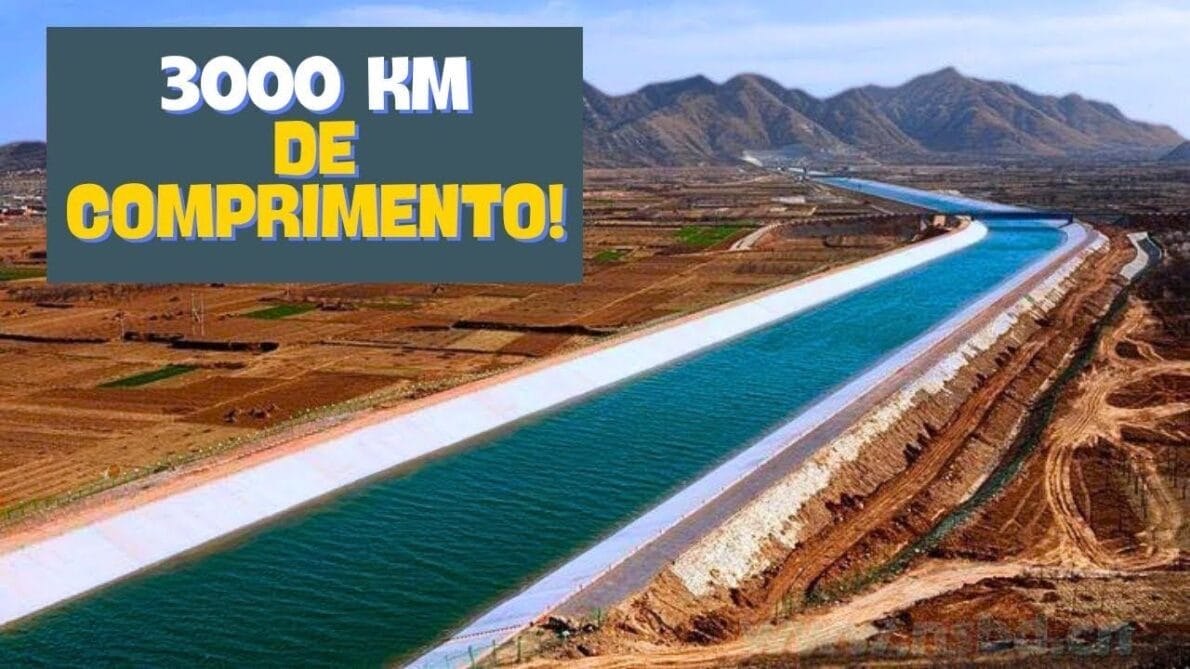

China Is Undertaking an Ambitious Project to Build the Largest Network of Artificial Rivers in the World. With an Estimated Cost of US$ 62 Billion, the Network of Canals, Aqueducts, and Tunnels Will Transport Fresh Water from the South to the Industrial Regions in the North of the Country.
Since ancient times, China Has Faced Challenges with Water Distribution. The south of the country is rich in water resources, while the north suffers from scarcity. To solve this problem, the Chinese government initiated the South-to-North Water Transfer Project.
The project involves three main routes: East, Central, and West. Each route has its own network of canals and tunnels to transport water across the country.
East Route in China
The East Route begins near the city of Yangzhou in China, using a branch of the Yangtze River. Water is pumped into the Grand Canal Jing-Hang, the largest artificial canal in the world, and then transported to Tianjin, a city northwest of Beijing. This route, which began construction in 2002, was completed in 2017 and delivers about 1 billion cubic meters of water per year.
-
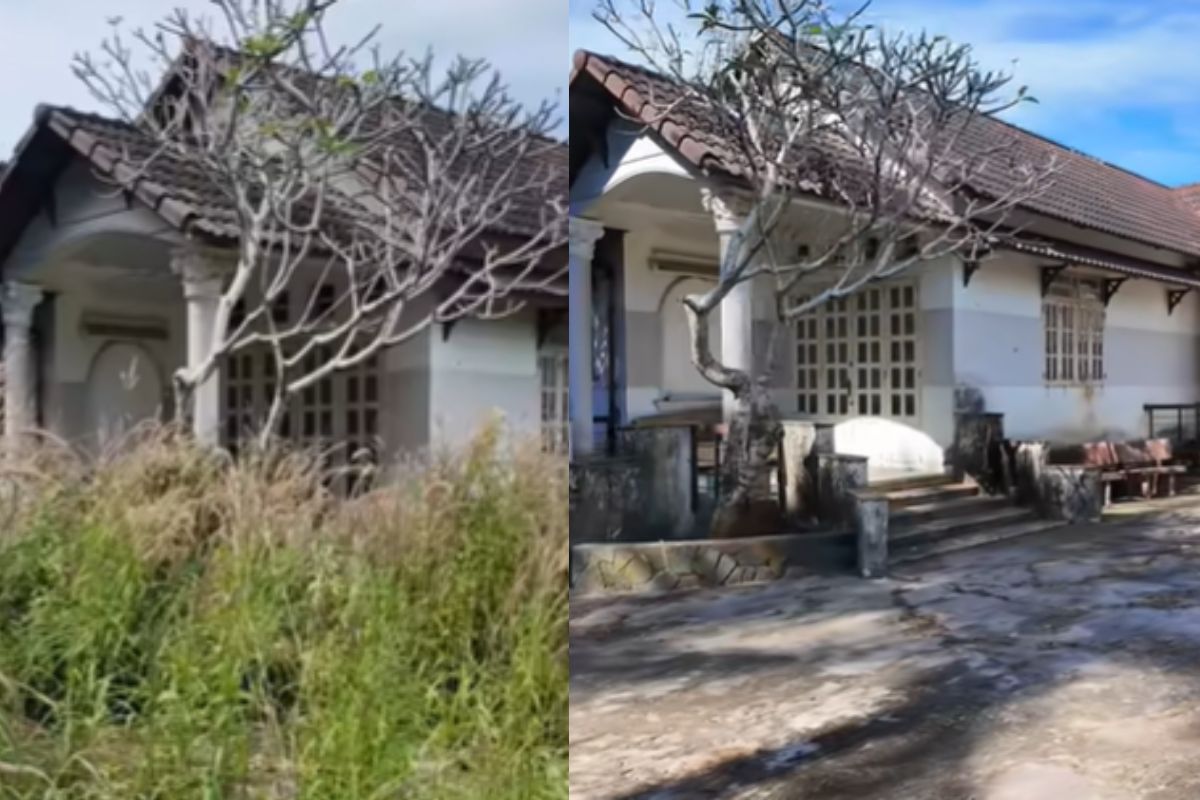
Abandoned house for 15 years disappears in the woods, shocks owner with unrecognizable scenery and is reborn in an intense transformation after almost 90 hours of work in just 10 days.
-
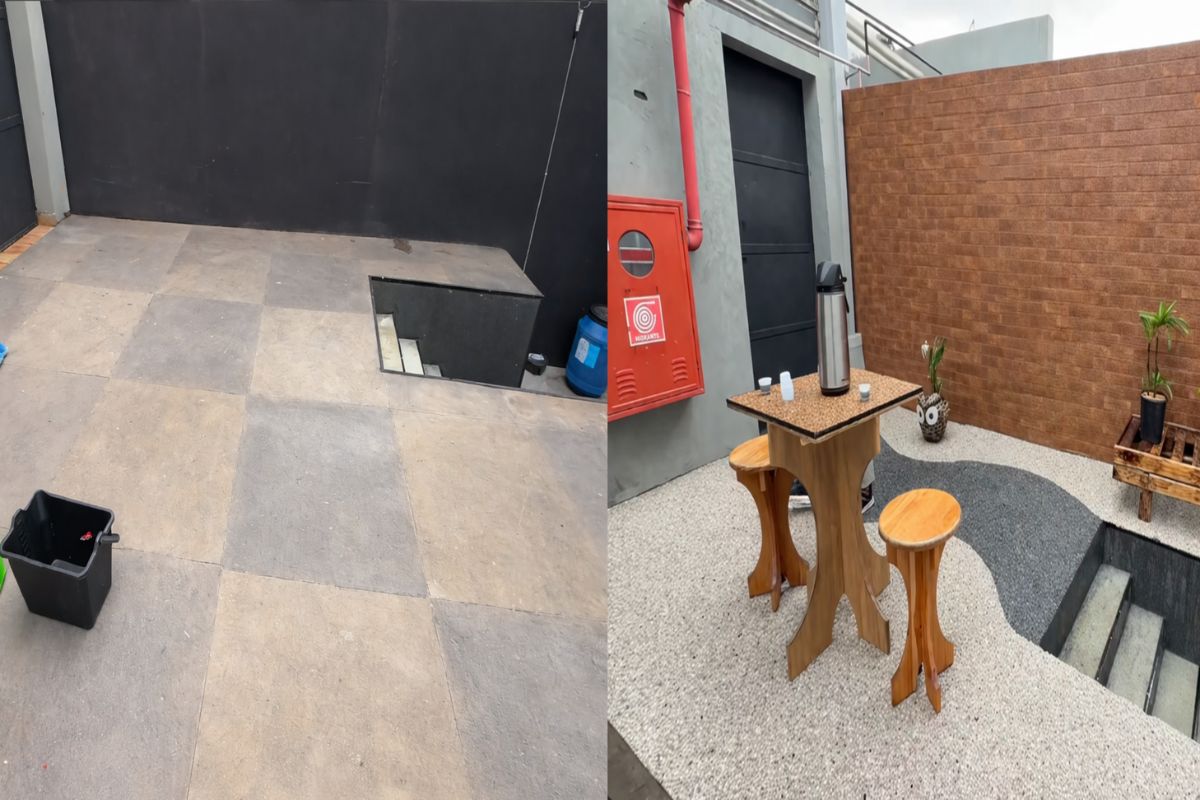
In just three hours, a natural stone floor transforms the entrance of the house with an organic effect, immediate drainage, and a sophisticated non-slip finish that doesn’t puddle water, dries quickly, and impresses with the final result.
-
‘Interlocking brick’ made of earth arrives in the construction industry with cost reductions of up to 40% on the project.

-
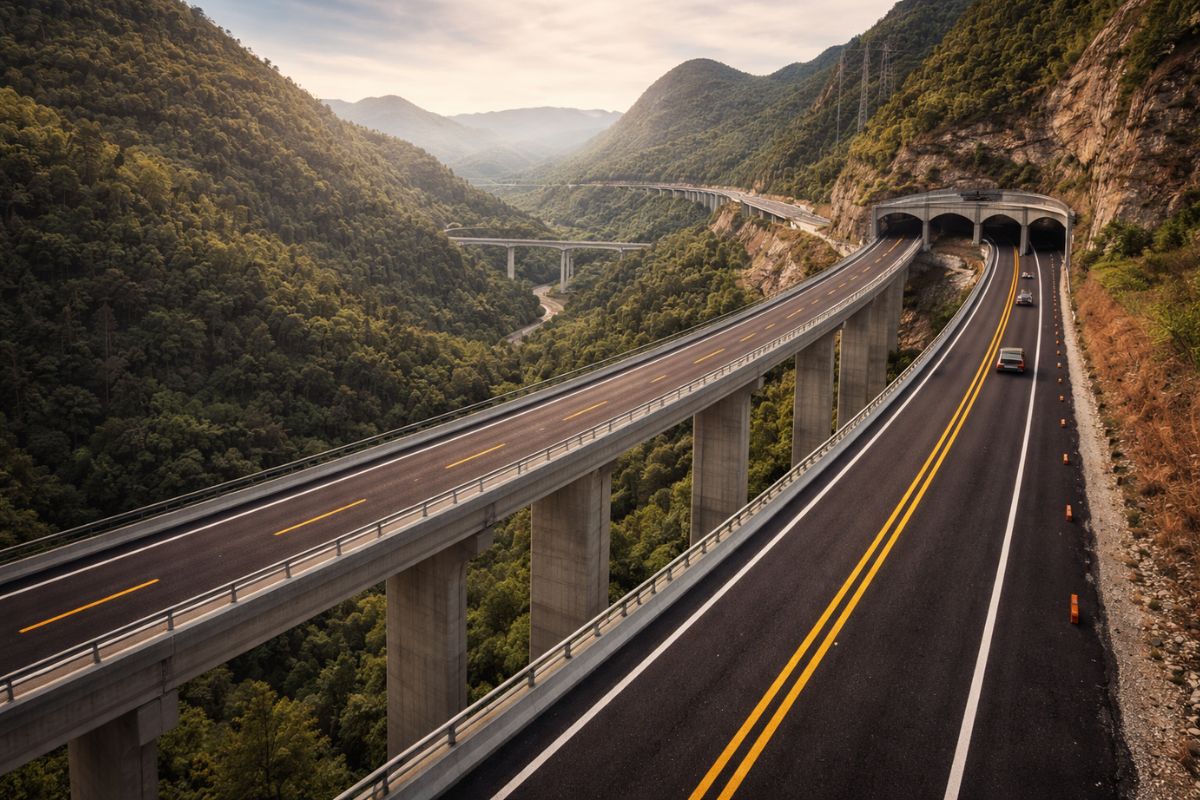
Espírito Santo will receive the largest engineering project in its history with the duplication of BR 262, which will have 50 viaducts, 28 bridges, and 2-kilometer tunnels cutting through the most challenging mountainous region of the entire state.

Central Route
The Central Route starts at the Danjiangkou Reservoir. To allow the flow of water, the reservoir’s dam was raised by 15 meters, requiring the relocation of over 300,000 people. Completed in 2014, this route extends over 1,200 km and transfers up to 12 billion cubic meters of water annually to Beijing and other regions in the north.
West Route
The West Route in China is still in the planning phase. It will be the most challenging of the three, involving the construction of tunnels through the Tibetan Plateau. This route is expected to be completed by 2050, with the capacity to deliver up to 17 billion cubic meters of water per year.
Impacts and Challenges
Despite the benefits for the northern regions, the project faces criticism due to its environmental and social impacts. The construction of canals and tunnels disrupts the natural flow of rivers, causing the drying up of hundreds of smaller rivers. Contamination of artificial waterways by industrial waste is a constant concern.
The total cost of the project is high, and maintaining the extensive network of canals and aqueducts will also require ongoing investments. However, the Chinese government believes that the project is essential to ensure the country’s water sustainability.
China’s plan to Build the Largest Network of Artificial Rivers in the World is an ambitious attempt to solve the water crisis in the northern part of the country. With massive investments and technical complexities, the project seeks to ensure fresh water for millions of people, but faces significant environmental and social challenges.








Claro que não causa seca em outros rios menores, são alarmismo de pessoas que nada realizam. O excesso do fluxo do Yang Tsé é redirecionado evitando cheias e inundações.