






 Portuguese
  Spanish


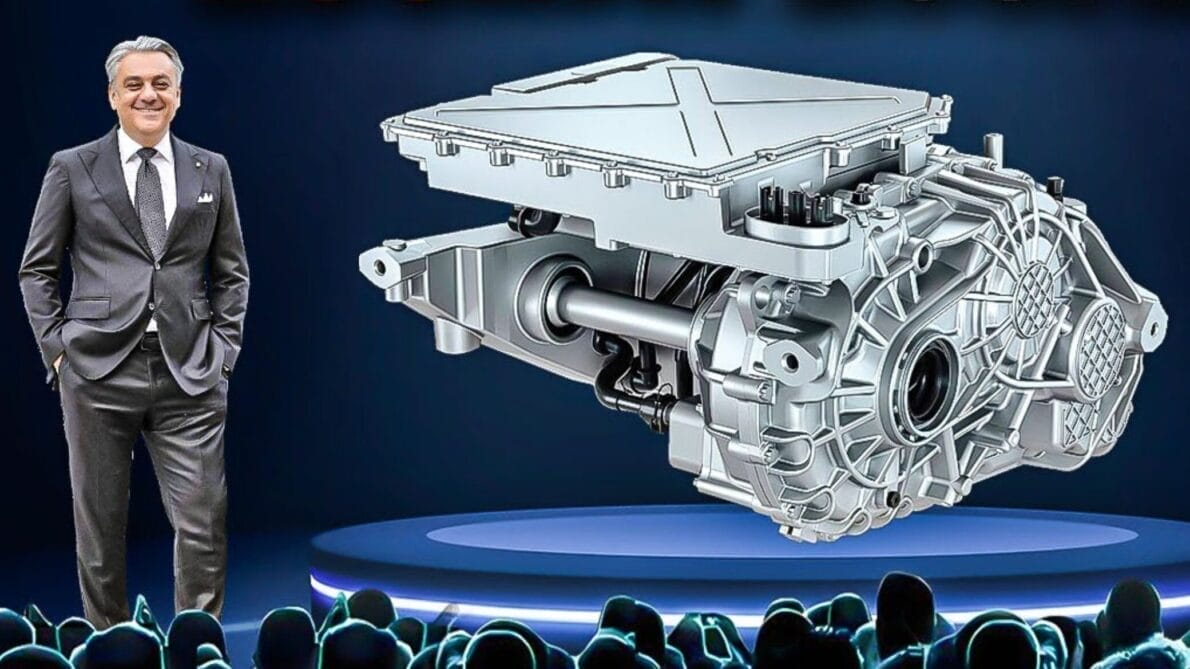

The Automotive Industry Is Surprised by the New Electric Motor That Does Not Use Rare Earths, Offering More Power and Range Without Harming the Environment.
The manufacturing of batteries for electric vehicles (EVs) has been a challenge due to the use of rare earth metals, the extraction of which causes significant environmental damage. However, a team of engineers has now created a new electric motor that does not require these metals. This new motor promises more power and efficiency, without the environmental issues associated with rare earths.
Rare earth metals, such as neodymium and dysprosium, are essential in the production of motors and EV batteries, as they make the motors more compact and powerful. However, the mining of these metals is harmful to the environment and often takes place under questionable working conditions.
Electric Motor E7A
The big news is the E7A electric motor, developed by the Renault group in partnership with the automotive supplier Valeo. This revolutionary motor does not use rare earth metals but still offers performance comparable to motors that rely on these metals.
-
Drones Can Now Detect Underwater Mines Hidden by Sand and Algae Using Aerial Images, Special Light, and AI

-
Helicopters Drop “Green Rain” of Seeds Over Remote U.S. Forests to Reforest 19 Hard-to-Reach Areas in Minnesota, Reviving Pine Trees Where Ground Teams Struggle to Access

-
Brazilian Man Builds Homemade Welding Machine Using Parts from Old Microwaves, Achieving Over 100 Amperes

-
Canada Sinks Six Giant Balloons in Lake Ontario to Test Underwater Battery That Stores Compressed Air 60 Meters Deep



The E7A motor uses a new flow concentration technique in the stator and takes advantage of the unique rotor shape to generate magnetic forces without the need for a magnetic coil. This not only eliminates the dependence on rare earth magnets but also improves the overall efficiency of the system.
New Electric Model
Renault plans to install the E7A motor in its new electric model, the Mégane, by the end of 2025. This compact motor is 30% smaller than current motors but still delivers up to 200 kW of power. In addition, mass production of the E7A motor is expected to begin by the end of 2027 at Renault’s plant in Cléon.
The absence of rare earths in the E7A motor also reduces battery charging time. Operating at 800 volts and combined with an advanced stator design, the motor increases efficiency and reduces charge time, enhancing the user experience.
Toyota and Honda Are Also Working on Rare Earth-Free Motors
Other automotive manufacturers, such as Toyota and Honda, are also working on rare earth-free motors. Toyota is developing motors that use more common elements, such as lanthanum and cerium, while Honda is creating lighter motors without rare earths for electric vehicles.
The creation of motors free of rare earths represents a significant advancement in the quest for sustainability in the automotive industry. In addition to reducing dependence on scarce and potentially harmful resources, this innovation also promotes a more stable and ethical supply chain.
With the new E7A motor and other similar technologies, the automotive industry is paving the way for a more sustainable and ethical future, benefiting both the environment and consumers.


I couldn’t get the way electricity is stored. Are there batteries or any other unveiled gadgets to do the job?