





 Portuguese
  English
  Spanish
  4 min of reading
  0 comments



With Over 12 Thousand Km of Rails, China Connects Asia and Europe by Land in Up to 15 Days and Challenges the Hegemony of Global Maritime Routes.
For over a century, global trade has been dominated by the seas. Ocean routes, strategic straits, and artificial canals have defined who controls the flow of goods between continents. However, China has decided to challenge this model by land. The country launched one of the largest logistical offensives in modern history by building a transcontinental railway network capable of connecting the heart of Asia to European markets in less than half the time of maritime transport.
This move is part of the so-called New Silk Road by Land, officially integrated into the Belt and Road Initiative (BRI), and represents a structural change in the geography of international trade.
Over 12 Thousand Kilometers of Rails Crossing Extreme Environments


The China-Europe railway network currently totals over 12,000 kilometers of rails, crossing some of the planet’s most hostile environments.
-
USA and China compete for Brazil over resources that could be worth trillions — rare earths put the country at the center of a global dispute

-
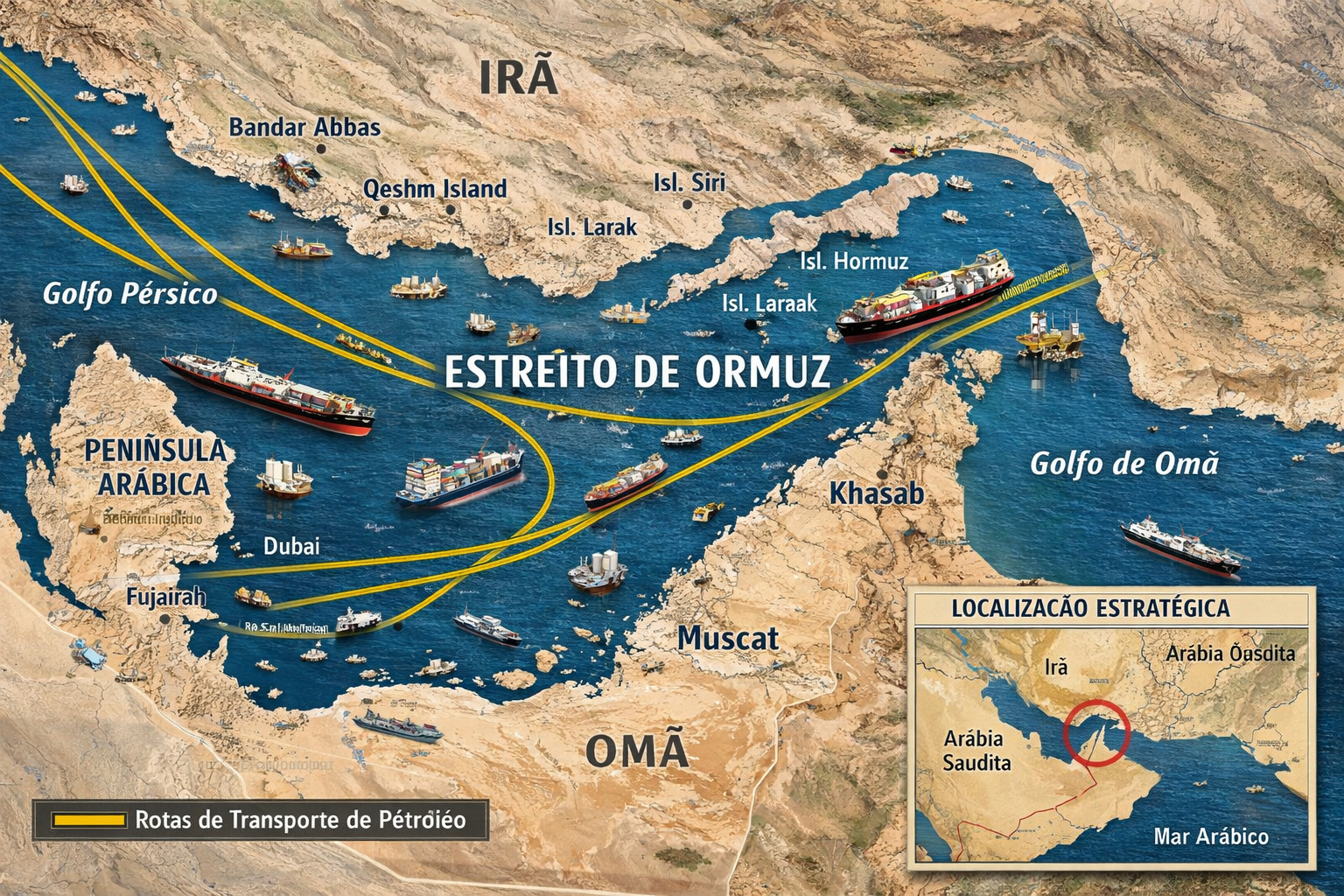
Global summit with over 40 countries pressures Iran for a blockade in the Strait of Hormuz and warns of direct impact on oil, food, and the global economy.
-
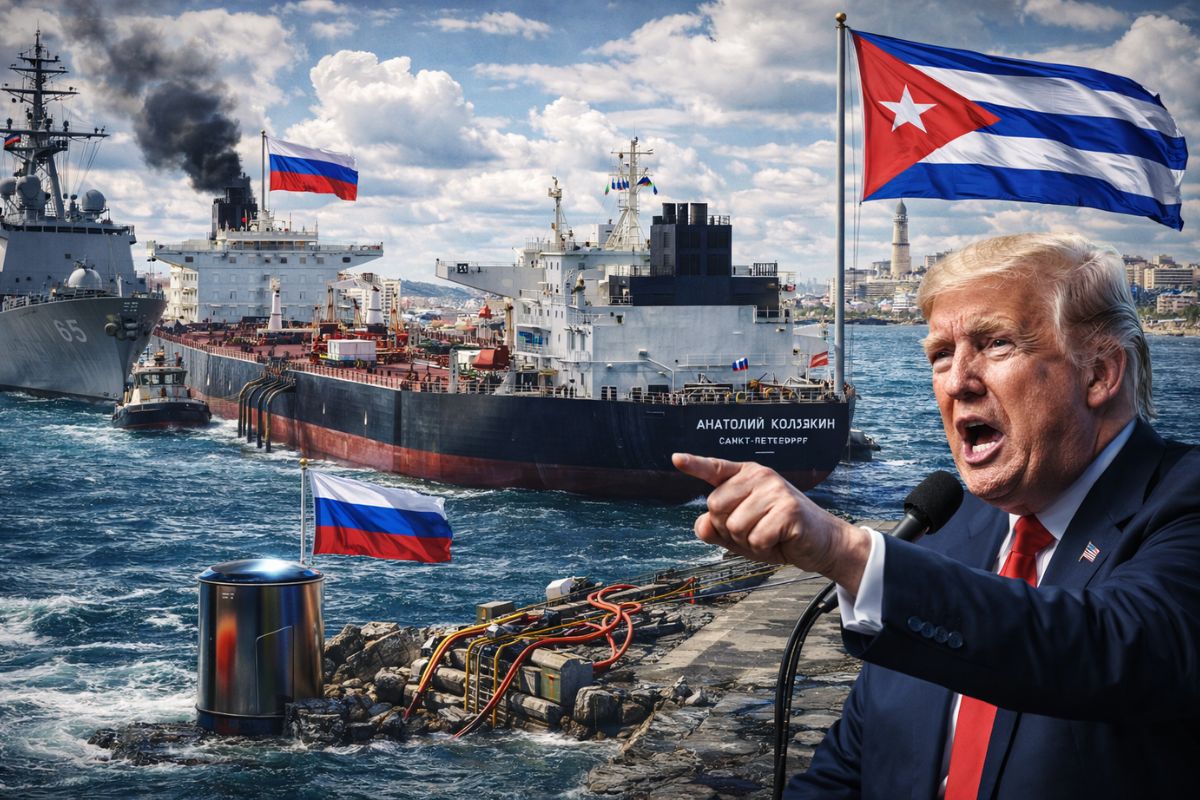
Russia has broken the U.S. maritime blockade to send oil to Cuba and is now loading a second ship while Trump says that “Cuba is next” in a possible military action against the island.
-
Spain challenges the USA and closes its airspace for operations against Iran, raising global tension and provoking the threat of a trade rupture.


The rail corridors traverse Central Asian deserts, vast steppes, permafrost regions, and mountain ranges, requiring engineering solutions comparable to those used in large mining and heavy infrastructure projects.
In several sections, it was necessary to construct long tunnels, elevated viaducts, and reinforced railway bases to withstand extreme temperature fluctuations, strong winds, and unstable terrains.
Direct Connection Between More Than 12 Countries
The railway network connects China directly to more than 12 countries, including Kazakhstan, Russia, Belarus, Poland, Germany, France, Spain, and Italy, as well as branches reaching Southeast Asia.
Chinese cities such as Chongqing, Xi’an, Wuhan, and Yiwu have become international railway hubs, while European terminals such as Duisburg (Germany) now regularly receive trains from the other side of the world.
From 35–45 Days by Sea to Up to 15 Days by Land
The main logistical gain is time. While maritime transport between China and Europe takes an average of 35 to 45 days, rail transport reduces this time frame to 12 to 15 days, depending on the route and final destination.

This reduction is strategic for high-value goods, industrial components, electronics, auto parts, and time-sensitive products that cannot remain weeks idle in maritime containers.
Tens of Billions of Dollars in Direct and Indirect Investments
The implementation of this network required tens of billions of dollars in direct investments in railway infrastructure, logistics terminals, distribution centers, integrated customs systems, and international agreements.
In addition to the tracks, the project involves cargo yards, transshipment stations between different gauges, digital tracking systems, and customs integration, which are essential to maintain continuous flow between countries with distinct legislation.
Logistical Engineering Beyond the Tracks
The complexity of the system lies not only in the physical construction. The China-Europe railway requires coordination of different railway gauges, as countries of the former Soviet Union use standards distinct from the European and Chinese ones.
This necessitates bogie exchange or cargo transshipment operations at strategic points, without compromising deadlines. The system was designed to minimize delays and maintain logistical predictability, something rare in such long land routes.
A Strategy to Reduce Maritime Risks
More than efficiency, the project has a geopolitical motivation. By strengthening land routes, China reduces its dependence on maritime choke points such as the Strait of Malacca, the Suez Canal, and routes controlled by naval powers.
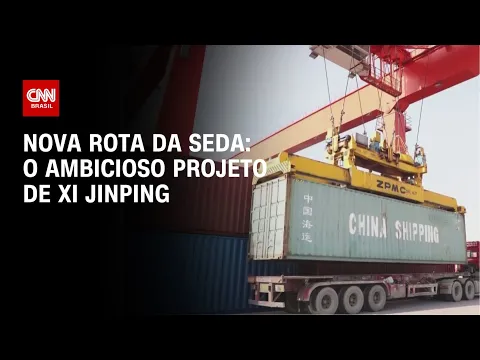
In conflict scenarios, blockades, or global logistical crises, the railway offers a strategic alternative route, capable of keeping trade flowing even amidst maritime instability.
Since the start of regular operations in the 2010s, the number of China-Europe trains has grown year after year. There are now thousands of annual trips, transporting millions of tons of cargo, consolidating the system as a permanent part of global logistics — not just an experimental project.
During periods of crisis in maritime supply chains, such as during the pandemic, the railway gained even more relevance.
Direct Impact on the Economic Map of Eurasia
Central Asian countries, previously peripheral to global trade, have become strategic logistical corridors, attracting investments, distribution centers, and industrial parks along the railway routes.
Cities that were once outside major trade routes have started to integrate into global supply chains, altering regional economic dynamics.
Just as Mexico attempts to challenge the Panama Canal with rails and ports, China bets on the rails to compete for the hegemony of traditional maritime routes. What is at stake is not just transportation but control over time, risk, and the flow of goods.
The China-Europe railway does not replace ships but redefines the balance of the global system by offering a fast, predictable, and strategic alternative.
When Tracks Are Worth as Much as Oceans
By launching over 12 thousand kilometers of tracks between continents, China shows that global trade no longer relies solely on the seas.
The competition of the 21st century also takes place on solid ground, in railway corridors that cross countries, deserts, and political borders.
If the oceans dominated the 20th century, continental rails may define the next chapter of global logistics.








-

-

4 pessoas reagiram a isso.