





 Portuguese
  English
  Spanish
 5 min of reading
  0 comments


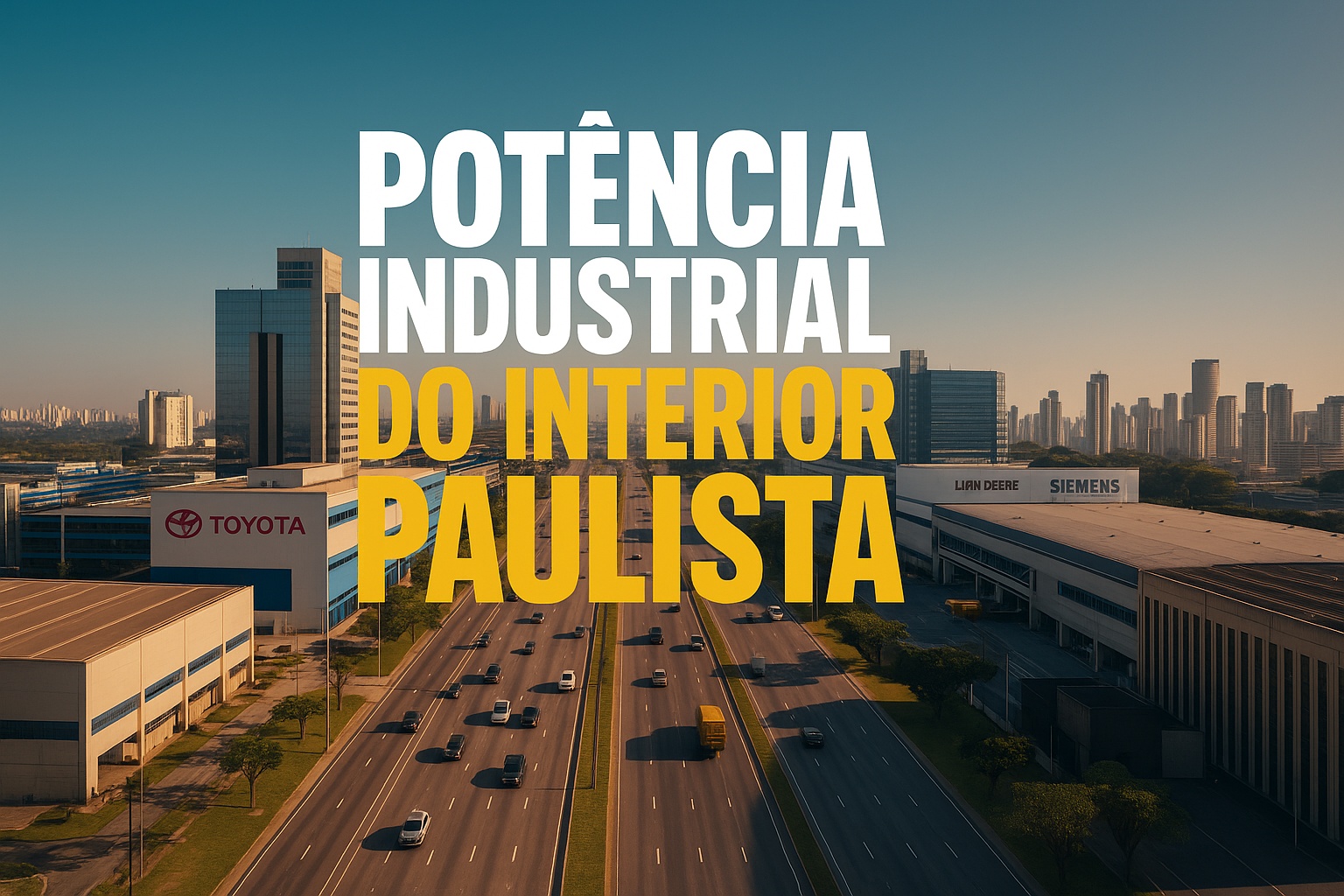
Sorocaba Became An Industrial Powerhouse With GDP Exceeding R$ 170 Billion, Hosting Factories From Toyota, Siemens, And John Deere. City Grows Faster Than Capitals And Redefines The Economic Map Of Brazil.
Located just over 100 km from the São Paulo capital, Sorocaba has transformed from just an inland city into one of Brazil’s largest industrial and technological hubs. With a GDP above R$ 170 billion, according to data from IBGE (2023) and Fundação Seade, the municipality surpasses the economy of many Brazilian states and ranks among the ten wealthiest cities in the country outside the capitals. In recent years, the city’s advancement has been driven by global giants like Toyota, Siemens, John Deere, ZF, Schaeffler, Case IH, and Ball Corporation, which have transformed the region into one of the most important production hubs in Latin America.
Sorocaba’s industrial vocation is not new, but the speed of recent growth impresses even economists. The city has evolved from a traditional metallurgical hub to a platform for innovation, technology, and export in record time.
Toyota, Siemens, And John Deere: The Pillars Of The Local Economy
The economic engine of Sorocaba pulses within its factories. Toyota, for example, has operated in the city since 2012 with a plant covering 700,000 m² and annual production capacity exceeding 70,000 vehicles, including models such as the Corolla Cross, which is exported to over 20 countries.
-
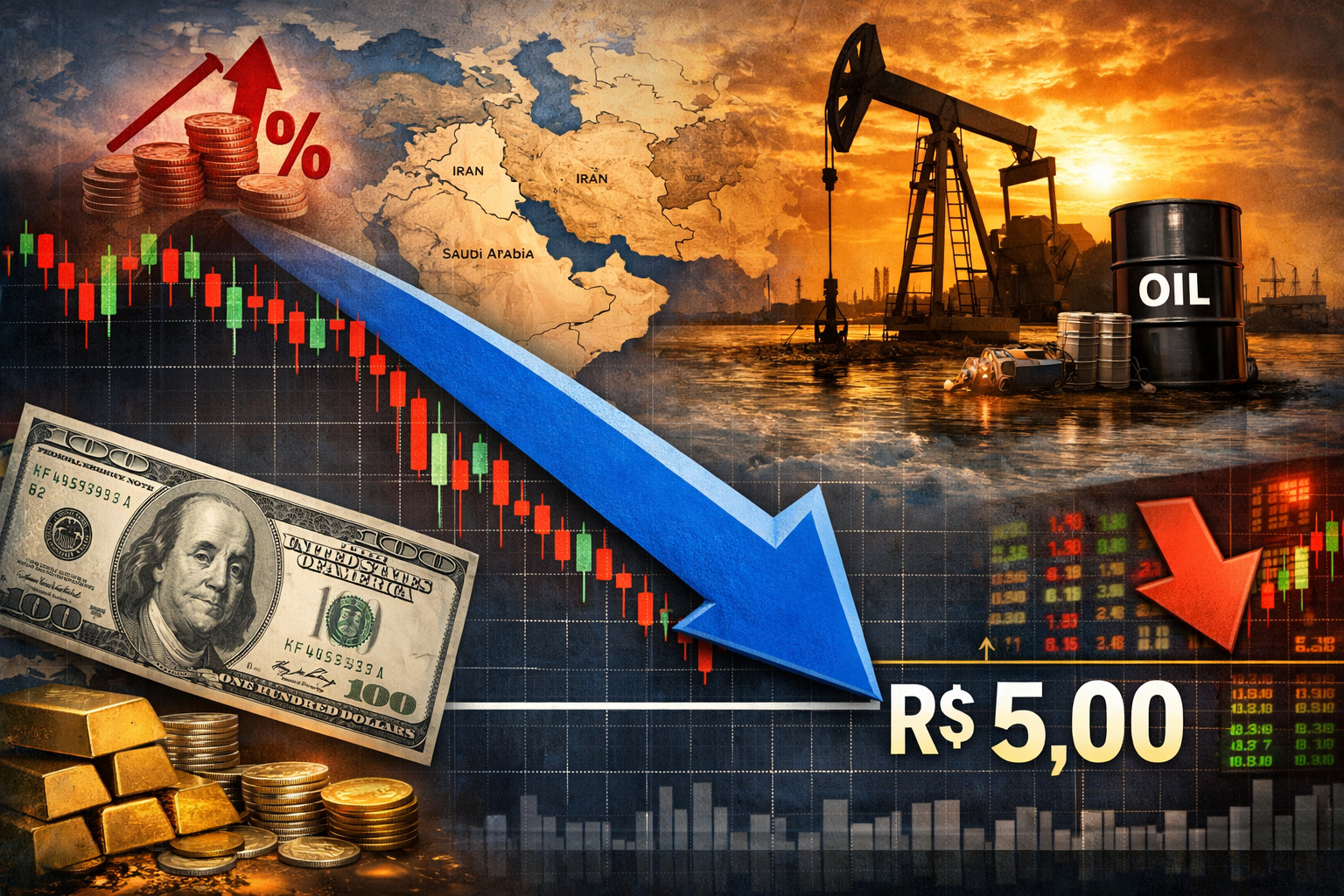
Weak dollar or strong real? The American currency plummets for the third day, approaching R$ 5 and surprising the market with global inflation and tensions in the Middle East that continue to create global uncertainty.
-
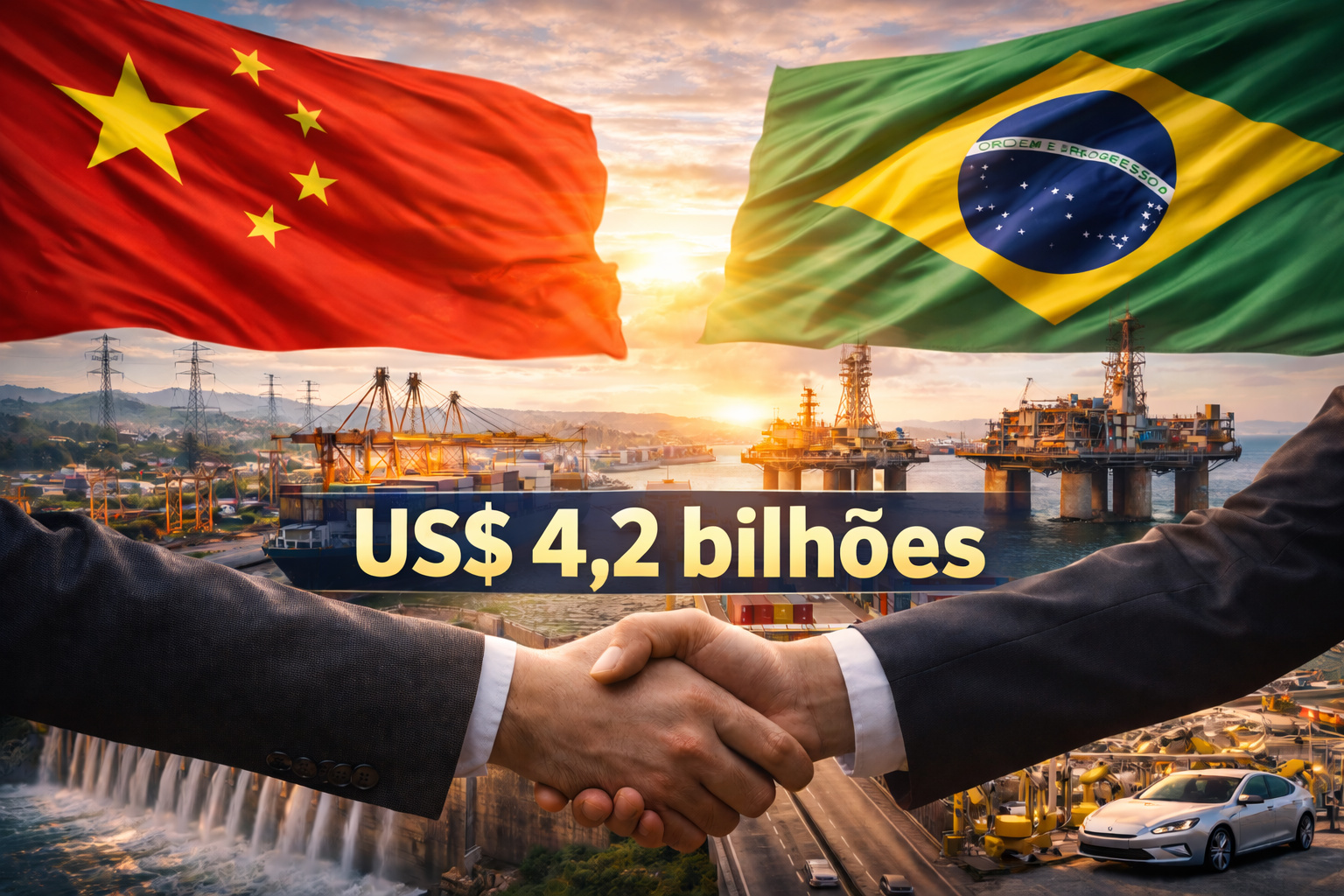
China’s investments in Brazil in factories, energy, oil, electric cars, and new industrial projects double to $4.2 billion, making the country the 3rd largest global destination for Chinese capital.
-
Lula announced that 160,000 students in debt with FIES will be included in the federal government’s renegotiation package and compared the cost of an inmate to that of a student by saying that Brazil invests in criminals when it does not invest in education.

-
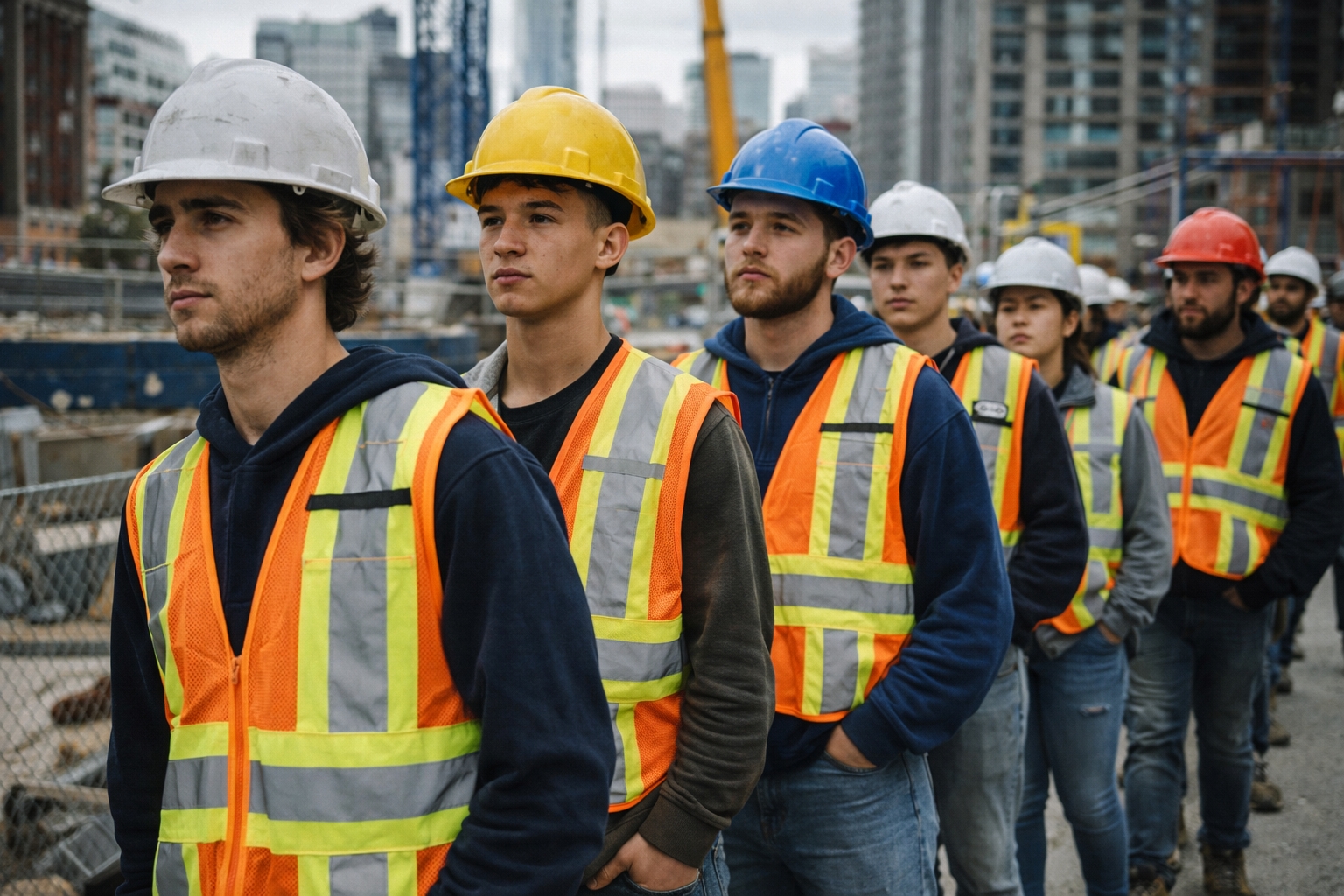
Young people are leaving college in the United States and competing for jobs in construction with salaries of R$ 500,000 per year.
The automaker directly employs over 2,000 workers and drives hundreds of regional suppliers.
John Deere, on the other hand, maintains a distribution center for agricultural parts and machinery that supplies all of South America.
Siemens, one of the longest-standing companies in the municipality, operates in industrial automation, energy, and digital technology, employing thousands of specialized engineers and technicians.
Together, these companies sustain a complex production chain, responsible for more than 55,000 direct jobs and 120,000 indirect jobs, numbers that place Sorocaba among the largest employers in the national industry.
A Billion-Dollar GDP That Rivals Entire States
According to IBGE and Fundação Seade, the GDP of Sorocaba Reached R$ Over 170 Billion, placing the city ahead of states like Roraima, Acre, and Amapá in terms of wealth generation.
Alone, the city represents almost 2% of the entire industrial GDP of the state of São Paulo, being classified as “Regional Capital of High Economic Influence” by the Human Development Atlas (UN/IBGE).
This performance is due not only to automakers and heavy industries but also to the rapid growth of the technology and logistics services sector, driven by its strategic location along the Castelo Branco Highway, one of Brazil’s main export corridors.
Industry 4.0 And Technological Innovation
What makes Sorocaba different from other Brazilian industrial hubs is its integration with technology and sustainability.
In recent years, the city has consolidated an ecosystem focused on Industry 4.0, with factories utilizing advanced robotics, artificial intelligence, 3D printing, and real-time data analysis.
Toyota, for example, has implemented renewable energy systems and industrial water recycling, reducing energy consumption by over 30%.
Siemens operates a digital simulation platform for industrial processes, making Sorocaba a reference in the application of green technology and smart automation.
These initiatives have transformed the city into a global showcase for sustainability and productivity, recognized by CNI (National Confederation of Industry) and the Brazilian Association of Industrial Engineering.
Infrastructure And Urban Planning: A Model City
With 720,000 inhabitants, Sorocaba is now a planned city, with a high urbanization index, efficient mobility, and metropolitan-standard infrastructure.
The Bertram Luiz Leupolz Airport, recently expanded, supports the air logistics of industries, while the rail and road junction facilitates the flow of production to the ports of Santos and Paranaguá.
Additionally, the city heavily invests in technical education and innovation. The Sorocaba Technological Park (PTS) houses over 150 startups and research centers linked to the Federal University of São Carlos (UFSCar) and Senai-SP, consolidating the region as a hub for industrial talent.
Urban Growth And Quality Of Life
The industrial advancement has had direct repercussions on income and quality of life. The average formal salary in the city is R$ 3,421, well above the national average, and the HDI of Sorocaba (0.8) is comparable to that of major capitals like Curitiba and Porto Alegre.
The growth has also boosted the real estate sector, with high-end condos, new shopping centers, and expansion of the hotel network. Even with the accelerated pace of urbanization, Sorocaba has managed to balance economic growth with environmental preservation, with over 100 km² of green areas and pioneering programs for urban reforestation and solar energy.
Exports And Global Recognition
According to the Ministry of Development, Industry, And Trade, Sorocaba Exports Over US$ 3 Billion Annually, primarily in machines, vehicles, auto parts, and industrial technology. This places the city among the 15 Largest Exporters In Brazil, surpassing entire capitals in sales volume abroad.
The Sorocaba industrial park maintains trade relations with more than 60 countries, including the USA, Germany, Mexico, Chile, and the United Arab Emirates. The city is also home to strategic branches of Japanese, German, and American multinationals, which see the São Paulo inland region as a stable, safe, and logistical environment for expansion.
Sorocaba: The New Heart Of The National Industry
What was once a dormitory city has become a symbol of modern industrialization in Brazil.
With a billion-dollar GDP, technological parks, global industries, and sustainable growth, Sorocaba has established itself as the fastest-growing industrial city in the country — a metropolis of work and innovation.
While other regions face a slowdown, Sorocaba continues to attract investments and expand its presence on the global stage.
It is a portrait of Brazil that Produces, Exports, and Innovates, where the factory floor coexists with cutting-edge technology and a population that takes pride in being part of a city that literally drives the country’s economy.








Seja o primeiro a reagir!