





 Portuguese
  English
  Spanish
  4 min of reading
  0 comments


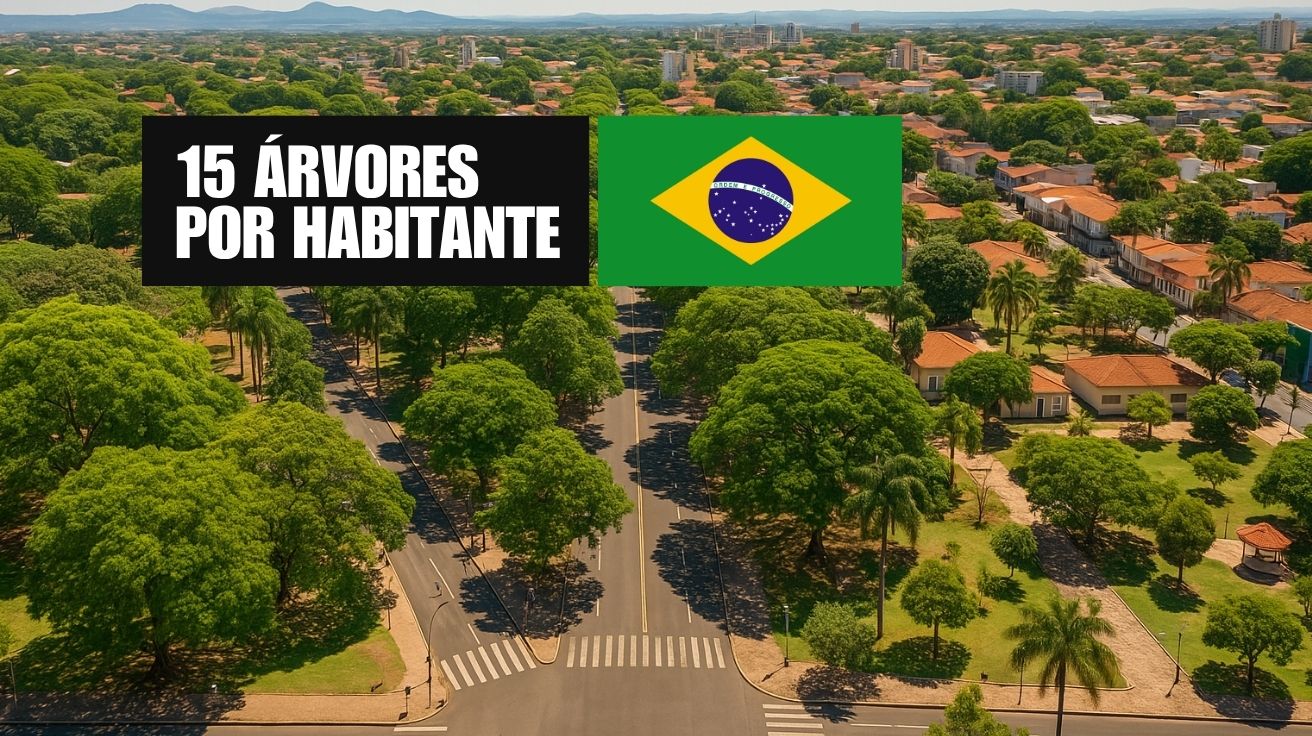
City Draws National Attention for Maintaining More Than 900 Thousand Trees in Urban Area. The City Invests in Sustainability, Environmental Education, and Air Quality, Becoming an Ecological Symbol in the Interior of São Paulo, with Projects and Indicators Above Average.
Nova Odessa, located approximately 120 kilometers from the state capital, maintains about 1 million trees distributed across its 271 km² territory.
According to local data, the ratio is about 15 trees per inhabitant, which exceeds the minimum recommended by the United Nations (UN) of seven trees per person.
With an estimated population of 62 thousand people, the municipality is part of the Metropolitan Region of Campinas, neighboring the cities of Sumaré, Americana, Paulínia, and Santa Bárbara d’Oeste.
-
The village where two rivers run side by side without mixing in Santarém and Alter do Chão reveals some of the most beautiful freshwater beaches on the planet.
-
Brazil’s nuclear submarine with a speed 5 times greater than normal advances after nearly 50 years and R$ 40 billion spent.

-
A Brazilian island charges R$ 0.50 to receive visitors and prohibits any new residents.
-
Why was the Great Wall of China built? The truth that many are unaware of!


The planting of trees and the preservation of green areas have contributed to Nova Odessa receiving, in recent years, the symbolic title of “Paradise of Green”, widely adopted by residents and institutional campaigns.
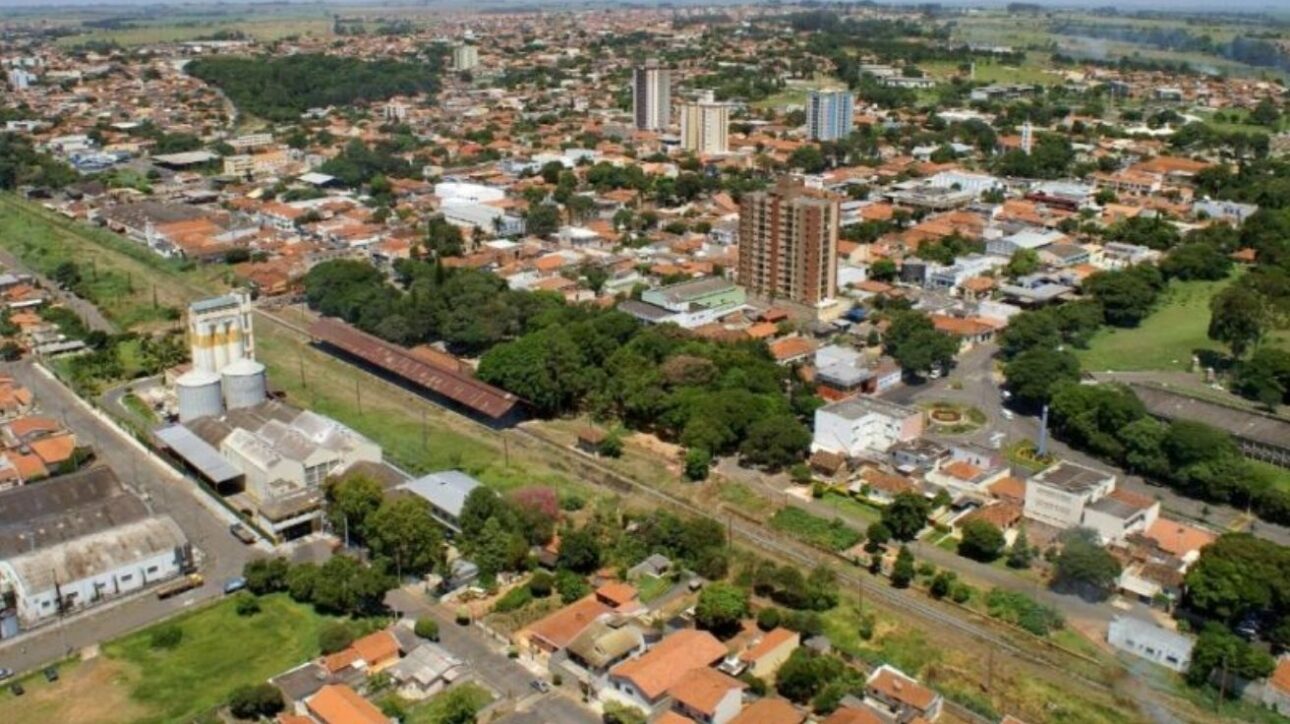
Urban Tree Planting in Nova Odessa
According to information from the municipal administration, the tree cover influences air quality, thermal regulation, and local biodiversity.
The Environmental Department reports that atmospheric pollutant levels remain below the limits set by the National Environment Council (Conama).
Technical surveys indicate a reduction in levels of inhalable particles (such as PM2.5), especially in areas with high vegetation concentration.
Environmental Projects with School Participation
Nova Odessa maintains reforestation and seedling planting programs in public spaces.
These projects involve the participation of municipal schools and private companies operating in the local area.
The activities focus on increasing green coverage and disseminating sustainable practices.
According to the Municipal Department of Education, the work with students includes practical actions, such as seedling cultivation, and curricular content related to the environment.
These programs occur in partnership with environmental NGOs and botanical area technicians.
Sustainable Infrastructure and Leisure Areas
The municipality has implemented leisure areas with native vegetation, such as squares, parks, and tree-lined avenues.
Some of these areas are interconnected by bike paths and ecological trails.
The urbanization also includes permeable sidewalks and ecological corridors integrated into the urban space.
The city hall also reports that it conducts composting of green waste from urban pruning.
The processed material is reused as fertilizer in community gardens and public parks.
The model was developed as an alternative to conventional disposal and is in the process of expansion.
Regional Comparison and Environmental Certifications
Regional studies highlight that Nova Odessa has a higher tree planting rate compared to other municipalities in the area.
While cities in the Metropolitan Region of Campinas average between five and eight trees per inhabitant, Nova Odessa maintains an average of 15.
These data are used in reports on urban environmental quality by state agencies and academic institutions.
The city also participates in state programs for environmental certification, such as the GreenBlue Municipality Program of the State of São Paulo’s Environmental Department, which evaluates public policies related to sustainable development.
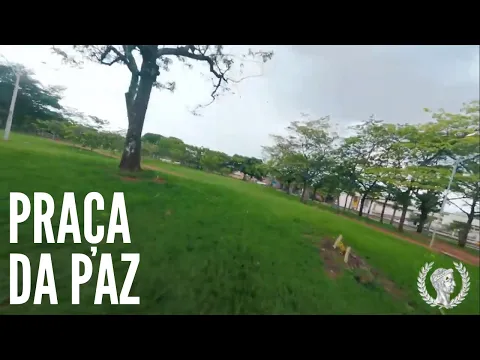

Environmental Education as Public Policy
Environmental education is integrated into the pedagogical planning of municipal schools, with topics such as natural resources, ecosystem conservation, and conscious consumption.
Practical activities, such as thematic fairs and gardening workshops, are developed throughout the academic year.
These actions aim to strengthen students’ understanding of the role of vegetation in the city and encourage the preservation of public spaces.
The city hall also maintains informative campaigns in high-traffic areas, providing guidance on proper waste disposal and the protection of urban forestry.
Ecological Tourism and Economic Effects
With the growing interest in green areas and short-distance tourism, the city has started to welcome visitors seeking nature-related options.
According to the Tourism Department, local infrastructure has been adapted to cater to those exploring ecological trails, attending organic fairs, and visiting seedling nurseries.
Small entrepreneurs have reported an increase in demand for rural accommodations and outdoor leisure activities.
The recognition as “Paradise of Green” has been used in promotional actions to highlight environmental aspects and stimulate sustainable initiatives in the local economy.
Given the presented scenario, can large-scale urban tree planting be considered a differentiating factor in medium-sized municipalities?






Seja o primeiro a reagir!