





 Portuguese
  English
  Spanish
  5 min of reading
  0 comments


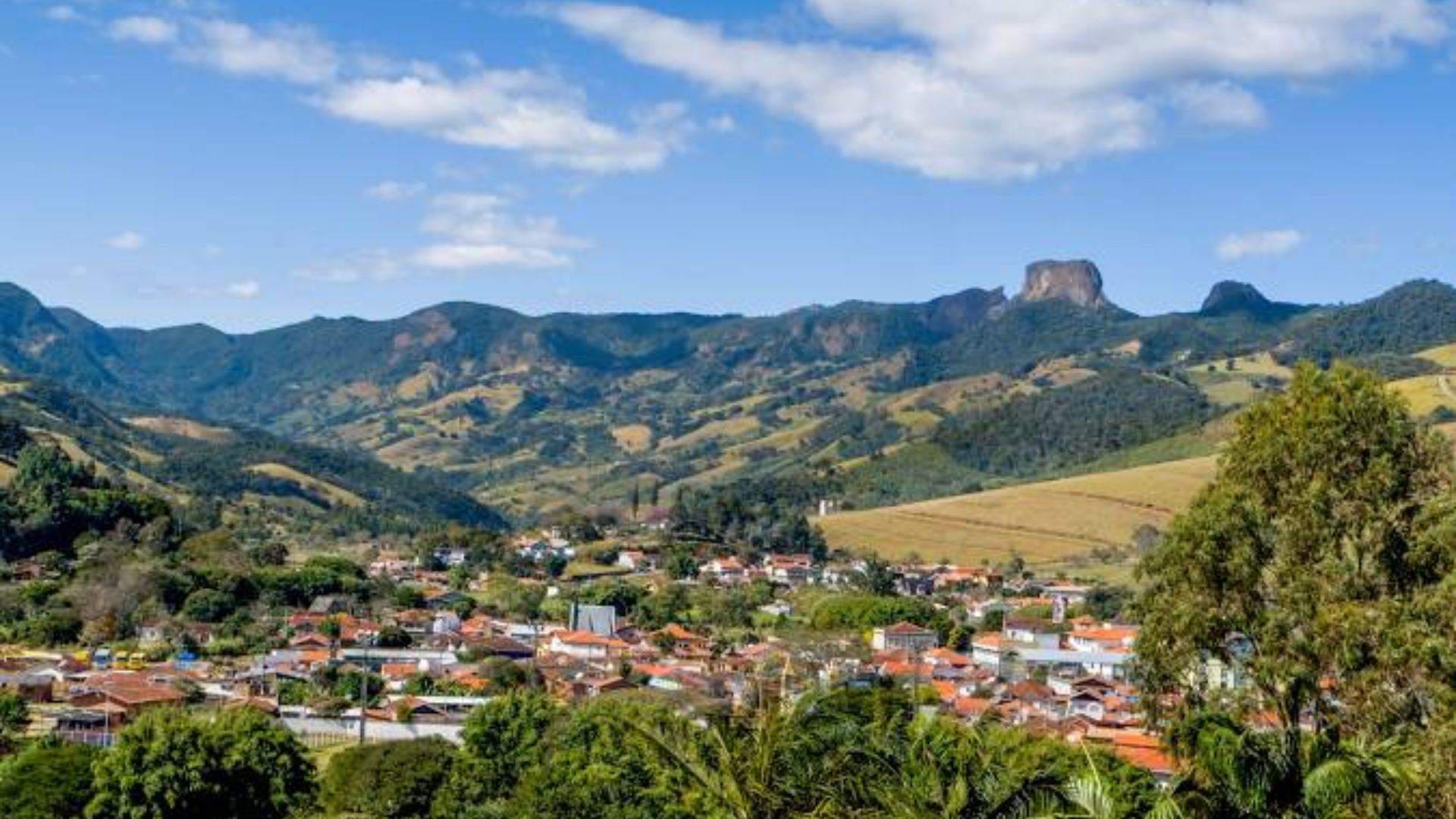
The Paulista Region Combines Mountain Climate, Vineyards, Olive Groves, and Cultural Attractions, Attracting Visitors in Search of Gastronomy, Nature, and Outdoor Activities.
Less than 200 kilometers from São Paulo, in the Serra da Mantiqueira, São Bento do Sapucaí has established itself as a tourist destination that brings together a mountain climate, winter wines, artisanal olive oils, and high-altitude landscapes.
With vineyards, olive groves, trails along rocky cliffs, and cultural expressions, the municipality earned the nickname “Brazilian Tuscany” and began attracting visitors year-round.
Serra da Mantiqueira and Local Production
Situated in a valley surrounded by mountains, São Bento do Sapucaí is about 190 kilometers from the São Paulo capital, near the border with Minas Gerais.
-
Iceberg A23a, one of the largest in the world, is undergoing accelerated collapse and may disappear: what explains the end of the ice giant?

-
The simplest swap at home can reduce energy consumption by up to 90% without changing habits, using a technology that lasts up to 25 times longer and consumes only a fraction of the electricity.

-
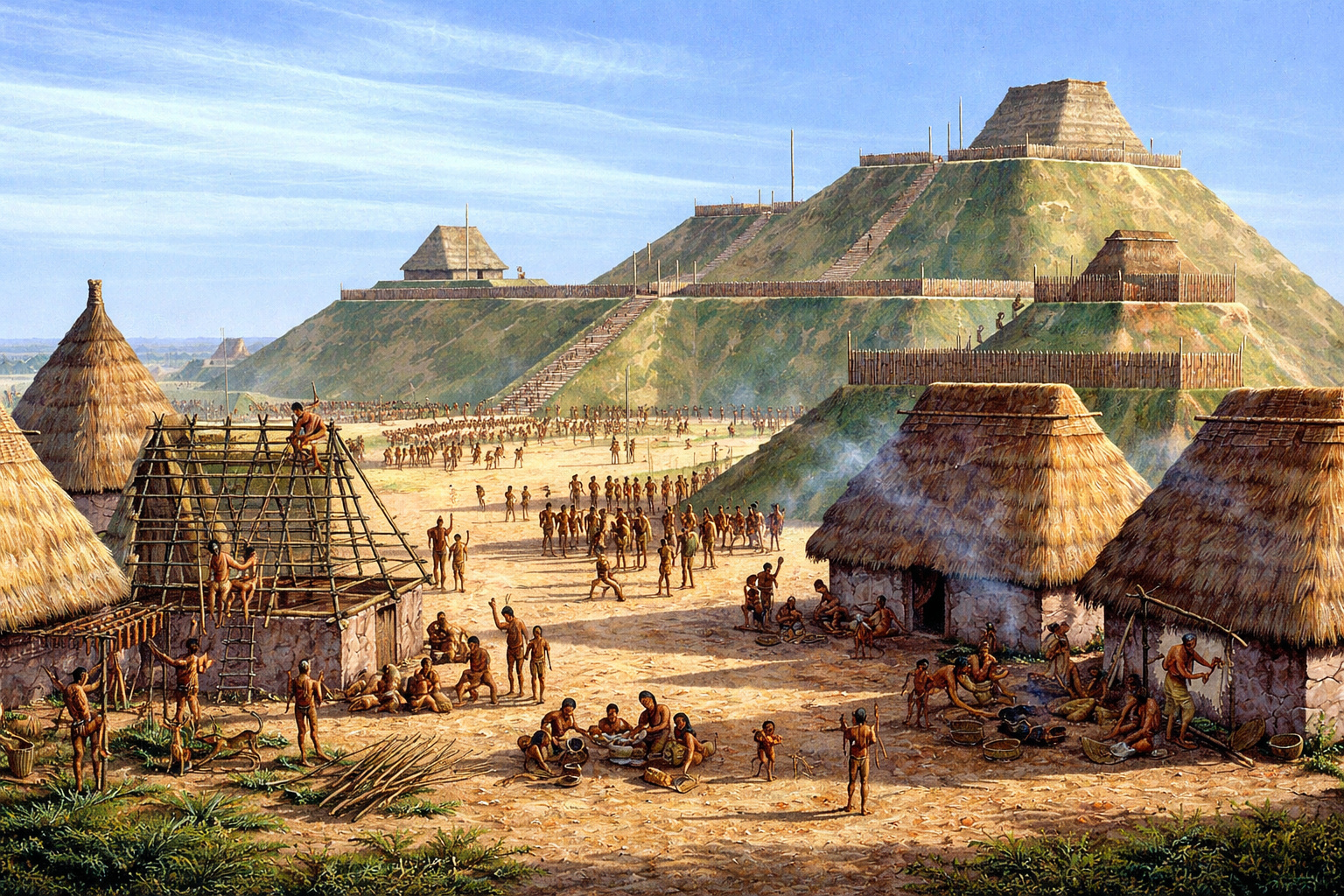
With over 14 million baskets of earth moved, an ancient North American metropolis built a monumental pyramid of 30 meters and established a city with 20,000 inhabitants nearly a thousand years ago.
-
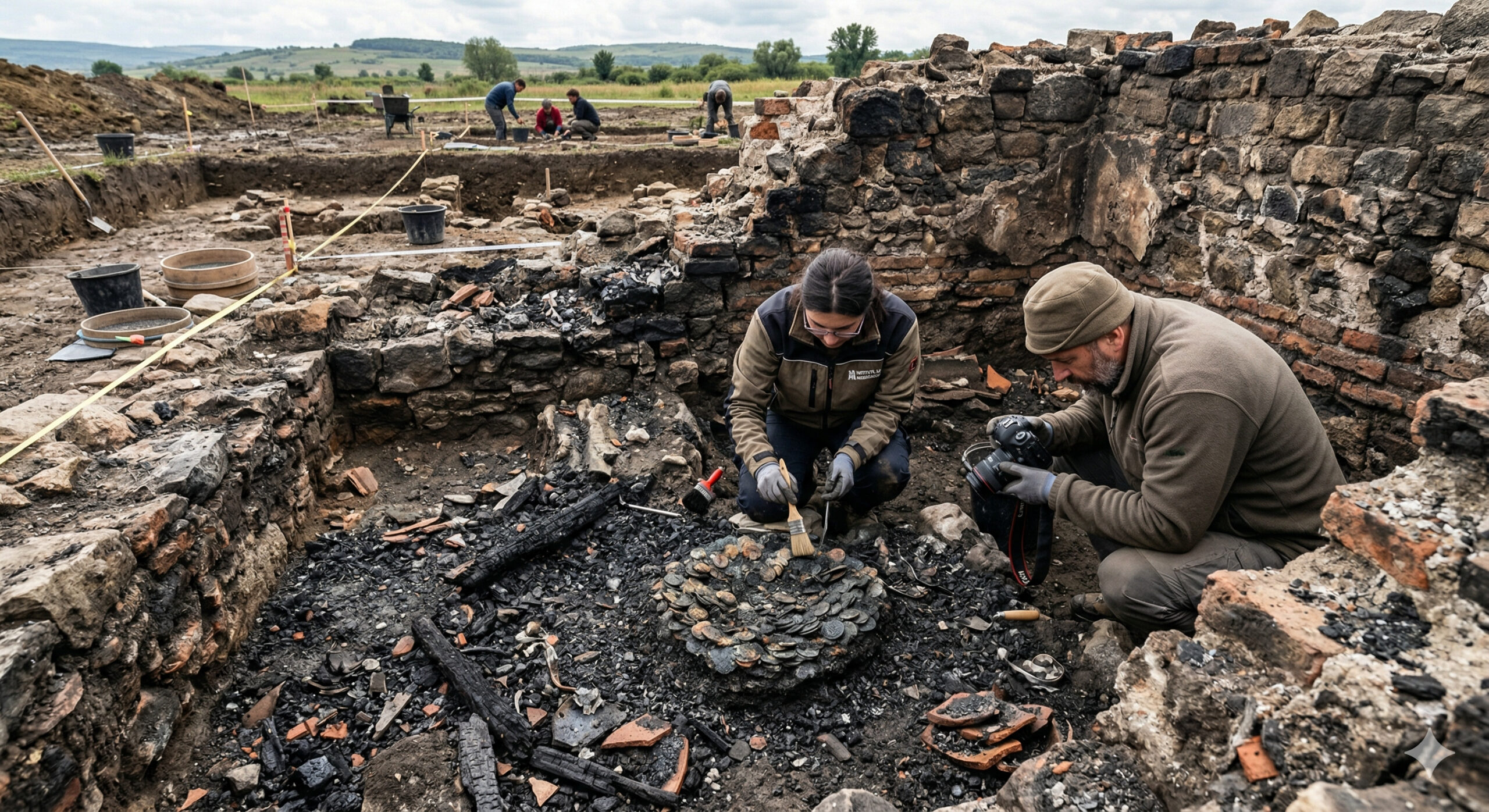
A 1,900-year-old treasure emerges from a Roman house destroyed by fire and sealed since antiquity in Romania, with coins and metals fused among the ashes.

The mild climate, with colder winters, favors the cultivation of grapes and olive trees, in addition to the production of artisanal cheeses, specialty beers, and other typical agricultural products from the mountainous region.
In recent years, the municipality has invested in wine tourism and olive tourism routes.
Local producers offer guided tastings, tours of the fields, and activities that explain handling and processing methods.

According to sector businesses, the combination of traditional techniques with contemporary cultivation practices has positively influenced the quality of the products.
The landscape formed by hills, valleys, and morning fog contributes to the atmosphere associated with the nickname “Brazilian Tuscany,” a term adopted by visitors and tourism trade agents.
The assessment takes into account climate, vegetation, and the presence of gastronomic routes.
Pedra do Baú and Nature Tourism
The Pedra do Baú Complex is one of the main natural attractions of São Bento do Sapucaí.
The best-known rock formation in the set reaches about 1,950 meters in altitude and is used for climbing, rappelling, and other mountain sports.
The most commonly used trail to access Pedra do Baú requires several hours of hiking and includes sections with steep inclines and a via ferrata, which has approximately 600 metal steps installed in the rock.
Certified guides recommend safety equipment, especially for visitors without prior experience.
On clear days, the viewpoints offer a wide view of the Serra da Mantiqueira.
The complex also includes Bauzinho and Ana Chata, formations accessed by easier trails.
These spots are sought after by visitors interested in shorter hikes or in scenic observation areas.
Villa Santa Maria Winery and Winter Wines

The Villa Santa Maria Winery is among the ventures responsible for the expansion of gastronomic tourism in the municipality.
The space occupies approximately 90 hectares, with gardens, green areas, a lake, and a waterfall.
The vineyards, with about 70,000 plants, supply the production of winter wines.
The winery works with varieties such as Chardonnay, Sauvignon Blanc, Cabernet Sauvignon, Merlot, and Syrah.
According to agronomists from the region, winter harvesting techniques favor the concentration of sugars and aromas in the grapes.
The complex receives about 55,000 visitors per year, who participate in guided tastings and activities related to the production process.
The outdoor areas include tables al fresco and views of the Mantiqueira mountains.
High-Altitude Oils and Oliq’s Olive Groves
The production of extra virgin olive oil is another relevant tourism axis.
The Oliq cultivates over 10,000 olive trees at the Santo Antônio and São José do Coimbra farms, at altitudes between 1,200 and 1,800 meters.
The plantations include varieties such as Arbequina and Koroneiki.
Visitors follow the cultivation of olive trees, get to know the press, and observe the extraction process.
The guided tastings explain characteristics such as bitterness, pungency, and aromatic notes present in blends and flavored oils offered by the brand.

The location also houses a deli and restaurant that use local products.
The diversity of crops and activities reinforces the role of olive tourism in the municipality, according to local producers and tourism institutions.
Local Culture, Quilombo, and City Collections
São Bento do Sapucaí maintains spaces dedicated to local memory.
Among them are the Zé Pereira Museum, with a collection linked to the large dolls used in cultural events, and the Cinema Museum, which gathers projectors, posters, and old exhibition equipment.
The Quilombo Neighborhood, recognized as a remaining quilombo community, preserves traditional practices, festivals, and artisanal production.
Workshops and studios maintain works in banana leaf, wood, clay, and other materials used by local artists.
The region is viewed by researchers and cultural agencies as fundamental in the historical formation of the municipality.
In the urban center, churches, squares, and preserved buildings are part of the local heritage.
Religious events, seasonal festivals, and traditional expressions make up the cultural calendar.


Trails, Waterfalls, and Regional Gastronomy
The surroundings of the city offer trails, viewpoints, and waterfalls that integrate ecotourism circuits.
Hikes towards the Cruzeiro Viewpoint allow for observing the valley where the urban area is concentrated.
Other routes involve stops at waterfalls, cycling paths, and horseback riding.
Regional gastronomy is reflected in recipes made on wood-fired stoves, with ingredients such as berries, cheeses, cured meats, and honey.
Restaurants, cafes, and bistros incorporate wines from Mantiqueira and oils produced in local olive groves.
With about 70,000 vines, olive groves with over 10,000 plants, trails with 600 steps, and an active set of cultural spaces, São Bento do Sapucaí gathers factors that explain the nickname “Brazilian Tuscany” used by visitors and tourism operators.
Considering this scenario, what new elements of the Serra da Mantiqueira are likely to gain prominence in the upcoming seasons?






-

-

-

-

-

-

70 pessoas reagiram a isso.