





 Portuguese
  English
  Spanish
  4 min of reading
  0 comments


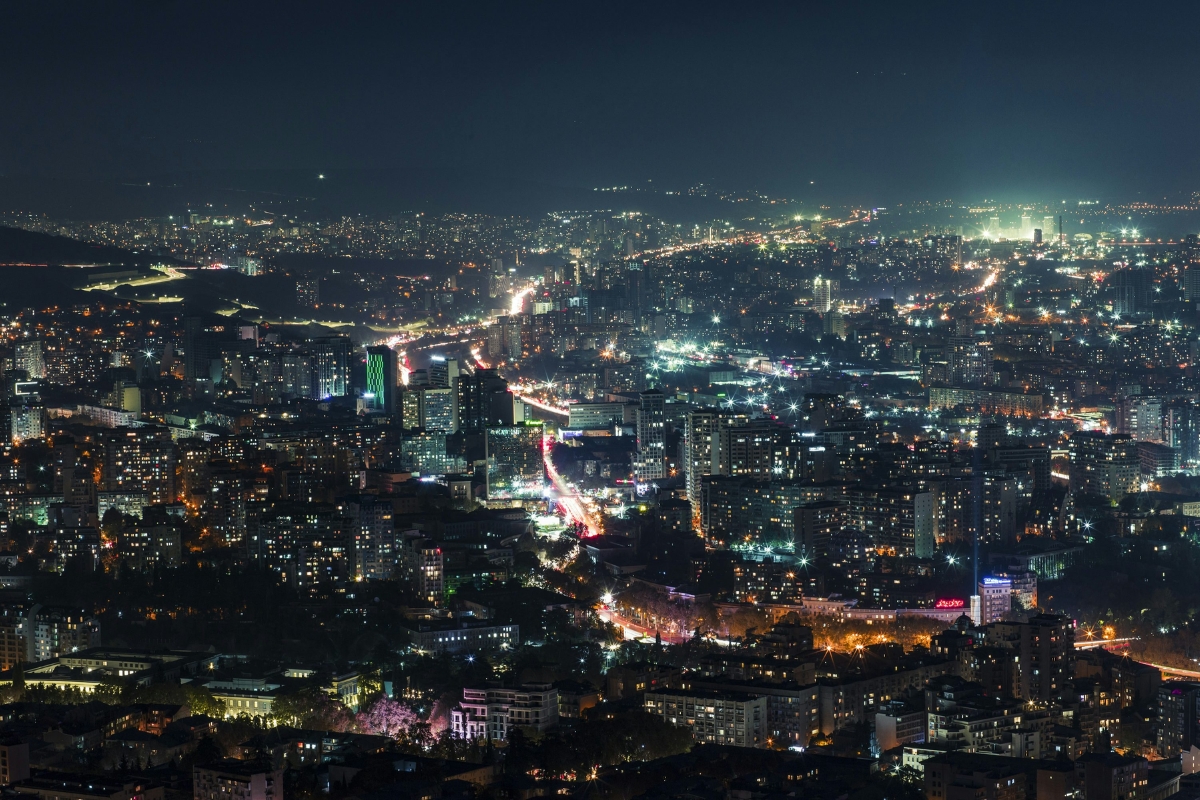
Installed in Moss Landing, in Monterey County, the 3,000 MWh system stores energy and returns it to the grid at night peak, when solar falls
California has put into operation one of the largest energy storage structures on the planet. The Moss Landing Energy Storage Facility has reached a capacity of 750 MW and 3,000 MWh, which is equivalent to 3 GWh of stored energy.
The complex is located in Moss Landing, in Monterey County, in the area of the Moss Landing power plant, and has begun operating as a grid reinforcement during critical moments. The most visible use occurs at the end of the day when solar generation decreases rapidly and demand remains high.
In 2024, battery discharge during the tightest hours of the system gained prominence in the state’s operation, precisely because it supports the nighttime peak and reduces pressure on the grid.
-
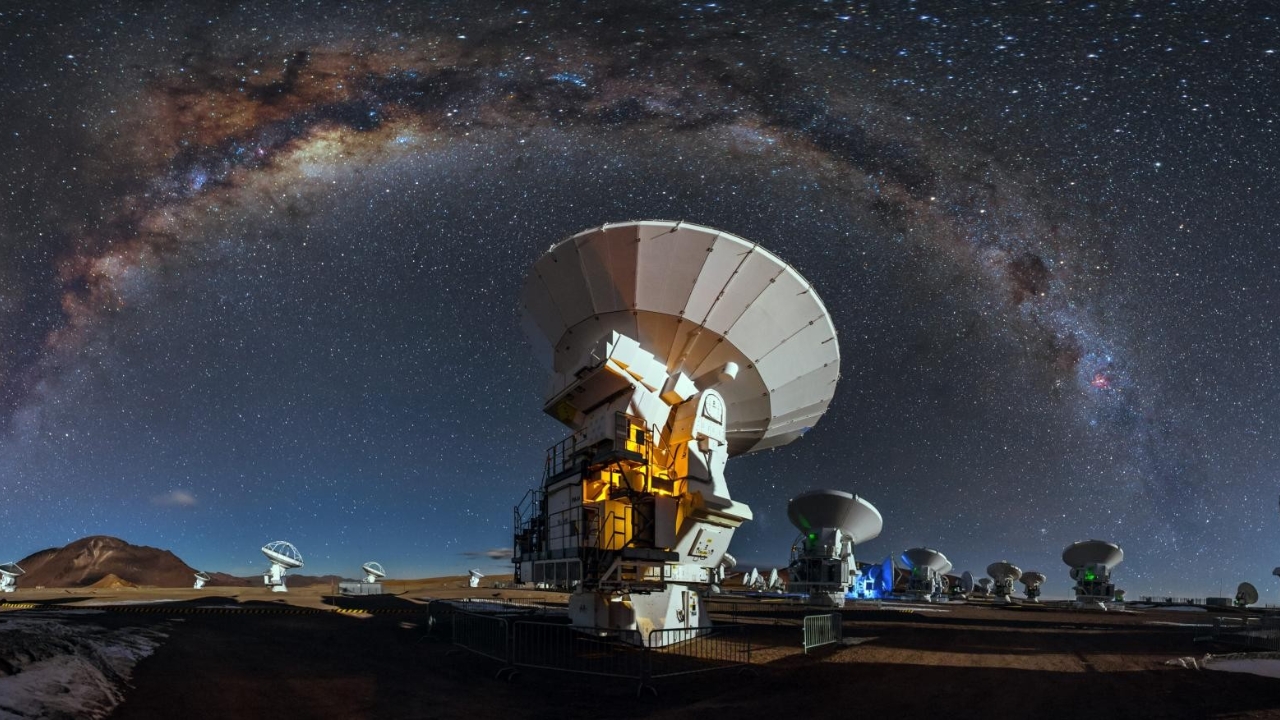
In the desert, at an altitude of 5,000 meters, there is a radio telescope that consumes as much energy as a city and relies on artificial oxygen to operate.
-
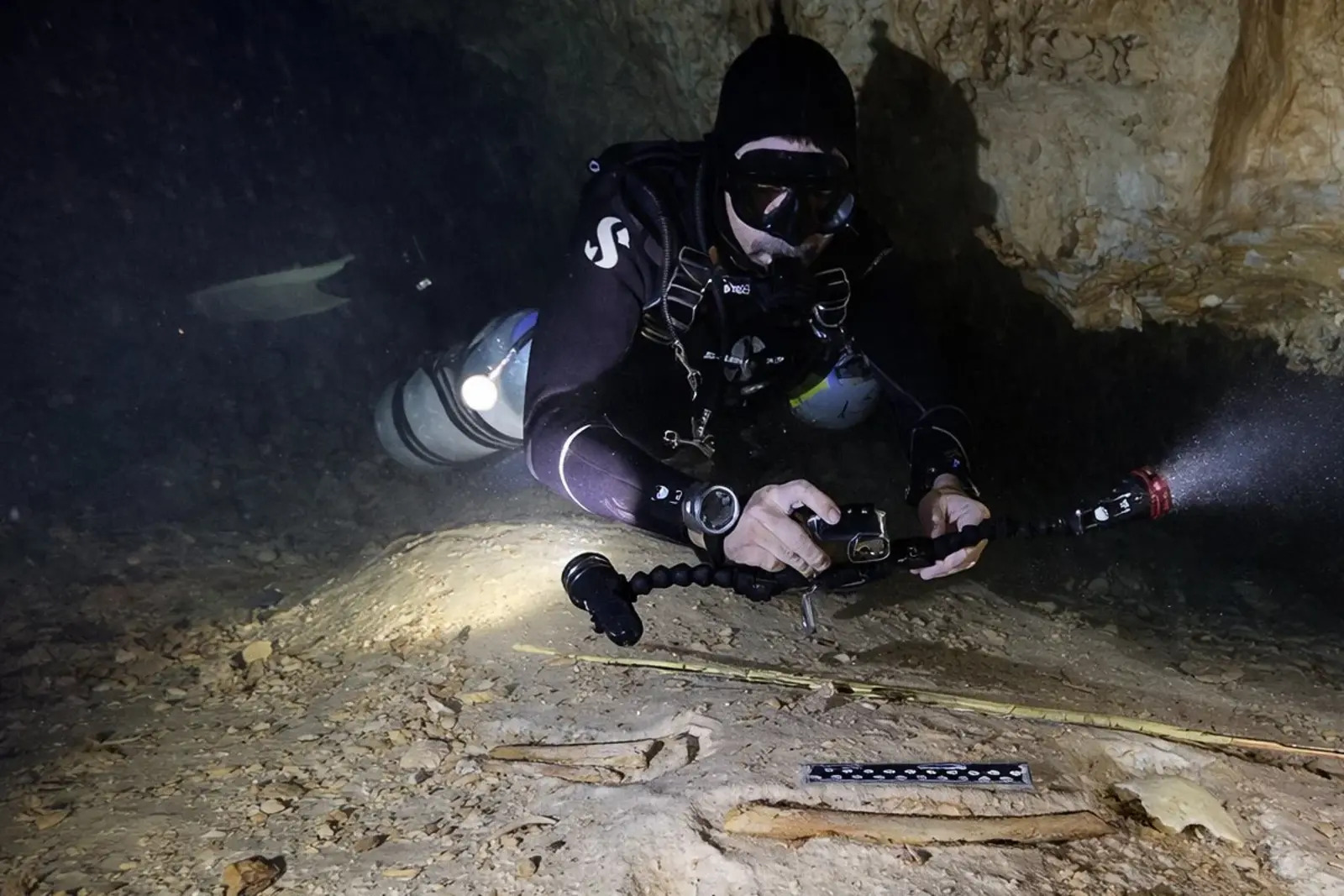
Ancient remains found 200 meters in a cenote chamber are retrieved from the sea and reveal a human skeleton in a shelter or ritual space from 8,000 to 10,000 years ago.
-
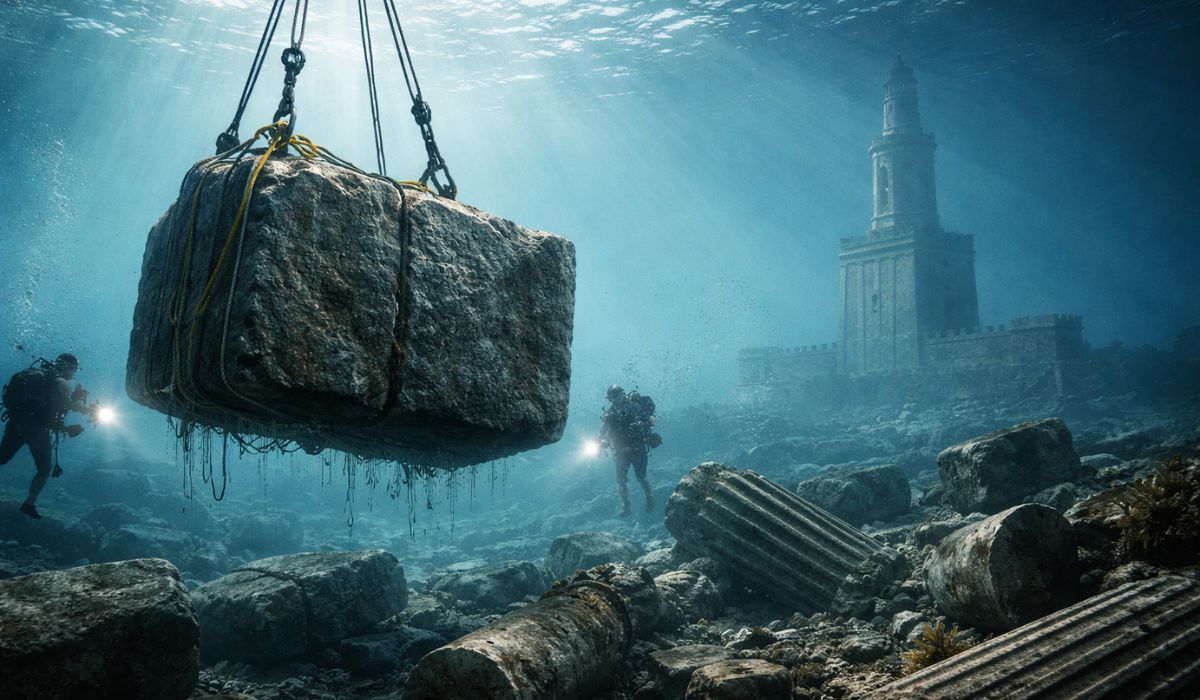
Archaeologists are retrieving monumental blocks weighing up to 80 tons from the depths of the Mediterranean Sea, from the legendary Lighthouse of Alexandria, one of the Seven Wonders of the Ancient World, and now scientists want to digitally reconstruct its lost splendor.
-
A geologist teaching students to map the bottom of the Baltic Sea identified something unusual on sonar in 2021: a line of stones meandering for almost 1 kilometer at a depth of 21 meters, revealing the largest megastructure of the Stone Age ever found in Europe, about 11,000 years old, built by hunters when the Baltic Sea did not yet exist.

What is the Moss Landing Energy Storage Facility and where is it located
The facility is known as the Moss Landing Energy Storage Facility and belongs to Vistra. The site is part of the Moss Landing Power Plant complex, a strategic point on the California coast, in the Monterey Bay area.
The scale is noteworthy because it is not just a point support battery. The system was designed to store energy in large volumes and return it to the grid when consumption tightens, especially during the night.
The total capacity of 750 MW and 3,000 MWh was achieved with an expansion completed in 2023, when the final phase added 350 MW and 1,400 MWh.
How the numbers 750 MW and 3,000 MWh change the game in practice

Power and energy are two different keys. 750 MW indicates the strength with which the battery can deliver electricity at that moment. 3,000 MWh shows how long the delivery can be sustained before the stock runs out.
This set allows it to act as a buffer during peak stress hours. The battery kicks in quickly, sustains supply, and helps bridge the gap when solar generation drops, but residential and commercial consumption remains strong.
The practical effect is to hold the nighttime peak with already stored energy, reducing the need for emergency responses. This improves system stability and decreases the risk of outages when the grid operates at its limits.
Who operates, how it was built and what is known about the technology used
The operation of the system is by Vistra, a Texas-based company that controls a significant part of the Moss Landing complex. The facility has gone through phases, utilizing existing structures on-site and expanding capacity to reach 750 MW and 3,000 MWh.
There are records of the use of cells and supply associated with LG Energy Solution in phases of the project, indicating a manufacturing chain typical of large stationary lithium-ion systems.
The site houses more than one storage facility, with neighboring projects operated by other companies, reinforcing the strategic importance of this area for the regional electrical system.
Why the end-of-day peak became the main target for batteries in California in 2024
The central problem is temporal. Solar generation tends to be high during the day but drops quickly in the late afternoon. Demand, on the other hand, remains high, creating a period of greater stress for the grid.
Large batteries have become a direct tool to bridge this supply gap. In 2024, discharging during these critical hours gained prominence for sustaining reliability when the grid needs a quick response and continuous energy for longer periods.
The logic is simple: store energy when there is surplus and release it when the grid tightens. With 3 GWh, the volume changes the level of support, as the system stops being complementary and starts to influence daily operations.
Points of attention after the fire on January 16, 2025

The scale also exposed risks. On January 16, 2025, a fire hit part of the facility in Moss Landing, causing evacuations and raising concerns about smoke and operational safety.
The difficulty in combating such cases is often linked to the behavior of lithium-ion batteries in thermal failures, with a risk of propagation within the set. The situation reinforced that giant storage requires strict protocols and prepared responses.
After the event, there was federal oversight and environmental supervision actions on-site, with public updates on the progress of activities.
The Moss Landing Energy Storage Facility demonstrates how grid-scale storage has become a real pillar in California. The combination of 3 GWh, 3,000 MWh, and 750 MW allows for holding the nighttime peak and alleviating the most critical stretch of the day, especially in 2024.
The challenge is to maintain the balance between reliability and safety. The same scale that strengthens the grid increases the need for control, maintenance, and robust protocols, because any incident ceases to be local and begins to affect public perception and the pace of expansion.







Seja o primeiro a reagir!