





 Portuguese
  English
  Spanish
  2 min of reading
  0 comments


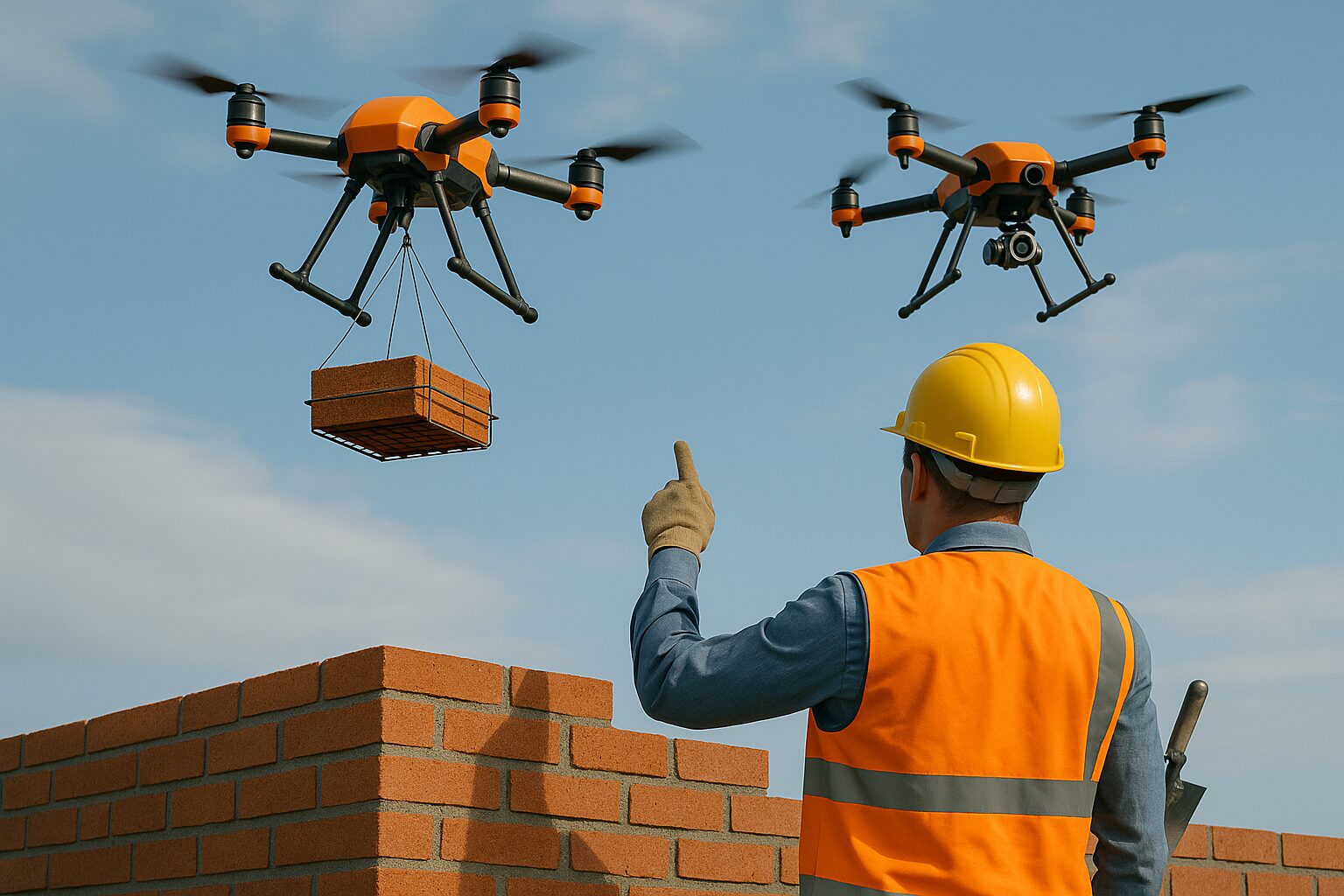
The Future of Construction May Be in the Skies — Literally. Researchers and engineers are betting on drones capable of performing tasks such as concrete application, structure installation, and even 3D printing in hard-to-reach locations. The technology promises faster construction, with fewer accidents and less waste, contributing to a more sustainable and efficient sector.
Researchers from Imperial College London and the University of Bristol released a study indicating flying robots as a new alternative for civil construction.
The proposal is to use drones equipped with special manipulators to deposit materials in mid-flight, in a technique called Aerial Additive Manufacturing (Aerial AM).
This method arises in response to current challenges, such as the lack of housing and the need for more sustainable construction.
-
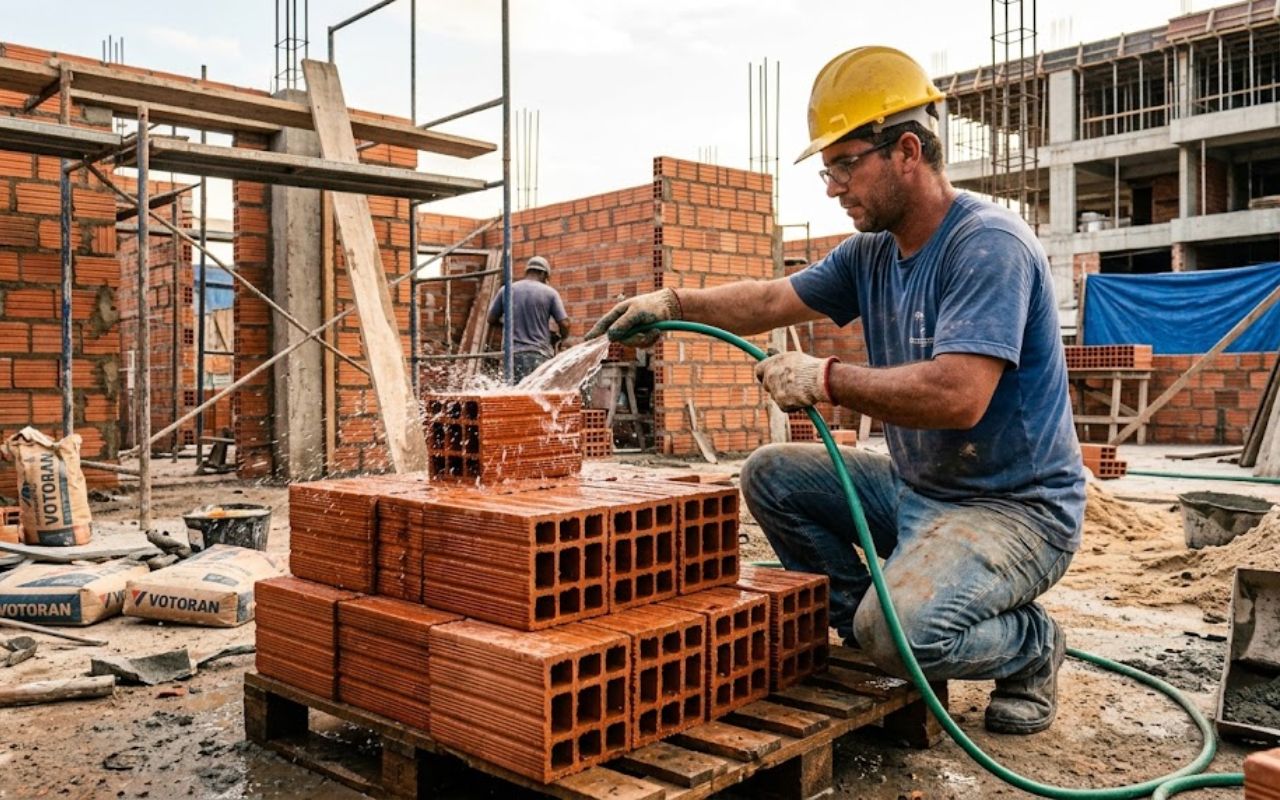
A simple technique of wetting the brick before laying it prevents cracks, improves the adhesion of the mortar, reduces fissures, and ensures stronger walls and more durable constructions.
-
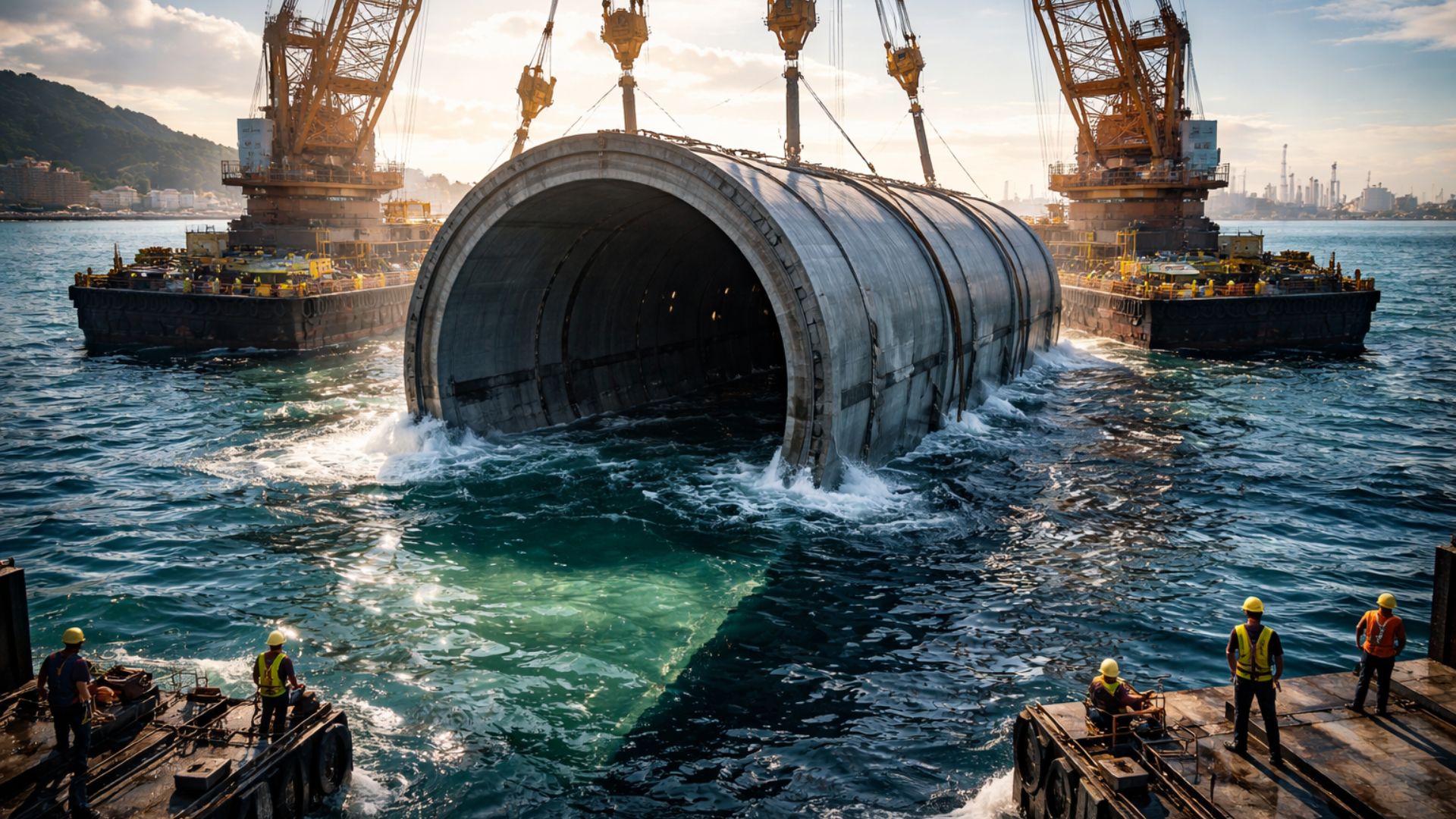
The government opens the vault and deposits R$ 2.6 billion for the construction of Brazil’s first underwater tunnel, with a length of 1.5 km, 870 m under the sea, a total project cost of R$ 6.8 billion, and a 30-year concession.
-
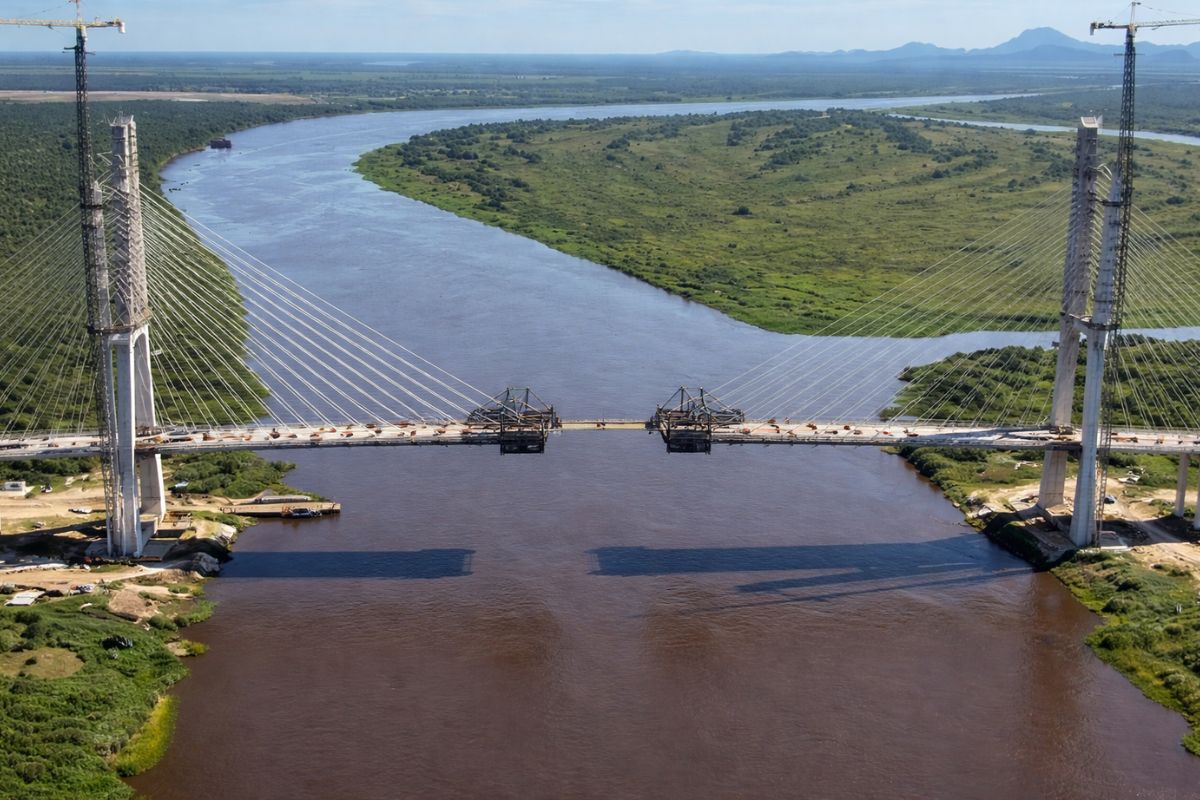
Only 46 meters remain for Brazil and Paraguay to connect via the Bioceanic Route bridge, the project that will link the Atlantic to the Pacific by land and change the logistical map of four countries in South America.
-
The bridge that holds the largest stone railway arch in the world: built over 100 years ago, destroyed in the war, and rebuilt to continue operating to this day, it still carries trains over the Soča River in Slovenia.


The flying robots can operate in high, dangerous, or hard-to-reach areas. They do this while reducing waste and energy consumption, something that traditional methods cannot.
Practical and Technical Advantages
Unlike ground systems, aerial robots are not tied to solid ground. This allows them to operate in steep or elevated locations, overcoming physical barriers common on construction sites. Additionally, they can operate with greater productivity and cause less environmental impact.
In an article published in the journal Science Robotics, scientists explain how they created an autonomy framework to control these drones. Among the biggest challenges are precision in depositing materials, coordinated flight of multiple drones, and use in large-scale projects.
Challenges and Ongoing Testing
According to Dr. Basaran Bahadir Kocer from the University of Bristol, the technology is still in its early stages.
He states that issues such as the durability of the materials used, location systems in outdoor areas, and coordination between multiple robots in the same space still need to be resolved.
Despite this, initial tests are showing good results. The drones have already managed to perform quick repairs and assemble modular structures. These advancements indicate that Aerial MA has the potential to be applied in various sectors.
Testing is being conducted at the DroneHub, a research center located at EMPA in Switzerland, where the robots can be evaluated outside of the laboratory environment.








Seja o primeiro a reagir!