





 Portuguese
  English
  Spanish
  3 min of reading
  0 comments


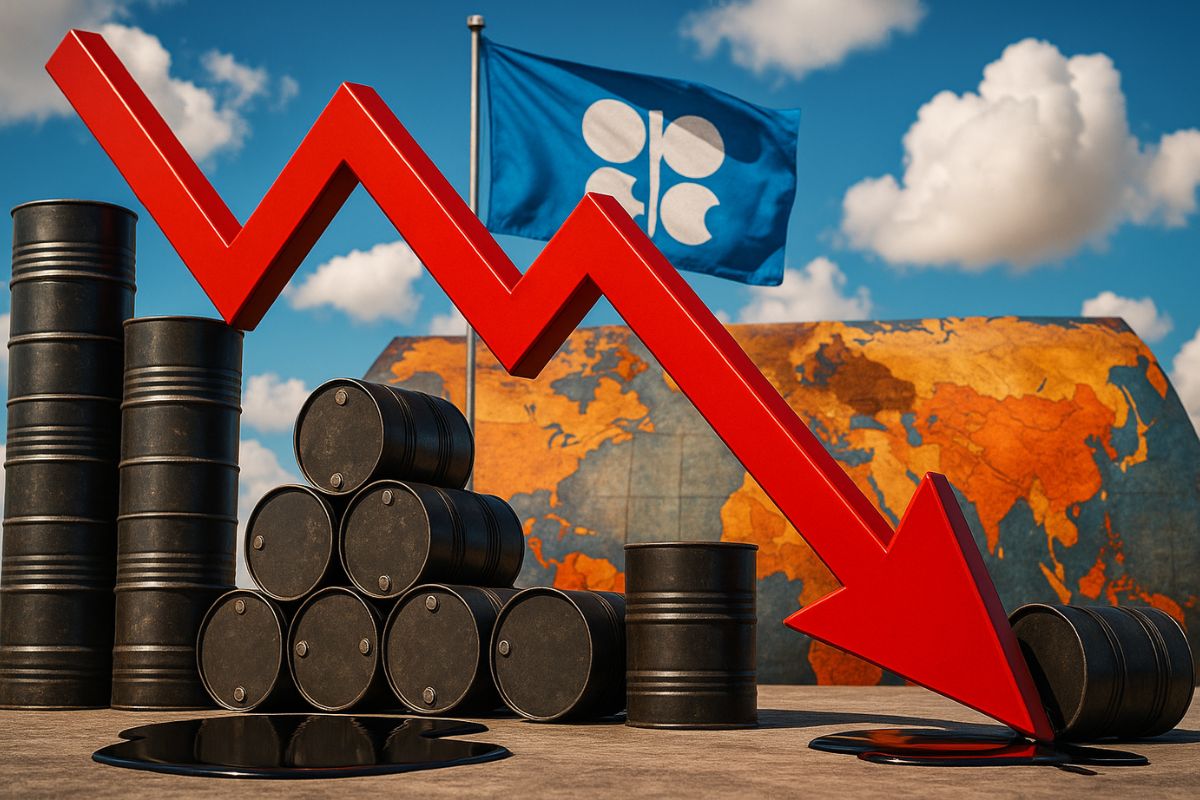
The Oil Crisis of 1973 Marked the Moment When the OPEC Embargo Quadrupled Oil Prices, From 3 to 12 Dollars Per Barrel, and Drove the Planet into Simultaneous Recession and Inflation
The OPEC embargo, imposed in October 1973, permanently altered the balance of power in the global economic system. By cutting oil supplies to the United States and allies that supported Israel during the Yom Kippur War, Arab oil-exporting countries turned oil into a political and geostrategic tool.
The effect was immediate: the barrel jumped from about 3 dollars to nearly 12 dollars in a matter of months. This sudden increase hit the industrialized economies hard, which relied on cheap energy to sustain growth, production, and transport. A new era of scarcity and volatility was born, as the developed world plunged into one of the deepest recessions of the post-war period.
The Political Context of the OPEC Embargo
The embargo was led by the Organization of Arab Petroleum Exporting Countries (OAPEC), a branch of OPEC dominated by Middle Eastern nations.
-
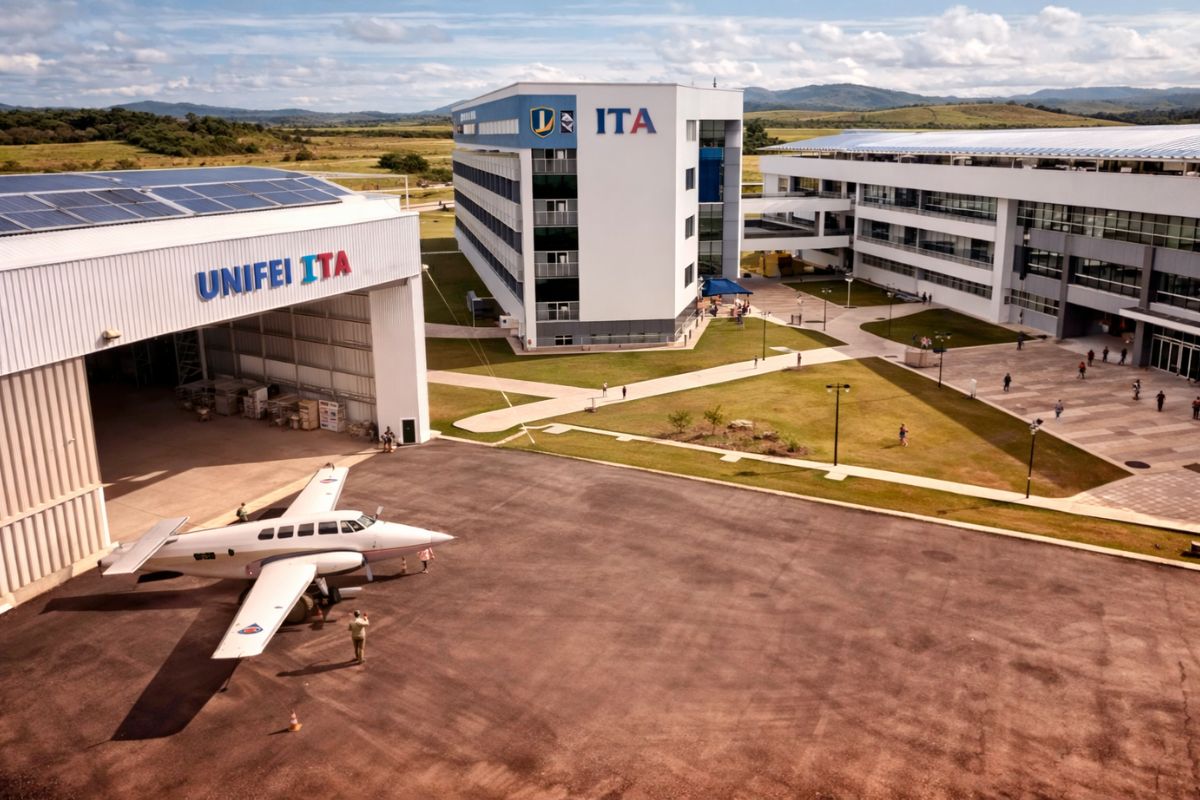
The institute that trained the greatest aerospace engineers in Brazil has just opened its first campus outside São Paulo after 75 years: ITA Ceará will have R$ 445 million, new courses in energy and systems, and classes are expected to start in 2027.
-
Luciano Hang, owner of Havan, goes to Juiz de Fora after the tragedy in February, brings R$ 1 million, hands out R$ 2,000 cards, and donates up to R$ 15,000 to victims in the region.

-
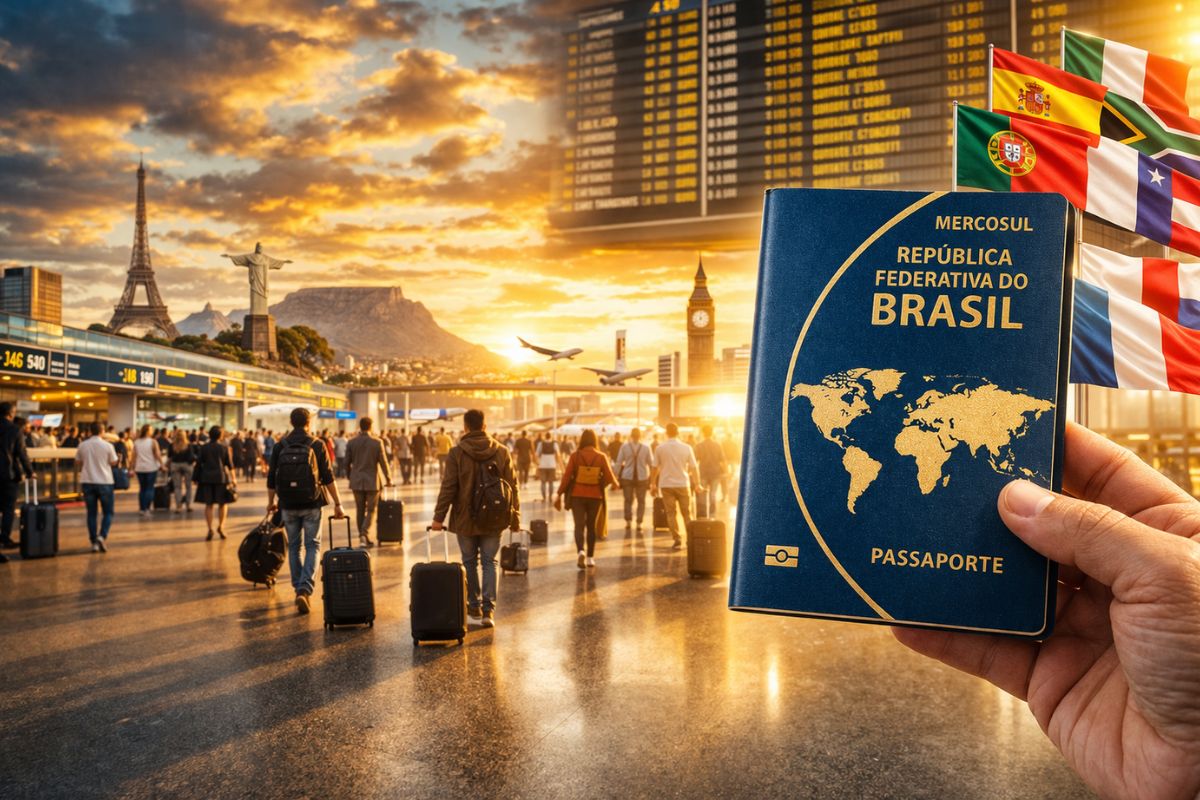
The Brazilian passport allows legal residence in dozens of countries without the need for a prior visa, and most Brazilians are unaware that they can apply for residency directly upon arriving in nations in South America, Africa, and even Europe.
-
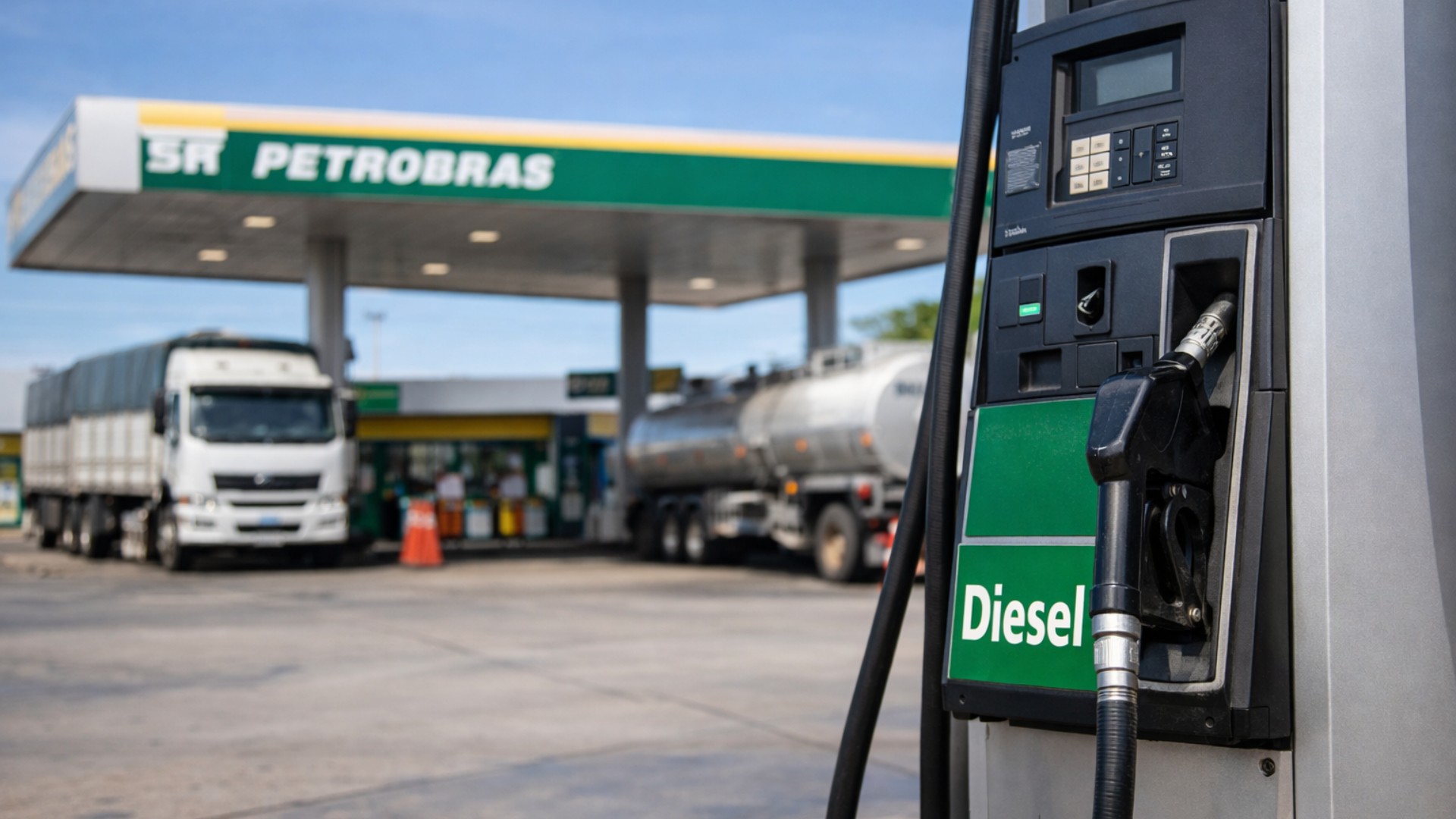
Petrobras sends a message to Brazilian truck drivers after fuel collapse and reveals plan to have 100% domestic diesel.

The decision came in direct response to the military and diplomatic support from the U.S. and European countries to Israel during the Yom Kippur War, a conflict fought against Egypt and Syria.
Until then, oil was seen as a stable and predictable resource, largely controlled by Western companies.
From 1973 onward, Arab producers showed that they could use oil as a diplomatic weapon, coordinating export interruptions and production cuts.
This was the first time the world witnessed a politically induced energy collapse, rather than one caused by a lack of reserves.
The Economic Impact: Recession and Stagflation
With the OPEC embargo, transportation, production, and energy costs skyrocketed.
European and North American industries saw their budgets deteriorate rapidly.
The widespread price increases drove inflation up, while the slowdown in consumption and production led to recession.
The result was a devastating and unprecedented phenomenon: stagflation, a combination of high inflation with economic stagnation.
In the United States, lines at gas stations became a symbol of powerlessness in the face of dependence on imported oil.
Countries like Japan and major European economies were also forced to ration energy and rethink their energy matrices.
Political Reactions and the Birth of Modern Energy Policy
The crisis led Western powers to recognize that energy security was part of national security.
Agencies like the International Energy Agency (IEA) emerged, created in 1974 to coordinate stocks and response policies for supply crises.
Governments began to invest in alternative sources, such as nuclear power and coal, as well as promoting energy efficiency in transportation and industries.
Producer countries, on the other hand, accumulated large surpluses, transforming petrodollars into investment power and global influence.
The OPEC embargo redefined the geopolitical landscape and solidified the political weight of oil exporters.
The End of Cheap Oil and Structural Lessons
From 1973 on, the world understood that the era of cheap oil was over.
The resource began to be priced not only by supply and demand but also by political tensions and strategic decisions.
The OPEC embargo exposed the energy vulnerability of the West and drove the emergence of policies that would shape the following decades, from the quest for renewable energy to the creation of national strategic reserves.
The episode also showed that excessive dependence on an essential input can turn external shocks into systemic crises.
The decisions of 1973 resonate even today in every fluctuation of barrel prices and in every debate about global energy security.
The Oil Crisis of 1973 was not just an OPEC embargo, but a historical turning point where energy producers took center stage in global geopolitics.
The industrialized world learned, forcefully, that economic stability depends on diversification and predictability in access to resources.
In your opinion, are today’s countries really prepared to face a new global energy crisis, or do they continue to rely on a model that the world has already shown to be vulnerable?






-

2 pessoas reagiram a isso.