





 Portuguese
  English
  Spanish
  5 min of reading
  0 comments


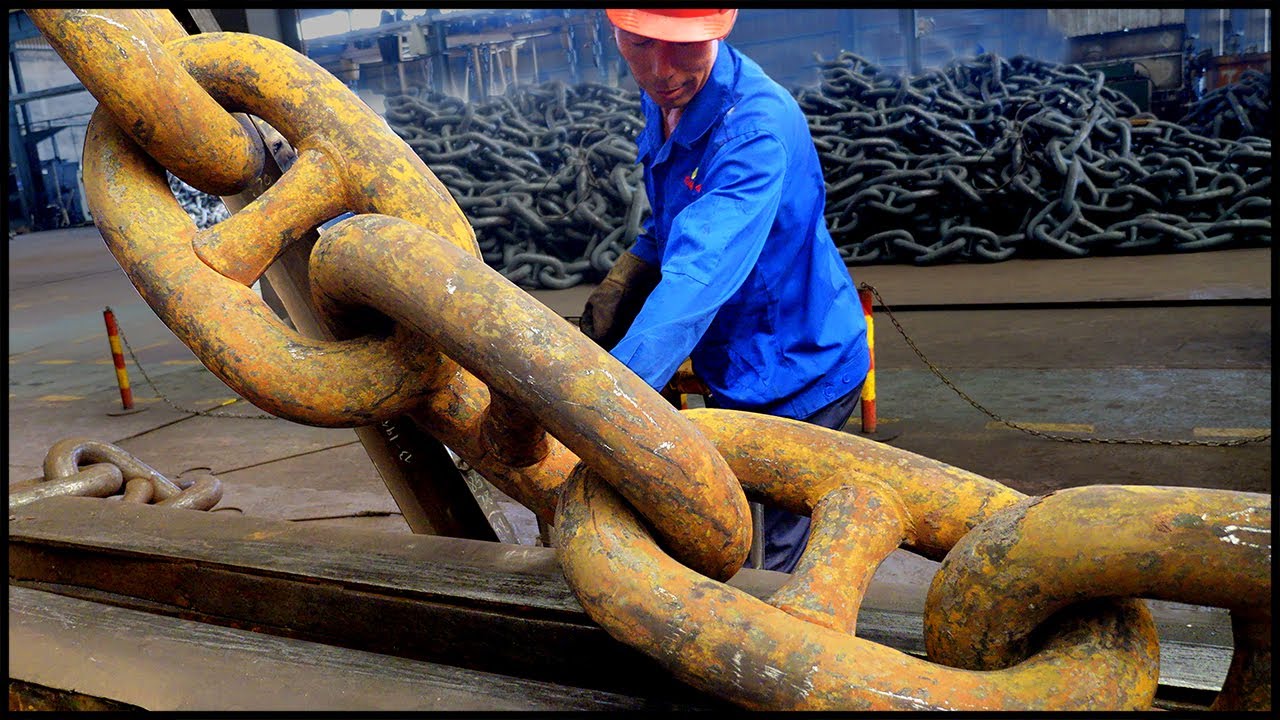
Giant Anchor Chains Are Made Through Complex Forging, Welding Processes, and Stringent Testing to Ensure Strength and Safety on the Largest Ships in the World.
Anchor chains are one of the essential components of the anchoring system of vessels. They connect the anchor to the ship, serving the fundamental function of keeping the vessel fixed in the location where it was anchored.
When the ship is launched into the sea or during navigation, the anchor chain helps ensure that it does not move, even with the impact of wind, tide, or ocean currents.
They are formed by a series of interconnected metal links, which together provide the necessary strength to withstand weight and traction forces.
-
Historic bankruptcy of Centauro shocks the market, and the century-old company puts more than 500,000 products, machines, and complete infrastructure up for online auction.

-
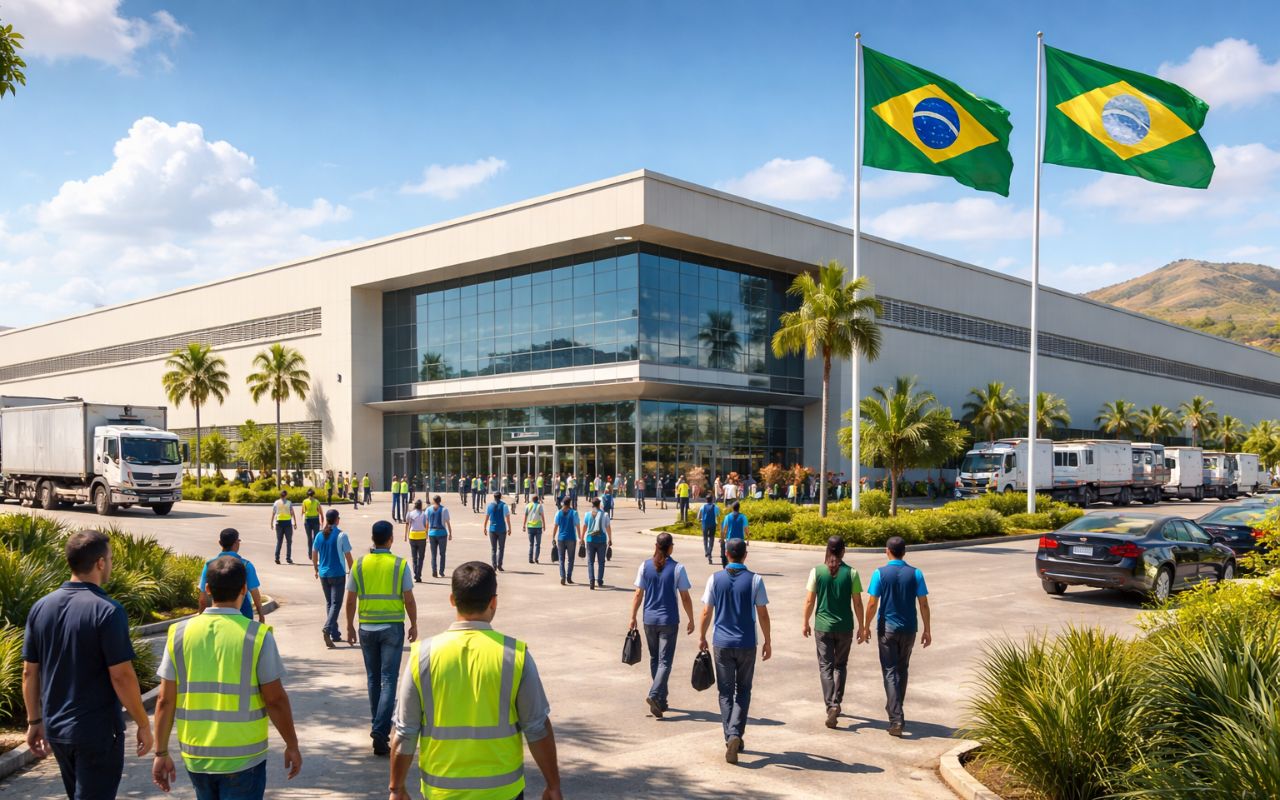
New shoe factory in Ceará is expected to create 400 jobs and strengthen the local economy.
-
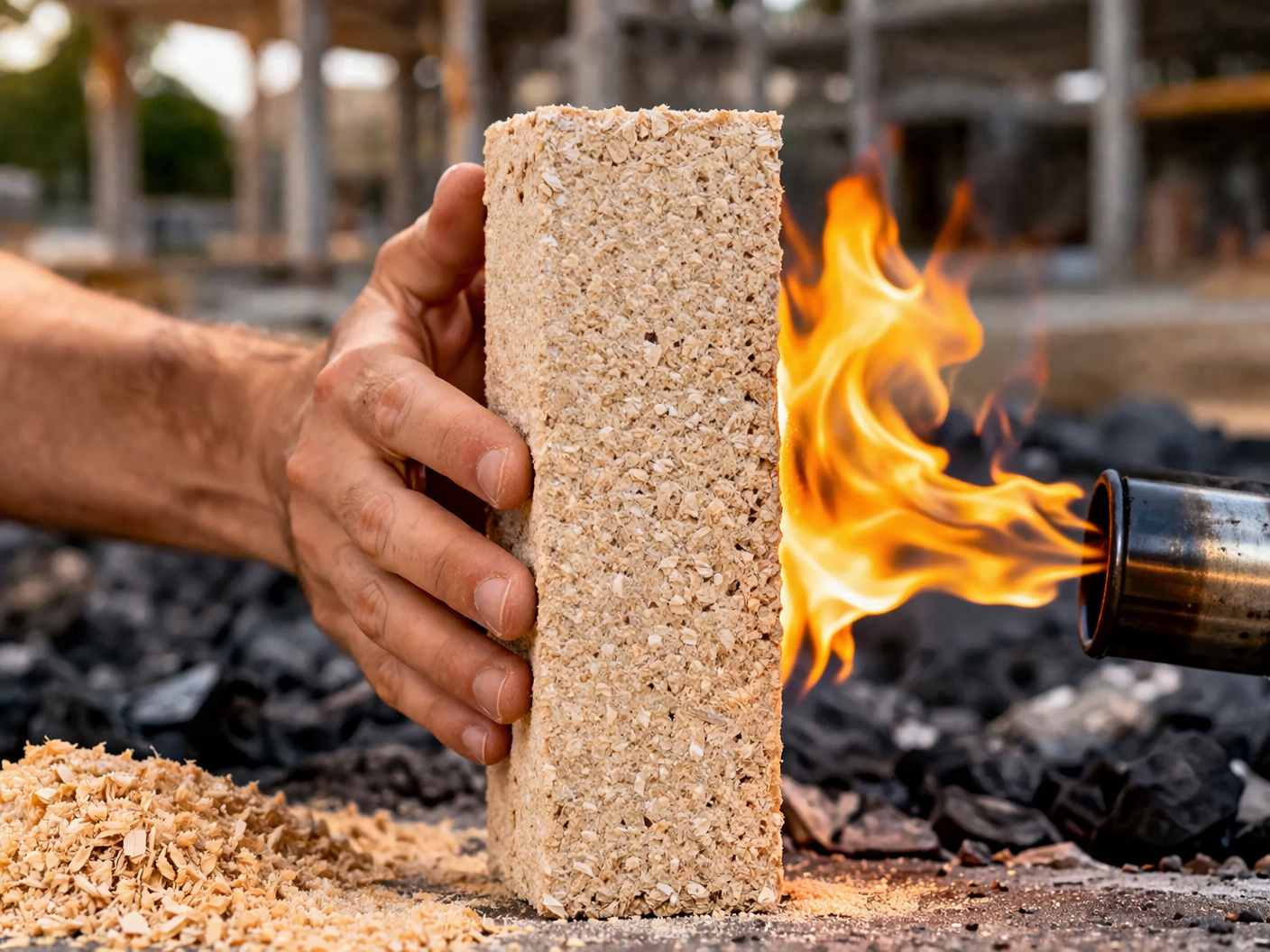
No one imagined it, but a mixture of sawdust with a mineral that fights fires surprises scientists with a result that changes the course of fire-resistant construction.
-
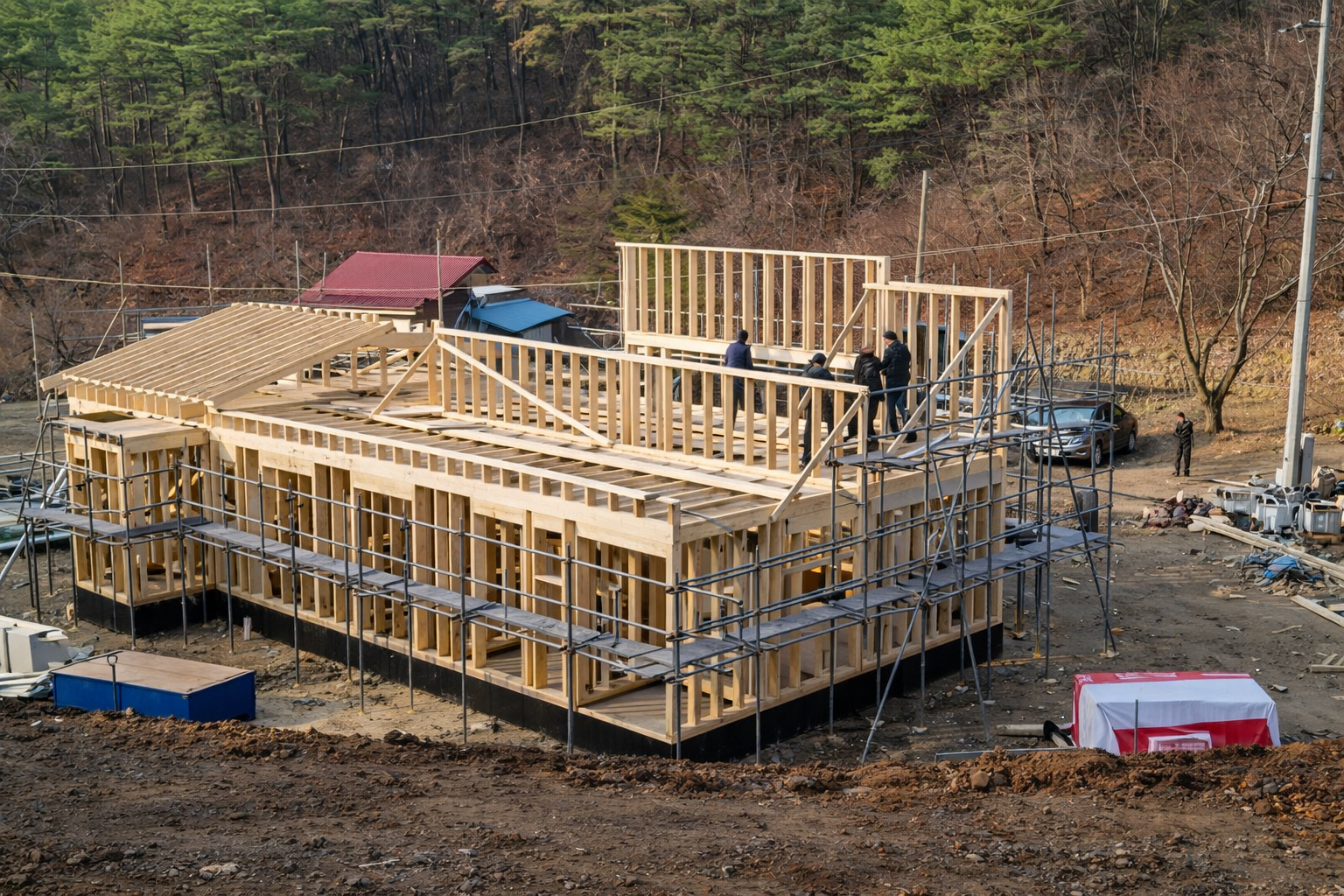
From empty land to a high-end house, wooden construction uses a lightweight system, metal structure for the foundation, ventilated ceramic cladding, and special windows to create an efficient and comfortable living space throughout the year.
These chains are designed to withstand great traction forces, especially in adverse sea and wind conditions.
In addition, they are manufactured to be robust and durable, so they can last for long periods in contact with saltwater. The function of an anchor chain is, therefore, fundamental to the safety of navigation and the vessel itself.
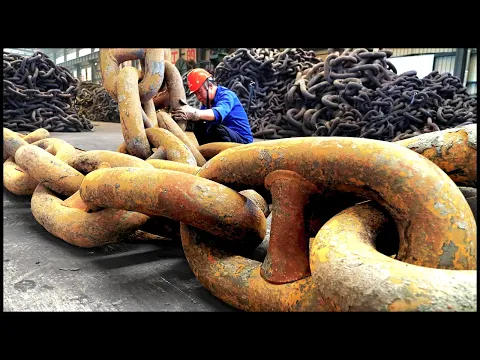

How Are Anchor Chains Made?
The manufacturing process of anchor chains involves several technical stages, requiring precision and attention to detail. It starts with the selection of a high-quality material, such as steel, which is strong and durable.
Next, the steel is heated to high temperatures, between 1,200°C and 1,300°C. This heating makes the material malleable and suitable for forging. Once heated, the steel is placed in a hydraulic press or hammer, where it will be shaped.
After heating, the forging process comes into play. It consists of applying pressure to the steel to shape the material into the form of links, which will then be connected to form the chain.
This process helps increase the strength of the metal as it improves its internal structure. The applied pressure aligns the molecules of the metal, making the final product denser and stronger.
Once the links of the chain are forged, they undergo a heat treatment, essential for increasing hardness and impact resistance.
This treatment includes rapid cooling, a process called quenching, and controlled heating, known as tempering. These processes ensure that the chain has the desired strength properties.
After the heat treatment, the links are inspected and checked for defects, such as cracks or flaws in the material.
The chains can also undergo finishing processes, where rigorous measurements checks are made.
Galvanization is the final step, where the chains receive a zinc coating to ensure protection against corrosion. This coating is vital, as anchor chains are constantly exposed to saltwater.
Importance of Anchor Chains on Boats
Anchor chains play a crucial role in the safety of vessels. They are essential for ensuring that the boat remains secure in the desired location.
In rough seas or during storms, the anchor chain helps maintain the position of the vessel. This is especially important when navigating in high maritime traffic areas, deep waters, or locations subject to strong currents.
In addition to keeping the vessel anchored, the anchor chain also distributes the traction force between the ship and the anchor efficiently.
It ensures that the load is supported without the anchor being dislodged from the seabed. This helps prevent serious accidents, such as dragging the ship, which can cause damage to the vessel, the environment, and even put the crew’s lives at risk.
Anchor chains must be manufactured with high-strength materials, as they need to withstand great stresses without compromising their integrity.
The use of low-quality chains can lead to failures during use, jeopardizing the safety of the ship and everyone on board. Therefore, the manufacture of these chains is a critical part of the shipbuilding process.
Types
There are different types of anchor chains, which vary according to the type of vessel, operational conditions, and specific user needs.
The most common type is the round link chain, which has a rounded shape. This type of chain is widely used due to its strength and ease of manufacture.
Other types include oval link chains. This shape offers advantages in terms of wear resistance, as well as providing a more efficient load distribution. However, chains with oval links are generally more expensive and harder to manufacture.
High-strength anchor chains are another important type. They are manufactured with higher-quality materials, such as high-strength steel, and are designed to withstand extreme navigation conditions.
These chains are recommended for larger vessels that operate in deep waters or are subject to adverse weather conditions. They ensure greater safety and reliability, even in more challenging situations.
Materials Used
The choice of material is a fundamental part of the manufacturing process of anchor chains. Steel is the predominant material, as it is strong, durable, and impact-resistant.
There are different types of steel used in the manufacture of these chains, with specific properties that make the material more suitable for different operating conditions.
Carbon steel is the most common material used for anchor chains. It has good strength and is relatively cheaper compared to other types of steel. However, carbon steel can be susceptible to corrosion if not treated properly, such as with a galvanization coating.
High-strength steel is used for anchor chains that need to withstand large traction forces and more severe operating conditions. This type of steel is stronger than carbon steel, making it more durable and safer.
Stainless steel is a high-quality material with corrosion resistance. Chains made from stainless steel are more expensive, but they are ideal for areas with high salinity, such as coastal waters. Stainless steel ensures greater durability and requires less maintenance, as it is resistant to corrosion, even in harsh marine environments.
In addition to these materials, anchor chains can undergo additional surface treatments, such as zinc coatings, painting, or other anti-corrosive treatments. These treatments help prolong the lifespan, minimizing the effects of exposure to saltwater and extending usage time.
Anchor chains are essential components for ensuring the safety and stability of vessels. Their manufacturing requires precision and the use of high-quality materials to ensure they can withstand the stresses and adverse conditions of the marine environment.







-

2 pessoas reagiram a isso.