





 Portuguese
  English
  Spanish
  3 min of reading
  0 comments


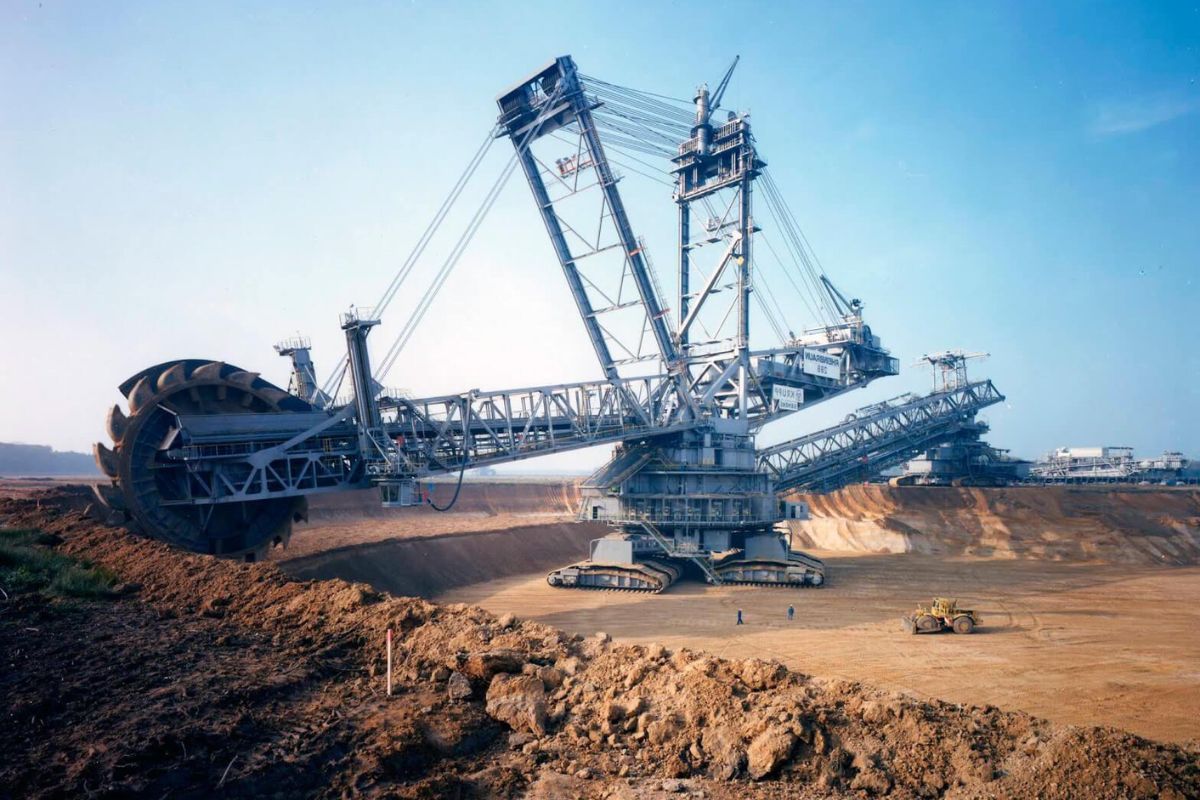


German Giant Excavator Is Controlled by Small Team Thanks to Advanced Engineering and Integrated Automation
The Bagger 288, one of the largest machines ever built by man, operates with just five operators simultaneously. Weighing 13,500 tons, standing 96 meters tall, and measuring 225 meters long, the excavator impresses not only with its size but also with its operational efficiency, requiring a minimal team to move tons of earth per day.
Designed by Krupp (now ThyssenKrupp) and in operation since 1978, the Bagger 288 is used in coal mines in Germany, primarily by RWE Power AG. It can excavate up to 240,000 tons of material per day, with an energy consumption of 16.56 megawatts, powered by an external electrical grid.
How Five Operators Manage to Control This Machine
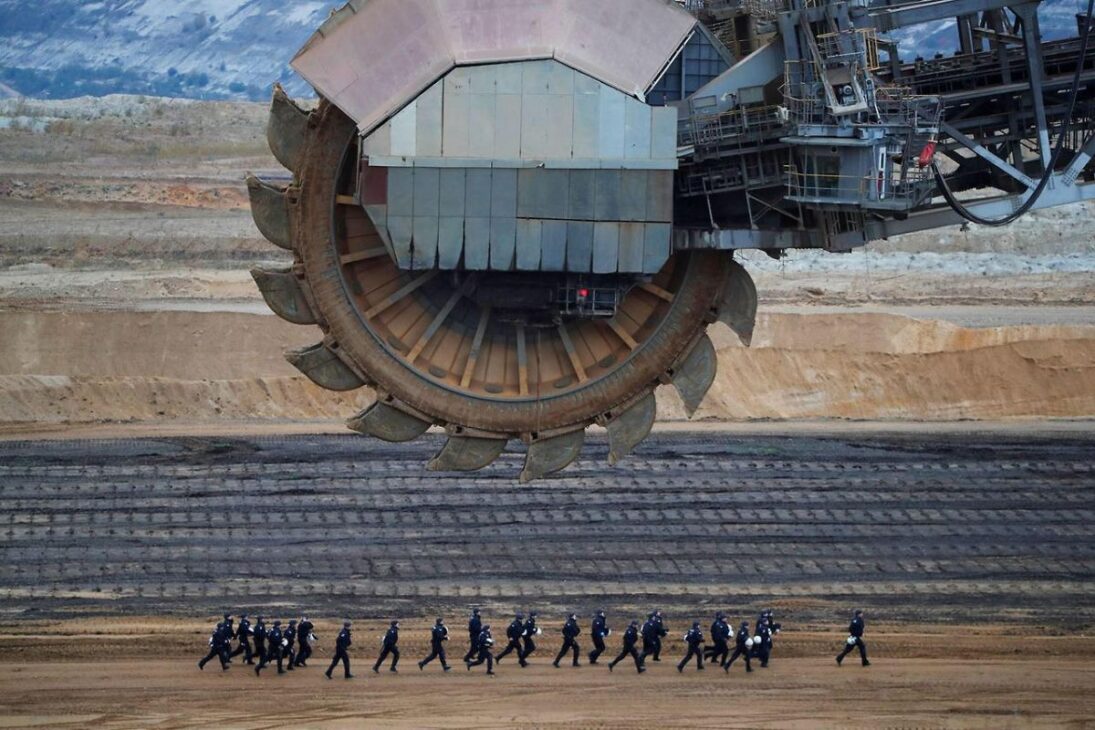
Despite its monumental proportions, the Bagger 288 was designed with a highly integrated automation system, allowing just five professionals to handle all simultaneous operations. Each of them is responsible for an essential function:
-
According to an analysis by NASA, only one human-made structure is visible from space, and it is not the Great Wall of China or the Pyramids of Egypt.

-
After 377 years of history, the Brazilian Army will have its first female general: Colonel Claudia Cacho has been promoted to brigadier general by Lula and will receive the sword and command baton this Wednesday in Brasília.

-
A Mercado Livre customer opened their package and found 32 resumes of people looking for jobs crumpled as protective paper inside the box, exposing names, addresses, documents, and phone numbers of dozens of candidates.

-
Iceberg A23a, one of the largest in the world, is undergoing accelerated collapse and may disappear: what explains the end of the ice giant?


- Control of propulsion and movement on tracks
- Operation of the bucket wheel
- Continuous extraction and transportation of soil via internal belts
- Monitoring of electrical and safety systems
- Overall operation coordination and external communication
This arrangement has remained since its entry into service and was replicated in later models, such as the Bagger 293, built in 1995 with similar characteristics.
Why It Was Designed with a Minimal Crew

The Bagger 288 was created to minimize the cost per ton excavated, reducing the complexity of human logistics. Its electrical systems are segmented and redundant, and the main cabin offers centralized control of most components. Automation allows the operation to be stable, safe, and continuous, even with a limited number of operators.
According to technical records and publications like those from Sibo Bushings and technical reports on sites like Worcon and LinkedIn, this operational model was conceived from the design phase and validated through decades of actual use.
Technical Specifications of the Bagger 288
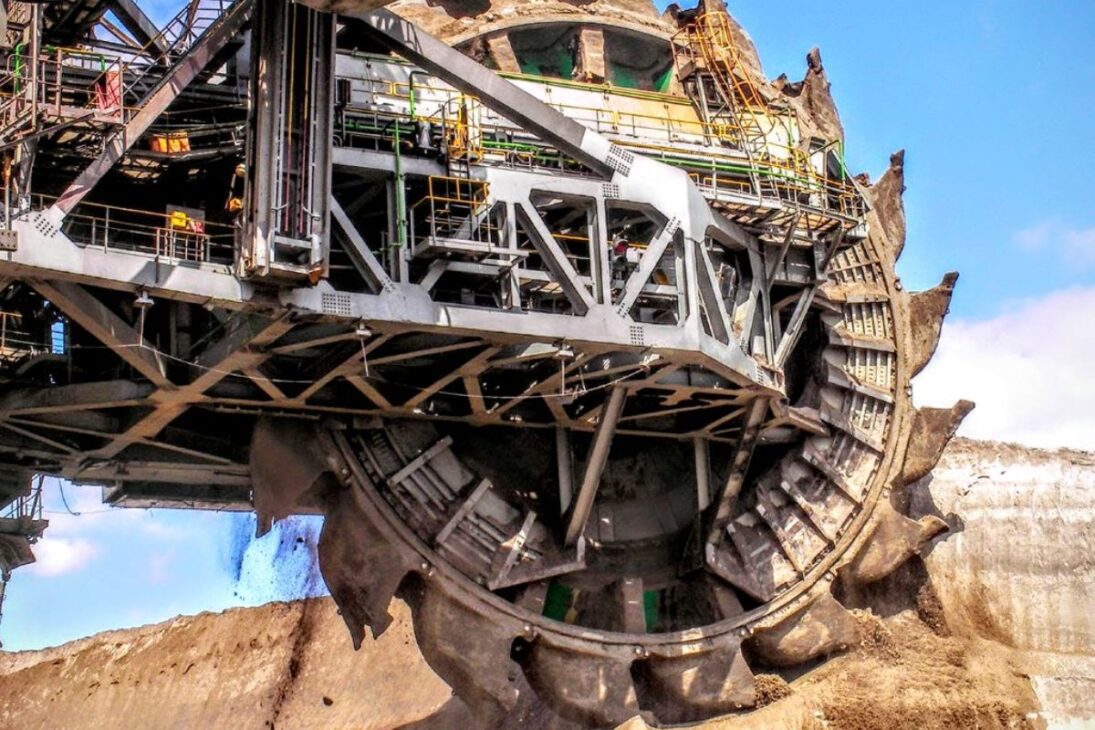
- Total Weight: approximately 13,500 tons
- Height: 96 meters
- Length: 225 meters
- Width with Tracks: about 46 meters
- Power Source: electric, 16.56 MW total power
- Excavation Capacity: up to 240,000 tons per day
- Mobility System: 12 independent tracks, each 3.8 meters wide
These dimensions make the Bagger 288 one of the largest and most efficient continuous excavators in the world, capable of moving enormous volumes with millimeter precision and reduced human impact.
Does It Still Make Sense to Maintain Human Operation?
The engineering of the Bagger 288 is considered a landmark of industrial efficiency. But with the advancement of automation and robotics, could it be possible to further reduce human presence? Or is the number of five operators the safe limit to control a machine of this size?
Leave your opinion in the comments — especially if you work with heavy machinery, mining, or industrial automation.










Nunca vi algo igual.