





 Portuguese
  English
  Spanish
  6 min of reading
  0 comments


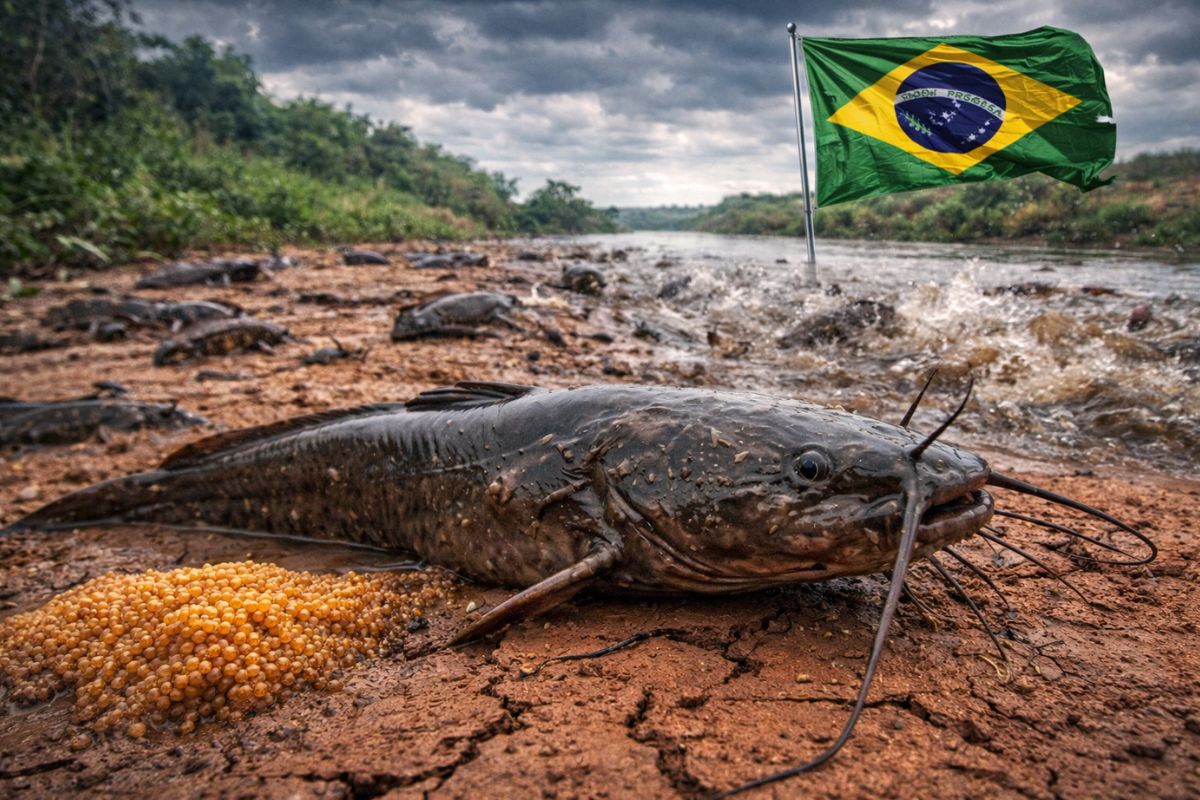
The African catfish is a fish that breathes out of water, moves on land, tolerates highly polluted environments, and reproduces explosively; a single female can produce more than 80,000 eggs per spawning. Introduced in Brazil in the 1980s for aquaculture, this fish escaped from tanks and now dominates rivers and lakes in various regions of the country.
There is a fish capable of surviving out of water, dragging itself on land until it finds another body of water, tolerating extremely polluted environments, and reproducing at a speed that defies any attempts at control. This fish is the African catfish, a species native to Africa and the Middle East that was introduced to Brazil in the 1980s and is now infesting rivers, lakes, and reservoirs in various regions of the country. The problem is that, once established, no one has been able to stop its expansion.
The case of the African catfish is one of the clearest examples of how the introduction of exotic species can cause serious impacts on the Brazilian environment. This fish has already been recorded in the Tietê River, one of the most polluted in Brazil, in Campos dos Goitacazes (RJ), and in dozens of bodies of water in the Southeast and Northeast. Where it arrives, native species begin to disappear, fishermen lose income, and the aquatic ecosystem becomes unbalanced. And the most disturbing part: this fish has almost no natural predators capable of controlling its population in Brazil.
A fish that breathes air, walks on land, and survives where others die

What makes the African catfish different from most other fish is a rare biological characteristic: it has an accessory respiratory organ that allows it to breathe atmospheric air, which means that this fish can survive in environments with oxygen levels so low that they would kill any other species.
-
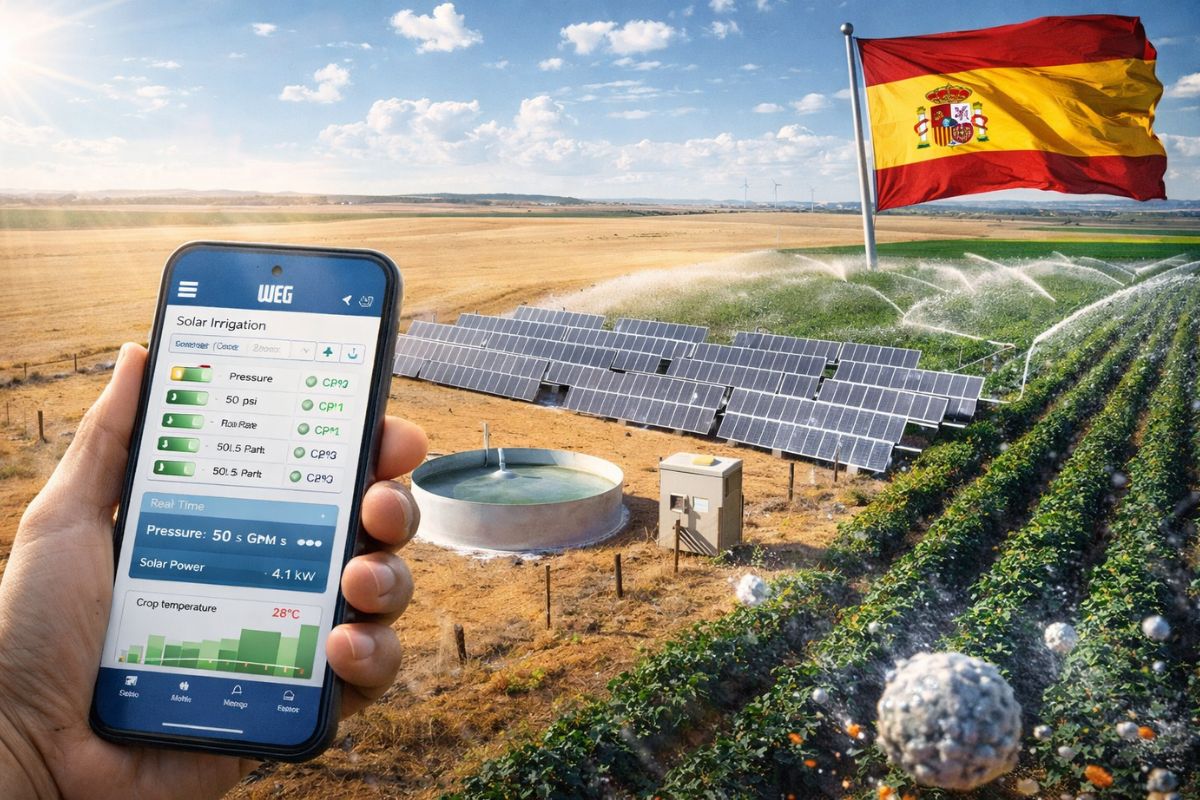
WEG took its technology to Spain to create a solar irrigation system that operates independently without needing an electrical grid, and now farmers control everything remotely via their mobile phones.
-
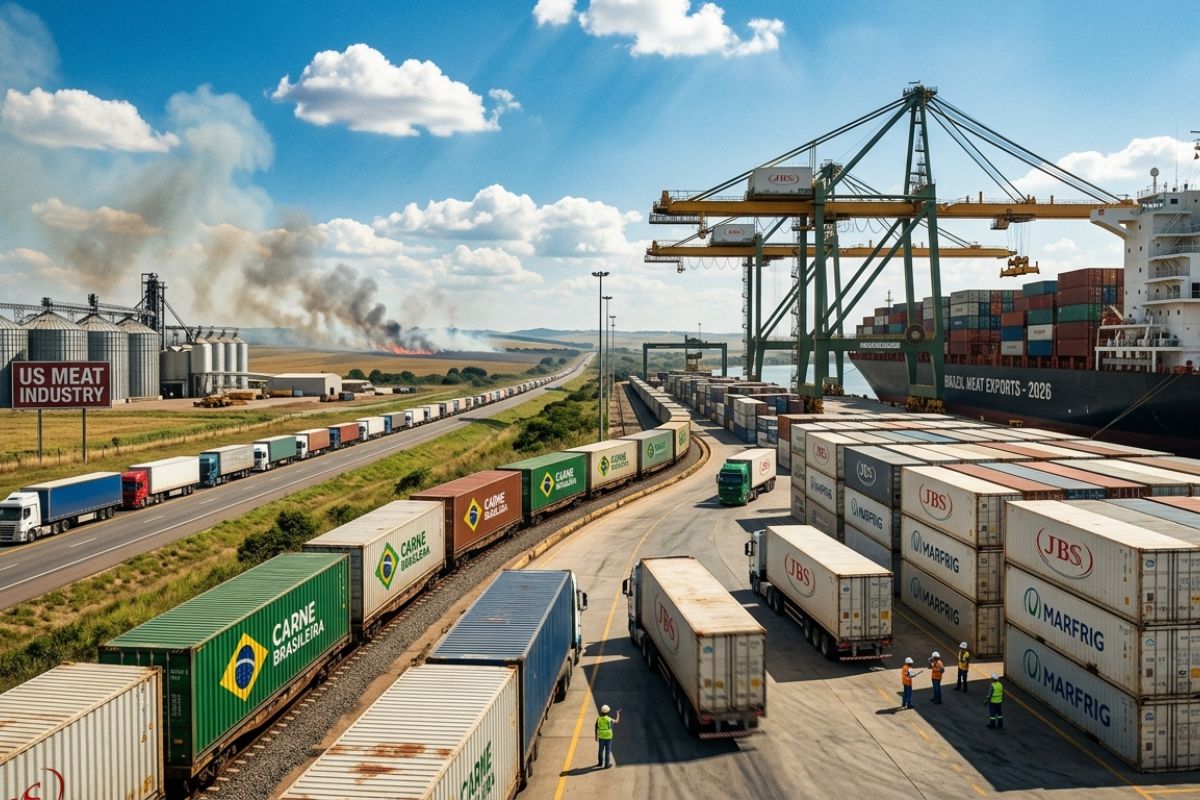
The US faces a meat crisis with fires, pests, and strikes, consumption rises and supply falls to the lowest level since 1952, creating a billion-dollar opportunity for Brazilian exports to grow in 2026.
-
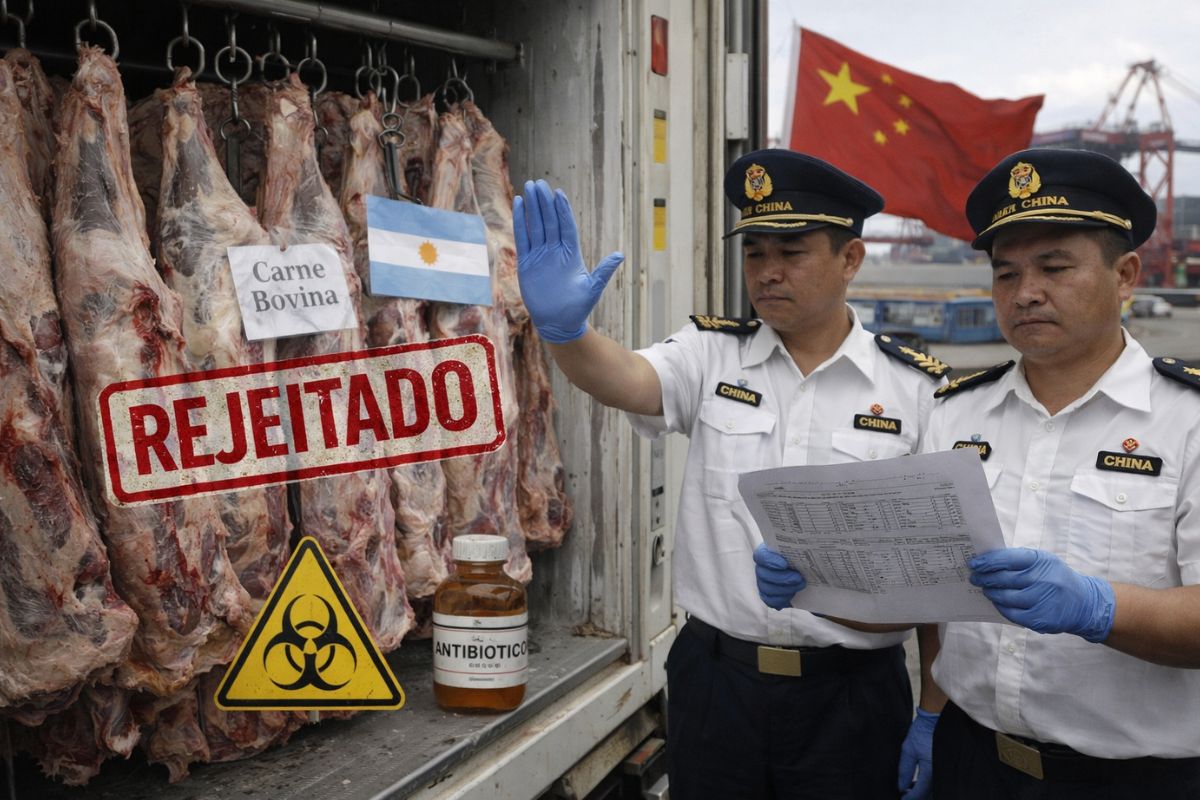
China rejected an entire shipment of beef from Argentina after detecting an antibiotic so dangerous that it has been banned for human consumption for over 30 years, and now the export sector is facing a crisis of international trust.
-
With nearly 500 thousand tons per year, barley production is growing in Brazil, while a decline in beer consumption among Generation Z raises alarms in the sector.


In extreme situations, such as the drying of a lake or a drastic reduction in water levels, the African catfish remains alive out of water as long as the environment is moist.
Even more impressive: this fish can move short distances on land, using body movements to drag itself until it finds another point with water.
This behavior greatly facilitates its dispersion, especially during rainy periods when flooded areas connect, and the fish migrates from one body of water to another. The fact that it survives in the Tietê River, one of the most polluted in Brazil, is a practical demonstration of its extreme level of resilience.
How the fish that was supposed to stay in tanks escaped and infested Brazilian rivers

The arrival of the African catfish in Brazil occurred starting in the 1980s, when rural producers and entrepreneurs in the aquaculture sector sought a resilient fish with rapid growth and good productivity in captivity.
The African catfish seemed perfect: it grows quickly, has low dietary requirements, and tolerates adverse conditions such as low-quality water. The farming was done in excavated tanks and net cages, with the aim of producing meat for consumption.

Over time, escapes from the tanks to the natural environment began to occur. In some cases, there were intentional releases, often without knowledge of the impacts this would cause.
From there, the fish began to establish itself in Brazilian rivers, lakes, and reservoirs. One of the first places where its presence became evident was Campos dos Goitacazes, in Rio de Janeiro. Later, records appeared in the Southeast and Northeast. Today, the African catfish is present in dozens of bodies of water throughout the country and continues to spread.
80,000 eggs per spawning and almost no predators: why this fish is unbeatable
The reproductive capacity of the African catfish is another factor that makes its invasion practically impossible to contain. A single female can produce tens of thousands of eggs per spawning, potentially exceeding 80,000 eggs depending on the size of the animal.
The environmental conditions found in many Brazilian rivers favor the survival of the fry, and with few natural predators capable of controlling its population, the fish finds an almost perfect scenario for multiplying.
In addition to explosive reproduction, its feeding behavior exacerbates the problem. The African catfish is an omnivorous fish with a carnivorous tendency: it feeds on small fish, eggs, insects, crustaceans, mollusks, and organic remains—practically everything it finds.
Wherever it establishes itself, it begins to compete directly with native species for food and space. In several locations, significant reductions in fish diversity have already been observed, with an almost absolute predominance of the African catfish. This alters the entire dynamic of the aquatic ecosystem.
Fishermen lose income and native species disappear: the real impact of the invasion
The impacts are not limited to the environment. Communities that depend on fishing also suffer from the presence of this fish.
Fishermen report that the number of native species has drastically decreased, being replaced by the African catfish, which, although consumed, generally has lower commercial value. This forces fishermen to catch more to obtain the same income, increasing work effort and reducing the profitability of the activity.
In some cases, the invasion compromises subsistence fishing, which is essential for the feeding of families in rural and riverside areas.
Controlling the population of this invasive fish is a major challenge: encouraging the fishing of the African catfish is one of the strategies discussed, but it needs to be adopted cautiously to avoid generating the opposite effect, such as stimulating the breeding and dissemination of the species for commercial purposes.
Another approach is strengthening regulations in aquaculture, especially regarding the use of exotic species.
The African catfish is not the only one: Brazil has a history of invasions that have gone out of control

The case of this invasive fish is not isolated. Brazil faces various problems with exotic species that have escaped control.
The European wild boar has spread across several regions and causes damage to agriculture; the golden mussel has spread in rivers and reservoirs, causing clogging of pipes and damages to hydroelectric plants; and the African snail has become an urban pest with risks to public health.


In all these cases, the pattern is similar: a species is introduced for a specific purpose, escapes into the natural environment, finds favorable conditions, and multiplies uncontrollably.
The African catfish is perhaps the most impressive example because it combines all the characteristics of a perfect invader: a fish that breathes out of water, walks on land, eats everything, reproduces by the thousands, and has no significant predators in the Brazilian ecosystem.
A fish that no one invited and that no one can expel
The African catfish is living proof that seemingly simple decisions can lead to complex and irreversible consequences.
A fish brought in to produce cheap meat in tanks escaped, adapted, and now dominates entire ecosystems, harming native species, fishermen, and the environmental balance of rivers and lakes throughout Brazil.
More than an environmental problem, the case of this invasive fish is a reminder that the balance of ecosystems depends on care, planning, and responsibility—especially when it comes to introducing new species into natural environments. Once the invasion is consolidated, there is no easy solution.
Have you seen African catfish in the rivers in your area? Have you caught any? And what do you think should be done to control this invasive fish without further harming the ecosystem? Share in the comments.







Seja o primeiro a reagir!