





 Portuguese
  English
  Spanish
  3 min of reading
  0 comments


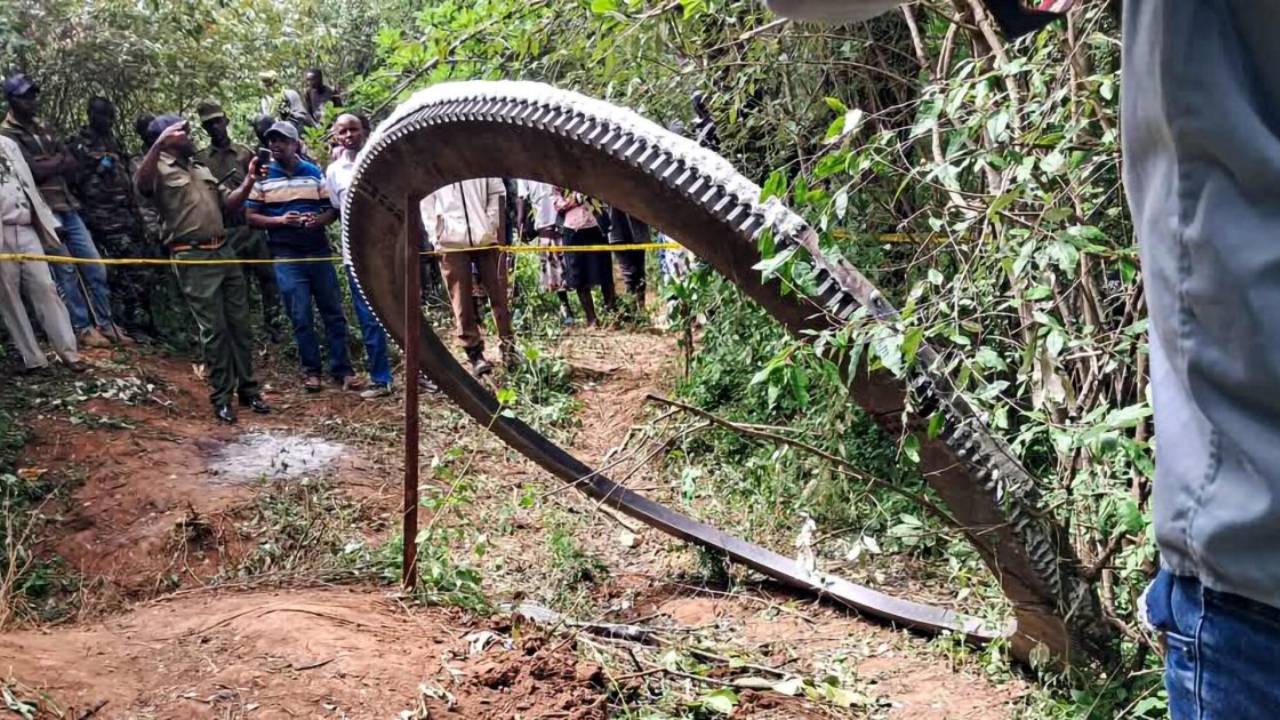
The impact was immediate when a half-ton metal ring fell in Mukuku, Kenya, leading to the area being cordoned off, raising suspicions about space debris, and remains unresolved publicly more than a year later
A metal ring weighing about 500 kilograms fell from the sky in a rural area of Kenya at the end of 2024 and turned a distant debate into a concrete problem. The impact led authorities to isolate the region and initiate an investigation to discover what, in fact, hit the ground.
The case draws attention because it shows how space debris can cease to be just a technical issue and begin to affect inhabited areas. Even after more than one year, the official identification of the piece has still not been presented to the public.
Fall in Mukuku put the area on alert on December 30, 2024
The occurrence was recorded in Mukuku, a rural area of Kenya, on December 30, 2024. After the fall, the object was scattered across the ground with about 2.5 meters in diameter, a size that quickly caught the attention of technical teams.
-
Dubai eliminates the term “housewife” from official documents and adopts “generation builder,” redefining the role of mothers and changing the way society views motherhood.

-
60 meters above the ground, the Eiffel Tower once again offers a crossing over the void on a suspended walkway that has already attracted more than 24,000 people and transforms the visit into an experience of tension and an open view over Paris.

-
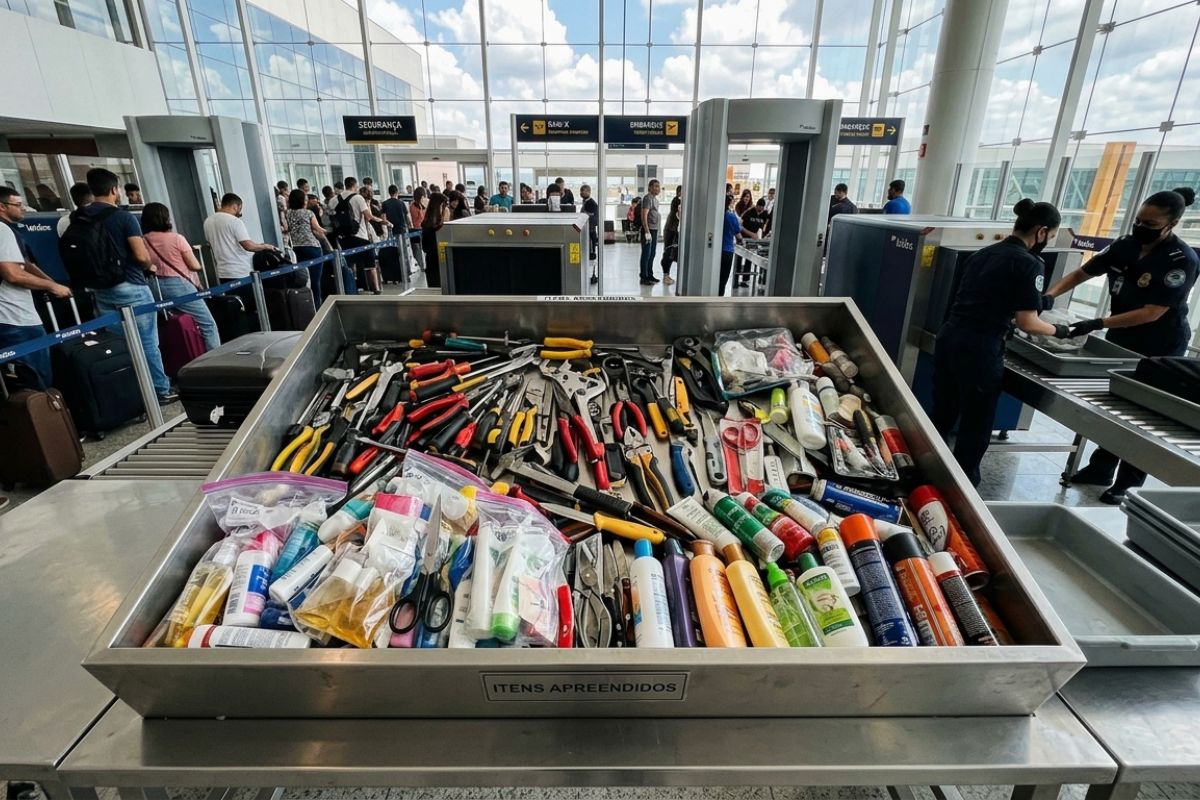
X-ray at the airport shows no mercy: tools lead the seizures, followed by liquids over 100 ml, blades, and flammable items; see what gets taken at security and how to avoid losses by checking in items when in doubt.
-
Little-known fruit from the Cerrado draws the attention of scientists for containing antioxidants, fibers, and provitamin A, according to scientific research; meet the mama-cadela.

The response was immediate. The police cordoned off the area, and a group of public agencies collected the piece for analysis. From there, the main question became the same one that still sustains the case: where did the metal ring come from.
First evaluation indicated space fragment and separation ring

In the first days of investigation, the preliminary assessment indicated that the structure could be a fragment of a space object. The initial reading also described the piece as a separation ring, a component used in launch vehicles.
This definition helped frame the case but did not resolve the central point. The piece was not officially linked to any specific rocket, which kept the search for the owner of the material open.
Hypothesis about specific mission gained strength and was later denied
The episode began to generate speculation about a possible connection to a specific space mission. Reports emerged that the Kenyan government had initiated a compensation request against India, a scenario that amplified the case’s repercussions.
According to Xataka, a Spanish technology and science website, the Kenyan space agency denied this information on January 3, 2025, and reinforced that the investigation was still ongoing. As a result, the alleged accountability lost strength, and the mystery returned to the center of the discussion.
Independent analysis mentioned SYLDA launch adapter from 2008
With the official investigation lacking a final answer, independent analysts began to examine the piece. One of the more detailed hypotheses suggested a connection with a SYLDA adapter from a Ariane launch in 2008.
The assessment considered the location of the fall and the timing of reentry to be compatible. Still, the hypothesis was not treated as definitive and later faced doubts about the dimensions of the object, which weakened the possibility of confirmation.
Promise to identify owner remains without public outcome
The initial expectation was that the technical analysis would lead to the identification of the owner of the piece and the announcement of new steps. There was also the prospect of formal accountability if the owner was confirmed.
But the expected progress did not appear publicly. More than one year later, there is no official conclusion released that closes the case and confirms the exact origin of the material found in Mukuku.
Case exposes limits of investigations when debris reaches the ground
The episode shows that the problem of space debris is not restricted to orbit. Under certain conditions, it can reach the ground, mobilize local forces, and open an international dispute that is difficult to close quickly.
It also highlights how not always a fall with a visible piece, defined location, and immediate collection results in a clear response. Kenya is left with the impact, the uncertainty, and a case that still pressures the region.







Seja o primeiro a reagir!