






 Portuguese
  Spanish


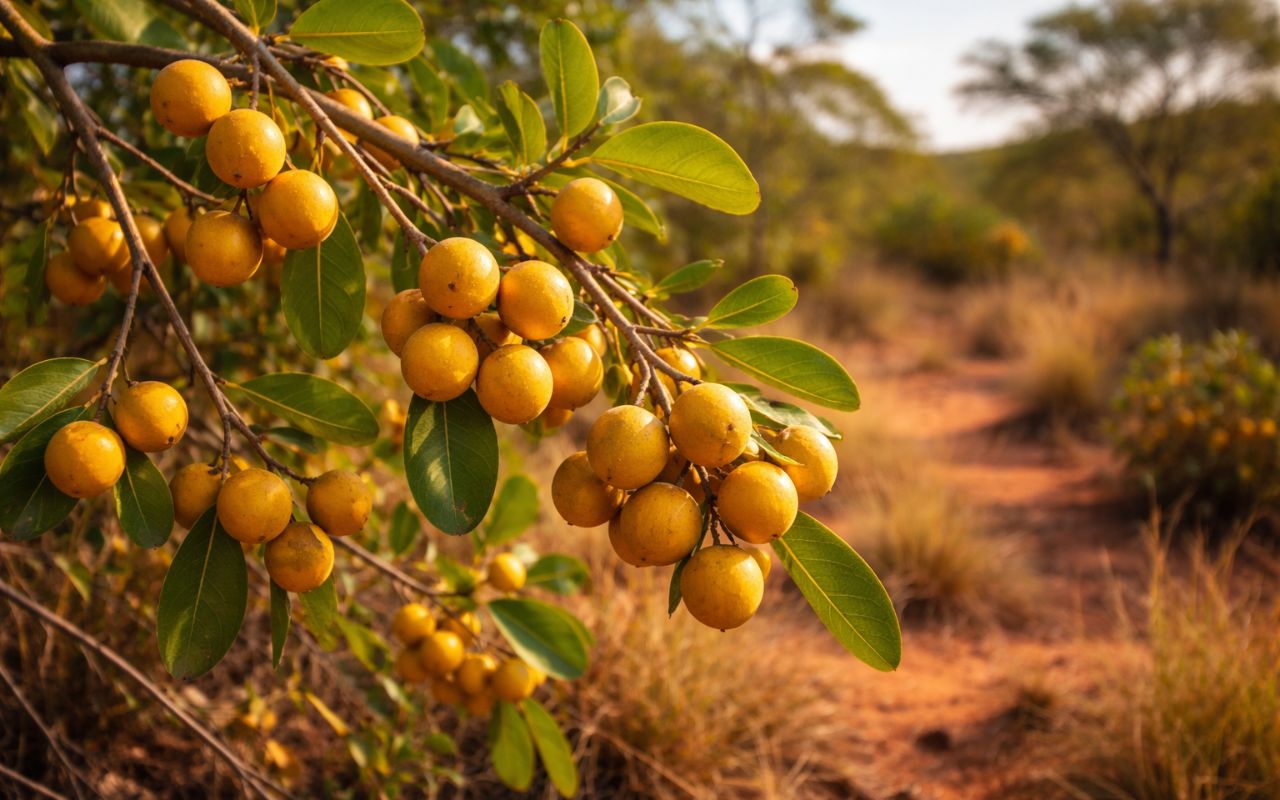

Mama-cadela, a native fruit of Chapada dos Veadeiros, is rich in pro-vitamin A, antioxidants, and fibers, with medicinal, culinary, and sustainable uses, promoting health and preservation of the Cerrado.
The fruit of the mama-cadela, native to Chapada dos Veadeiros, is starting to attract attention not only from scientists but also from nutritionists and chefs. Recent studies from the University of São Paulo (USP) show that the fruit is rich in pro-vitamin A, an essential nutrient for vision health, immunity, and skin.
In addition, it contains antioxidant compounds that protect cells and fibers that contribute to good intestinal function.
This combination of nutritional benefits has increased interest in its consumption and the sustainable use of the plant.
-
In the Caucasus Mountains, a Community Preserves a Language So Rare Few Outsiders Can Understand It

-
Slovakia’s Ice Cave Holds Over 110,000 m³ of Frozen Wonders, Boasts Walls Up to 27 Meters Thick, and Was Among the First Electrified Caves Globally

-
Street Cleaner Accidentally Receives $200,000 Transfer, Returns Unexpected Fortune to Rightful Owner
-
Australian Space Agency Investigates Six Mysterious Metal Spheres Found on Queensland Beach, Isolating Area Over Possible Space Debris Risk




Besides its nutritional value, the mama-cadela has great culinary potential. Its sweet flavor and fibrous texture allow for the preparation of jams, preserves, and artisanal recipes, adding economic value and expanding the presence of the fruit on Brazilian tables.
The exploration of the fruit and leaves of the plant helps to preserve the species, avoiding the use of the root, whose extraction can lead to the death of the plant, and ensuring the conservation of the Cerrado biome.
Learn everything about the mama-cadela
The fruit of the mama-cadela concentrates important antioxidants, such as flavonoids, phenols, tannins, and catechins, providing cellular protection and significant benefits for eye health.
Studies also indicate that the fruit has antifungal activity, with the ability to inhibit the growth of Candida albicans, reinforcing its functional value.
According to Dr. Andréa Alvarenga, a specialist in phytotherapy and medicinal cannabis, “it is a plant with multiple functions, going far beyond the already known traditional use.”
From traditional use to modern science
Historically, the mama-cadela is known for its medicinal use, especially in the treatment of skin pigmentation disorders, such as vitiligo.
Compounds present in the root, called psoralens and bergaptenes, have photosensitizing action, stimulating melanin production when combined with controlled exposure to ultraviolet radiation.
Dr. Alvarenga warns that improper use can cause severe skin lesions, emphasizing that this is not self-medication.
Today, studies are focused on the fruit, allowing for the safe and nutritional use of the plant, reconciling tradition and science.

Different parts of the mama-cadela are also used in teas, poultices, and traditional medicinal preparations, knowledge passed down through generations of local Cerrado communities.
Gastronomic and economic potential of the mama-cadela
The fruit of the mama-cadela is starting to be valued in gastronomy for its versatile flavor and functional properties.
In addition to jams and preserves, the fruit can be incorporated into artisanal recipes, opening opportunities for small producers and local cooperatives.
This approach promotes sustainable consumption and strengthens the regional economy while contributing to the preservation of the plant.
Conservation and sustainability
The slow growth of the mama-cadela and the exploitation of the root are significant environmental challenges. Therefore, the preservation of the fruit and leaves becomes a crucial strategy to ensure the survival of the species.
Chapada dos Veadeiros serves as a true natural laboratory, where biodiversity, traditional knowledge, and scientific research meet.
For Mércia Beatriz Miranda, president of the Veadeiros Association, “when research reveals the nutritional and functional value of Cerrado species, such as the mama-cadela, we show Brazil that preserving Chapada is taking care of health, biodiversity, and the future of the next generations.”
The scientific recognition of the mama-cadela highlights how native species of the Cerrado can unite nutrition, health, culture, and sustainability, serving as an example for environmental conservation, appreciation of local foods, and regional economic development.
With information from Ciclo Vivo


