





 Portuguese
  English
  Spanish
  4 min of reading
  0 comments


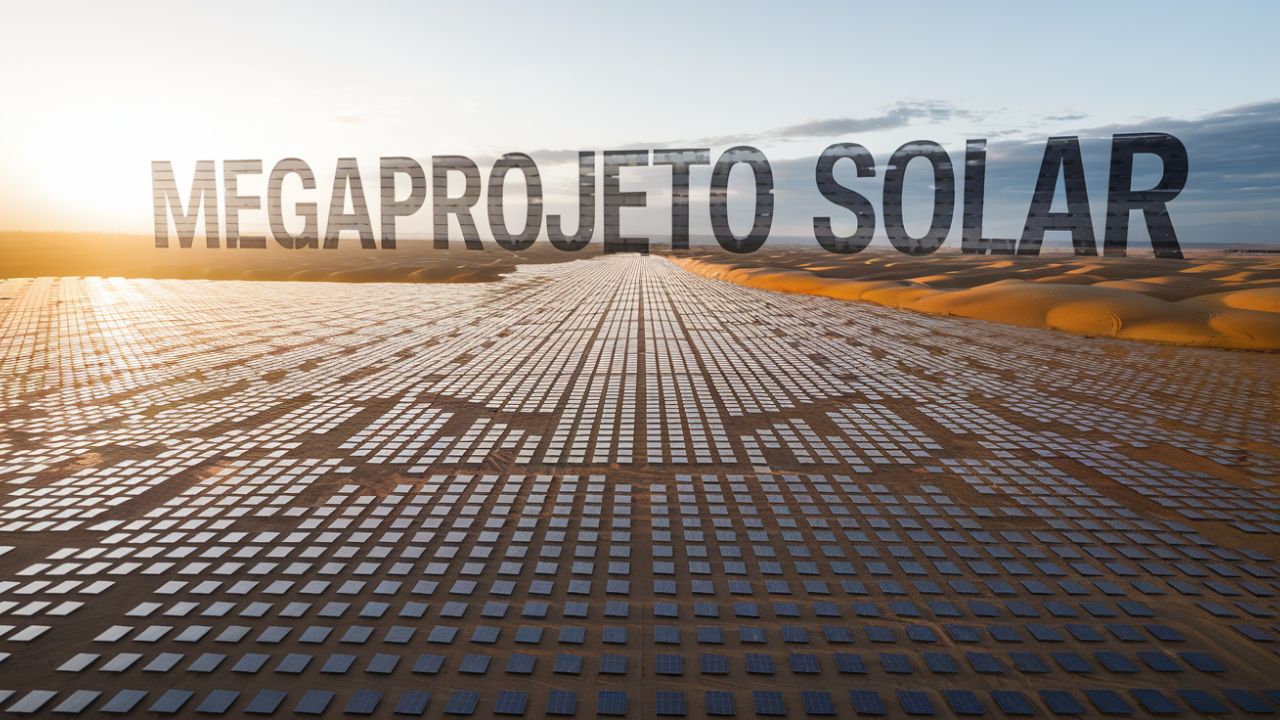
With 400 Kilometers of Planned Extension and Capacity to Generate Up to 100 GW of Clean Energy by 2030, China’s Solar Wall is Revolutionizing the Kubuqi Desert, Improving the Microclimate and Leaving NASA in Awe of Its Grandeur.
China is once again at the forefront of energy innovations with the construction of the Solar Wall, the largest photovoltaic park in the world. This energy colossus, located in the Kubuqi Desert, has attracted attention not only for its impressive numbers but also for its positive environmental impact. Images captured by NASA show how this project is transforming an area once known as the “sea of death” into a true solar oasis.
What Is China’s Solar Wall?
The Solar Wall is a megaproject for clean energy located in the desert of Kubuqi, China. This area, once marked by giant dunes and strong sandstorms, now houses solar panels that transform sunlight into electricity. With more than 400 kilometers planned, the installation currently has a capacity to generate 5.4 GW, but the goal is to reach 100 GW by 2030.
The Kubuqi Desert was known for its inhospitable conditions, with dunes reaching heights of 100 meters and winds that spread sand over large areas, even reaching Beijing and other countries. However, by installing solar panels, the region is experiencing significant changes, such as reduced evaporation and increased plant and microorganism diversity.
-
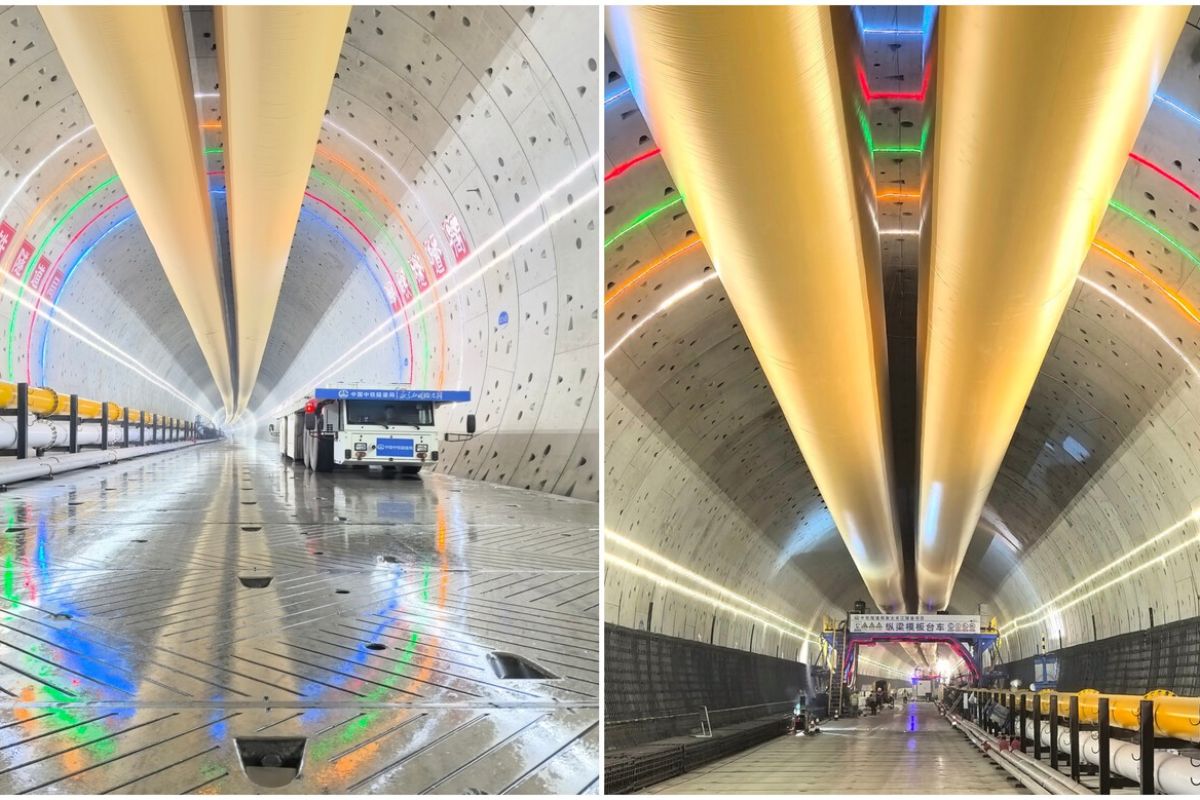
China completes the most critical section under the Yangtze River with the intelligent tunneling machine Linghang, excavating 11.32 continuous kilometers at depths of up to 89 meters and transforming the Chongming-Taicang tunnel into a landmark that redefines the scale of high-speed rail engineering in the 21st century.
-
The government of São Paulo surprises South America with a plan to transform the famous Ibirapuera with underground shops, air conditioning, and a 25-year concession in a billion-dollar project that expands the audience, alters a protected area, and provokes an immediate reaction.

-
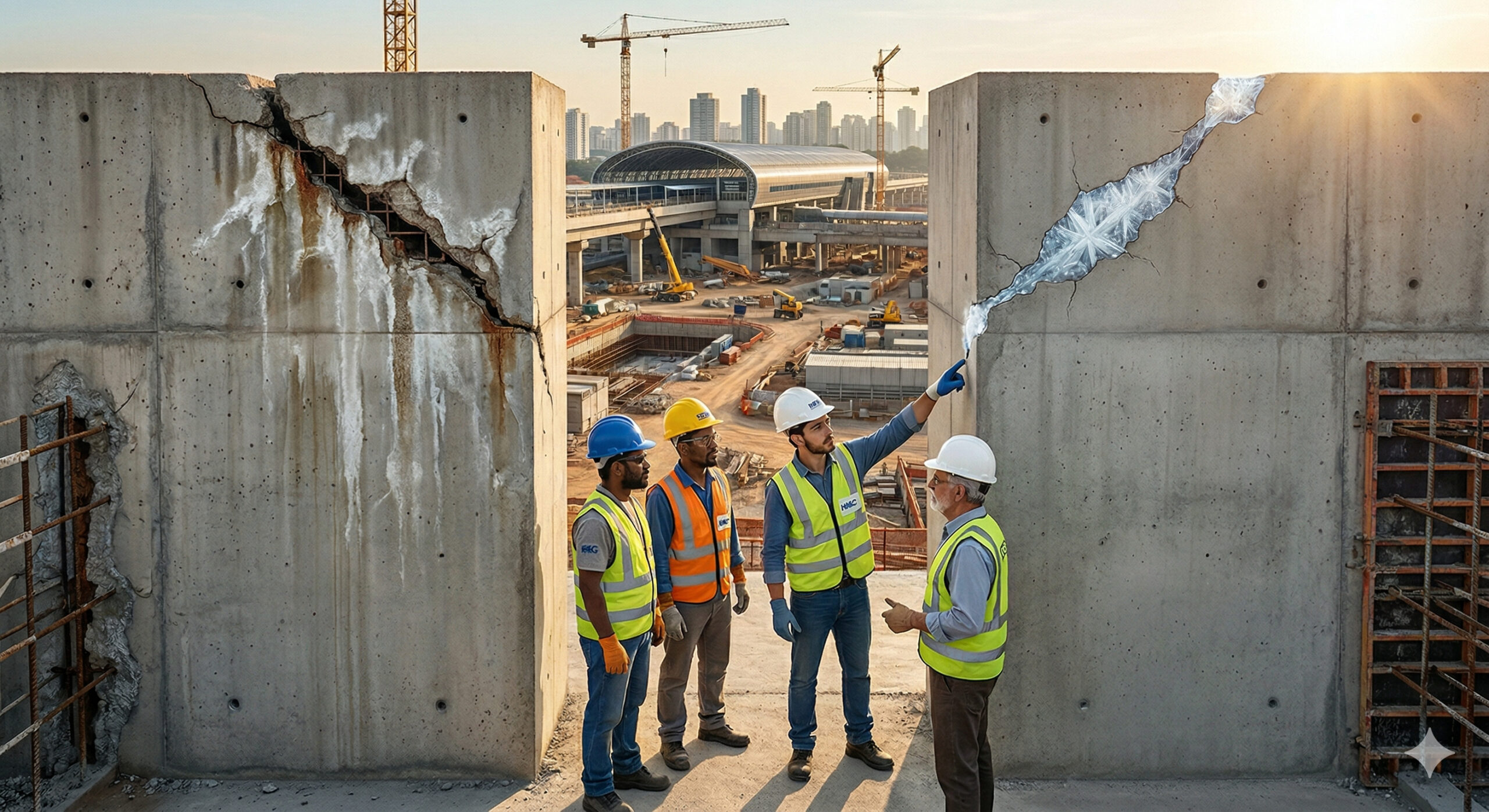
With a lifespan of up to 60 years and a cost up to 30% higher than conventional concrete, self-healing concrete is already being used in Brazil to eliminate leaks, reduce maintenance, and is changing the real cost of construction projects.
-
Engineered wood CLT challenges steel and concrete and promises construction that is up to 2x faster with a lower environmental impact in modern civil engineering.


Research shows that the project has a positive effect on the microclimate. The solar panels help improve moisture retention in the soil and, by reducing erosion, create favorable conditions for vegetation growth. This environmental advancement is a dual win, as clean energy also reduces the carbon footprint.
Why Is the Solar Wall So Important?

In addition to being a response to the rising energy demand, the project is a crucial step toward the decarbonization of China. The country, known for its reliance on coal, is now seeking cleaner and more efficient alternatives to meet its massive energy needs.
The panels used in the project use cutting-edge technology, such as bifacial modules that capture light reflected by the sand. The durability of the panels has been extended from 25 to 30 years thanks to a new glass coating. These advancements enable the plant to produce enough energy to supply hundreds of thousands of people.
Although China still heavily relies on coal, initiatives like the Solar Wall show that the energy transition is underway. It is expected that projects like this will accelerate the reduction of emissions, putting the country on the path to a more sustainable future.
The Progress of the Solar Wall in Numbers
The numbers of the Solar Wall are impressive and reveal the unprecedented scale of the project. Since 2017, NASA images have shown a visible transformation in the area, with a mosaic of panels extending for kilometers.
The plant currently operates with a capacity of 5.4 GW, enough to supply power to millions of people. However, when completed, the Solar Wall is expected to reach a capacity of 100 GW, a milestone that will solidify its position as the largest photovoltaic power plant in the world.
Comparing images from 2017 and 2023, NASA has shown the impressive progress of the project. The site, which was once just sand, now reflects sunlight in thousands of panels, creating a visual and functional spectacle.
Challenges and Opportunities in the Largest Photovoltaic Park in the World
Despite the advancements, the project faces significant challenges, such as continuing dependence on coal in China and the need to deal with the harsh climatic conditions of the desert.
Although the number of new coal plants has declined in recent years, China still needs to increase its production to meet growing domestic demand. This creates a paradox between the expansion of renewable energies and the continued use of fossil fuels.
The panels of the Solar Wall are designed to withstand the harsh conditions of the desert, such as sandstorms and extreme heat. These innovations not only ensure the project’s durability but also serve as a reference for other countries facing similar challenges.








-

2 pessoas reagiram a isso.