





 Portuguese
  English
  Spanish
  3 min of reading



In The Midst Of The Water Crisis In Brazil, Steel Frame Is A Sustainable Low Water Consumption Alternative For Civil Construction.
The construction sector is one of the most impactful on the environment worldwide, including water consumption. According to the Brazilian Council for Sustainable Construction, the sector is responsible for 30 to 40% of CO2 emissions and is considered the industry that generates the most waste on the planet. CO2 emissions from construction products generally result from two factors: energy consumed in the manufacturing process and direct emissions produced during that process.
See Also On Our Portal
In today’s world, it is no longer possible to ignore the need for sustainable construction. Ideally, sustainable construction begins with the building’s blueprint, considering the aspects that will later influence its classification. If possible, different alternatives should be evaluated, such as the type of structure and cladding, to then choose the most sustainable solution. Yes, it needs planning, knowledge of materials, and their life cycle – from manufacturing to final application. It should be a “Construction 5.0”, in direct reference to Industry 5.0.
Over the last two decades, various methods have been developed and applied to assess and certify the quality of a building or project, establishing its sustainability level. Their use is voluntary, but these assessment systems provide architecture with added value to compete in the market (LEED, GREEN STAR, WEEL, etc.).
-
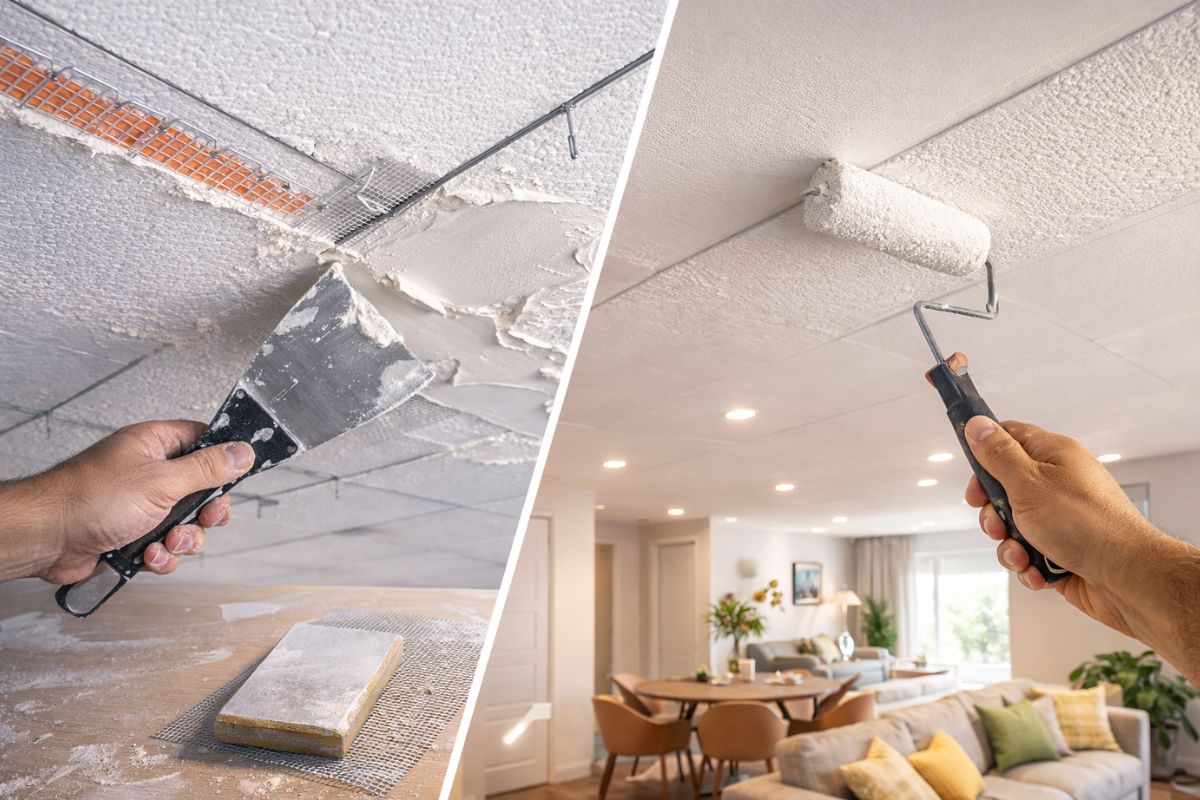
A trick with joint compound transforms a Styrofoam ceiling into a plaster-like ceiling: leveled panels, wires and mesh at the joints, sand, paint, and change the environment while spending little today.
-
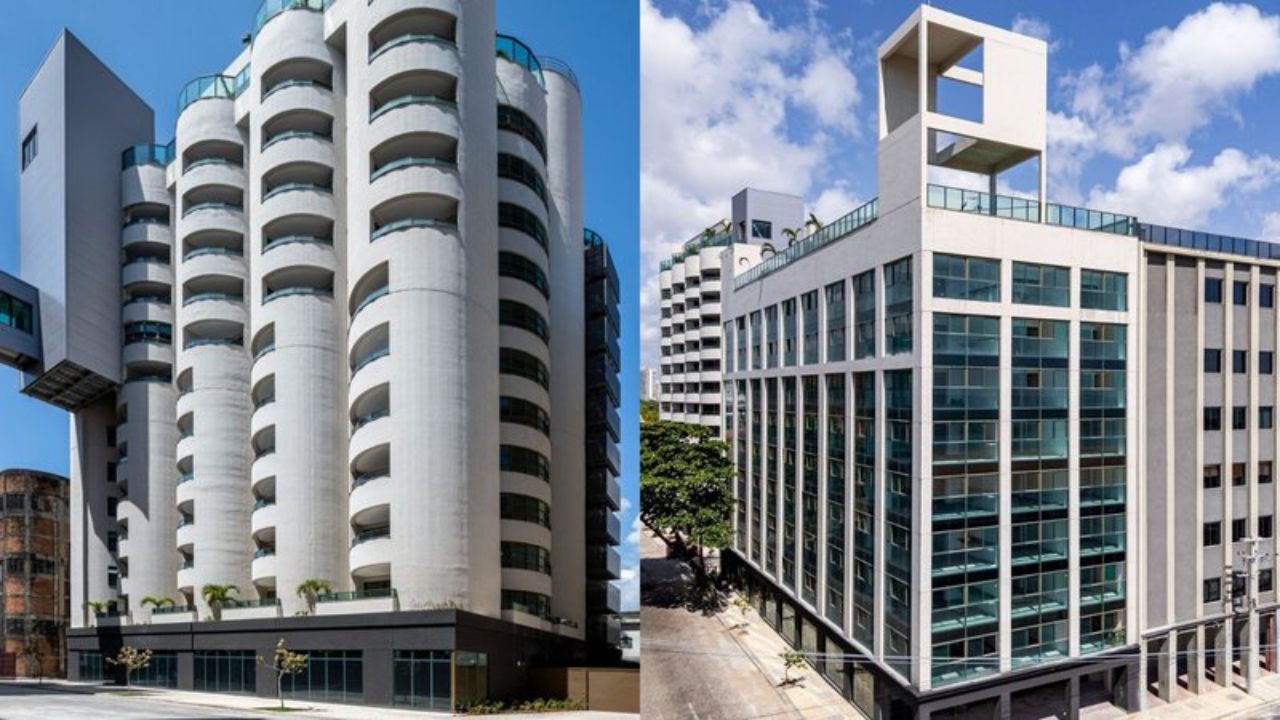
Abandoned for over a decade, century-old silos in the state of Recife have been transformed into 251 apartments with curved walls in one of the most complex retrofits ever done in Brazil.
-
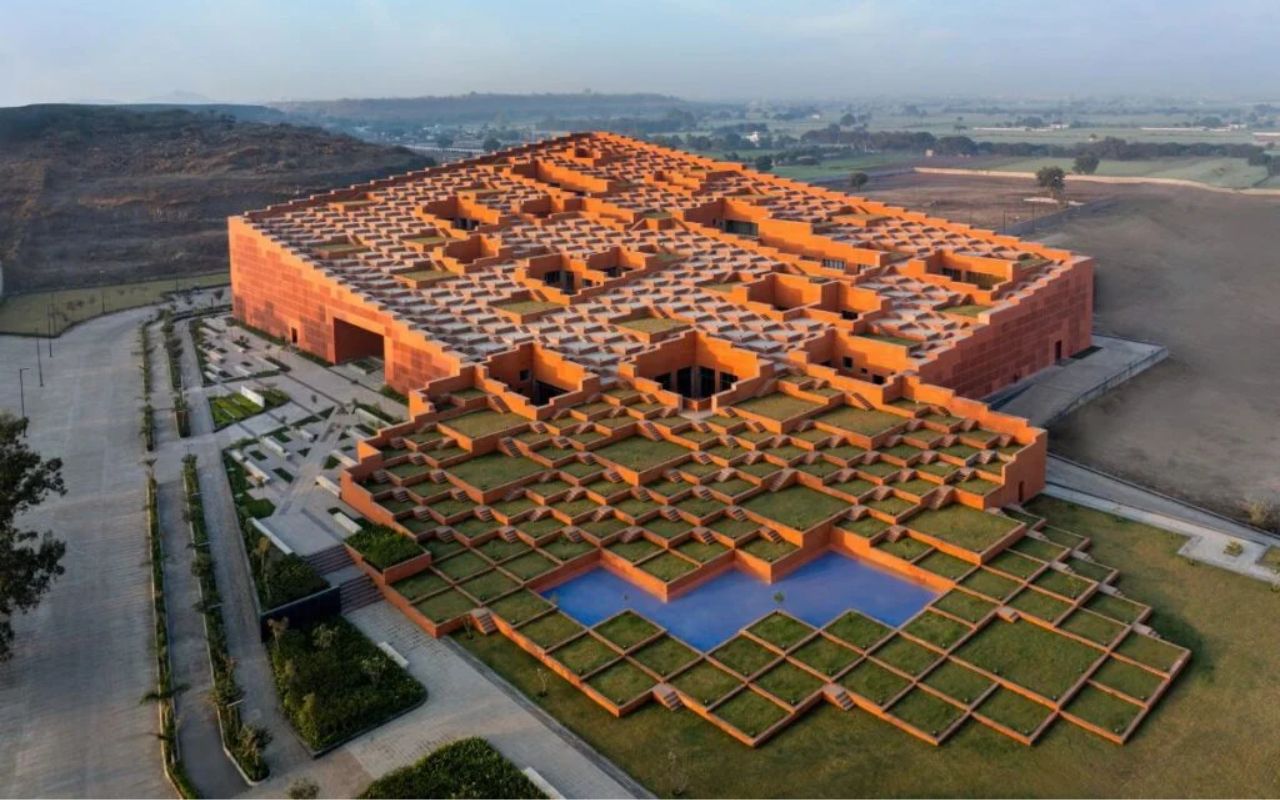
Inspired by millennia-old structures, a “differentiated” roof with 463 levels and a capacity for 9,000 people was built on top of a building in India; the tiered roof is almost a kind of giant garden of 9,000 m², reducing energy consumption and promoting interaction among students of Prestige University.
-
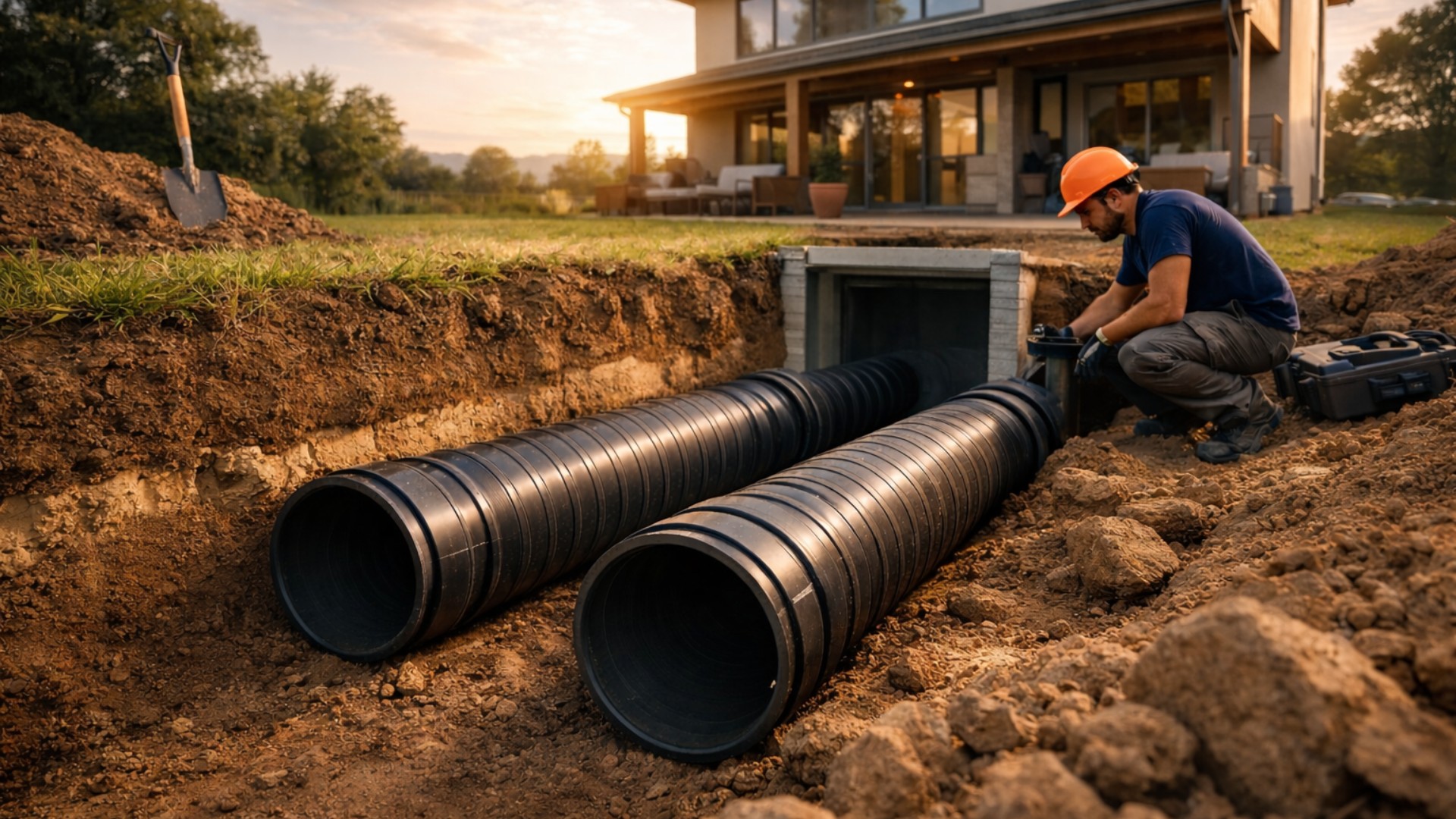
Architects are burying plastic pipes 2 meters deep and using ducts up to 30 meters long to cool homes without electricity, with low-consumption fans and natural heat exchange that drastically cuts the electricity bill.
Some parameters that can be useful for evaluating the choice of a material, according to its life cycle, include analyzing what impact this material will have over time and according to its attributes or properties, whether quality and performance; chemical composition; improvement of indoor environmental air quality; fire behavior; conservation, energy savings and energy efficiency; durability; degradability or compostability of the material.
The Role Of Materials In The Sustainability Of Construction 5.0
The selection of materials should be considered a transformative attitude, based on criteria that prioritize people’s health, environmental care, and planet preservation. The use of materials such as steel and thermal insulators, which fulfill all the functions required of a construction with less mass, is a significant contribution to mitigating climate change.
It is important to keep in mind that not all materials considered recyclable contribute equally to sustainability. In addition to the potential for recyclability and its percentage, it should be considered whether there is an established circuit for its recovery and recycling. Steel, in its various forms, not only has the possibility of reuse, but there is also a scrap recovery circuit that allows its use in the manufacturing of new steel. Another important aspect to consider is that steel is 100% recyclable and does not retain memory of previous uses. What is currently the body of a car will become a profile, and that profile, if not reused, will turn into a refrigerator.
Environmental awareness grows every day, and construction is not immune to this. Planning the sustainability of buildings is a factor that must be treated as a priority.
By Gonzalo Raspini, Director Of Barbieri Do Brasil







Seja o primeiro a reagir!