Portuguese
  Spanish


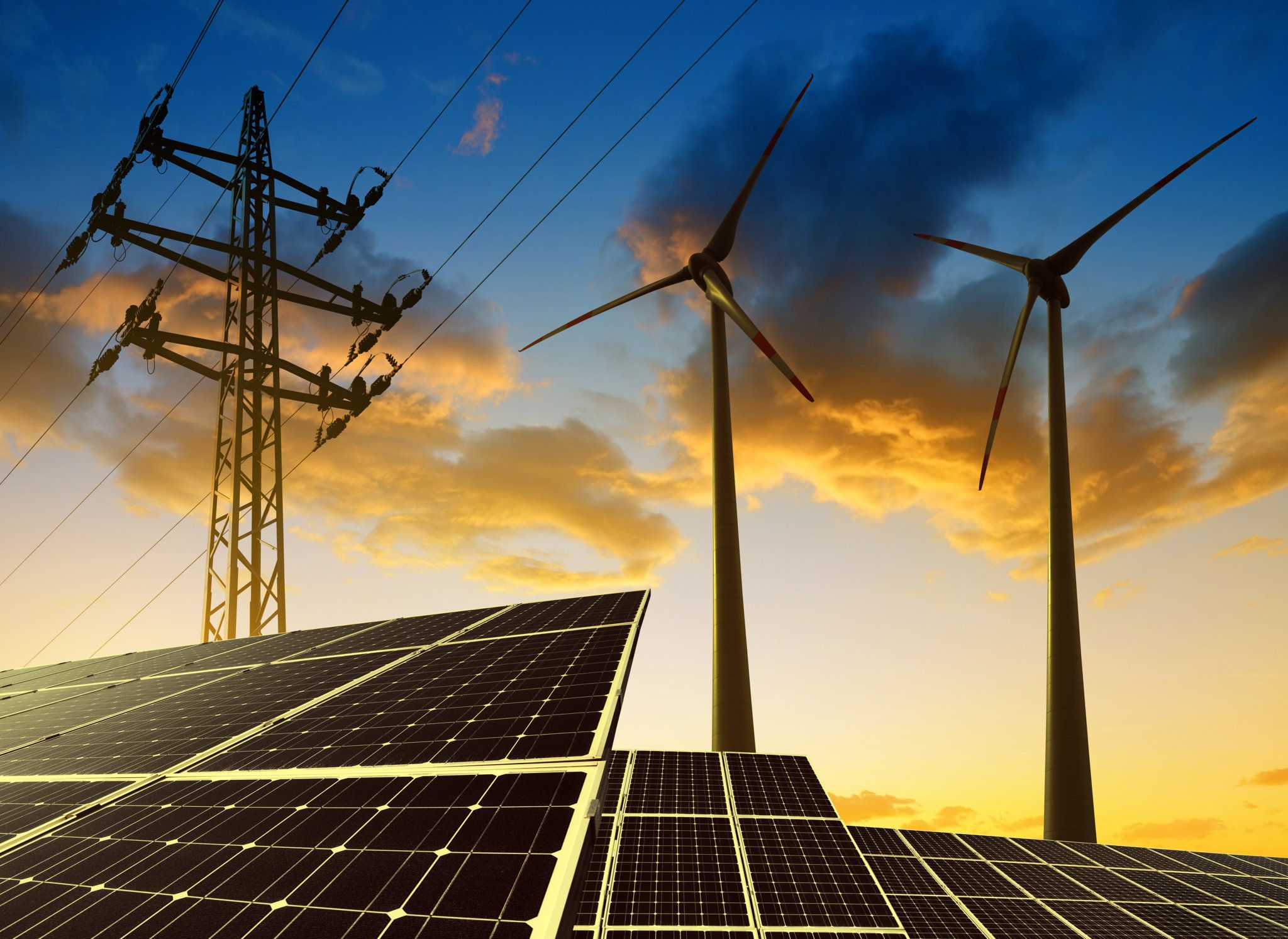

With a 150% Annual Increase, Renewable Energy and Investments in Solar Power Plants Have Become an Alternative for Brazilian Companies and Municipalities.
It is a fact that renewable energy is a choice; if we look closely, more than half of Brazilian municipalities already utilize solar energy in their homes, and besides being a great alternative for consumers, with the reservoirs of hydroelectric plants at extremely low levels, it is certain that it will be more expensive, so solar energy is an efficient and, above all, clean solution.
Also Read
Solar Energy is a Great Alternative for Municipalities in Cost Reduction
In the midst of a crisis in the economic sector and a decline in income, the Brazilian people are beginning to explore renewable energy. Solar energy serves as a great and effective alternative for cost reduction and access to clean energy.
According to data from Aneel, which shows that the country already has 389,000 systems with installed solar panels, with an annual growth of 150% in the number of systems and effective coverage in 90% of the municipalities in Brazil. Among the installed systems, residential accounts for 72.3% of the total, followed by commercial areas at 17.7%, rural at 6.9%, and industrial at 2.65%.
-
Fired during apartheid and with a little borrowed money, an electrician started with a borrowed truck and transformed electrical services into a group connected to energy, real estate, and infrastructure in South Africa.

-
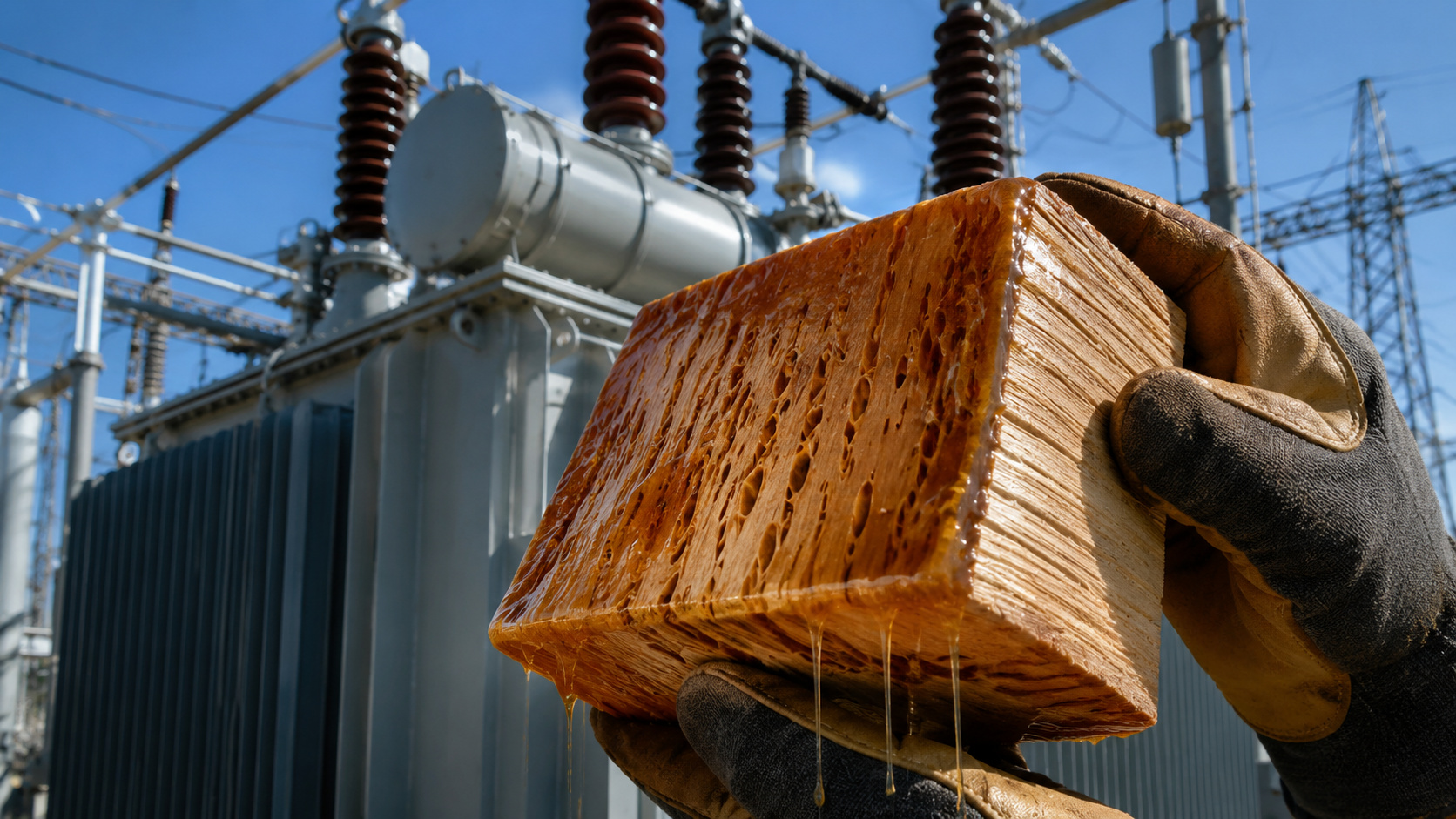
Wood has ceased to be just a construction material in Yale research and has become insulation for electrical transformers that face intense heat, aging, and increasing pressure from the renewable energy-powered grid.
-
More than 1,000 residents of a remote island in Kiribati now have clean water and electricity with solar systems operated by the community itself.
-
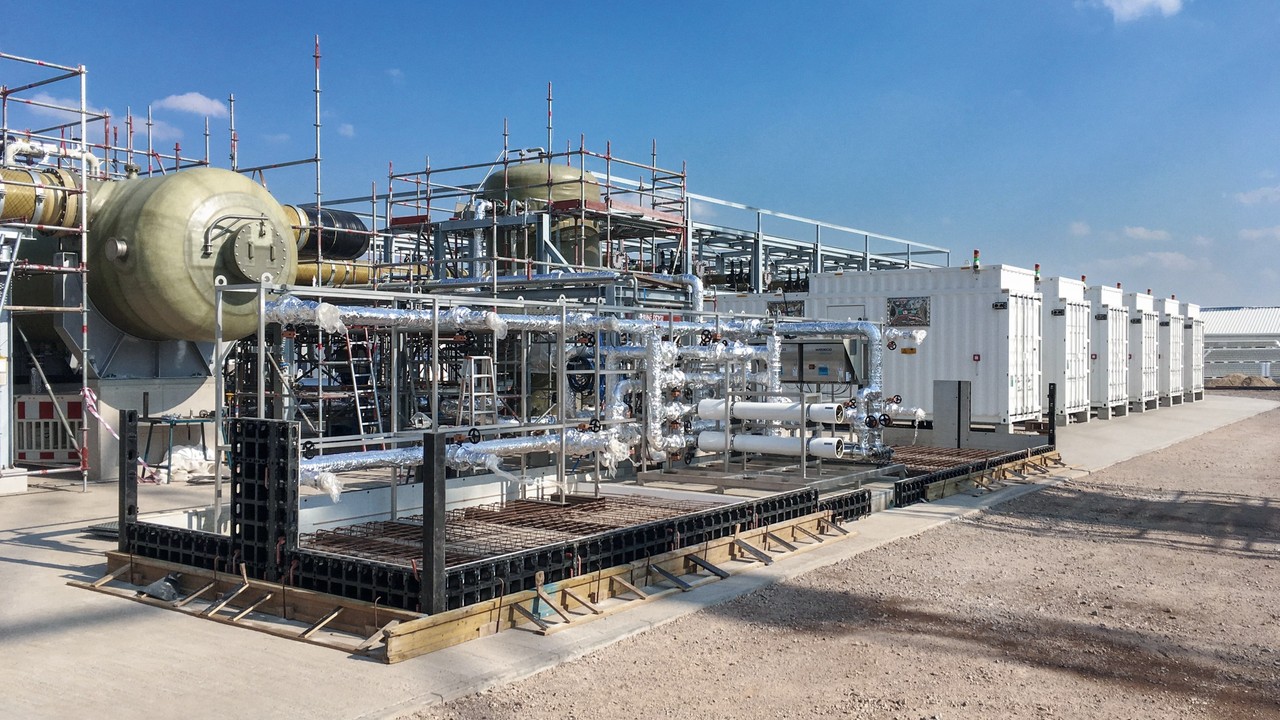
Ceará brings together 7 giants and R$ 66 billion to transform Pecém into the largest green hydrogen hub in Brazil, with final decisions expected by the end of 2026.



Renewable Energy: Deployment of Solar Panels Reduces Electricity Costs in Municipalities
The implementation of the solar energy capture system allows municipalities and others to reduce electricity costs since they begin to buy less energy from distributors and generate credit with the renewable energy generated and not consumed.
The ease of access to this type of renewable energy may increase, as Federal Law PL 5.239/2020, which provides lines of credit at low-interest rates for disadvantaged families to acquire renewable energy equipment, is pending in the Federal Senate, prompting consumers and entrepreneurs to pay attention to the quality requirements of these devices.