





 Portuguese
  English
  Spanish
  3 min of reading
  9 comments


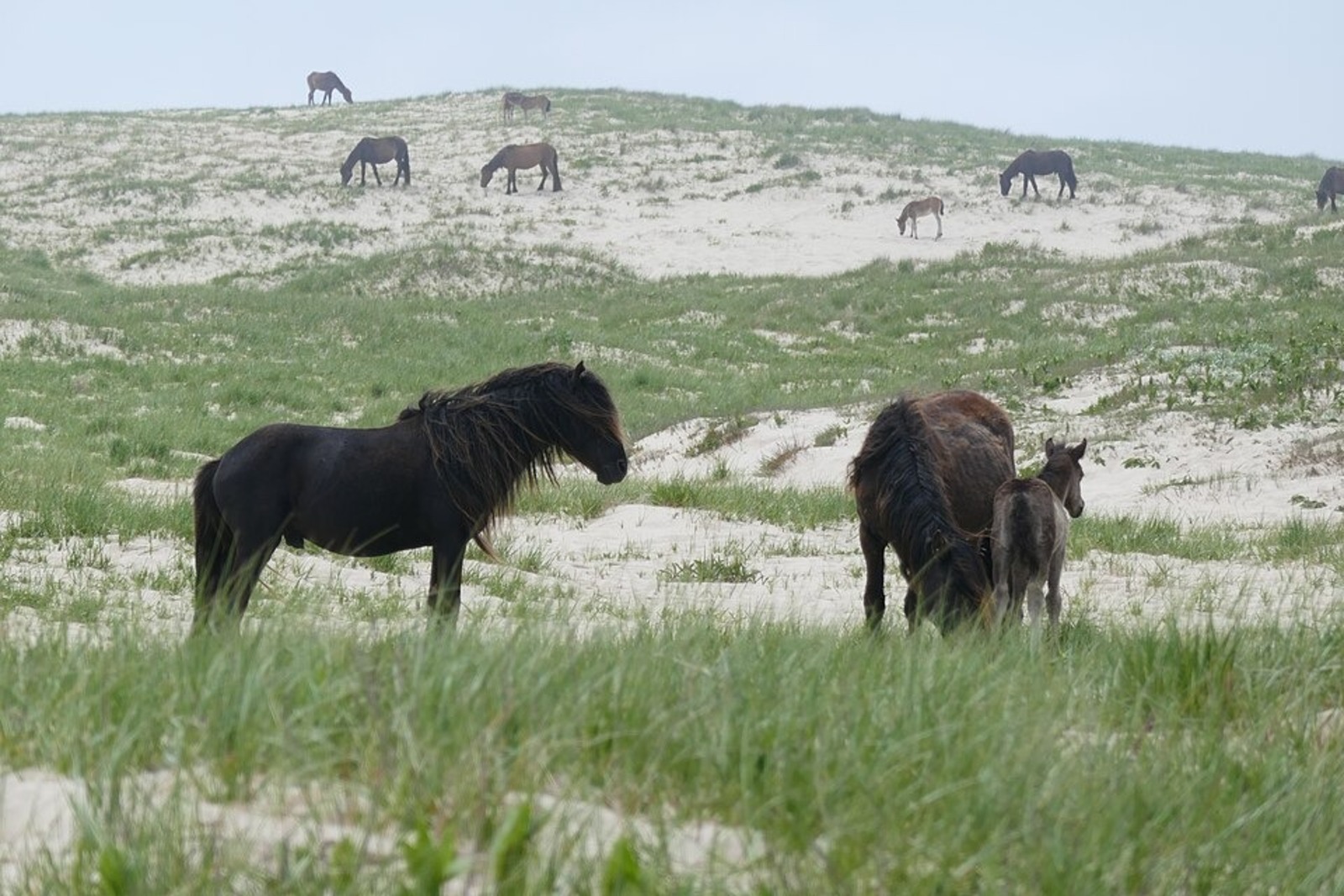


Isolated in the North Atlantic, Sable Island Preserves Moving Dunes, Wild Horses, and a Fragile Ecosystem, Requiring Special Permission and Strict Protocols for Any Visit
Isolated in the North Atlantic, there is an island where time seems to slow down because isolation dictates the rhythm of life. Located about 175 kilometers off the coast of Nova Scotia, Canada, Sable Island combines rare beauty, environmental fragility, and strict rules for those who step foot there.
Entry only happens with special permission. Visitors must disinfect their shoes, ensuring no external organisms are brought to the vulnerable soil.
One reason for such care lies in the unique ecosystem. There are no mosquitoes, snakes, or ticks.
-
A Mercado Livre customer opened their package and found 32 resumes of people looking for jobs crumpled as protective paper inside the box, exposing names, addresses, documents, and phone numbers of dozens of candidates.

-
Iceberg A23a, one of the largest in the world, is undergoing accelerated collapse and may disappear: what explains the end of the ice giant?
-
The simplest swap at home can reduce energy consumption by up to 90% without changing habits, using a technology that lasts up to 25 times longer and consumes only a fraction of the electricity.

-
With over 14 million baskets of earth moved, an ancient North American metropolis built a monumental pyramid of 30 meters and established a city with 20,000 inhabitants nearly a thousand years ago.

Wild horses roam the dunes, reinforcing the sense of an untouched environment. Only one tree has managed to grow in that sandy soil.

A Narrow Strip Surrounded by Open Sea
Sable Island, also known as île de Sable, measures 45 kilometers in length and is only 1.5 kilometers wide at its widest point. It is a narrow strip constantly shaped by the forces of the weather.
Since 2013, it has become a protected national park. Fewer than 10 people maintain permanent residence.
The scenery is dominated by moving dunes and natural freshwater lakes. The highest elevation is called Bald Dune and reaches about 30 meters in height.
The island is not static. Strong winds and powerful tides reshape the terrain because the soil is entirely sandy. Over time, some sections have disappeared, reducing the original length.
Wild Horses and a Past of Resilience
The wild horses are one of the island’s most striking symbols. It is estimated that around 560 animals live freely, forming one of Canada’s most impressive sights.
The origin of the group is still debated. Some believe the animals arrived after a shipwreck, while others argue that ancient residents brought them.
In 1959, everything nearly changed. The government considered removing the horses, citing the need for environmental preservation. The decision mobilized children from various countries.
Letters requested the animals’ retention because they were already part of the local identity. Global pressure worked, and the horses became legally protected.

Resilient Life in an Extreme Climate
Despite the hostile environment, life persists. The harsh climate prevents dense vegetation from forming, but adapted species find refuge in isolation.
Among them is the colony of gray seals. Each year, around 50,000 pups are born in the sands.
Moreover, the absence of predators and the lack of common insects, such as mosquitoes and ticks, help maintain the ecosystem’s balance.
This balance depends on constant care. Therefore, visitors undergo shoe disinfection. Any contamination can compromise the system.
Tragic Stories in the Atlantic Cemetery
Sable Island also carries a grim title: the Atlantic cemetery. It is estimated that approximately 350 vessels have sunk in the region.
The causes lie in the dangerous conditions. Submerged sandbanks, dense fog, and the convergence of the Labrador and Gulf currents make navigation risky.
To reduce tragedies, the Canadian government installed the first maritime rescue station in 1801. The actions helped decrease accidents.
The last recorded shipwreck occurred in 1999. Since then, access has remained controlled and only authorized with special permission.

A Landscape Redesigned by the Wind
Sable Island remains one of the most protected places in the world. The wind reshapes the dunes, the horses run wild, and the environment remains preserved because every detail is treated as unique.
An island that lives in constant transformation and continues to arouse curiosity for what it manages to preserve in the middle of the Atlantic.
With information from ND Mais.




Muit9 bom o grau de eficiência desta pag
Se ficar recebendo visitas da humanidade, já tacam fogo no pouco capim, cortam a única árvore e colocam os cavalos pra puxar carroça e participar involuntariamente de romaria/rodeio/outras ****.
Romaria !
Muito bom
Com certeza!
Exatamente. Principalmente o ser humano de hoje, em sua maioria, declina o respeito ao que é bom, naturezamente falando.
Eu gostaria de morar nessa ilha. Sem celular. Só com uma TV, uma vara de pesca e uma cafeteira.
Eu também Marco Aurélio
Se vc conseguir quero ir junto… faço o café e os peixes🙏🙌😁❤️
Pronto… Já começou o perigo… já não está mais segura… rsrsrsrsrs