





 Portuguese
  English
  Spanish
  3 min of reading
  0 comments


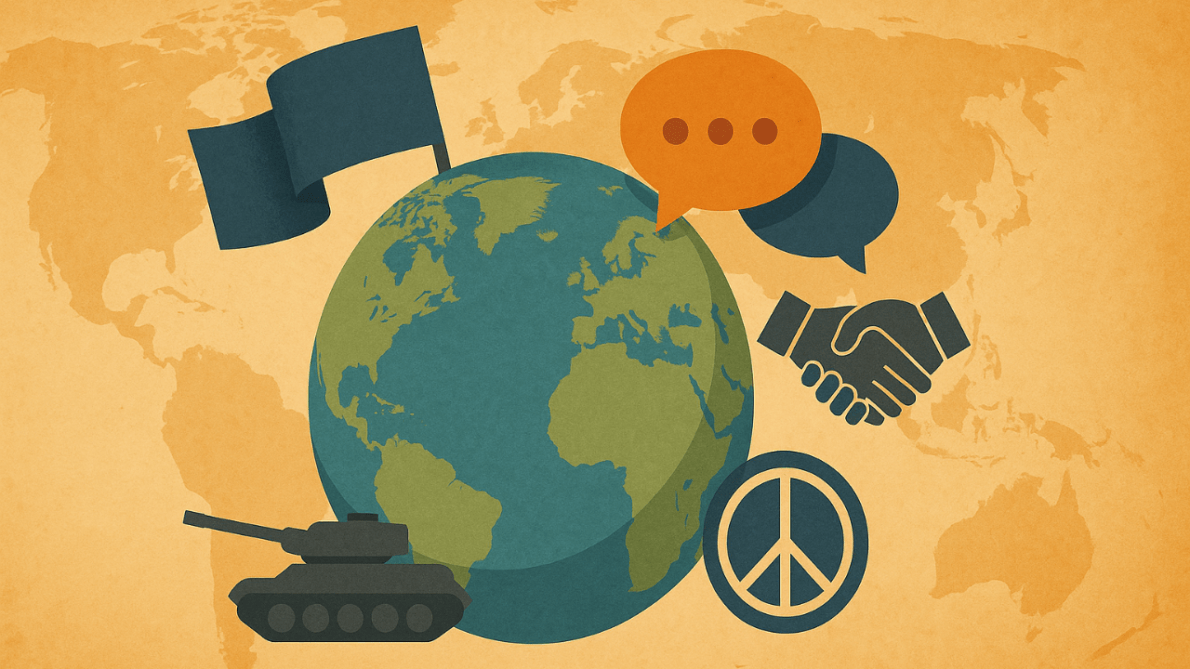
What Is Geopolitics, Its Origin, Evolution, and Importance in Relations Between States? Understand How Geography Influences Global Politics!
After all, what is geopolitics and why has it become an essential field for understanding the global political landscape?
In a world where states compete for influence and power with every move, geopolitics emerges as a key to interpreting international relations, military strategies, economic conflicts, and territorial disputes.
With roots tracing back to the early 20th century, this field of study is increasingly relevant — especially in times of global tension, like those we are currently experiencing.
-
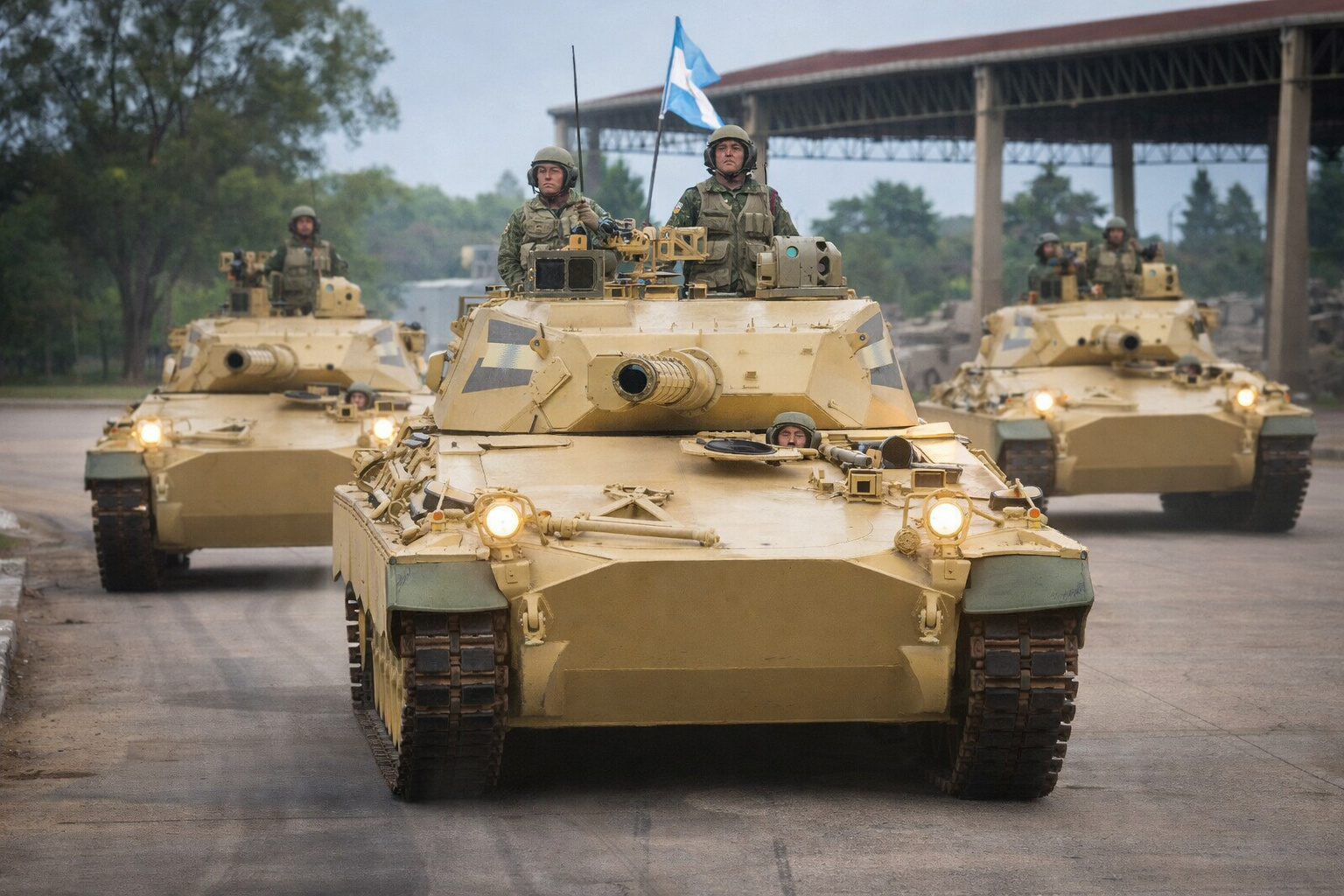
While no other country manufactures tanks in Latin America, Argentina activates the TAM 2C-A2 and raises a curiosity about the technological lag in the region.
-
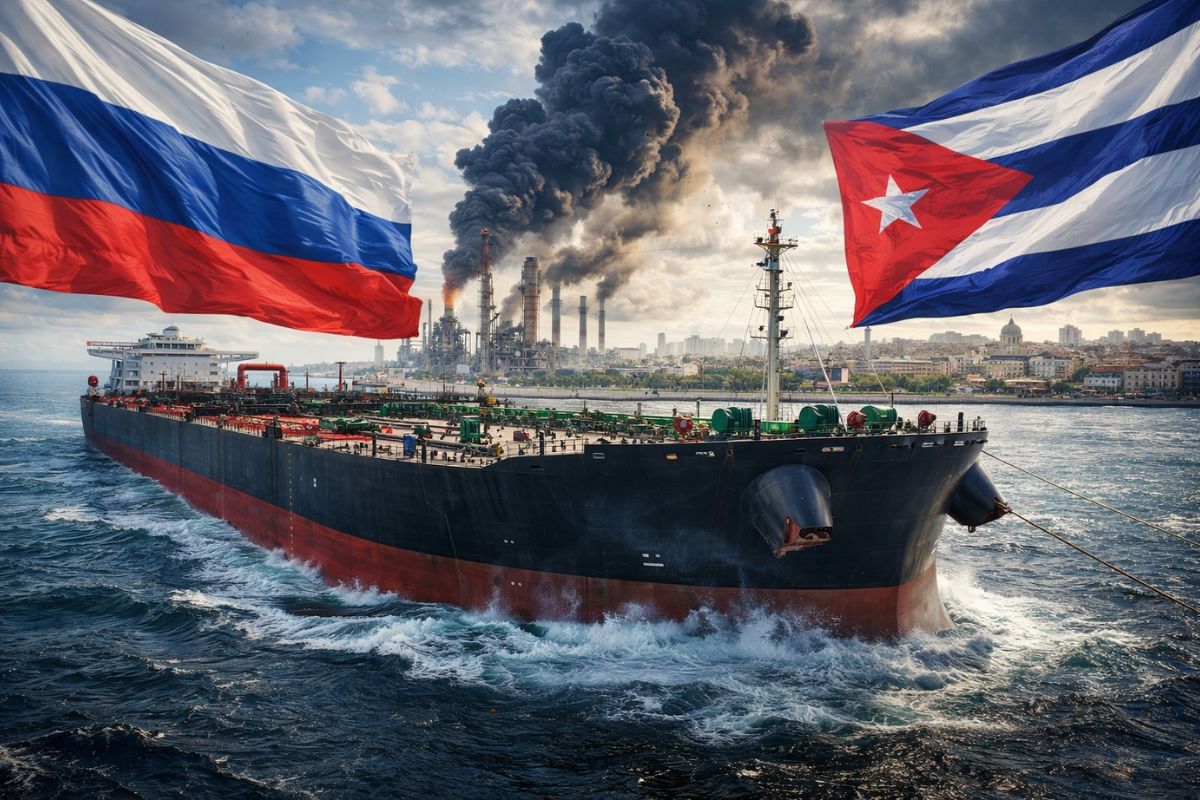
A Russian ship with 730,000 barrels of oil has just arrived in Cuba while Mexico negotiates fuel sales through private companies: the communist island is desperately seeking alternatives after losing its supply from Venezuela due to American military action.
-
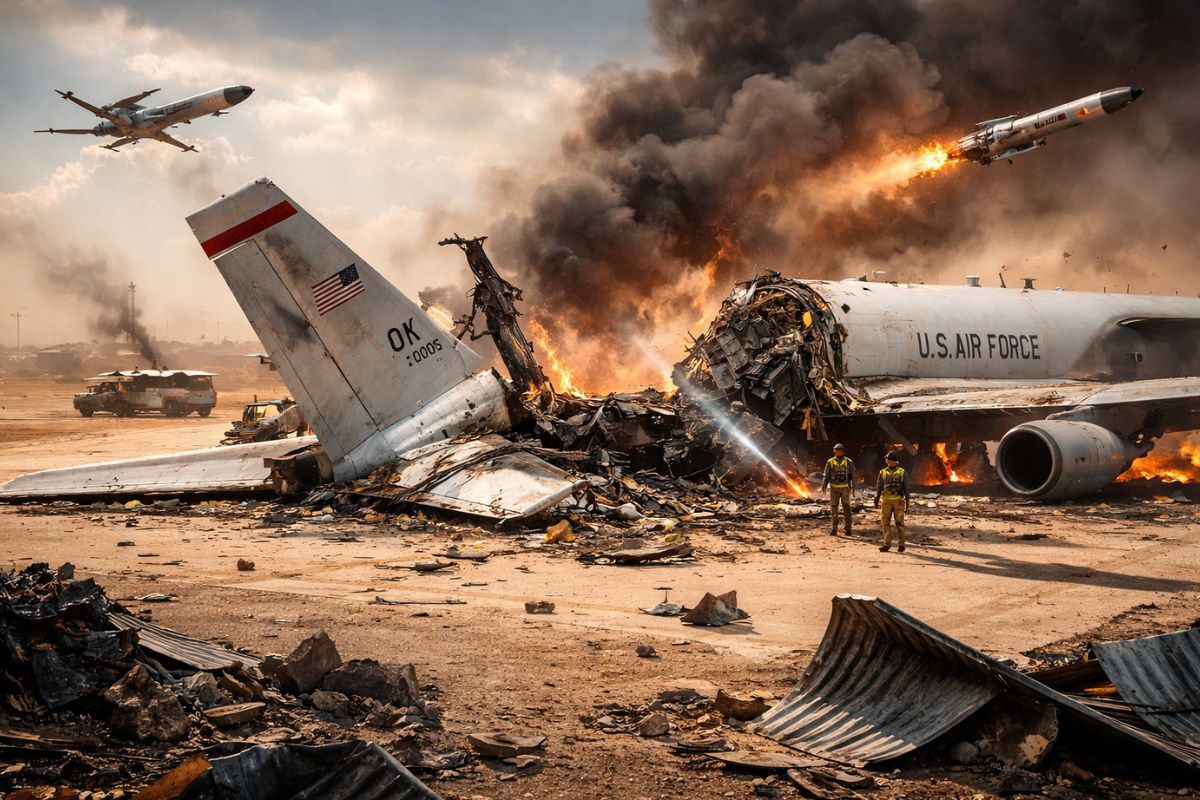
Iranian drones and missiles destroyed a 270 million dollar American spy plane in Saudi Arabia, splitting the E-3 Sentry aircraft in half and injuring 12 military personnel in an attack that exposes the vulnerability of U.S. bases in the Persian Gulf.
-
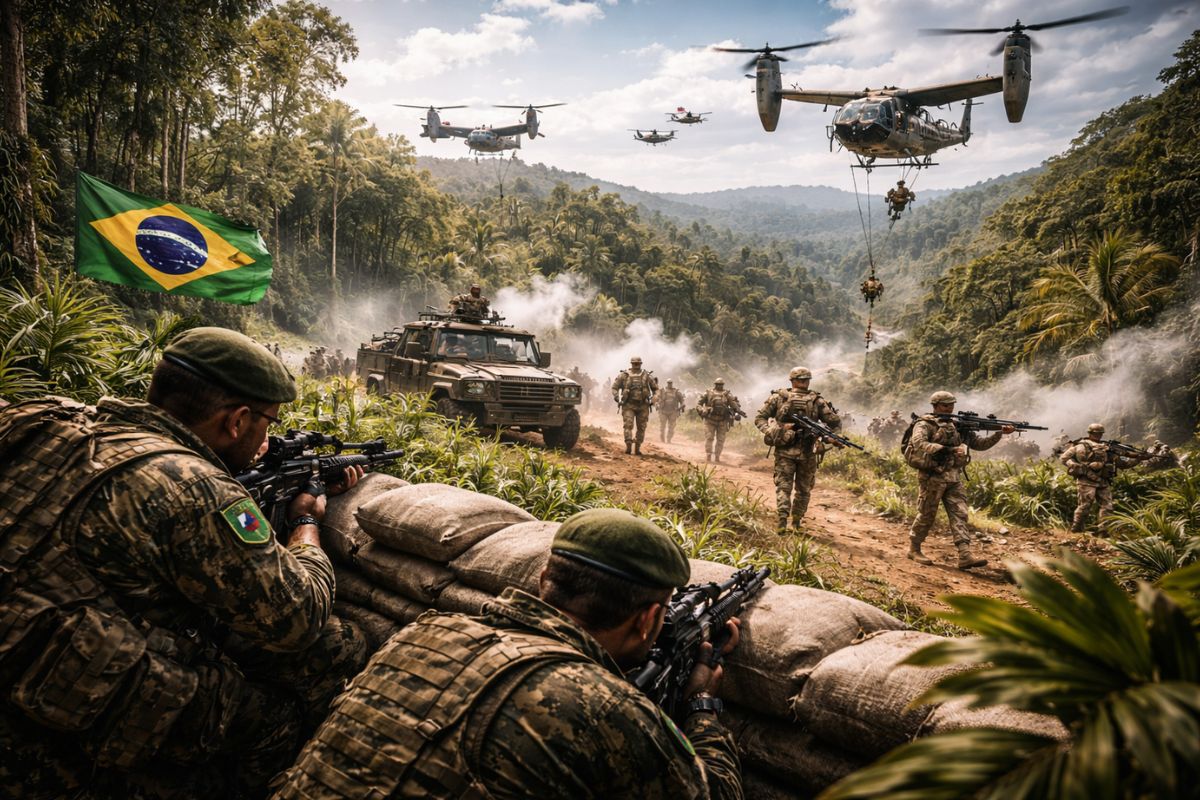
If the USA were to go to war with Brazil, Washington’s greatest fear would not be the attack itself, but facing a vast territory, prolonged resistance, and a costly, chaotic, and unpredictable occupation.

In this article, you will understand the origin of geopolitics, its historical evolution, and the strategic role it plays for Brazil and the world.
What Is Geopolitics?
Geopolitics is a branch of knowledge that analyzes the influence of geography on international politics and the conflicts between states.
It seeks to understand how geographical aspects — such as location, natural resources, borders, and trade routes — impact political decisions and global strategies.
In practice, this means studying how countries use their territorial conditions to expand their power, form alliances, and, often, justify interventions or disputes.
Geopolitics investigates, for example, why certain regions are recurring targets of conflicts or the role of a country in economic and diplomatic blocs.
Geopolitics vs. Political Geography: Understand the Difference
Although they are interconnected, geopolitics and political geography are not synonymous. Political geography focuses on the internal organization of states, analyzing territorial limits, administrative divisions, and systems of government.
On the other hand, geopolitics has a broader and more dynamic view, focusing on interactions between different states and the global effects of those relationships.
In other words: while political geography looks “inward” at the country, geopolitics observes the “game” between nations on the international stage.
The Origin
The term geopolitics was coined by Swedish political scientist Rudolf Kjellén in the early 20th century. He proposed the idea that the state should be analyzed as a living organism, constantly competing for space and power.
This concept arose in a context marked by territorial disputes in Europe and was strengthened by the world wars.
During World War II and the Cold War, geopolitics gained even more relevance.
At that time, ideological issues, such as the clash between capitalism and socialism, directly influenced military strategies and diplomatic alliances, shaping the world as we know it today.
Geopolitics in Brazil: A National Overview
In Brazil, geopolitical studies began to gain traction during the 20th century, especially within the Armed Forces, who viewed geopolitics as a tool to ensure sovereignty and protect the vast national borders.
Industrialization and agricultural expansion altered Brazil’s position on the global stage, bringing the country closer to strategic trade blocs.
The redemocratization of Brazil also marked a new phase in foreign policy. The country began to act with more prominence in the international arena, integrating Mercosur and, later, the BRICS group — alongside Russia, India, China, and South Africa.
These movements highlight Brazil’s role as an active agent in international relations and its interest in maintaining a multilateral foreign policy.
What Does This Topic Study?
The central themes of geopolitics include:
Military conflicts and wars;
Territorial and border disputes;
Diplomatic and trade agreements;
Power relations between states;
Action of international organizations like the UN and NATO;
Influence of economic blocs such as the European Union, BRICS, and Mercosur.
These topics help to understand not only the behavior of countries in the present but also to project possible future developments in international relations.
Global Geopolitical Landscape: Challenges of the 21st Century
Today, the world is experiencing a period of multipolarity, where different centers of power compete for influence — such as the United States, China, European Union, and Russia.
The conflict between Russia and Ukraine is a clear example of the complexity of the current landscape, involving geostrategic interests, economic disputes, and historical legacies.
Furthermore, tensions in the Middle East, advances by China in Asia, and global trade disputes show how geopolitics remains an essential tool for interpreting the directions of international politics.






-

2 pessoas reagiram a isso.