





 Portuguese
  English
  Spanish
  5 min of reading
  8 comments


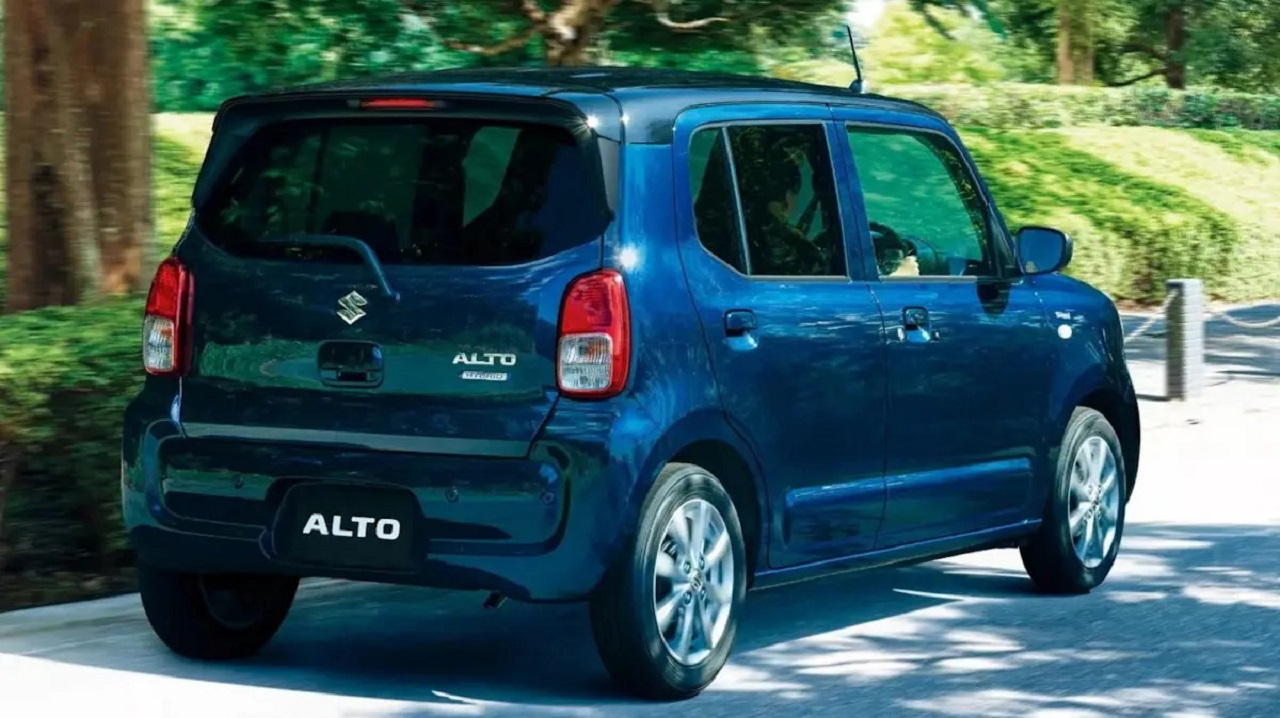


The Suzuki Alto Was Relaunched in Japan with a Renewed Look, Fuel Economy of 28 km/l, and a Starting Price of R$ 42,000. A Clear Lesson for Brazilian Popular Cars.
While compact hatchback prices soar in Brazil and consumers deal with cuts in equipment, old engines, and questionable fuel consumption, Japan provides a true lesson on how to create an efficient, affordable, and appropriately technological urban car. We are talking about the Suzuki Alto, a Japanese hatch that, despite being small, demonstrates that popular cars can — and should — be smart, economical, and visually appealing. Now, in its 2025 lineup, Suzuki’s new car comes with a slight redesign, even more efficiency, and a price that inspires envy: the equivalent of just R$ 42,000 for the entry-level version.
This is the ninth generation of a model that, even far from Western spotlights, remains one of the favorites on Japanese streets — and a symbol of how the industry can evolve without abandoning the basics done well.
A Discreet Yet Functional Facelift
The Suzuki Alto Relaunched in Japan does not bring visual revolutions. After all, that has never been its role. But the changes made in the 2025 lineup show attention to detail: the front has been redesigned with a new grille that resembles a mustache — subtle yet striking.
-
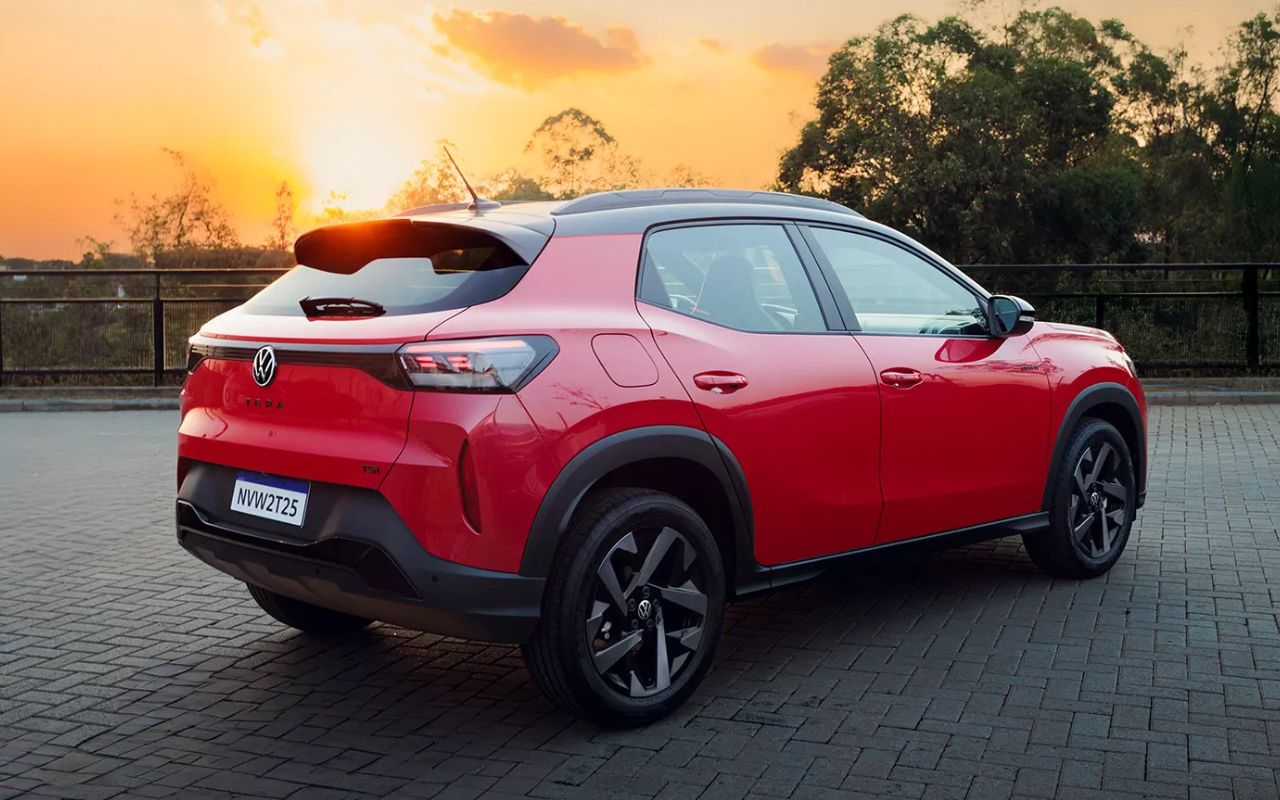
It surpassed the T-Cross, Creta, and Tracker: with nearly 8,000 units sold, the Volkswagen Tera was the best-selling SUV in March 2026.
-
Honda performs miracles in fuel consumption with a hatch that marks 13.2 km/l in the city and 15 km/l on the highway, leaving Polo, HB20, 208, and Onix behind and becoming a reference among compact cars without resorting to turbo or hybrid systems.

-
Six diseases that seem common but can prevent the renewal of the driver’s license for the elderly throughout Brazil and surprise experienced drivers — could any of them affect you without showing clear signs?

-
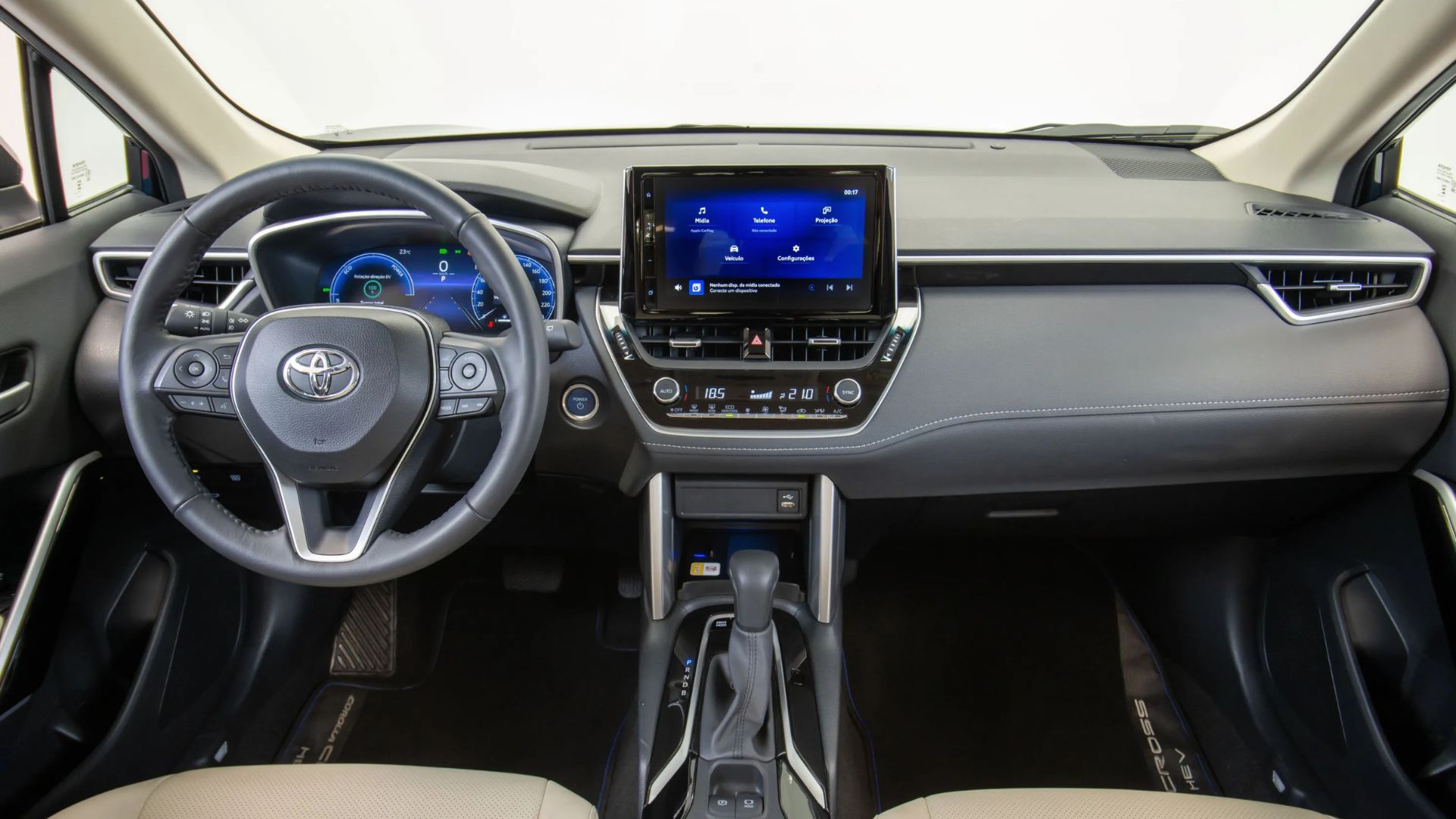
With 122 hp, fuel consumption of up to 17.7 km/l, and a trunk capacity of 440 liters, this hybrid SUV impresses even though it costs up to R$ 47,000 more than the Yaris — meet the Toyota Corolla Cross.

The air intakes have been reshaped, and the front bumper has adopted smoother forms that integrate seamlessly with the rest of the body.


At the rear, the main change is a discreet roof spoiler, which adds a sporty visual touch while serving a practical function: according to Suzuki, the new aerodynamics further improve fuel efficiency.
One of the Most Fuel-Efficient Gasoline Cars in Japan
The star feature of the Alto update lies under the hood — or rather, in the combination of the 660 cc engine and the mild hybrid system. This setup allows the Hybrid version to achieve 28.2 km/l in the WLTC cycle, which equals 3.55 liters per 100 km or no less than 66.3 mpg.
With this figure, the new Suzuki Alto establishes itself as the most fuel-efficient gasoline car in Japan. And this is achieved without resorting to expensive or complicated solutions.
In Brazil, the average fuel consumption of many compact cars hovers around 12 to 14 km/l in the city with gasoline. This means the Japanese model offers more than double the efficiency, something that seems far removed from the reality of our Brazilian popular cars.
Compact, Light, and Functional
Measuring just 3.39 meters in length, the Alto fits into the kei car category, Japanese regulations for small, light, and economical urban cars. However, this does not mean sacrificing practicality: the model accommodates four seats and, despite its reduced dimensions, maintains good use of interior space.
For the 2025 lineup, Suzuki has also launched new color options, including eye-catching and modern shades like Terracotta Pink Metallic and the beautiful Foggy Blue Pearl Metallic with Dark Blue Roof, in the “two-tone” style.
The aesthetic attention shows that appearance matters — even in entry-level cars.
Simple Interior, but with Modern Connectivity
Inside, the Alto maintains its proposal to be practical, functional, and minimalist. However, it now boasts new features, such as a 7-inch multimedia system with support for Suzuki Connect — a system that allows, among other things, remote air conditioning control via mobile phone.

The top-of-the-line Hybrid X version offers a leather-wrapped steering wheel, chrome door handles, and more sophisticated finishes. The basic version, on the other hand, adheres to the “basic” standard: a panel without a screen and steel wheels. But always with the efficient and safe mechanical base.
Safety and Embedded Technology
Even being compact and affordable, the new Suzuki Alto has also received improvements in safety. The 2025 version comes equipped with the Dual Sensor Brake Support II package, which includes:
- Automatic Emergency Braking System
- Lane Departure Warning
- Forward Vehicle Departure Alert (ideal for traffic lights and congestion)
These are technologies that are starting to become popular even in the simplest models in Japan — while many Brazilian hatches still ignore the basics.
Fair Price and Coherent Proposal
Perhaps the most impressive point of the new Japanese Hatch from Suzuki is its value. The cheapest model starts at 1,142,900 yen, equivalent to R$ 42,000 at the current exchange rate. Meanwhile, the most expensive version, hybrid with all-wheel drive, can reach R$ 60,000.
Even considering taxes and import costs, what Suzuki offers in Japan for this price demonstrates how outdated Brazilian popular cars are. Here, it is difficult to find anything with consumption above 20 km/l, driver assistance technology, and connectivity for less than R$ 80,000.
What the Suzuki Alto Teaches Brazil
The relaunch of the Suzuki Alto in Japan shows that it is possible to create an efficient, safe, modern, and affordable urban car without compromising quality. Meanwhile, in Brazil, the entry-level category suffers from inflated prices, old engines, and lack of technology — even in models priced above R$ 70,000.
The lesson is clear: a well-thought-out project, focused on the essentials, can deliver everything the consumer truly needs for urban daily life. The Alto is light, consumes little, is easy to maneuver, and has the basic technology to make use practical, safe, and connected.
If Suzuki decides to bring this model to Brazil — or if other brands choose to follow this example — consumers have everything to gain. Until then, we can only watch with some envy what the Japanese are receiving for a price that, here, won’t even buy a basic hatch with air conditioning and power steering.









Suzuki alto 660 cc foi o meu primeiro carro na época que morei lá , carro muito bom e econômico.
No Brasil é proibido carros econômicos. Honda Fit híbrido que faz 30 km/L e esse da Suzuki que faz 28 km/L nunca chegará aqui no Brasil. Aqui só carro beberão que **** bem o brasileiro pra poder dar dinheiro pra indústria do Petróleo. Vide os elétricos que são sabotados diariamente com campanhas faje news na internet bancados por dinheiro da indústria petroleira. Acordem povo se nos unirmos podemos sabotar esses inescrupulosos.
Grande verdade. Se a Suzuki voltasse, venderia muito bem.
Atenção Suzuki, lembrem-se de nós !👏🏽👏🏽
Chegar aqui custando 150 mil reais é melhor nem vir mesmo. Lá fora custa 10 salários mínimos de lá. Aqui vai custar 100 salários mínimos brasileiros
O problema do Brasil é a gula do governo por impostos.